


Victorian Glazed Hutch
A victorian glazed hutch brings substantial storage and glass-fronted display to a room, offering both practical utility and period character.
Victorian Glazed Hutch
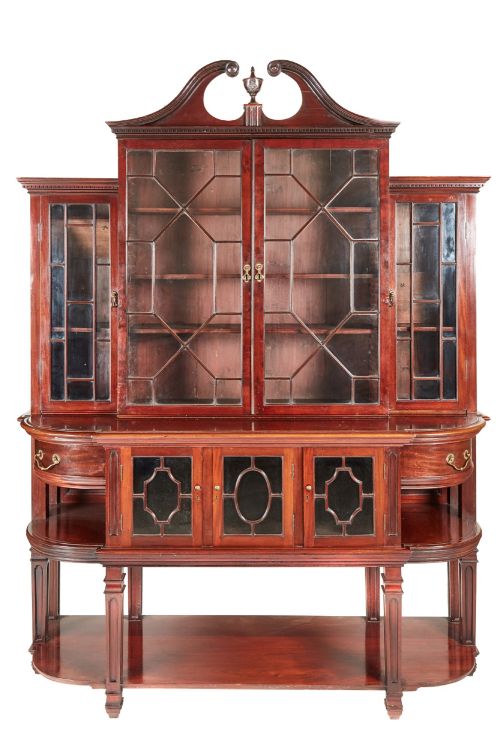
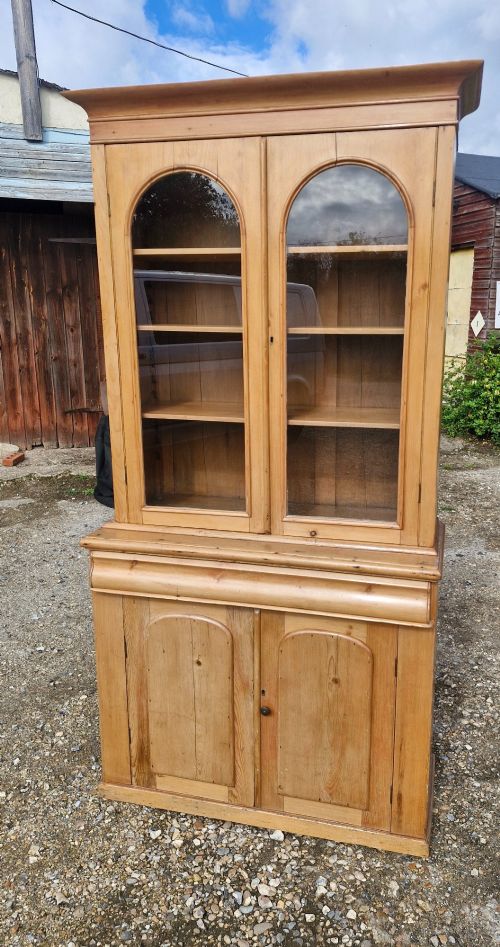
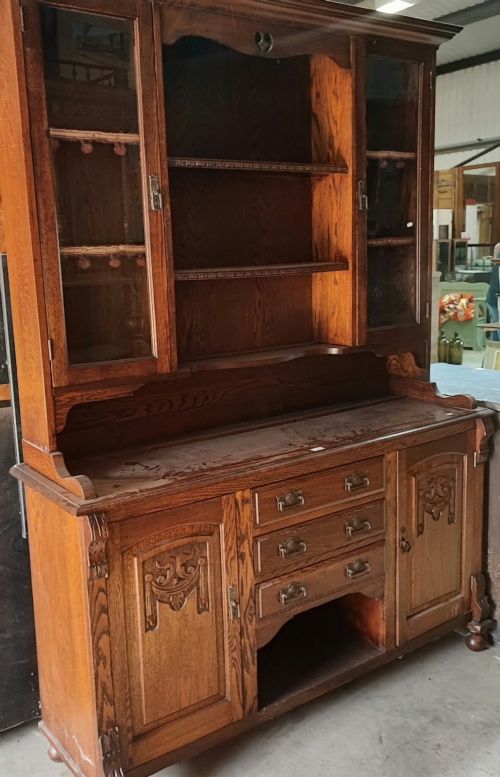
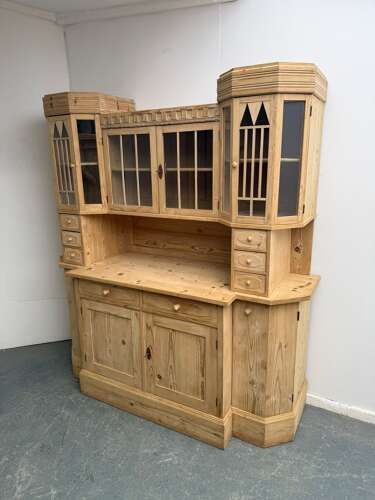
A victorian glazed hutch combines upper glass-fronted shelving with lower cupboards or drawers, serving as a primary storage and display piece in homes. These items appear across various styles, including English and French country, Arts and Crafts, and Jacobean Revival.
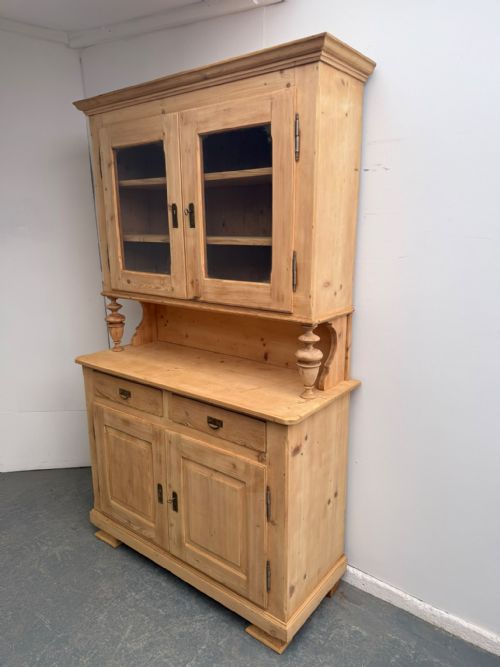
The pieces listed here encompass kitchen dressers, bookcase cabinets, and display units dating from the nineteenth century into the Edwardian period. Buyers most frequently encounter pine and oak examples, ranging from rustic painted finishes to polished mahogany.
Formations vary from two-piece constructions with open or glazed tops to breakfront bookcases and fitted cupboards. Regional variations such as West Country and Cornish dressers provide distinct local characteristics within the wider Victorian grouping.
Materials and construction
Makers utilised solid timbers such as pine, oak, and mahogany for the main frames and cabinetry, frequently pairing them with brass hardware for handles and fittings. Glass panes are set into wooden doors or framed within astragal configurations to protect the contents while maintaining visibility.
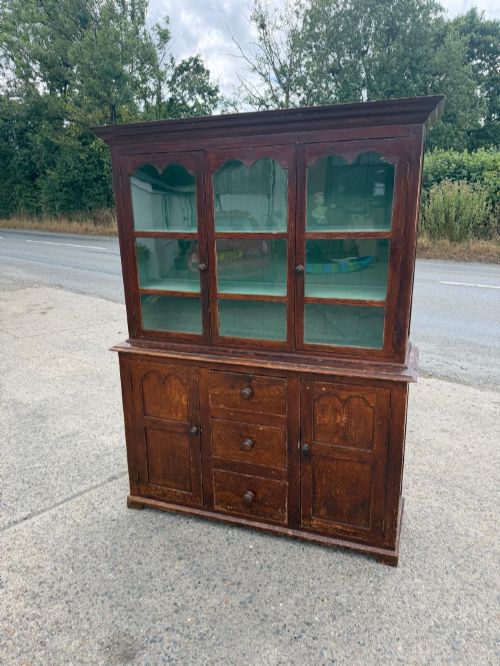
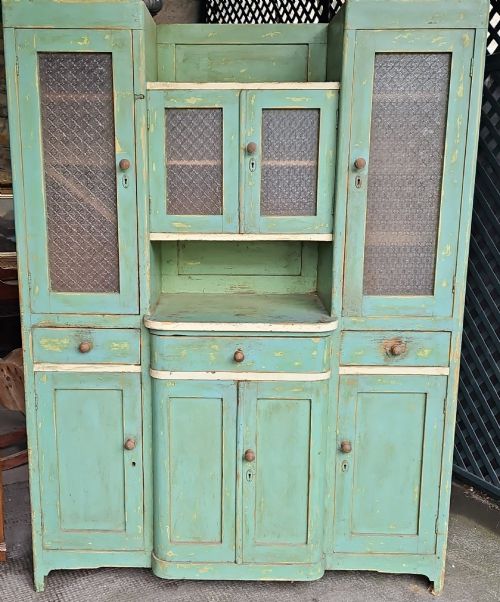
Surface treatments range from clear wax finishes that highlight the natural grain of tiger oak or mahogany to historic paint layers, scrumbled effects, and cream or teal pigments. Construction methods rely on traditional joinery techniques appropriate to nineteenth-century cabinetmaking and regional country workshops.
Some country pieces wear layers of teal and cream paint that have absorbed decades of kitchen atmosphere.
Distinctions in quality
Quality in these pieces rests upon the selection of timber, the integrity of the joinery, and the proportion of the design. Superior examples display thoughtful detailing, such as carved cupboard bases or well-fitted astragal glazed doors, which elevate standard utility furniture into notable cabinetwork.
The handling of original surfaces also defines the grade of a piece, whether through the preservation of historic paint schemes, scrumbled decoration, or the deep patina of polished hardwoods. Finer constructions maintain structural balance between the upper glazed sections and the heavy lower bases.
The Victorian Glazed Hutch Glossary
- Astragal glazed
- Glass doors divided by narrow wooden mouldings into smaller panes. This technique creates a structured grid pattern across the front of a bookcase or cabinet.
- Scrumbled
- A decorative paint technique involving translucent layers dragged or brushed over a base coat. It creates a mottled, textured appearance often found on country pine furniture.
- Breakfront
- A cabinet design where the central section projects forward from the flanking wings. This architectural feature adds depth and shadow to large bookcases and dressers.
- Welsh dresser
- A traditional furniture form featuring open plate racks or enclosed shelving above a base of drawers and cupboards. They originated for domestic storage and display in rural kitchens.
- Tiger oak
- Oak timber exhibiting distinctive flecks and growth patterns resembling animal stripes. Cabinetmakers valued this figure for its visual impact on display pieces.
Victorian Glazed Hutch: Frequently Asked Questions
What is a victorian glazed hutch?
A victorian glazed hutch is a piece of furniture featuring enclosed shelving behind glass doors positioned above a lower cupboard or drawer base. These items were designed for storing and displaying household goods in dining rooms, kitchens, and libraries.
Examples range from country pine kitchen dressers to mahogany breakfront bookcases. They provide substantial vertical storage while keeping contents visible and protected.
How do I clean painted pine?
Painted pine surfaces require gentle cleaning with a soft, dry cloth or a slightly damp cloth using mild soap. Avoid harsh chemical cleaners that can strip or soften historic paint layers.
Many pieces feature old or original painted finishes that benefit from preservation rather than aggressive restoration. Regular dusting keeps the surface stable and protects the underlying wood.
Where were these hutches used?
These cabinets served primarily in domestic kitchens, sculleries, and dining parlours for everyday storage of tableware, provisions, and books. Country pieces often stood in farmhouses as working kitchen dressers.
Finer mahogany and oak variations occupied formal reception rooms and libraries as display bookcases. Their dual function suited both working spaces and public rooms.
How do I date a hutch?
Dating relies on examining construction methods, timber choices, hardware, and stylistic indicators such as Arts and Crafts influences or Jacobean Revival carving. Nineteenth-century pieces often show hand-cut joinery and specific regional characteristics.
Secondary woods, nail types, and the condition of the glass help establish the period. Comparing the overall form to dated examples clarifies the timeline.
Can I paint a bare pine hutch?
Unfinished or stripped pine pieces are often prepared for waxing or painting according to personal preference. Applying traditional paints or natural waxes allows customisation while respecting the original material.
Preparation involves light sanding and cleaning to ensure proper adhesion. Selecting appropriate finishes helps maintain the character of nineteenth-century country furniture.