

Victorian Garnet Jewelry
Victorian garnet jewellery brings deep crimson fire and rich nineteenth-century goldwork to life in rings, brooches and pendants.
Victorian Garnet Jewelry
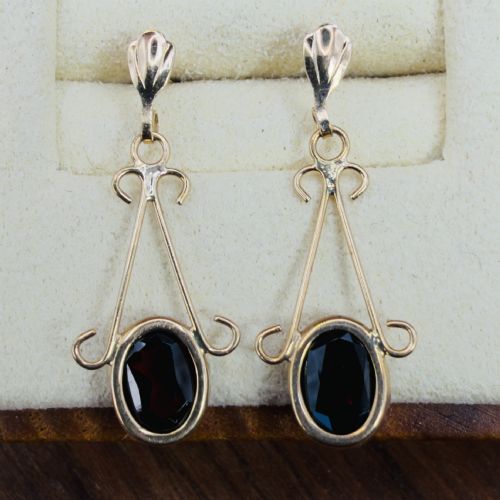
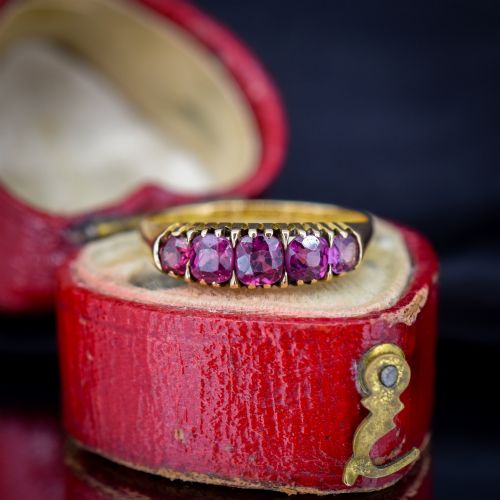
Victorian garnet jewellery comprises rings, brooches, pendants, earrings and necklaces produced during the nineteenth century and subsequent revival periods. These pieces utilise deep red stones, often shaped as cabochons or rose-cut gems, set within yellow gold ranging from nine to eighteen carats, alongside silver.
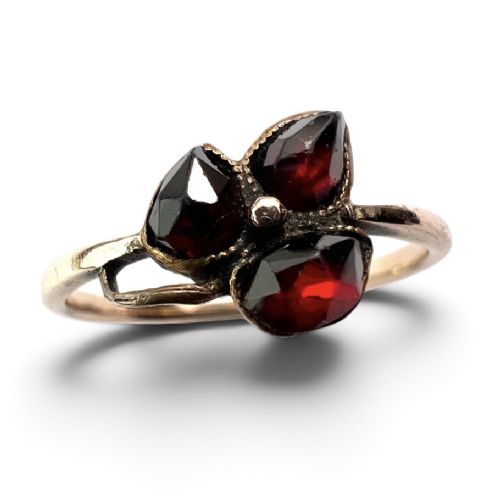
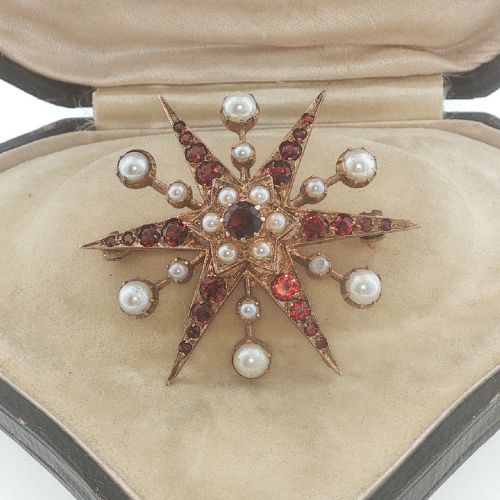
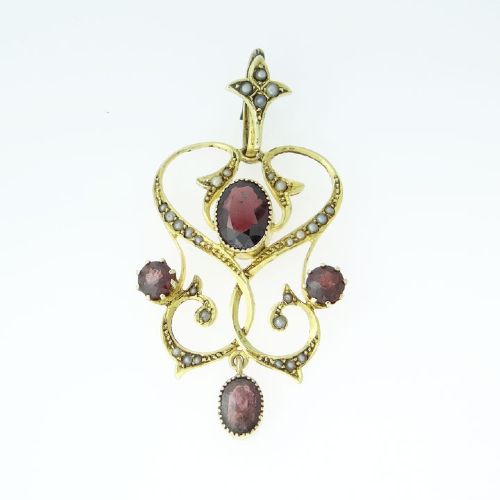
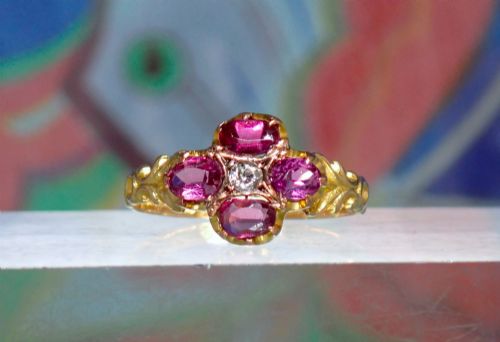
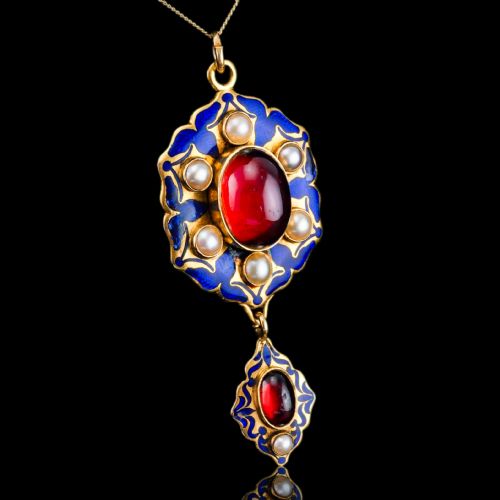
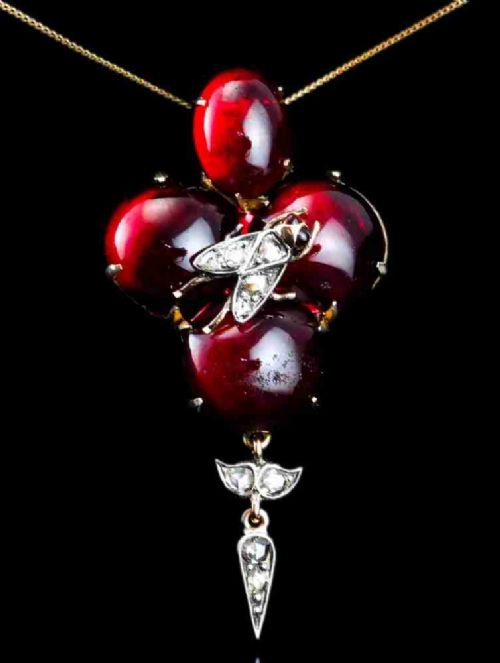
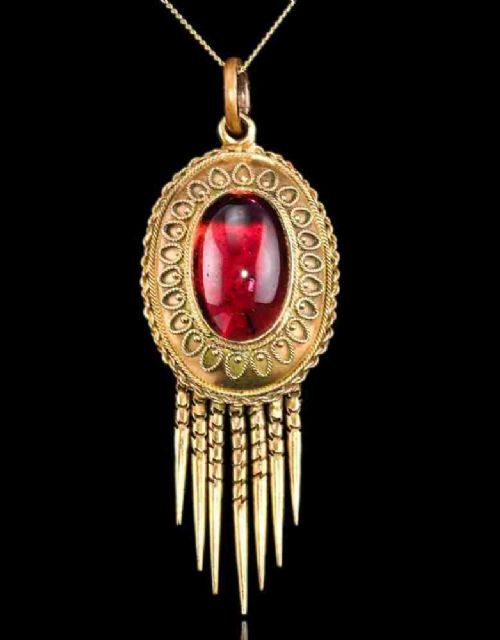
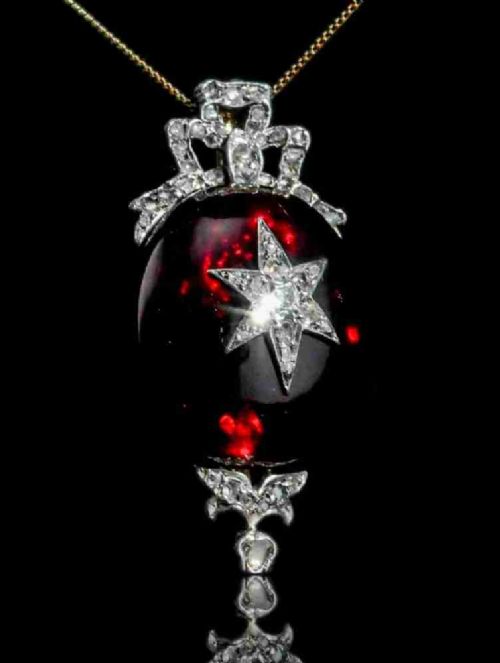
Buyers encounter forms spanning flower clusters, starburst brooches, Etruscan Revival lockets and elaborate fringe drop necklaces. The aesthetic shifts from mid-century romanticism involving almandine garnets to late-period Arts and Crafts or Holbeinesque designs incorporating pearls and diamonds.
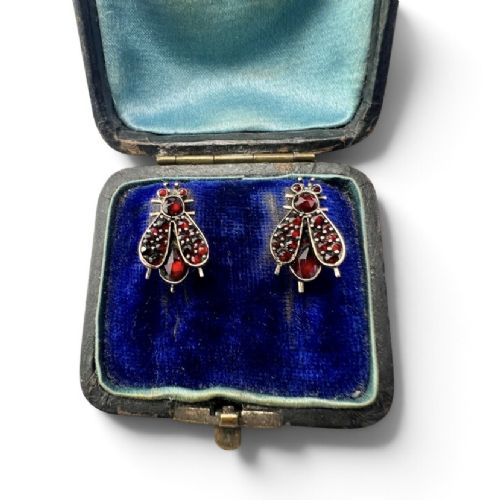
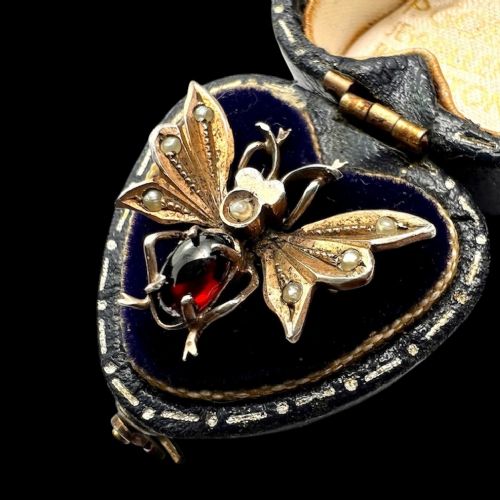
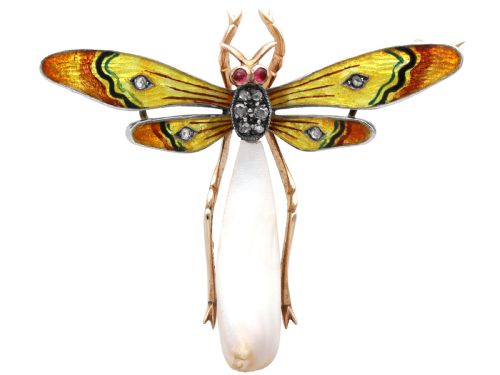
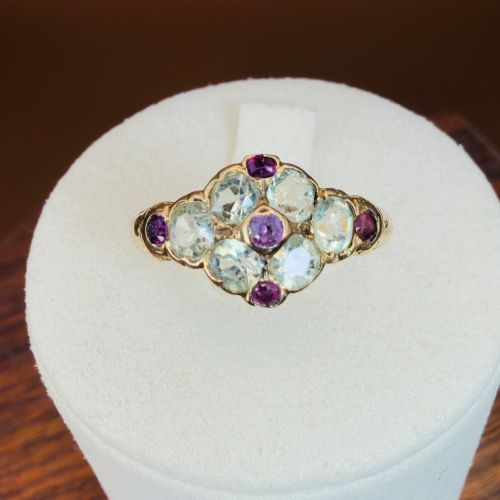
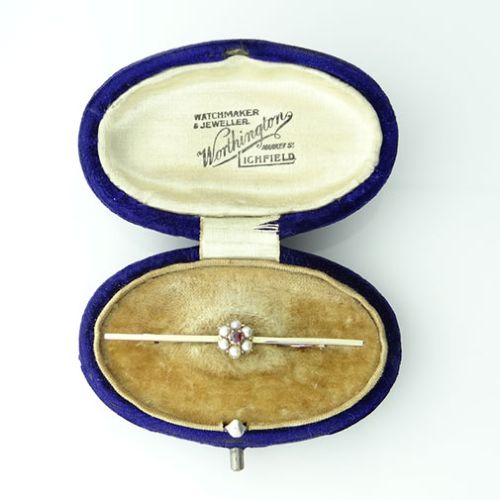
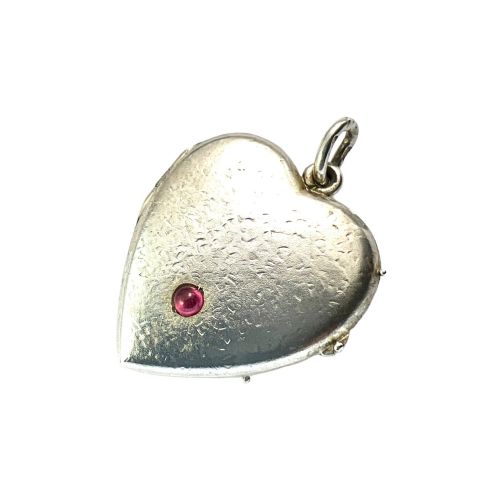
The selections on this page represent diverse stylistic influences, including Austro-Hungarian silver gilt work, French snake motifs and Bohemian garnet groupings. Each item reflects the distinct manufacturing techniques and material pairings characteristic of its decade of origin.
Materials and construction methods
Construction techniques involve detailed granulation and wirework for Etruscan Revival pieces, closed-back foil settings for early stones, and robust cluster frames for flower and star motifs. Metalworkers also utilised hollow stamping for lighter brooches and solid casting for substantial rings and cuff links.
Victorian Garnet Jewelry Retail Price Guide 2026
Typical asking prices for victorian garnet jewelry among the pieces listed under this phrase on Sellingantiques today, from the lower quarter to the upper quarter. They describe what is for sale here now, not the wider market.
A slithering snake belt buckle proves that nineteenth-century romance occasionally possessed a wonderfully sharp bite.
Distinctions in construction and design
Quality rests upon the depth of the gold carats, the precision of stone matching within clusters, and the intricacy of the metalwork. Pieces displaying high-carat gold mounts and uniform, richly saturated garnets demonstrate superior craftsmanship compared to lower-karat or simpler base settings.
The integrity of the structural design further separates standard examples from exceptional items. Hand-applied granulation, well-preserved enamelling, and secure stone settings indicate master workmanship from nineteenth-century workshops.
The Victorian Garnet Jewelry Glossary
- Almandine garnet
- A deep red variety of garnet rich in iron and aluminium, frequently utilised in nineteenth-century cluster rings and brooches. It yields a dark, intense crimson hue under natural light.
- Cabochon
- A gemstone shaped and polished with a smooth, rounded convex surface rather than faceted edges. This cut highlights the rich, vitreous lustre of large garnets and carbuncles.
- Etruscan Revival
- A nineteenth-century design style inspired by ancient archaeological discoveries, characterised by intricate gold wirework and granulation. Artisans used this technique to evoke classical Mediterranean ornamentation.
- Holbeinesque
- A Victorian revival style drawing on sixteenth-century German and Renaissance ornamentation, typically featuring complex pendant designs suspended from elaborate necklaces. These pieces combine garnets with pearls, enamels and multiple drop elements.
Victorian Garnet Jewelry: Frequently Asked Questions
How do I care for antique garnet pieces?
Clean these items gently using a soft, dry cloth to remove surface dust, avoiding harsh chemical dips or ultrasonic cleaners that can damage soft gold and pearl accents.
Store each piece individually in a lined box to prevent the garnet facets from scratching neighbouring metal or softer adjacent gemstones.
Can I wear Victorian garnet rings daily?
Daily wear is possible for robust gold designs, though delicate open-backed settings and antique prongs require careful attention during routine activities.
Remove rings before heavy manual work or swimming to protect the softer gold alloys and historic stone settings from unnecessary strain.
How do I distinguish mid-Victorian from late-Victorian styles?
Mid-Victorian designs from the mid-nineteenth century frequently display heavy goldwork, large carbuncle garnets, and sentimental memorial motifs inspired by classical antiquity.
Late-Victorian and Edwardian pieces shift towards lighter silver-topped gold settings, starbursts, and delicate seed pearl pairings influenced by Art Nouveau sensibilities.