
Victorian Furniture Storage
Victorian furniture storage pieces offer substantial utility, spanning robust oak chests of drawers, pine cupboards, and mahogany bookcases built for daily domestic organisation.
Victorian Furniture Storage
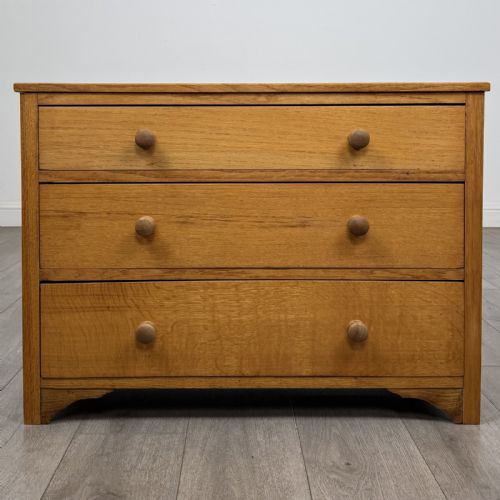
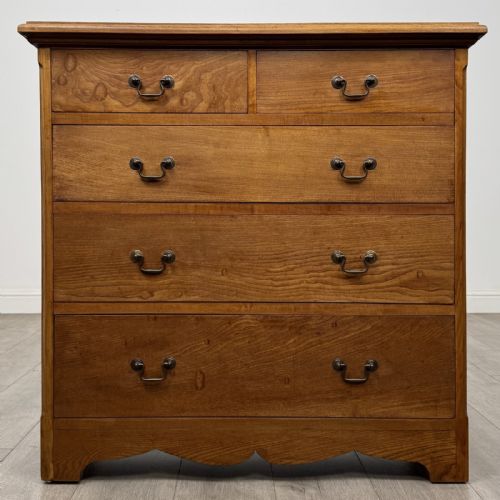
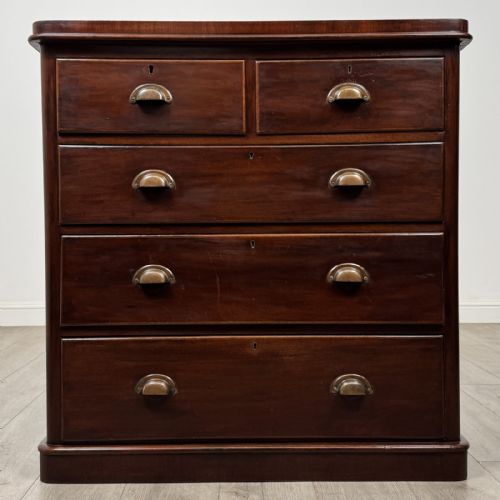
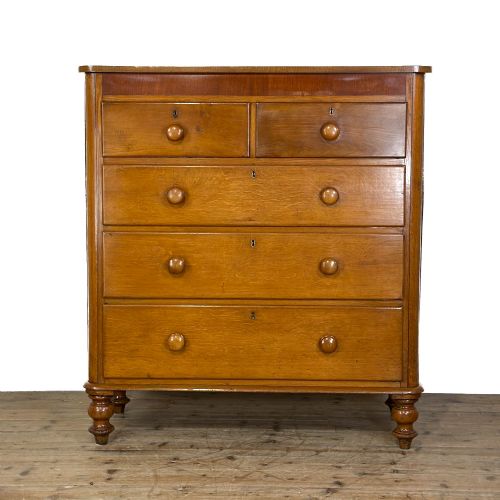
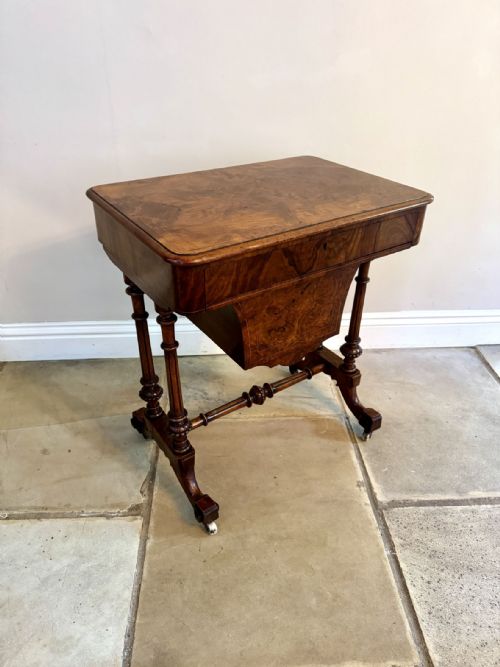
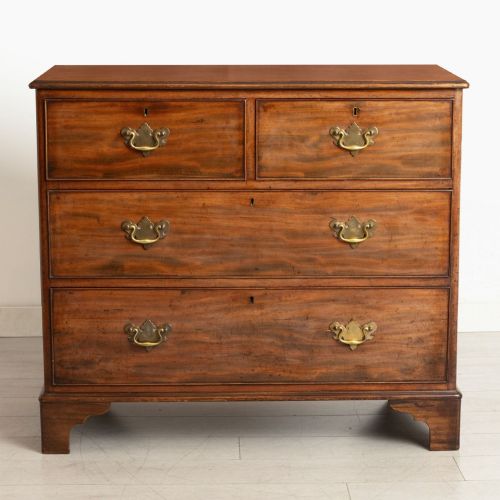
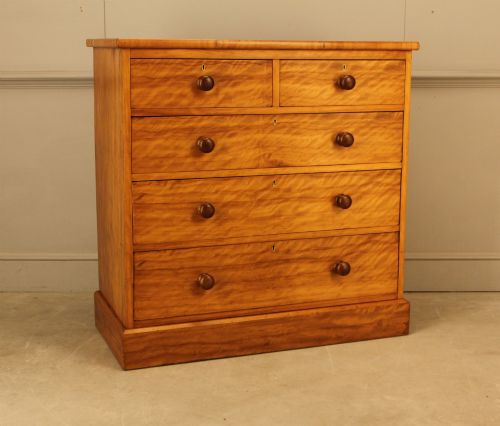
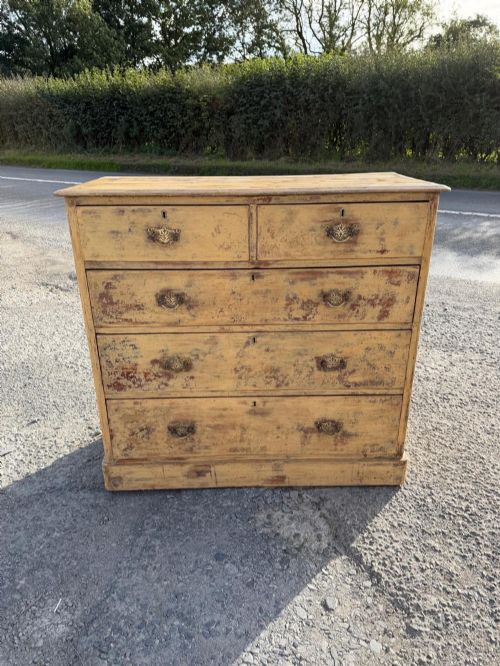
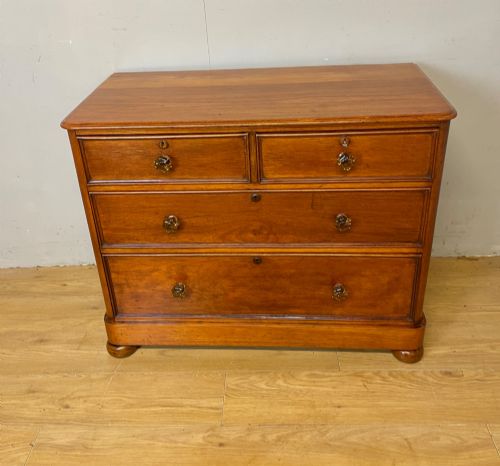
Victorian furniture storage encompasses a diverse range of domestic items designed to hold clothing, books, and household goods, with chests of drawers being the most common form encountered on this page. These functional items reflect the varied aesthetic movements of the nineteenth century, moving from utilitarian pine storage to polished mahogany and burr walnut expressions.
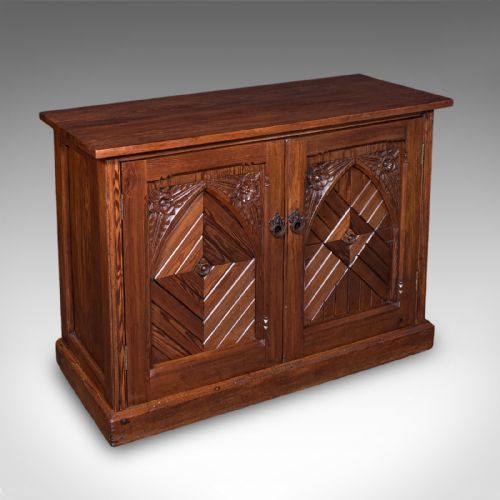
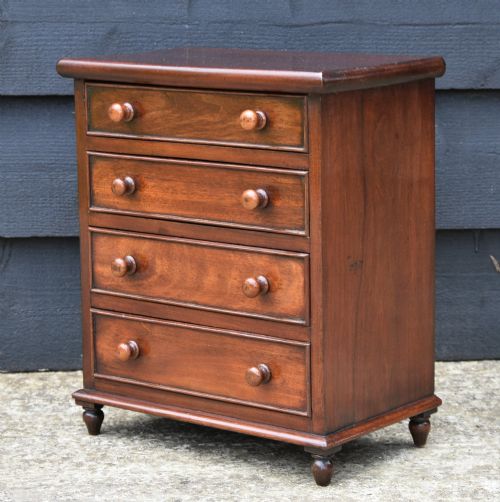
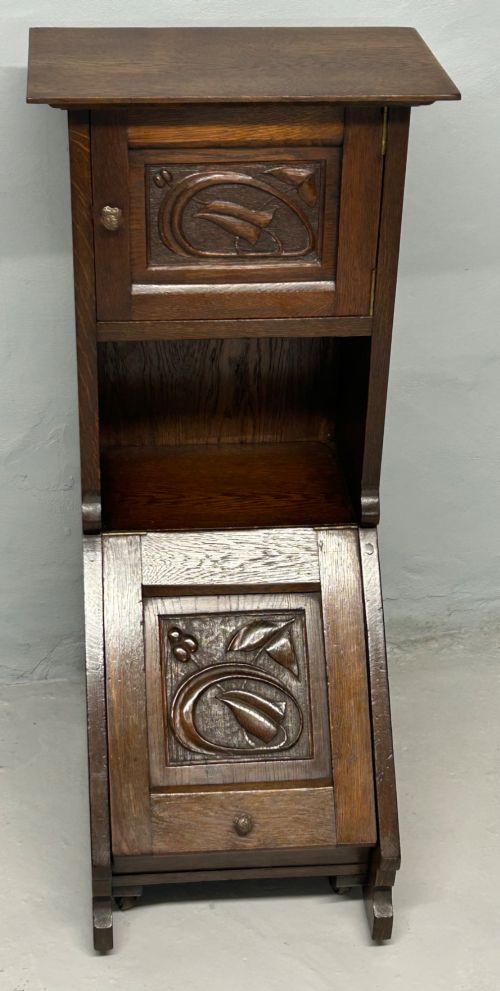
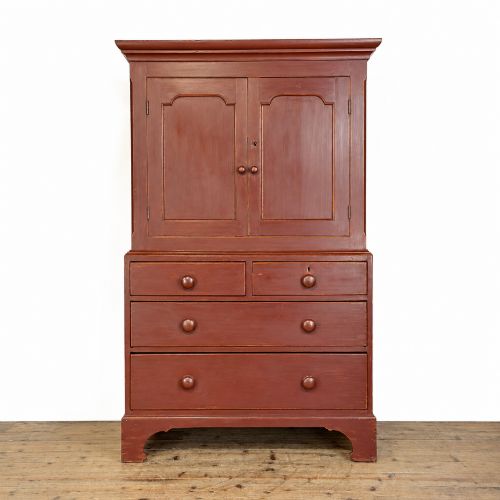
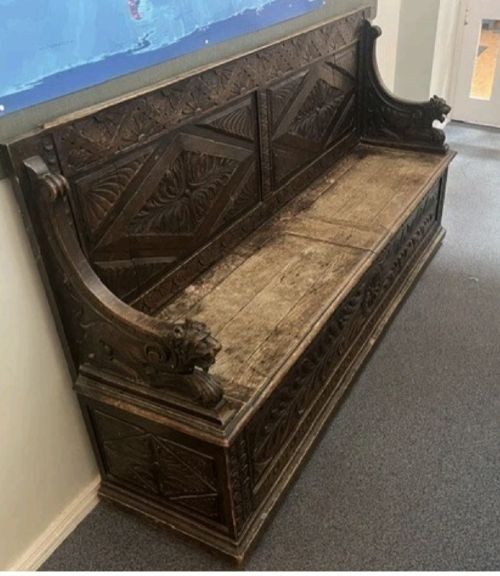
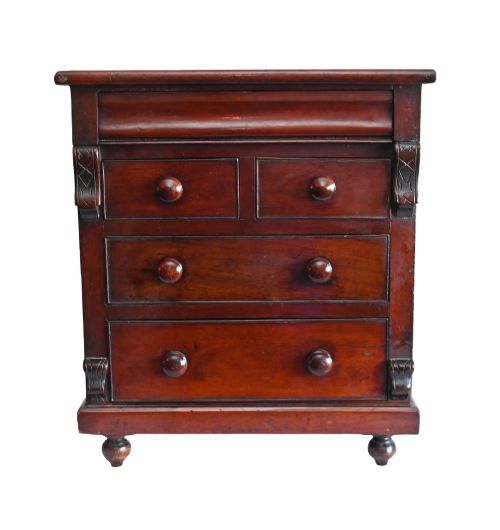
Buyers will encounter multiple regional and stylistic variations, including Gothic Revival cabinets, Arts and Crafts oak pieces, and country pine cupboards. Pieces range from grand housekeeper's cupboards down to miniature apprentice chests and specialised coal cabinets like the purdonium.
The materials span native and imported timbers, showing the heavy reliance on mahogany, oak, and pine alongside decorative veneers of walnut and ash. These items served specific household roles, whether holding linens in a bedroom or displaying volumes in a library.
Materials and construction methods
Cabinet makers utilised solid timbers such as mahogany, oak, and pine for structural integrity, often applying figured veneers like burr walnut on primary display surfaces. Drawer construction frequently employed hand-cut dovetails, while secondary woods like deal or ash were used for internal framing and drawer linings.
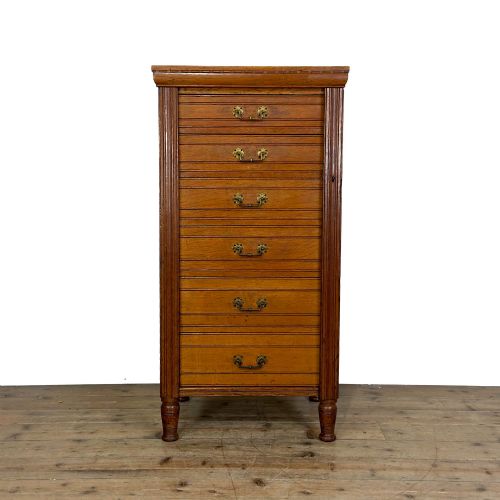
Hardware details such as brass drop handles, knob handles, and brass cup handles were fitted to secure drawers and doors, sometimes accompanied by original locks and keys. Surface finishes varied from original paint and stencilling to polished French polish and wax, protecting the timber while highlighting its natural grain.
Storage pieces date from the eighteenth century through the Victorian era and into the early twentieth century.
Distinctions in quality
Quality in these storage pieces rests upon the selection of timber and the precision of joinery, particularly in the tightness of drawer dovetails and the integrity of internal carcases. Superior examples maintain original hardware, unwarped panels, and well-fitted drawers that slide smoothly within their housings.
The presence of intact original finishes, whether authentic paint, stencilling, or deep polished patination, elevates a piece above those that have undergone aggressive stripping or unsympathetic modern restoration.
G. Bartholomew & Co·T & G Seddon·Walker & Sons·GM Elwood for JS Henry·Shoolbred & Co.
The Victorian Furniture Storage Glossary
- Purdonium
- A specialised coal cabinet designed to hold fuel for a fireplace, typically featuring a sloping front and a small interior shovel. These items were common additions to Victorian reception rooms.
- Wellington chest
- A tall, slender chest of drawers featuring a hinged locking stile on one side that secures all the drawers at once. The design originated in the early nineteenth century and remained popular through the Victorian period.
- Housekeeper's cupboard
- A large storage piece, usually constructed from pine or oak, featuring upper shelving enclosed by doors and lower drawers or cupboards. They were essential for organising household provisions and linens.
- Linen press
- A tall cupboard featuring upper sliding trays or shelves for textiles, paired with lower storage drawers. They are frequently veneered in rich timbers such as burr walnut or mahogany.
Victorian Furniture Storage: Frequently Asked Questions
How do I identify a genuine Victorian chest of drawers?
Examine the drawer construction for hand-cut dovetails and inspect the secondary timbers used for the drawer linings, which should show age-appropriate wear and tool marks. Look for traditional construction methods such as pegged joints and backboards made of solid timber rather than modern sheet materials.
The overall weight, patination of the wood, and presence of period hardware like brass knob handles or turned wooden pulls further support the nineteenth-century origin of the piece.
What is the difference between a linen press and a wardrobe?
A linen press traditionally contains sliding wooden trays or shelves behind its upper doors, specifically designed to store flat folded textiles and linens. Wardrobes, by contrast, are designed primarily for hanging garments on vertical rails.
While both share a tall, enclosed carcase form with lower drawers, the internal configuration clearly separates their original domestic functions in the Victorian household.
How should I care for antique pine furniture?
Keep antique pine storage pieces away from direct heat sources and strong sunlight, which can dry out the timber and cause splitting in the panels or original painted surfaces. Maintain a stable indoor humidity to protect the wood and any historic paint or wax finishes.
Apply a gentle, quality wax polish occasionally to nourish the timber, avoiding silicone-based sprays that can penetrate the grain and damage the antique finish.
What defines a Gothic Revival storage piece?
Gothic Revival furniture incorporates architectural motifs inspired by medieval design, such as pointed arches, quatrefoils, heavy chamfering, and carved tracery. These pieces are typically constructed from solid oak and exhibit a purposeful, sturdy aesthetic.
Cabinet makers used these dramatic elements to reflect a romanticised medieval past, creating imposing cupboards and cabinets that stood out from standard Victorian domestic styles.