

Victorian Furniture Stand
These pieces of victorian furniture stand as functional household additions, offering utility and period character through diverse timber forms.
Victorian Furniture Stand
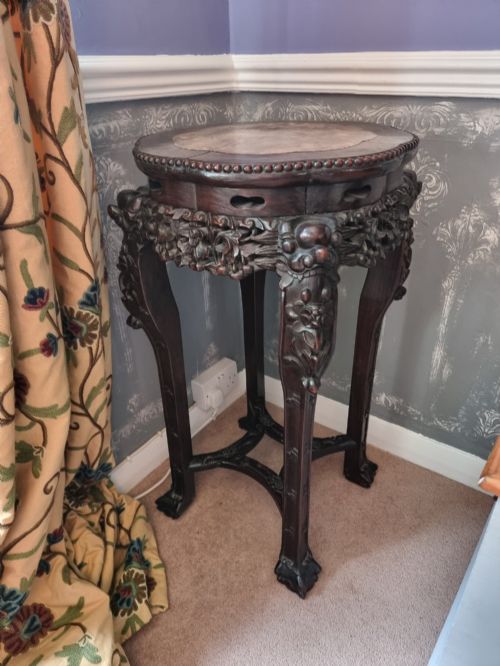
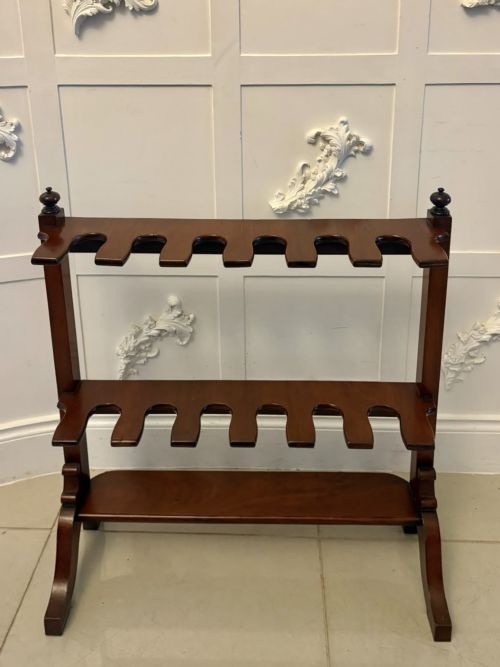
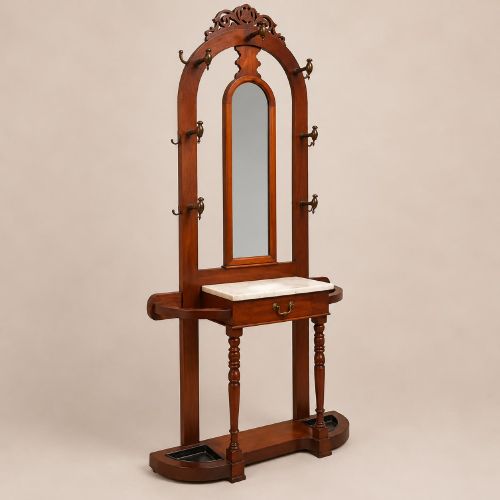
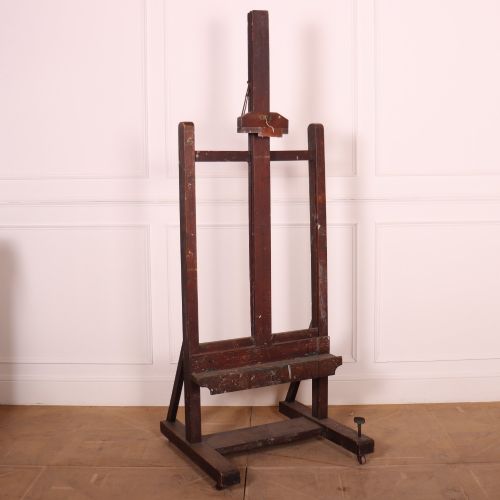
Buyers searching for a victorian furniture stand encounter a varied selection of functional household items designed for specific domestic tasks. The inventory encompasses washstands, umbrella stands, hall stands, and plant stands produced across the nineteenth century and into the Edwardian era.
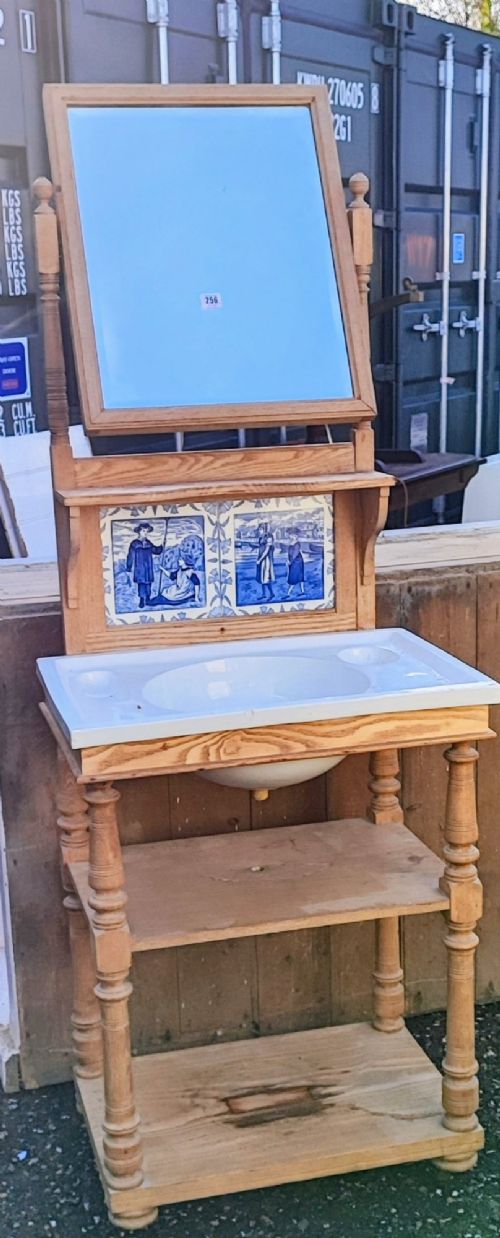
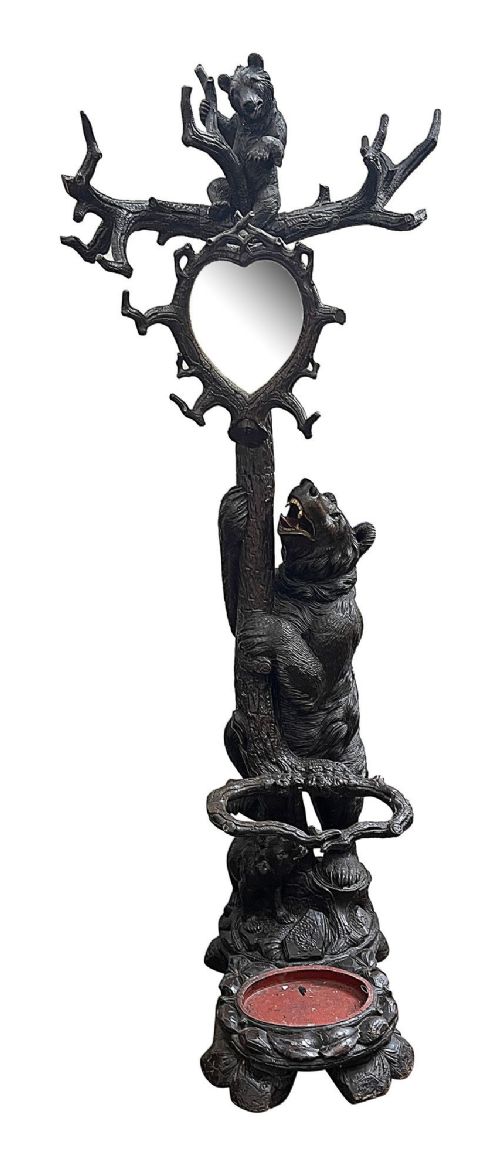
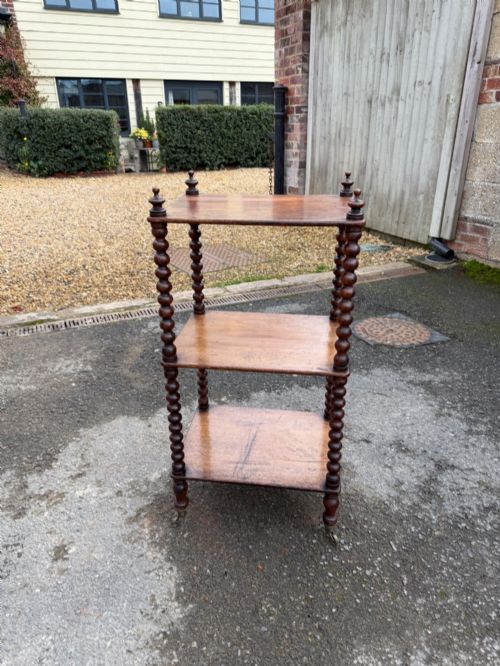
Most pieces date from the Victorian period, utilising woods such as mahogany, walnut, and pine. Forms range from corner washstands fitted with marble tops and tiles to cast iron umbrella stands and multi-tiered whatnots.
Makers and manufacturers produced these items to serve practical hallway, bedroom, and parlour functions. The selection also bridges related forms like music canterburys, occasional tables, and open bookcases.
Materials and construction methods
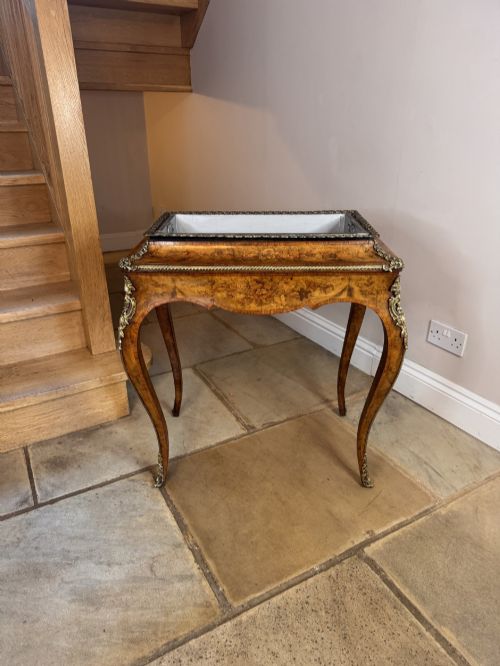
Craftsmen utilised solid timbers and decorative veneers, notably mahogany, walnut, burr walnut, and rosewood, alongside pine for secondary elements. Metal components such as brass galleries, cast iron frames, and bronze details frequently appear on stands designed for holding items or displaying objects.
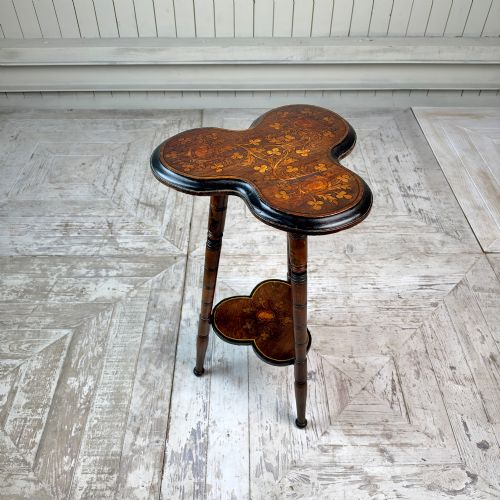
Structural assembly relied on traditional joinery techniques suited to each form, from the turned legs of tripod plant stands to the tiled galleries of corner washstands.
Victorian Furniture Stand Retail Price Guide 2026
Typical asking prices for victorian furniture stand among the pieces listed under this phrase on Sellingantiques today, from the lower quarter to the upper quarter. They describe what is for sale here now, not the wider market.
Listings feature woods spanning mahogany, walnut, burr walnut, fruitwood, teak, satinwood, pine, and rosewood alongside metals like brass and cast iron.
Distinctions in quality and execution
The standard of a victorian furniture stand depends upon the selection of timber figures and the precision of the cabinetwork. Pieces employing burr walnut veneers, finely carved ornament, or original marble and tile inserts demonstrate higher execution than utilitarian pine examples.
Proportion and structural integrity separate standard domestic items from exhibition pieces. Refined mouldings, integrated brass galleries, and intact secondary surfaces indicate superior workshop origin.
Edwards and Roberts·Heals
The Victorian Furniture Stand Glossary
- Washstand
- A piece of bedroom furniture designed to hold a basin and jug, often featuring a marble top, tile splashback, and lower storage. These items served daily ablutions before plumbed bathrooms became standard.
- Canterbury
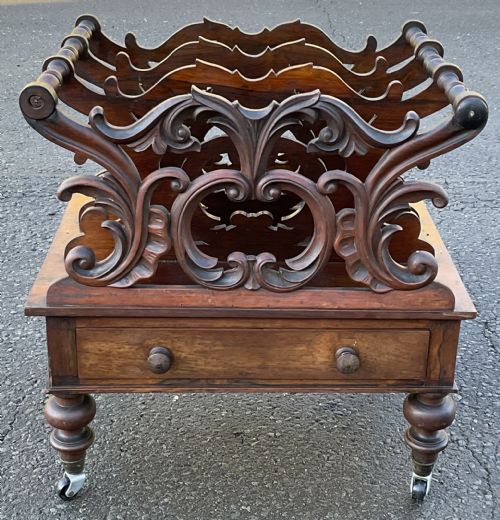
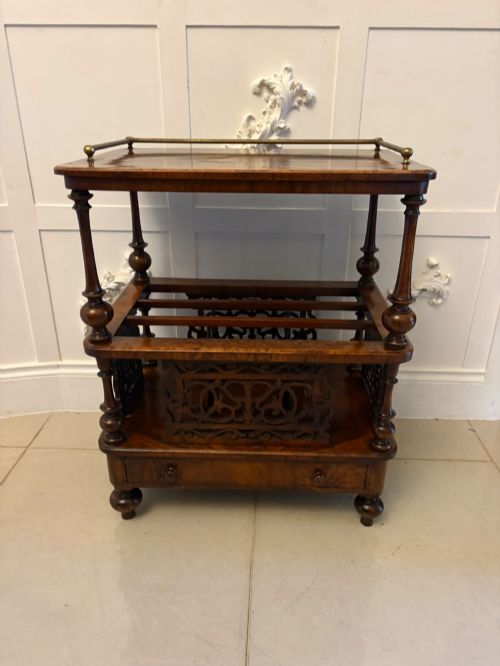
- A low stand with partitioned sections for holding sheet music, books, or folios, usually fitted with castors and sometimes incorporating a drawer below. The form dates back to the late eighteenth century and continued through the Victorian era in woods like rosewood and walnut.
- Whatnot
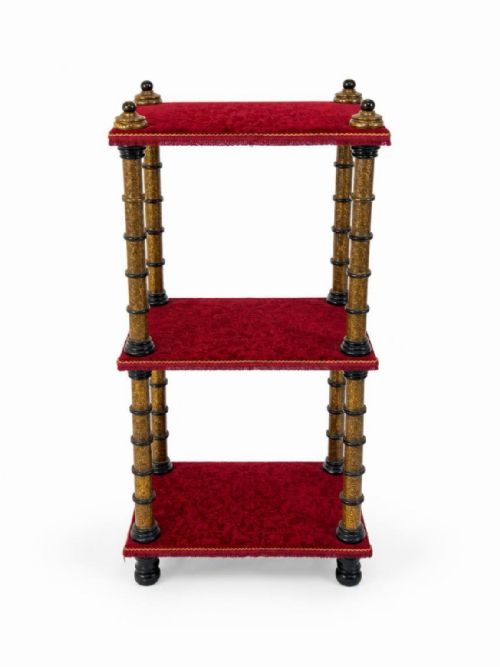
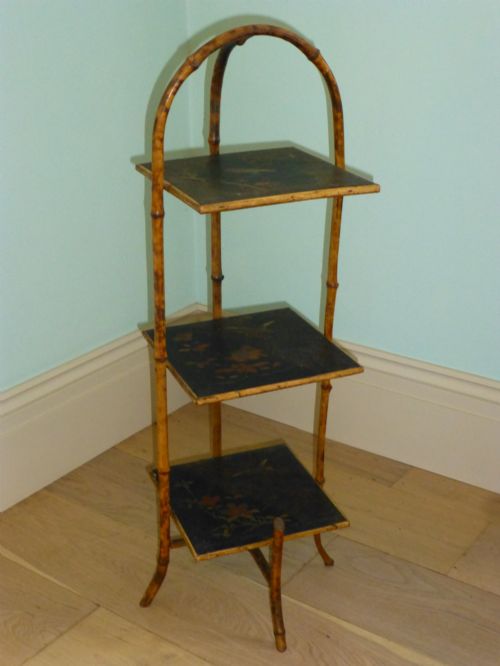
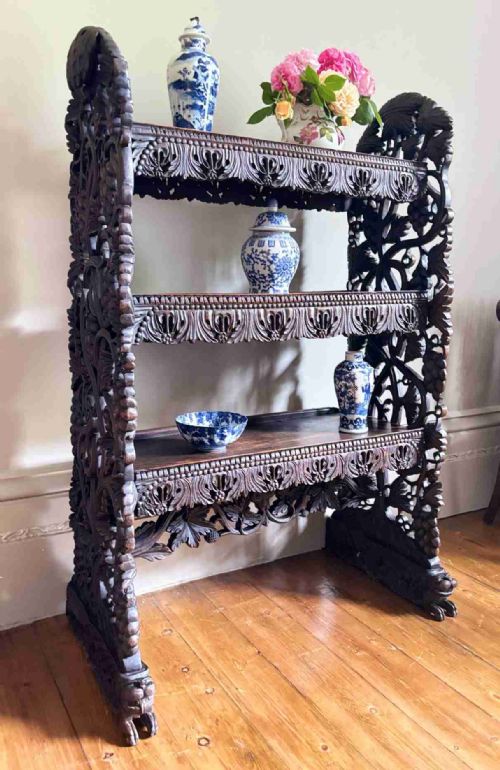
- A set of open shelves supported by pillars or columns, used for displaying ornaments and small objects. Multiple tiers characterise this freestanding display furniture.
- Étagère
- A decorative piece of furniture with multiple small shelves or tiers for holding ornaments. Sheraton Revival examples often utilise satinwood and delicate inlay.
- Campaign
- Furniture constructed to be easily dismantled and transported for military use, typically featuring brass corners, flush handles, and durable teak or mahogany construction.
Victorian Furniture Stand: Frequently Asked Questions
What is a victorian furniture stand used for?
These pieces served specific utilitarian and display functions in the nineteenth-century home, ranging from holding wet umbrellas in a hallway to supporting washbasins in bedrooms. Whatnots and étagères displayed ornaments, while music canterburys stored folios near pianos.
Today, buyers repurpose these items to hold plants, display collections, or provide surface space and storage in hallways and living rooms.
How do I identify a washstand?
Washstands typically feature a stone or marble top designed to resist water damage from basins, accompanied by a raised wooden gallery or tiled splashback to protect the wall. Lower shelves or small cupboards often provided space for soap and jugs.
Examples range from corner configurations in pine to freestanding mahogany designs with dedicated drawer space.
What woods were commonly used?
Cabinetmakers utilised dense hardwoods like mahogany, walnut, and rosewood for prominent domestic furnishings, often employing burr walnut veneers to create decorative patterned surfaces. Pine served as a secondary timber for internal framing and simpler washstands.
Alternative materials include fruitwood, satinwood, and exotic bamboo alongside structural metals like cast iron and brass.
How do I tell different periods apart?
William IV and early nineteenth-century pieces often display heavier proportions with rosewood timbers and bold classical motifs. Later Victorian and Edwardian items incorporate lighter woods, satinwood inlay, and revival styles such as Sheraton Revival.
Examining secondary timbers, joinery methods, and hardware styles helps confirm the manufacturing era of each stand.