


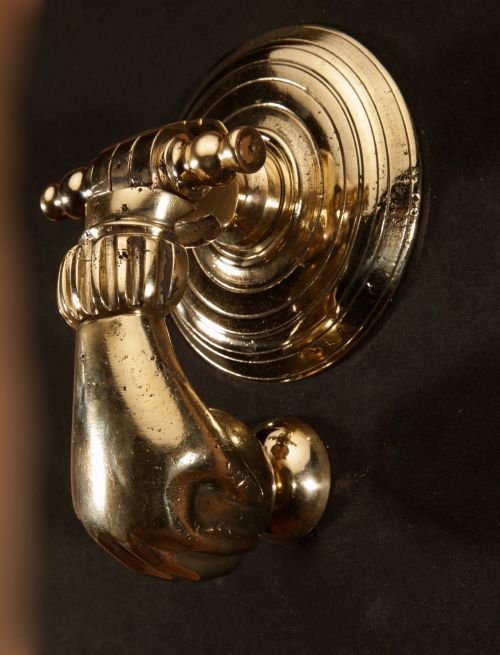


Victorian Front Knocker
These Victorian front knocker pieces are solid metal door hardware built to announce visitors with weight and character.
Victorian Front Knocker
A victorian front knocker is a piece of architectural hardware designed to mount on an entrance door and signal visitors. The selection ranges from plain nineteenth century brass designs to elaborate sculptural forms.
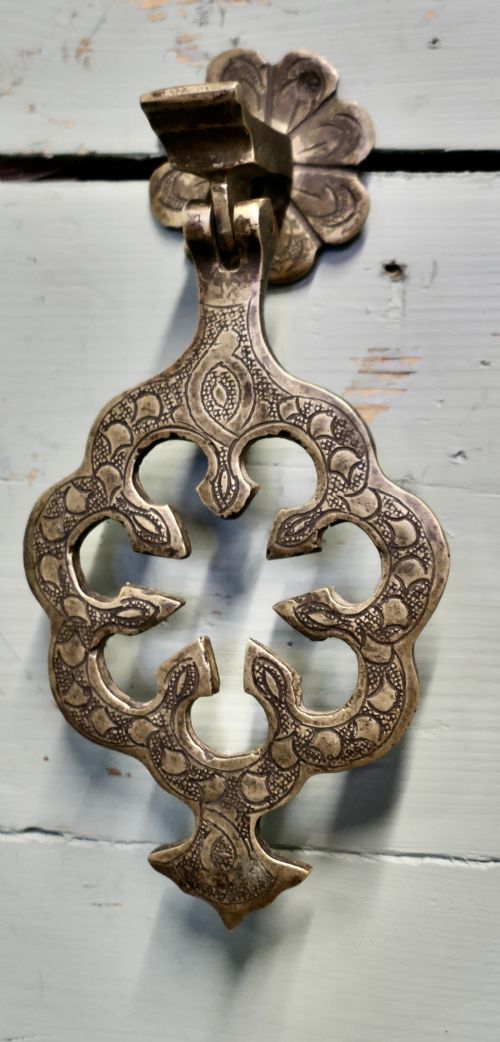
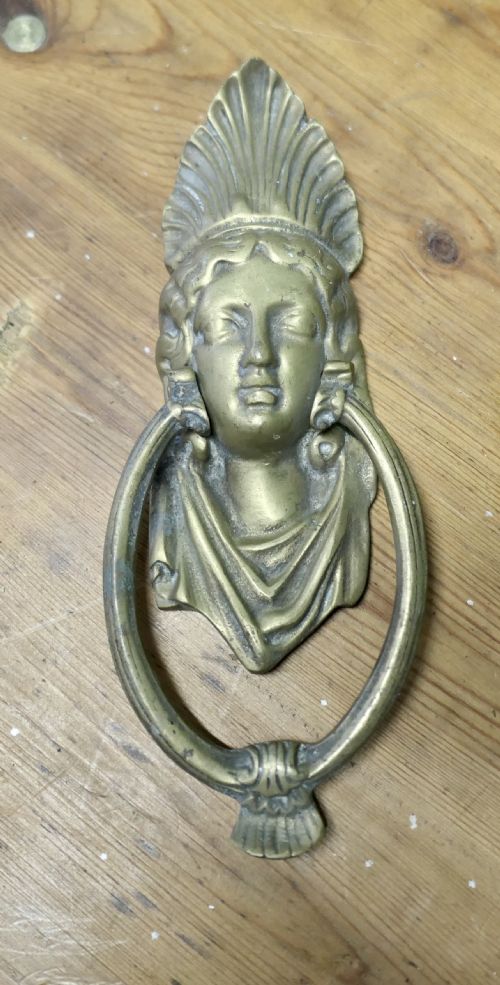
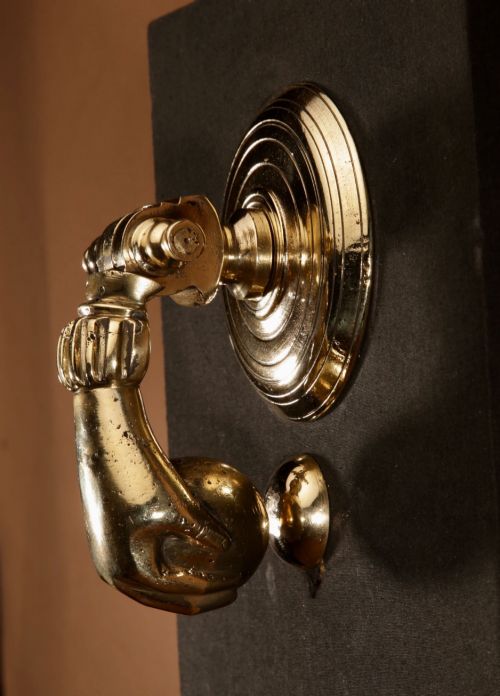
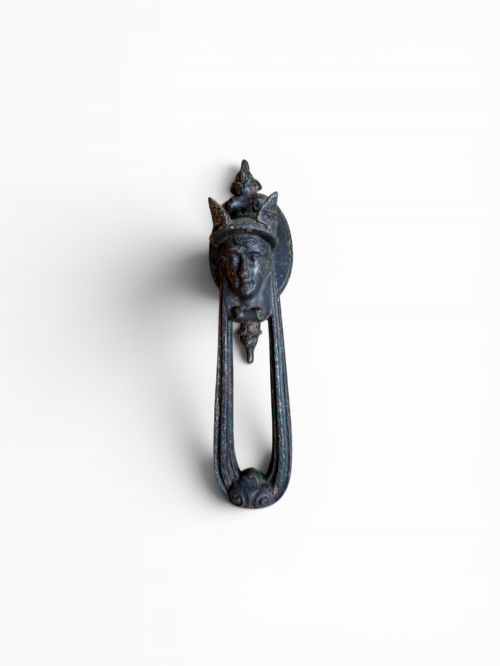
Most items on this page date from the Victorian period and the nineteenth century, taking shapes such as hands, marine creatures, and classical figures. Buyers encounter heavy solid brass, cast iron, and bronze examples.
Forms include traditional doctors knockers, letterbox combinations, and maritime anchors or dolphins. These pieces serve practical entry functions while displaying period decorative styles.
How they were made
Foundries produced these items using traditional metal casting techniques in iron, bronze, and brass. Molten metal poured into moulds created the robust bodies and striking plates that endure on heavy doors.
Listings feature materials spanning cast iron, solid brass, bronze, and cast metal across the Victorian period and nineteenth century.
What varies in quality
The choice of material also distinguishes items, with heavy solid brass and polished bronze offering greater heft and durability than lighter cast metal alternatives. Complete sets retaining their original striking plates carry distinct architectural integrity.
Kenrick & Sons
The Victorian Front Knocker Glossary
- Striking plate
- The metal plate mounted on the door where the knocker falls. It protects the wood from impact and completes the hardware assembly.
- Caryatid
- A sculpted female figure serving as an architectural support. In these pieces, the figure forms the structural stem of the knocker.
- Doctors knocker
- A specific vertical form with a hinge at the top and a striking ball below, historically used so visiting medical practitioners could be heard clearly.
- Pierced brass
- Metalwork cut through to create openwork patterns and negative space. This technique adds visual lightness to heavy nineteenth century designs.
Victorian Front Knocker: Frequently Asked Questions
How do I install a heavy brass door knocker?
Most pieces mount directly through the door using appropriate metal fixings that match the existing fastener holes.
Ensure the striking plate aligns precisely with the hammer point to prevent damage to the door surface during daily use.
Are these door knockers suitable for exterior use?
The bronze, iron, and brass materials are built for outdoor exposure and withstand weather conditions.
Regular cleaning maintains the metal finish, particularly on polished bronze and solid brass items exposed to moisture.
How can I tell if a knocker is nineteenth century?
Nineteenth century pieces display traditional sand casting textures, heavier metal weight, and period specific motifs.
Stylistic indicators include Victorian gothic elements, classical revival figures, and maritime designs typical of the era.