




Victorian Folk Art Sculpture
These pieces of victorian folk art sculpture capture the unpretentious hand and direct eye of nineteenth-century makers working outside academy traditions.
Victorian Folk Art Sculpture
When you search for victorian folk art sculpture, you encounter a diverse range of vernacular objects shaped by ordinary makers across the nineteenth century and into the early twentieth century. These pieces span carved animals, trade signs, fairground figures, and architectural models produced for everyday use or local display.
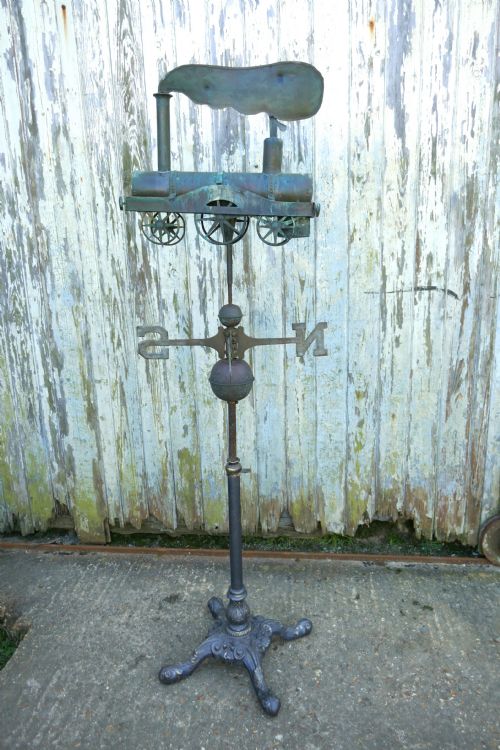
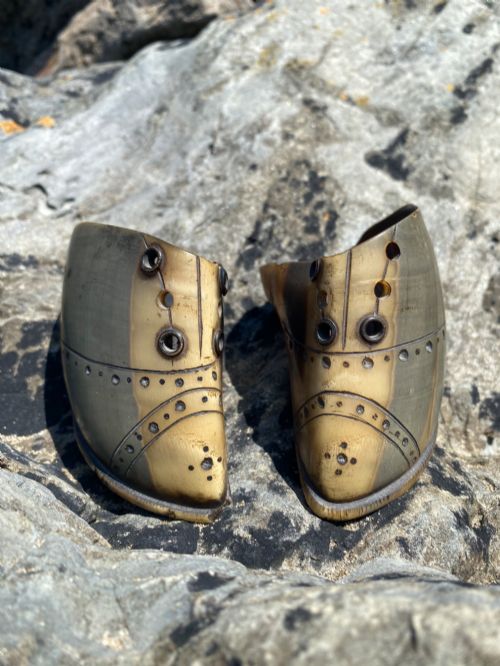
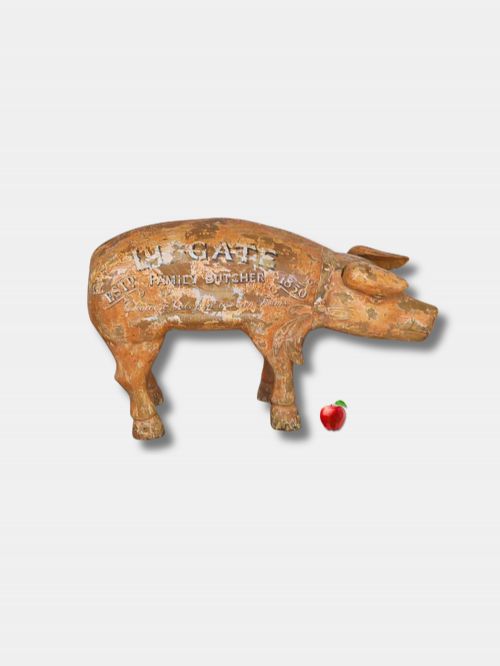
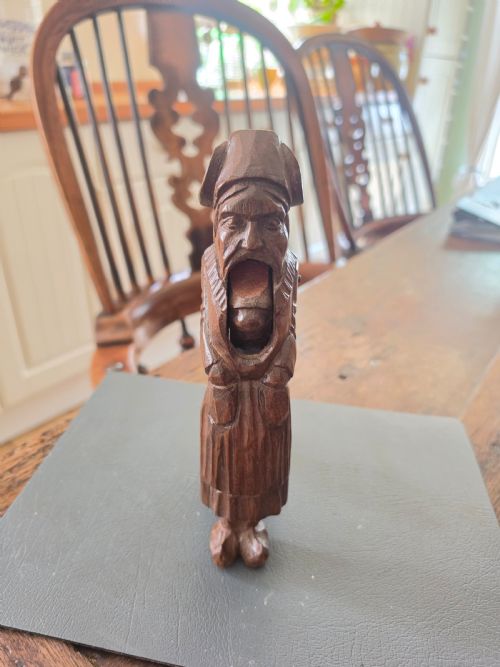
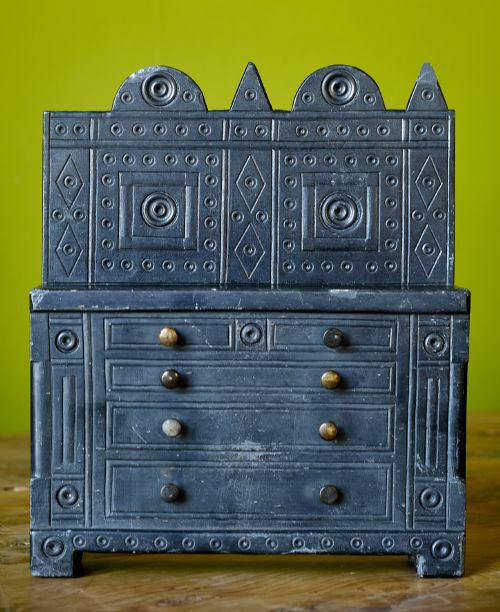
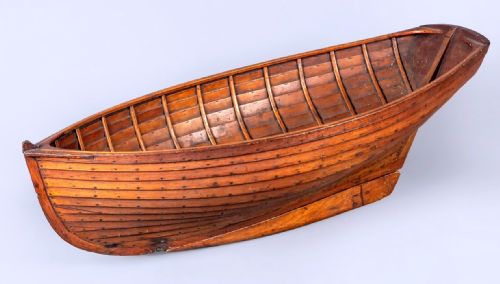
The selections on this page lean heavily toward carved wooden animals such as horses, birds, and bears, alongside functional items transformed into decorative sculptures like weathervanes and trade signs. Maritime subjects, Black Forest carvings, and carved slate models also appear regularly among English, Welsh, and continental examples.
Buyers look for these sculptures to add immediate character and tactile warmth to an interior. Each object bears the distinct physical imprint of its maker's hand, offering a direct connection to domestic, agricultural, or maritime life of the period.
Materials and methods
Makers utilised readily available materials, most notably carved and turned wood such as pine, fruitwood, and oak, often retaining visible tool marks from gouges and chisels. Many surfaces preserve their original or early paint, showing layers of weathered pigment, gesso, and natural patination accumulated over decades of use.
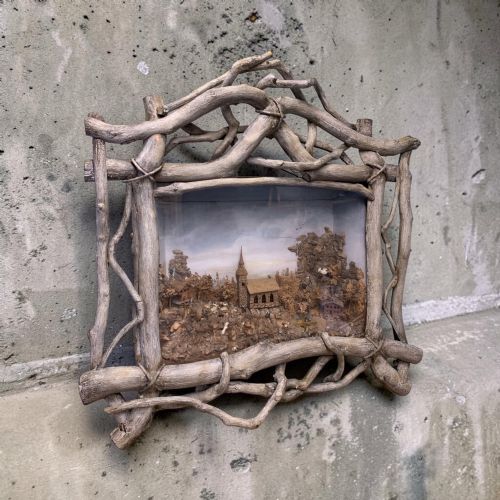
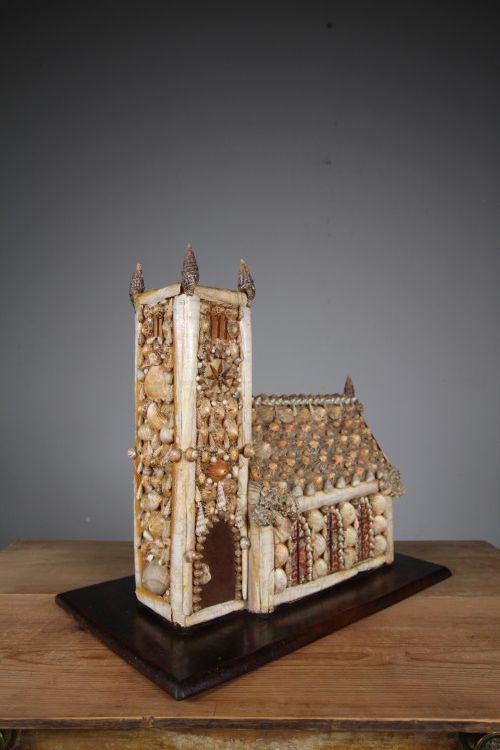
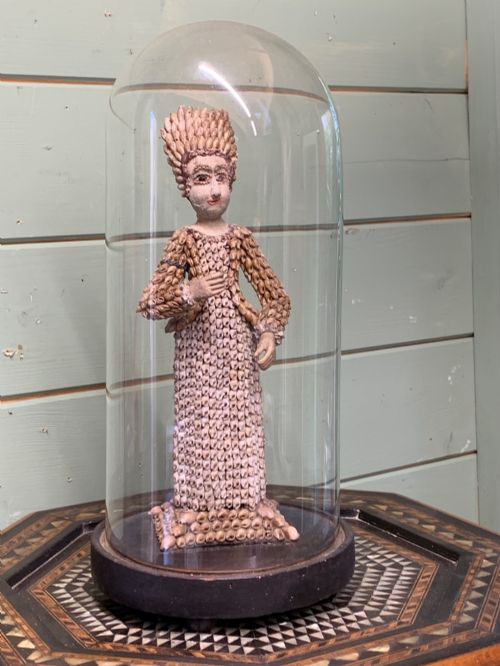
Metals such as iron, copper, brass, and sheet metal appear in structural elements and outdoor items like weathervanes, where beaten and riveted construction ensures durability against the elements. Other pieces incorporate unexpected media including carved slate, cork dioramas, seashells, and papier-mâché.
Construction techniques range from robust pegged joinery on large carousel horses and trade figures to delicate miniature carving on Welsh slate chests of drawers and Black Forest bears. This practical resourcefulness defines the physical reality of the genre.
Victorian Folk Art Sculpture Retail Price Guide 2026
Typical asking prices for victorian folk art sculpture among the pieces listed under this phrase on Sellingantiques today, from the lower quarter to the upper quarter. They describe what is for sale here now, not the wider market.
Fifteen miniature Black Forest bears stand ready to charm any room.
What separates the finest pieces
The strength of a piece rests in the confidence of its carving and the expressive directness of its form. Stronger examples display a bold, unhesitating silhouette that captures the essence of an animal or subject without relying on academic proportions.
Surface integrity plays a major role in distinction, particularly the presence of original, undisturbed paint or a deep, honest patina developed through handling and age. Pieces that retain their authentic working context, such as a weathervane with its original mounting or a trade sign with legible lettering, carry greater visual weight.
Anonymity often characterises these works, but exceptional execution elevates certain carvers or regional workshops above standard output. The finest items balance utilitarian origins with a distinct sculptural presence that commands attention in a room.
The Victorian Folk Art Sculpture Glossary
- Vernacular
- Everyday objects made by local craftsmen or self-taught makers rather than professional academic sculptors. These pieces serve functional or decorative roles rooted in regional traditions.
- Polychrome
- Painted in several colours. This describes wooden or papier-mâché figures that retain their original decorative surface pigments.
- Weathervane
- An outdoor directional device mounted on a roof, typically fashioned from sheet metal or copper. Many surviving examples function primarily as silhouette sculptures.
- Patina
- The surface sheen and colour acquired by wood, metal, or paint through age, wear, and exposure. It provides a visual record of an object's history.
- Black Forest carving
- Highly detailed wooden sculpture produced in the mountainous regions of central Europe during the nineteenth century. Bears and woodland animals are common subjects.
Victorian Folk Art Sculpture: Frequently Asked Questions
What is victorian folk art sculpture?
These sculptures are handmade decorative and functional objects produced by self-taught or local artisans during the nineteenth and early twentieth centuries.
They encompass carved animals, trade signs, weathervanes, and maritime pieces made for everyday settings rather than formal art exhibitions.
How were these sculptures used originally?
Many pieces served practical functions in rural, industrial, or coastal life, such as advertising a trade, indicating wind direction on a roof, or entertaining children as toys.
Others were decorative models, dioramas, or architectural ornaments created for domestic interiors or local displays.
How do I live with folk art sculpture?
These objects integrate easily into contemporary and traditional interiors due to their strong silhouettes and tactile materials like weathered wood and old paint.
Place them on tabletops, shelves, or walls where their sculptural forms and historic surfaces can be appreciated up close.
How can I tell the period of a piece?
Dating relies on examining tool marks, construction methods, material types, and the composition of underlying paint or surface patination.
Comparing stylistic traits with documented nineteenth-century examples helps place an object within its correct historical era.