


Victorian Fireplace Liner
These Victorian fireplace liner pieces are practical hearth essentials made to house fuel or protect grates, combining sturdy utility with period character.
Victorian Fireplace Liner
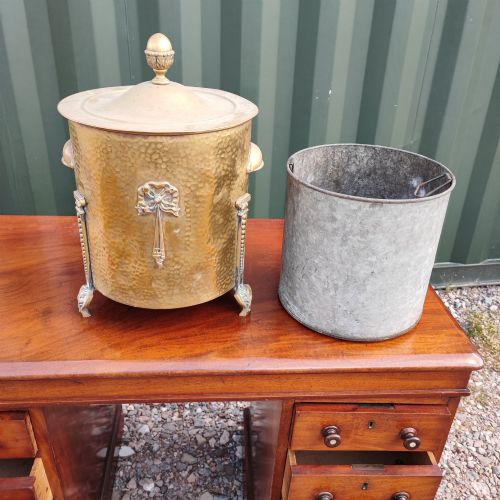
When you search for a victorian fireplace liner, you are looking at functional hearth accessories that served as internal vessels within coal scuttles, log bins, and peat buckets. Most examples encountered here originate from the Victorian and Edwardian eras, spanning the nineteenth century up to nineteen hundred.
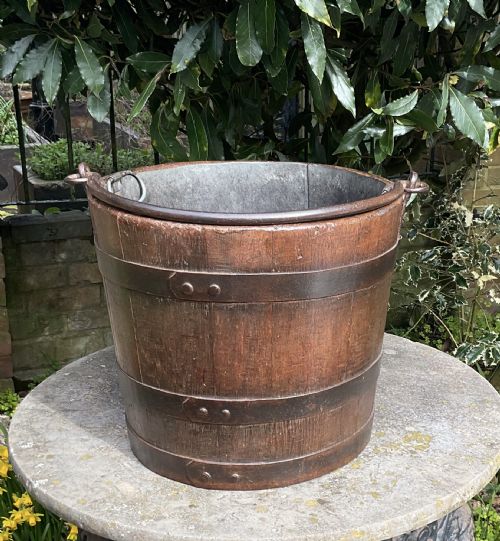
The forms range from coopered wooden buckets in mahogany, oak, and walnut to metal coal boxes and purdoniums equipped with their original removable liners. These items often accompany shovels or scoops, designed to handle solid fuel and ash near the fireplace.
Originating in periods such as the early Victorian and Edwardian years, these liners and their outer vessels reflect the domestic heating habits of British households. They bridge the gap between heavy industrial metalwork and polished parlor furniture.
How they were made
The construction relies heavily on durable metals like brass, iron, zinc, and galvanized metal for the liners themselves, ensuring they could withstand the abrasive weight of coal and peat. Artisans shaped these sheet metals to fit snugly inside wooden or metal outer containers.
Wooden outer buckets and scuttles utilise traditional coopered techniques in mahogany, oak, and walnut, bound together with brass hoops or spindle galleries. Metal components such as cast iron and silver-plated elements provide structural strength and decorative contrast.
Materials documented across the inventory include brass, mahogany, iron, oak, zinc, galvanised metal, cast iron, and walnut.
What varies in quality
The standard of a piece rests on the integrity of the original metal liner and whether it survives alongside its matching wooden or metal outer vessel. Complete sets that retain their original shovel or scoop demonstrate greater authenticity and original domestic use.
Execution in the woodworking and metalworking sets exceptional examples apart, particularly in the precision of coopered stave construction and the quality of brass mountings. Finer pieces display careful detailing in revival styles like the Arts and Crafts or Carolean movements rather than plain utility manufacture.
The Victorian Fireplace Liner Glossary
- Coopered
- A method of construction where tapered wooden staves are joined side by side and bound with metal hoops, typical of buckets and log bins. This technique ensures watertight or solid containment for fuel.
- Purdonium
- A specific type of Victorian coal box featuring a sloping front and a hinged lid designed to tip fuel forward. They frequently incorporate a removable metal liner for easy emptying.
- Galvanised metal
- Steel or iron coated with a protective layer of zinc to prevent rusting from damp fuel or ash. This material was widely utilised for utilitarian liners inside wooden buckets.
- Spindle
- A turned wooden or metal rod used as a decorative baluster or gallery detail on buckets and scuttles. They add a refined architectural element to nineteenth-century fireside items.
Victorian Fireplace Liner: Frequently Asked Questions
What did a victorian fireplace liner actually do?
The metal insert protected the wooden or decorative outer container from moisture, dirt, and scratches associated with holding coal, logs, or peat.
It allowed users to lift the fuel out easily for replenishment without moving the heavier exterior scuttle.
How do I know if the liner is original?
Look for signs of matching wear, patination, and scale that correspond precisely to the interior dimensions of the outer bucket or scuttle.
Original liners typically show appropriate period manufacturing methods and consistent age marks shared with the host piece.
Can these pieces still be used near a fireplace?
Many sturdy metal and coopered vessels remain fully capable of holding logs or kindling beside a modern or period hearth.
Care should be taken with antique surfaces to avoid moisture damage or heavy impacts from fresh fuel.
How do I distinguish Victorian from Edwardian pieces?
Victorian examples often lean towards heavier, more ornate timber construction and dark polished mahogany or walnut.
Edwardian items sometimes introduce lighter woods, simpler lines, or silver-plated enhancements reflecting changing domestic tastes.