





Victorian Firearm
A victorian firearm represents a functional piece of nineteenth-century engineering, sought after by collectors for its mechanical innovation and historic military provenance.
Victorian Firearm
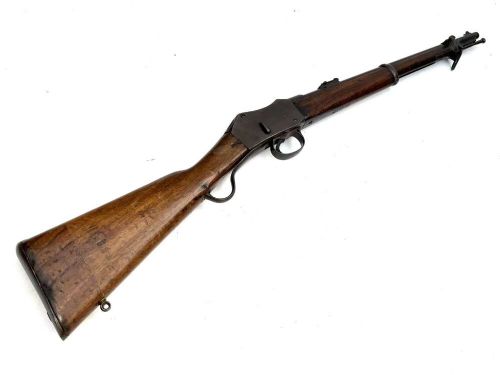
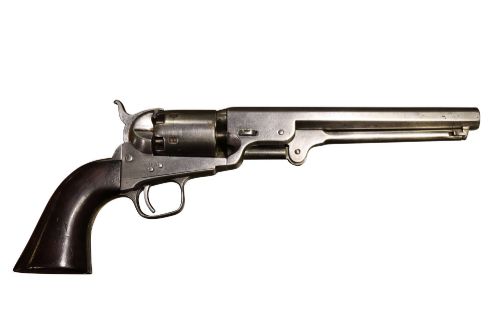
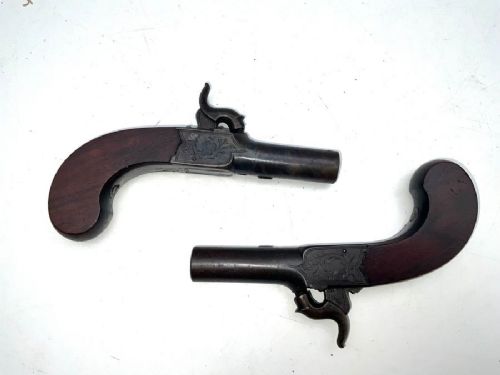
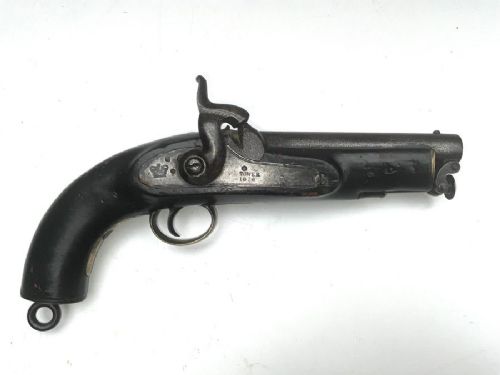
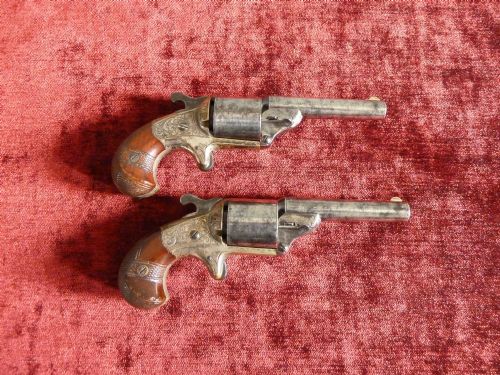
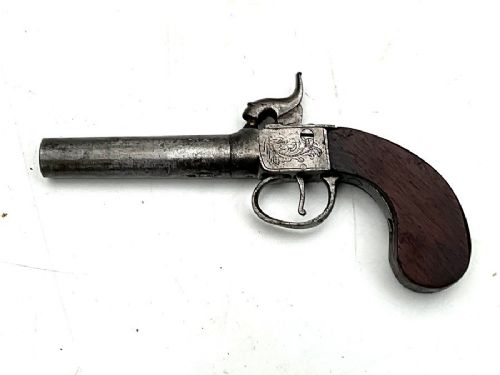
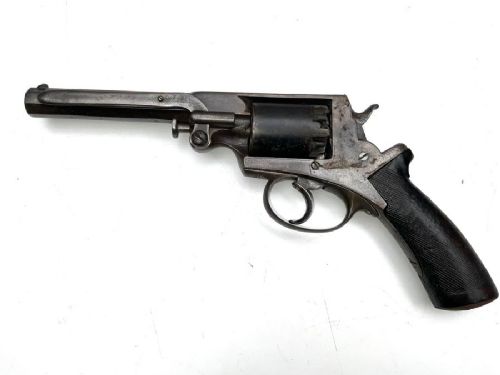
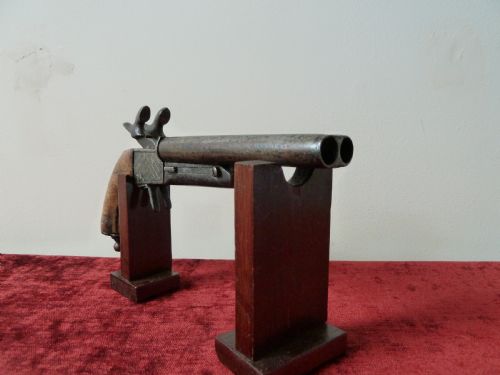
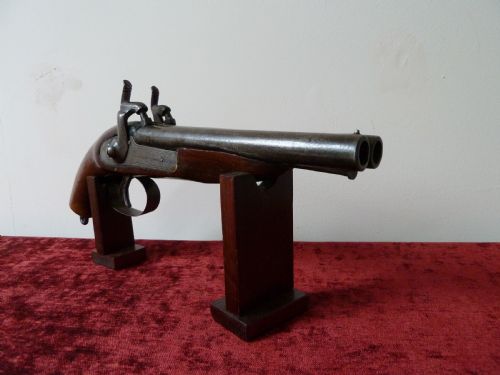
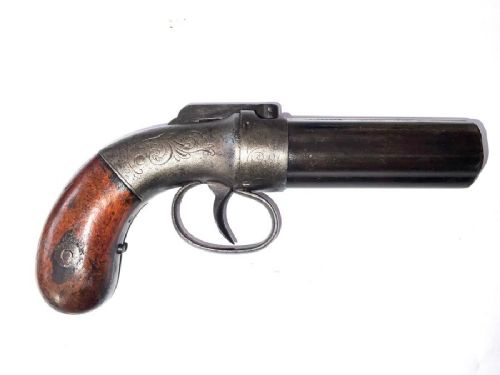
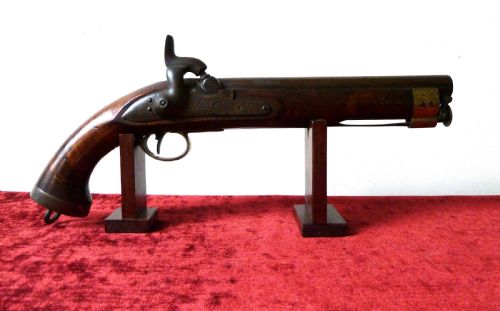
A victorian firearm encompasses a range of nineteenth-century weaponry, from pocket pistols and pepperbox revolvers to military rifles and belt pistols. These items originate predominantly from the 1850s, 1860s, and 1870s, reflecting both civilian protection and military service during the era.
The version most commonly encountered on this page is the percussion pistol or revolver, frequently paired in original cases with matching numbers or accessory kits. Military long arms such as the Enfield rifle also appear alongside naval and cavalry variants.
Materials and construction methods
Makers constructed each victorian firearm primarily using forged steel and iron for barrels and mechanisms, paired with stocks formed from dense woods such as walnut and mahogany. Brass fittings, iron trigger guards, and intricate checkering often reinforced the structure.
Casing and presentation sets incorporated supplementary materials including leather, velvet, and horn for powder flasks. Component parts were frequently stamped with proof marks and maker details to verify the origin and standard of manufacture.
Listings incorporate steel, brass, walnut, and leather across pieces originating from the nineteenth century.
Factors distinguishing standard pieces from superior examples
The caliber of engraving, crispness of metal stamps, and precision of mechanism fitting determine the standing of a victorian firearm within its category. Examples featuring matching serial numbers across components command greater attention than assembled sets.
Original fitted cases containing a full complement of matching accessories elevate the standing of a piece compared to a firearm offered alone. The retention of factory finishes and clear maker signatures similarly separates high-tier items from standard service issues.
Colt·Allen & Thurber·J.R. Cooper·Auguste Francotte·John Manton·George Sherwood
The Victorian Firearm Glossary
- Percussion
- An ignition system utilising a hammer striking a percussion cap to detonate the powder charge. This replaced earlier flintlock mechanisms during the nineteenth century.
- Pepperbox
- A multi-barrelled firearm with revolving chambers that form the barrel cluster itself, eliminating the need for a separate cylinder. These guns gained popularity for personal defence.
- Rimfire
- A metallic cartridge type where the priming compound is located within the hollow rim of the casing. The firing pin strikes this edge to ignite the propellant.
- Smoothbore
- A barrel lacking interior rifling grooves, designed for firing spherical balls or shot rather than stabilised bullets. This method applied to many traditional military and officer sidearms.
- Proof mark
- An official stamp indicating that the barrel has undergone pressure testing with a designated powder charge. These marks assist in identifying the place and date of manufacture.
Victorian Firearm: Frequently Asked Questions
How do percussion and rimfire systems differ?
A percussion firearm relies on an external hammer striking a separate cap placed on a nipple to ignite the black powder inside. This method dominated the mid-nineteenth century before self-contained cartridges emerged.
Rimfire systems integrate the priming compound directly into the base of the cartridge casing. This development allowed for faster reloading times in later pistols and rifles.
What distinguishes a pocket pistol from a belt pistol?
Pocket pistols feature shorter barrels and compact frames designed for concealed carry in clothing or small compartments. They prioritise discretion over extended range.
Belt pistols are built with slightly larger dimensions and often include a belt hook or loop for open carriage by officers or civilians. Their heavier build accommodated more powerful charges for field use.
Why do some firearms feature folding bayonets?
Folding bayonets provided close-quarters defence capability without requiring the soldier or traveller to carry a separate blade attachment. The mechanism allowed the bayonet to tuck snugly beneath the barrel when not in use.
This addition appeared frequently on mid-nineteenth-century pocket and belt pistols intended for military officers or self-defence during travel.
How are military and civilian pieces told apart?
Military specimens typically display official government inspection stamps, broad arrow marks, or unit designations such as East India Company or regimental engravings. Their finishes are utilitarian and designed for harsh field conditions.
Civilian pieces often exhibit finer checkering, decorative engraving, and private maker signatures on the lock plate or rib. They frequently arrive in fitted wooden cases with matching cleaning accessories.