



Victorian Fender Seat
A victorian fender seat is the quintessential hearthside perch, offering warmth and sturdy seating right where the family gathers.
Victorian Fender Seat
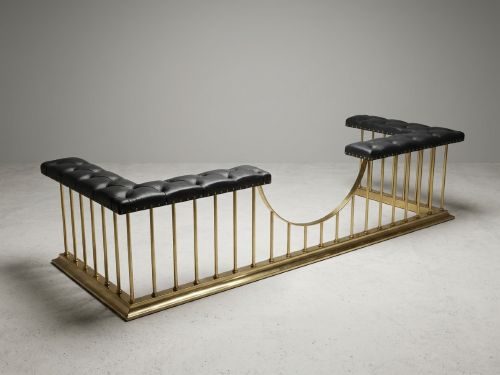
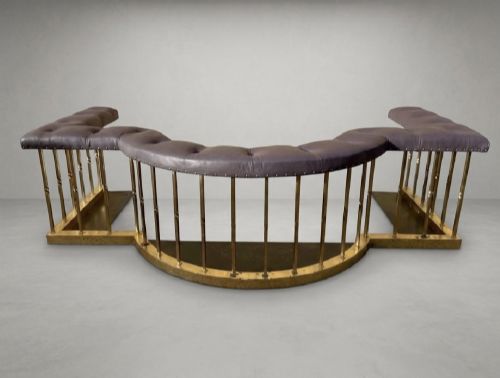
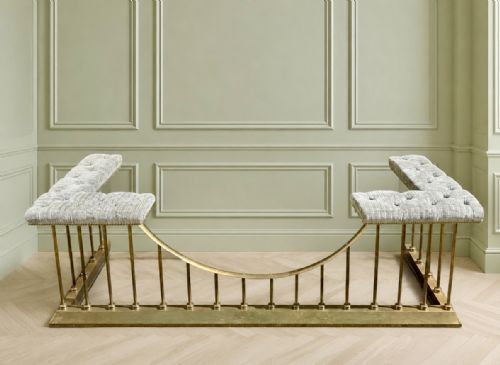
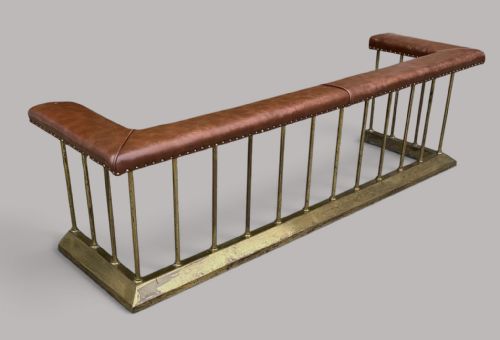
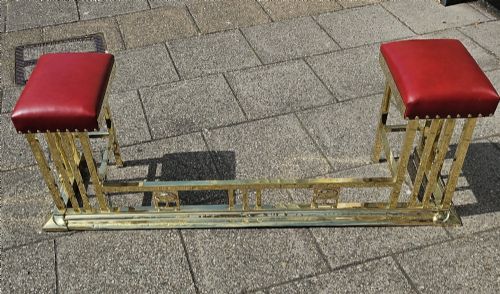
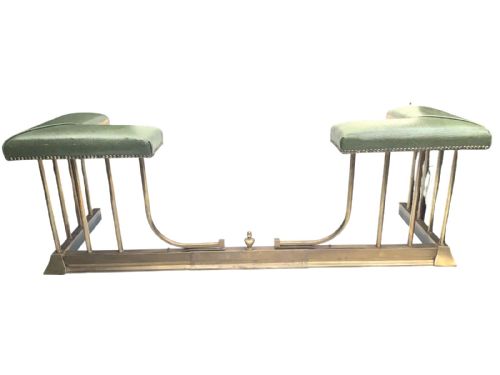
A victorian fender seat sits directly around the hearth, combining a metal frame with padded top rails for fireside resting. These pieces bridge the gap between practical fireplace guards and comfortable seating.
You will most commonly encounter substantial brass constructions alongside wrought iron and steel variations. Many examples feature upholstered tops in materials such as leather or velvet.
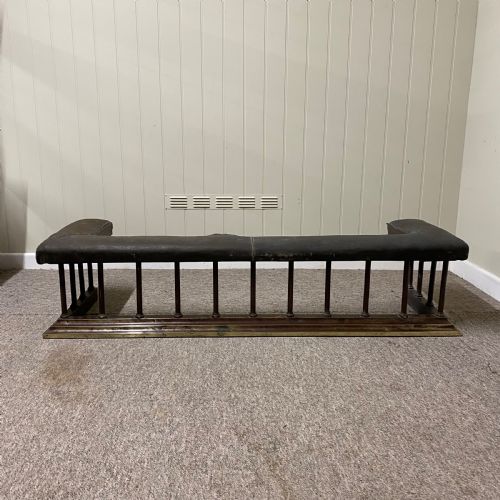
The form often incorporates extended low benches flanking the fireplace opening, designed to catch stray embers while providing a low seat close to the warmth.
Materials and construction
Makers utilised heavy structural metals like brass, copper, steel, and wrought iron to build the low frames that surround the hearth. These metals were frequently polished or combined with silvered finishes for decorative effect.
Upholstery formed the upper portion, employing durable hides like tan and green leather or plush velvet fixed over supportive padding. Wood components such as mahogany and oak occasionally appeared on specific top rails.
Construction techniques balanced load-bearing metalwork with traditional upholstery methods to ensure the frame could support seated individuals close to intense heat.
Victorian Fender Seat Retail Price Guide 2026
Typical asking prices for victorian fender seat among the pieces listed under this phrase on Sellingantiques today, from the lower quarter to the upper quarter. They describe what is for sale here now, not the wider market.
Listings demonstrate that brass is the predominant metal used for these hearth seats, frequently paired with tan or green leather.
Assessing quality
The substance of the metal frame dictates the structural integrity, with heavy cast and tubular brass or dense wrought iron representing superior weight and durability. Lighter or more decorative adaptations often lack the substantial heft of older originals.
The choice and execution of the top material distinguish finer examples, particularly where mature hides or buttoned Chesterfield upholstery are employed. Simple or replacement coverings alter the overall character significantly compared to period-appropriate leather.
The Victorian Fender Seat Glossary
- Club Fender
- A low metal frame surrounding a fireplace base equipped with padded seats along the top rails. This configuration allows occupants to sit facing the fire at hearth level.
- Chesterfield
- A style of upholstery featuring deep button tufting across the leather seat surface. This treatment adds both texture and traditional padding depth.
- Upholstery
- The padded and covered components secured to the top rails of the metal frame. It provides the soft seating surface for fireside use.
- Wrought Iron
- A tough, malleable iron form hammered and shaped by hand into decorative and structural guards. It provides a dark, robust alternative to polished brass.
Victorian Fender Seat: Frequently Asked Questions
What is a club fender?
A club fender is a metal hearth guard featuring integrated upholstered seats along the top edges. It surrounds the fireplace opening to protect the room from sparks while providing low seating.
These pieces were traditionally placed in large reception rooms and libraries to maximise warmth from an open coal or wood fire during colder months.
How do I measure for a fender seat?
Measure the width, depth, and height of your fireplace surround, allowing adequate clearance for the hearth stone and fire irons. The inner dimensions of the frame must accommodate the protruding hearth.
Take note of the clearance required for opening nearby doors, fire screens, or ash pans before selecting a specific footprint.
Are these seats comfortable?
They offer a firm, upright seating position specifically designed for gathering close to the warmth of an open fireplace. The low height places occupants directly in the path of radiant heat.
Many examples feature padded leather or velvet tops that provide adequate support for sitting during fireside conversations.
How do I maintain leather upholstery?
Keep leather surfaces clean by dusting regularly with a dry cloth and applying appropriate leather balms to prevent drying out. Avoid placing the metal and leather structure directly against excessive heat sources that could crack the hide.
Protect the material from direct sparks and embers by ensuring the hearth guard sits at a safe distance from spitting logs.