
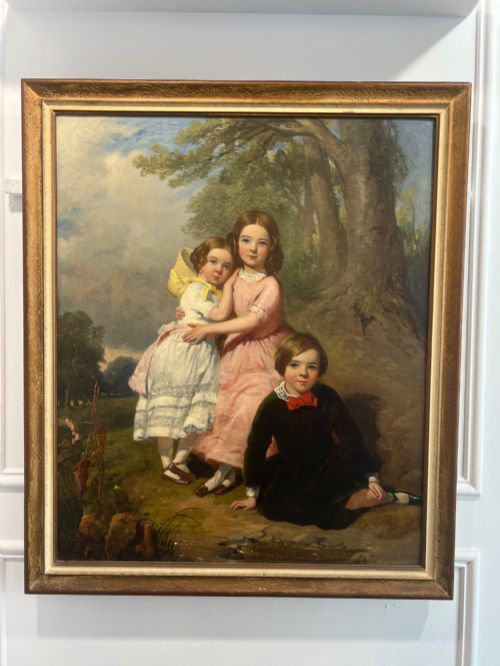


Victorian Family Portrait
A victorian family portrait records domestic ties through oil, watercolour, pastel, and silhouette.
Victorian Family Portrait
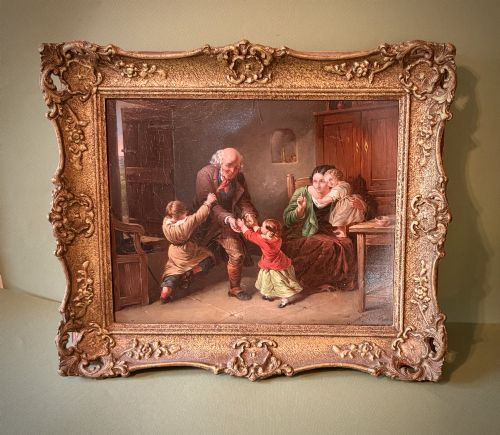
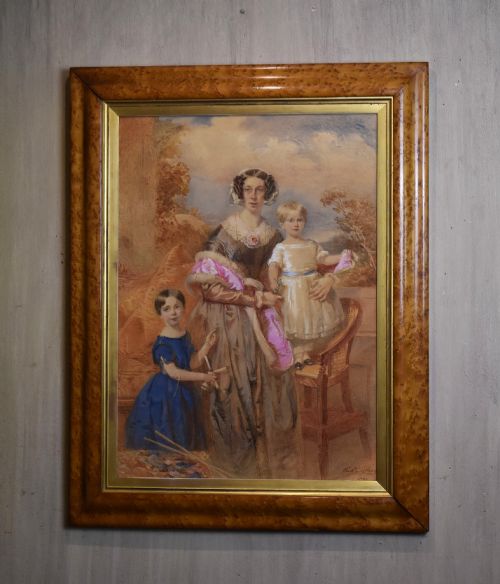
A victorian family portrait captures domestic life and lineage through various artistic mediums spanning the nineteenth century. These works range from informal interior scenes and naive watercolours to detailed oil paintings and commemorative Staffordshire figures.
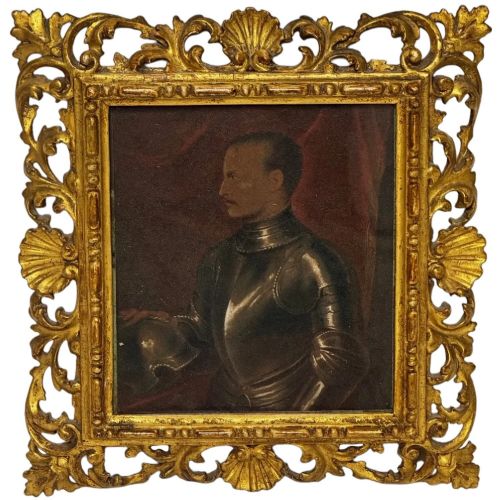
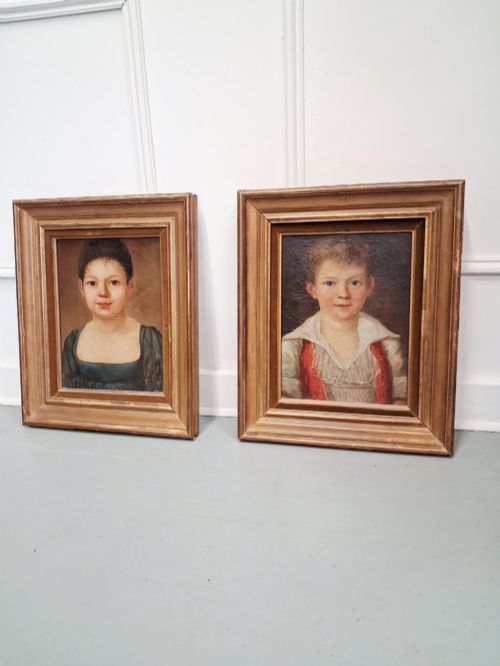
Buyers will encounter framed watercolours of children, oil paintings on panel, and silhouette conversation pieces on this page. Many examples originate from British and continental schools, depicting intimate household moments alongside royal groupings.
The selection extends from mid-nineteenth-century watercolours to Edwardian photographic frames and later interpretations. Each object preserves a specific social record, whether through commissioned canvas work or modest folk art.
How they were made
Artists employed oil paint on canvas and panel, watercolour on paper, and pastel to render these domestic subjects. Mixed media and lithography also appear among the records, utilising paper and ink.
Many flat and three-dimensional works incorporate gilt and giltwood framing to complement the painted or drawn surface. Staffordshire pottery pieces utilise moulded clay finished with hand-painted details.
Silhouettes and photographs rely on cut paper, card, and specialised framing techniques suited to domestic display. Surviving works demonstrate traditional nineteenth-century mounting and framing methods.
Goldfish and dogs frequently share domestic interior watercolours with Victorian children.
What varies in quality
The finesse of the draughtsmanship and the handling of pigment distinguish accomplished academic portraits from naive folk art pieces. Subtle lighting, proportion, and expressive detail separate sophisticated commissions from simpler domestic records.
The integrity of the original surface, including the condition of the canvas, paper, or pottery glaze, dictates the visual impact of the piece. Intricate giltwood frames and contemporary annotations provide additional context that elevates specific examples.
Frederick Tatham·William Egley·Alfred Darbyshire·Leonardo Morello·Alexander Melville·Sir William Charles Ross
The Victorian Family Portrait Glossary
- Silhouette
- A portrait profile filled in with a solid colour, usually black, cut from paper or painted. These works frequently record family groups and conversation pieces without relying on facial detail.
- Staffordshire figure
- A ceramic figurine moulded in pottery and painted with enamels, often depicting royal families or domestic subjects. These flatback figures were designed to be displayed on mantelpieces.
- Conversation piece
- An informal painting or silhouette showing a group of people engaged in conversation or common activities. These works emphasise natural domestic interaction rather than formal posing.
- Giltwood
- Wood that has been coated with gold leaf or gold paint, commonly used for nineteenth-century picture frames. This finish adds a reflective border to oil paintings and watercolours.
Victorian Family Portrait: Frequently Asked Questions
What is a victorian family portrait?
A victorian family portrait is a painting, watercolour, silhouette, or ceramic figure depicting domestic relations from the nineteenth century. These objects record the appearance and social standing of households through various artistic mediums.
The category encompasses informal folk art, commissioned oil paintings, and commemorative Staffordshire pottery groups. Each piece offers insight into historical dress and family life.
How were these portraits displayed?
Original portraits were typically hung in domestic interiors within gilt frames, or placed on mantelpieces in the case of ceramic figures. Framed photographs and silhouettes adorned parlour walls and tables. Many watercolours and miniatures were kept in personal collections or albums alongside written annotations detailing the history of the subjects.
What materials are used?
Surviving examples utilise oil paint on canvas or panel, watercolour and pastel on paper, and ink for silhouettes. Frames are frequently constructed from wood with gilt or giltwood finishes. Ceramic figures employ Staffordshire pottery, while photographic pieces incorporate glass and wood within hinged folding frames.
How do I identify the period?
Dating relies on costume details, artistic styles, and contemporary annotations found on the reverse of frames or mounts. References to nineteenth-century royalty and specific artistic movements help anchor the timeline. Materials such as early paper, unlined canvas, and period framing techniques also assist in determining the age of the artwork.