


Victorian Electroplated Tray
A victorian electroplated tray brings nineteenth-century hospitality to the modern table, offering gleaming silver surfaces without the heft or cost of solid metal.
Victorian Electroplated Tray
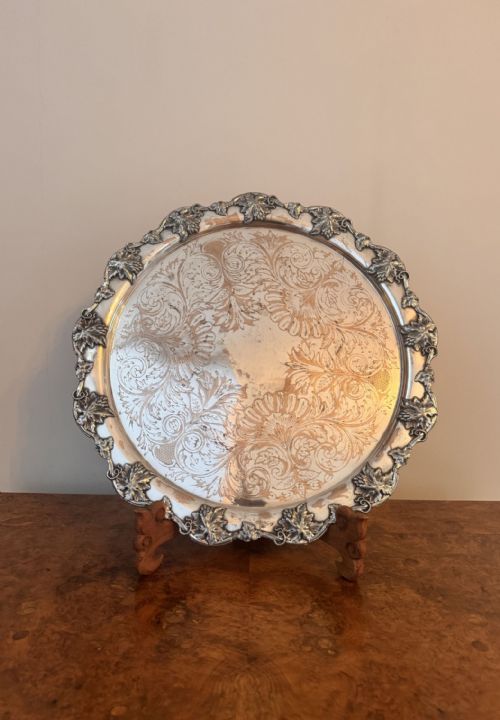
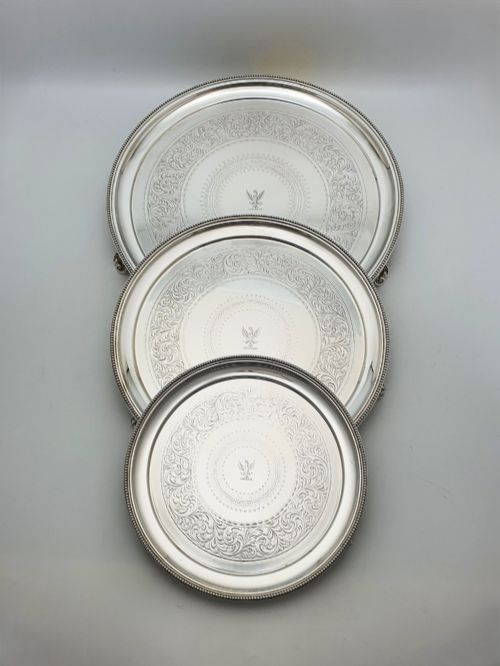
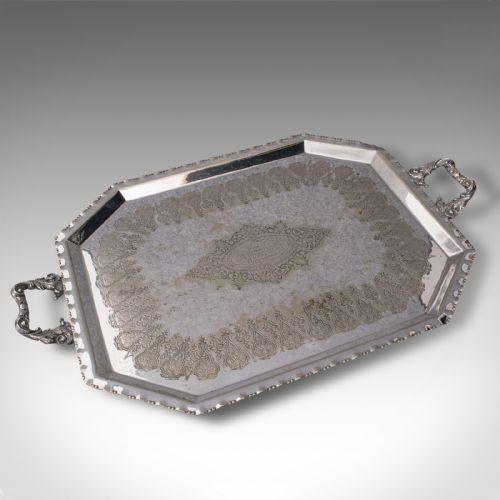
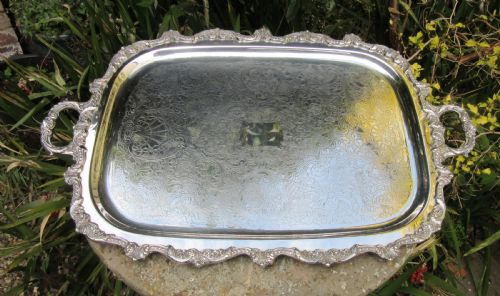
A victorian electroplated tray is a serving piece from the nineteenth century, most often taking the form of a circular tray, salver, charger, or serving dish. These items appear across various decades of the Victorian period, frequently associated with afternoon tea or formal dining.
The objects span multiple functional categories, including serving trays, platters, and entrees, often featuring detailed floral engraving upon the plate. Buyers will encounter both simple serving dishes and decorative chargers meant to impress guests.
Originating in England during the nineteenth century, these pieces demonstrate the widespread adoption of electroplating technology for domestic tableware. They bridge the gap between utilitarian serveware and decorative home accessories.
Materials and Manufacture
These items are constructed from base metals such as nickel silver and metal, which serve as the sturdy foundation for the plating process. The application of electroplating deposits a thin layer of silver over this base material.
Maker craftsmanship shows in the chased and engraved floral decoration adorning the surface of chargers, salvers, and serving dishes. Artisans combined durable metallic cores with intricate hand-finished detailing to achieve a luxurious appearance.
Asparagus dishes required specialised nineteenth-century tongs so diners could partake without getting butter on their cuffs.
Assessing Quality
Quality rests upon the crispness of the engraved floral patterns and the proportional balance of the tray or salver. Pieces from distinguished makers exhibit superior execution in their handles, borders, and decorative motifs.
The integrity of the silver plate over the underlying nickel silver or base metal dictates the overall standard of the object. Heavier proportions and generous dimensions generally signal a higher grade of manufacture intended for affluent Victorian households.
Elkington·Walker and Hall·Fenton Russel
The Victorian Electroplated Tray Glossary
- Electroplate
- The process of depositing a layer of silver onto a base metal using an electrical current. This technique revolutionised nineteenth-century tableware production.
- Salver
- A flat tray, typically with a raised rim and supported by small feet, used for serving drinks or presenting cards. These circular pieces often feature ornate engraving.
- Charger
- A large decorative plate placed underneath other dinnerware during formal meals or displayed on walls. Victorian examples frequently showcase floral designs.
- Entree dish
- A covered serving vessel designed for holding specific courses during a multi-course Victorian meal. They often appear as matched pairs.
- EPNS
- Electroplated Nickel Silver, a common alloy base coated with a thin layer of silver. It provided a durable and affordable alternative to solid silver.
Victorian Electroplated Tray: Frequently Asked Questions
What is a victorian electroplated tray used for?
These trays were originally utilised in nineteenth-century households for serving afternoon tea, drinks, or various food dishes during formal gatherings.
Today, collectors use them both as functional serving pieces and as decorative table or sideboard accents.
How do I clean an electroplated tray?
Cleaning requires a soft cloth and a specialised silver polish formulated for plated items to avoid wearing away the thin silver layer.
Harsh abrasives and chemical dips must be avoided entirely to preserve the original metal finish and engraved details.
How can I tell the age of these trays?
Dating relies on stylistic clues such as the complexity of the floral engraving, the specific form of the serving dish, and any associated maker marks.
Pieces originating from the nineteenth century often bear stamps or hallmarks that point to specific decades like the 1860s or 1890s.
Are these trays made of solid silver?
No, these items consist of a base metal or nickel silver foundation covered by a thin coating of silver applied through electroplating.
This method allowed nineteenth-century manufacturers to produce luxurious tableware that looked like solid silver at a fraction of the weight and expense.