




Victorian Dress Pin
These victorian dress pin examples are wearable pieces of history, prized for intricate stones and precious metals that elevate any modern lapel.
Victorian Dress Pin
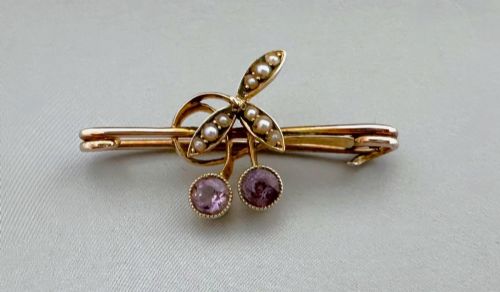
A victorian dress pin encompasses various forms from the nineteenth century, most commonly appearing as bar brooches or fastening pins. These ornaments range from modest silver designs to elaborate cluster brooches set with diamonds, rubies, and pearls.
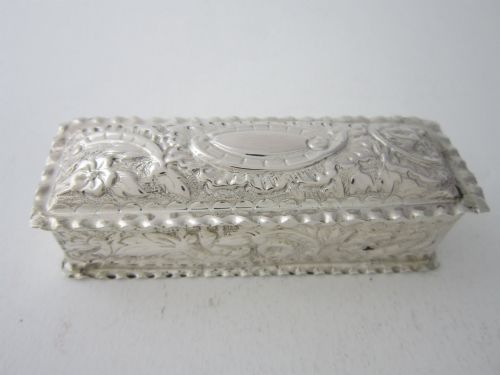
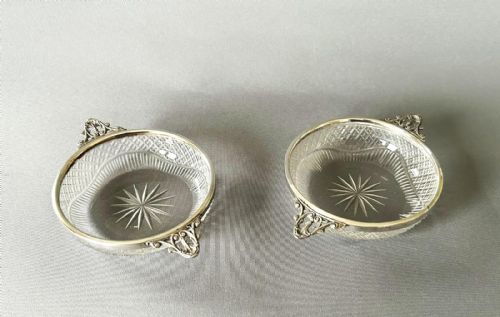
The selection includes pieces spanning the late Victorian era into the Edwardian period, alongside related silver boxes and trays designed for dressing tables. Scottish revival and French regional styles also emerge within these wearable forms.
Buyers seeking a victorian dress pin often encounter floral motifs, foliate designs, and animal subjects executed in gold and silver. These versatile accessories served both decorative and practical purposes in period attire.
Materials and Manufacture
Maker workshops utilised sterling silver, 9ct gold, 15ct gold, and 18ct gold as the primary foundations for mounting gemstones. Precious metals were worked into delicate floral bars, swirls, and intricate basket-hilted broadsword shapes.
Lapidaries set old-cut diamonds, rubies, almandine garnets, sapphires, pearls, and paste stones directly into the metalwork. Foliate motifs and bird subjects demonstrate meticulous hand-assembly typical of nineteenth-century bench work.
Victorian Dress Pin Retail Price Guide 2026
Typical asking prices for victorian dress pin among the pieces listed under this phrase on Sellingantiques today, from the lower quarter to the upper quarter. They describe what is for sale here now, not the wider market.
Listings feature 15ct gold alongside standard sterling silver, reflecting the higher alloy standards common before the introduction of 9ct dominance.
Assessing Quality
Quality rests upon the crispness of the chasing and the precision with which stones are secured into their bezels or claw settings. Superior examples display balanced proportions between the precious metal and the gemstones.
The integration of multiple materials, such as combining gold and silver on brooch faces to enhance diamond brilliance, separates standard production from finer workshop output. Hallmarks and maker marks add historical certainty to the physical build.
William Hutton·William Comyns·H Matthews
The Victorian Dress Pin Glossary
- Bar brooch
- A narrow horizontal pin format popular for securing collars or lapels. These pieces often feature central gemstone clusters or floral motifs.
- Almandine garnet
- A deep red variety of garnet commonly utilised in Victorian jewellery. Cut flat or en cabochon, these stones capture rich hues under candlelight.
- Paste
- Hand-cut lead glass used to imitate precious gemstones in antique jewellery. High-grade paste demonstrates sharp facets and considerable brilliance.
- Trinket box
- A small lidded container fashioned from silver, ceramic, or glass for storing personal ornaments. These vanity items frequently share decorative motifs with matching dress pins.
Victorian Dress Pin: Frequently Asked Questions
How were victorian dress pins worn?
Victorians pinned these ornaments to lace collars, lapels, shawls, and heavy winter coats. They served both as decorative focal points and functional fasteners for garments.
Heavier brooches required sturdy fabric support to prevent sagging. Lighter bar pins sat easily on delicate silks and cottons.
What metals are typical in these pins?
Makers most frequently worked in sterling silver, 9ct gold, 15ct gold, and 18ct gold. Combinations of gold and silver appeared often to mount white stones securely.
Solid silver-gilt also occurs, providing a rich golden surface over solid silver foundations. Hallmarks often assist in confirming the exact metal standard.
How do I care for antique pins?
Store pins in dry, padded containers away from direct sunlight and moisture. Avoid harsh chemical dips, especially when dealing with pearls, paste, or foil-backed stones.
Clean metal gently with a soft microfibre cloth. Professional checks on claw settings ensure gemstones remain secure during occasional wear.
Are these pieces marked with dates?
Some items carry English silver hallmarks providing specific assay office years. Others rely on stylistic evidence, construction techniques, and historical context for dating.
Detailed inspection of the pin stem and hinge can also indicate the manufacturing period. Unmarked gold pieces are typically dated by their overarching design style.