



Victorian Door Fittings
Victorian door fittings offer solid metalwork and period character to lift an ordinary entrance.
Victorian Door Fittings
Victorian door fittings encompass heavy brass knockers, bell pulls, hinges and push plates designed to grace period properties. You will find items spanning the 19th century alongside earlier Georgian examples and later Edwardian pieces.
The most common pieces appearing in this category are brass door knockers in figural or urn shapes, alongside functional brass hinges and mechanical bell pulls. Domestic hardware dominates, though commercial letter boxes and push plates also emerge.
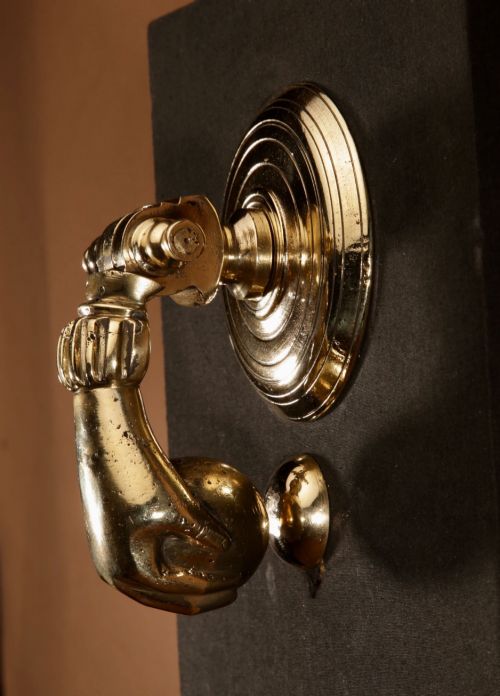
Makers such as Kenrick & Sons supplied durable cast hardware that survives in robust condition today. Collectors often seek out specific animal motifs like the Maltese dolphin or the hand-shaped knocker.
How they were made
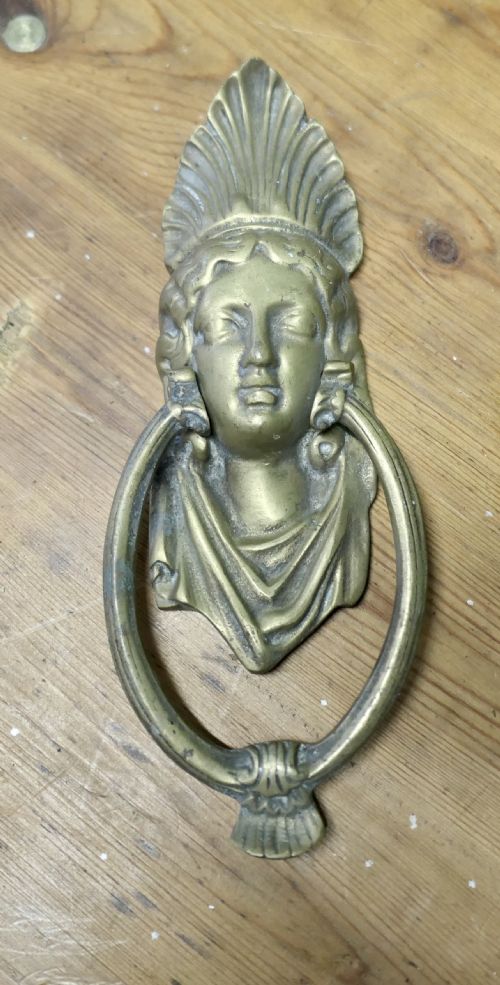
Foundry workers cast solid brass and bronze in moulds to create complex shapes like caryatids, dolphins, and ornate hinges. Subsequent hand finishing ensured clean lines and detailed relief work on the metal surface.
Makers integrated ceramic porcelain inserts into press door bells and paired cast brass with iron mechanisms for door bell pulls. Wood components appear on related cabinetry, but metal remains the primary medium for these fittings.
Victorian Door Fittings Retail Price Guide 2026
Typical asking prices for victorian door fittings among the pieces listed under this phrase on Sellingantiques today, from the lower quarter to the upper quarter. They describe what is for sale here now, not the wider market.
Materials in this selection focus on solid brass, bronze, and enamel, spanning the Georgian, Victorian, and Edwardian periods.
What varies in quality
Casting depth and crispness of detail separate standard utility hardware from exceptional decorative pieces. Sharp relief on figural knockers indicates a superior primary mould and careful chasing after casting.
Completeness of original mechanisms and matching striking plates determines the integrity of bell pulls and hinges. Heavier gauge brass and intact porcelain elements elevate the standing of any individual fitting.
Kenrick & Sons
The Victorian Door Fittings Glossary
- Bell pull
- A mechanical lever or handle mounted beside a door to ring a remote bell inside the house. These often feature ornate brass backplates and swivel arms.
- Caryatid
- A sculpted female figure serving as an architectural support or decorative handle. In door fittings, this appears as the main grip of a knocker.
- Striking plate
- The metal plate mounted on the door frame where the knocker hammer makes contact. It protects the wood from repeated impacts.
- Push plate
- A flat metal or enamel plate fixed to a door to protect the surface from fingerprints and wear. They often display decorative borders or text.
- Finial
- A decorative ornamental termination at the top or bottom of a hinge barrel. Acorn and urn shapes are common variations.
Victorian Door Fittings: Frequently Asked Questions
How do I clean old brass?
Warm soapy water and a soft brush remove surface dirt without stripping the historic patina. Avoid harsh chemical polishes that remove fine detail from cast relief.
Patina indicates age and handling over generations, so many collectors prefer to leave the metal unpolished. Gentle maintenance preserves both the finish and the value.
Are these fittings suitable for modern doors?
Most items use standard screw fixings that align easily with contemporary wooden doors. Measuring the backplate dimensions ensures the hardware covers existing marks.
Robust construction means these pieces function reliably for daily use. Bell pulls may require matching mechanical wire systems inside the property to operate.
How do I date a door knocker?
Stylistic clues such as Gothic Revival pointed arches or Art Nouveau curves point directly to specific decades. The weight of the cast brass and screw types offer further chronological context.
Georgian examples tend to feature classical urn motifs, while Victorian pieces often explore animal forms and figural designs. Comparing the casting quality with documented foundry catalogues confirms the era.
What is a striking plate used for?
The striking plate receives the impact of the knocker hammer every time a visitor announces their arrival. It prevents the wooden door surface from denting or splitting under repeated blows.
Matching the plate finish to the knocker ensures a cohesive appearance on the entrance. Many surviving sets include the original plate alongside the main handle.