

Victorian Dining Plates
Victorian dining plates gather the service of nineteenth-century tables, bringing silver plate, cut glass and ornate styling to formal meals.
Victorian Dining Plates
Victorian dining plates encompass the metalware, serveware and table appointments used during formal meals in the nineteenth century. Buyers searching this phrase encounter a mix of silver plated items, candelabras, cruet sets and serving pieces originating from the Victorian and Edwardian periods.
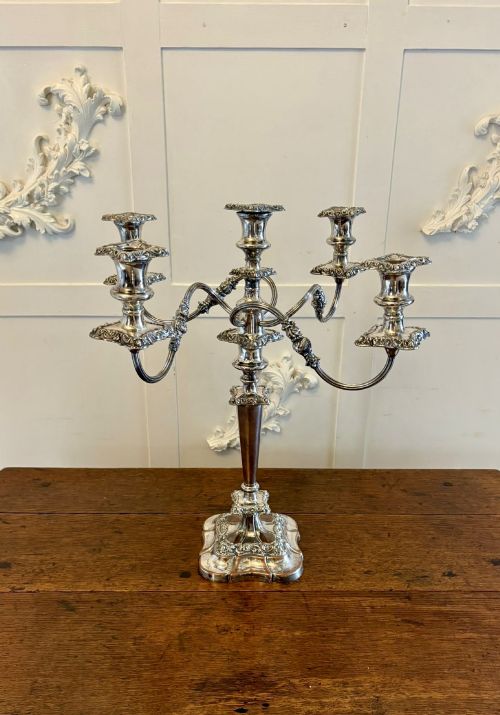
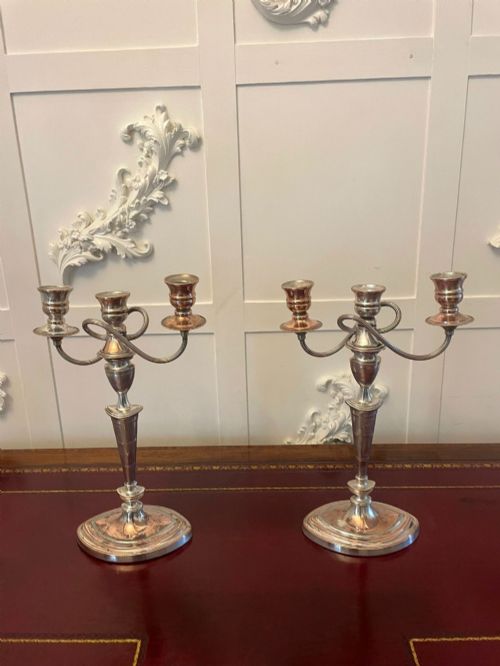
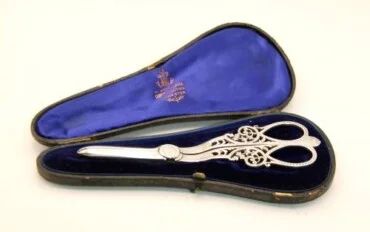
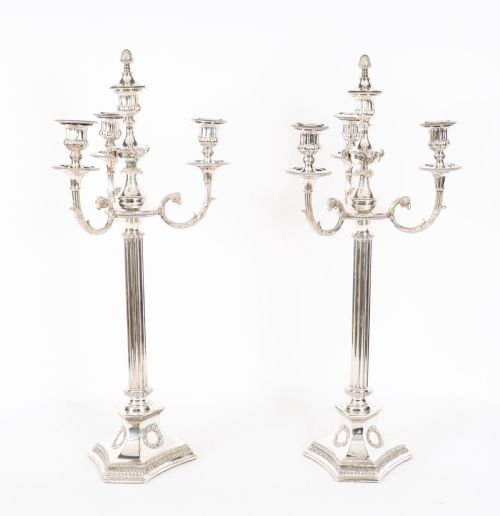
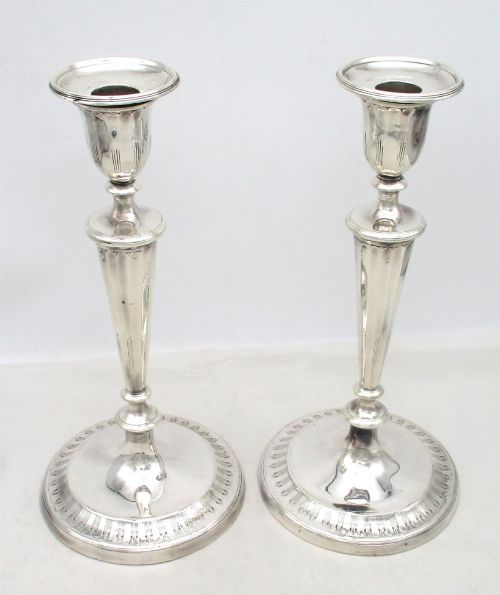
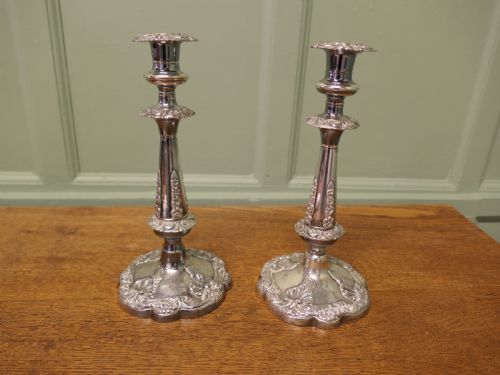
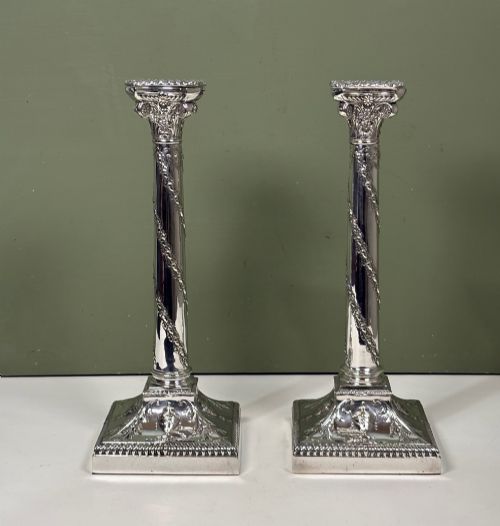
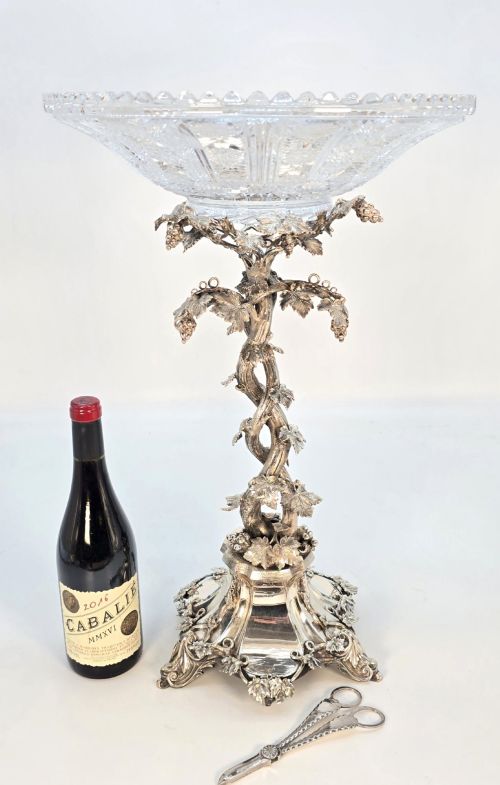
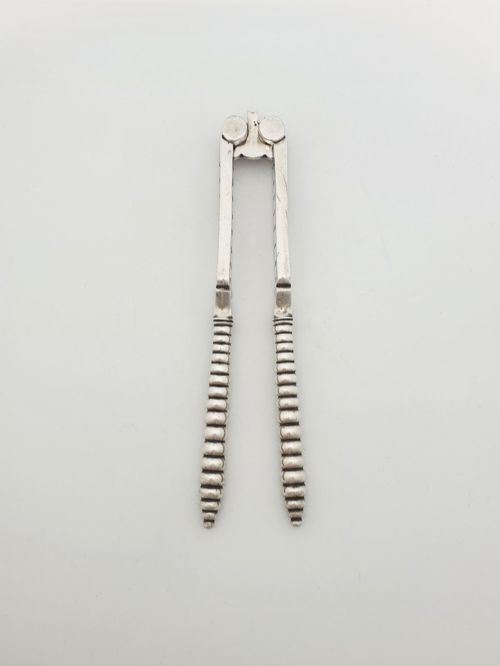
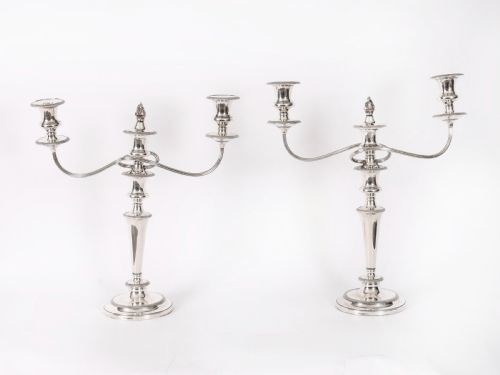
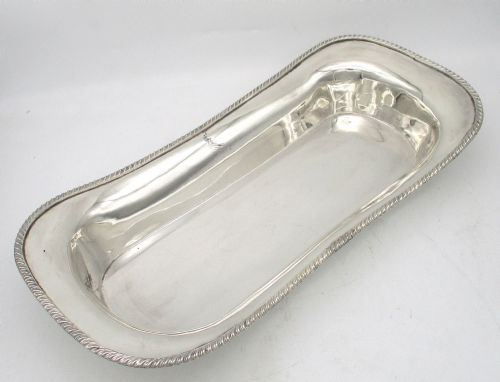
The most common items appearing on the page include silver plated candlesticks, table centrepieces, knife rests, wine coasters and various serving utensils. These pieces reflect the elaborate dining customs of the era, spanning styles from Victorian Rococo Revival to Classical and Egyptian Revivals.
Materials and methods
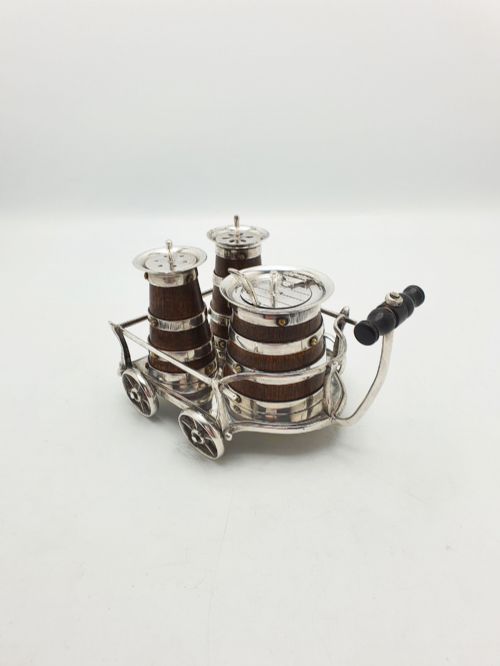
Manufacturing relied heavily on base metal coated with silver plating, alongside Sheffield plating techniques and EPNS. Makers combined these metallic surfaces with cut glass liners, oak barrels and mother-of-pearl handles to achieve durable yet decorative utility items.
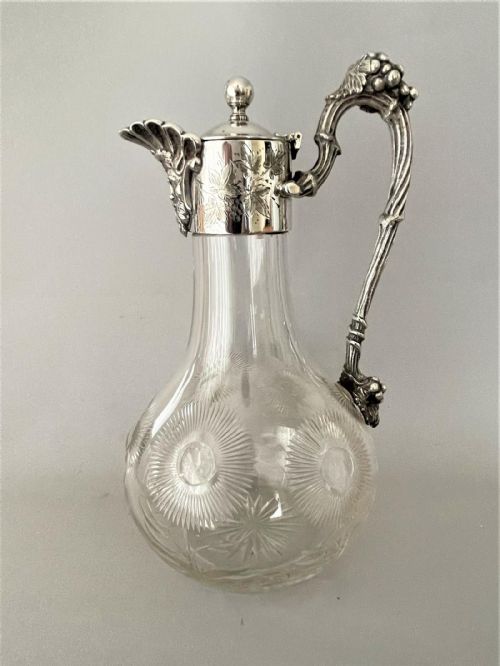
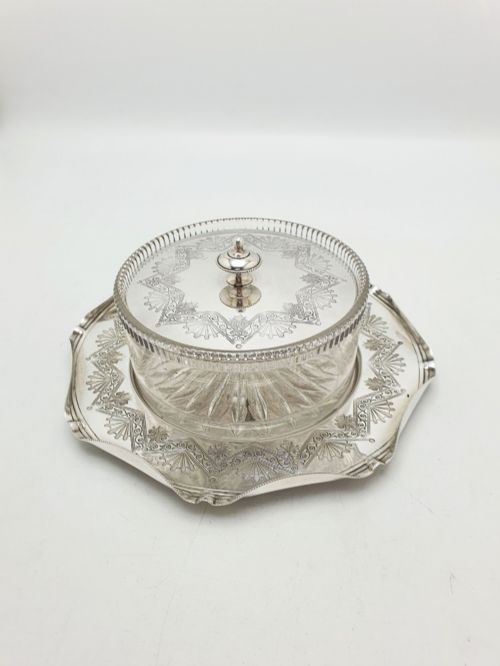
Detailing often involved casting, engraving and etching, particularly on glass inserts and metal mountings. Artisans utilised styles such as Neoclassical and Victorian Novelty to shape everyday dining accessories into sculptural forms.
Victorian Dining Plates Retail Price Guide 2026
Typical asking prices for victorian dining plates among the pieces listed under this phrase on Sellingantiques today, from the lower quarter to the upper quarter. They describe what is for sale here now, not the wider market.
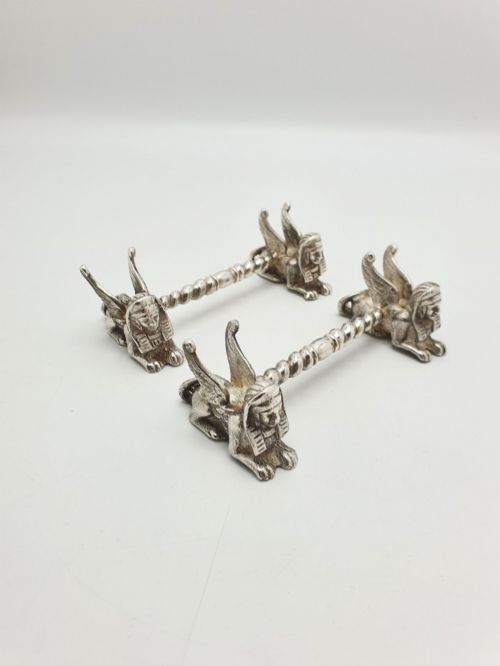
Nautilus shell spoon warmers and sphinx knife rests bring fantastical creatures to the dining table.
Distinctions in craftsmanship
Quality diverges between mass-produced items and workshop pieces that bear distinct maker attribution or heavier silver plating layers. Heavier gauge metal, crisp casting definition on ornamental motifs and intact glass elements elevate individual examples.
Design complexity also marks the distinction, as ornately chased surfaces and matched sets require greater skill than plain utility wares. The integration of contrasting materials, such as combination pieces using cut glass and silver plate, demonstrates higher tier production.
Garrard & Co·Smith & Sissons & Co·Walker & Hall
The Victorian Dining Plates Glossary
- Silver Plate
- A base metal substrate coated with a thin layer of silver through chemical or electrochemical processes. This technique allowed domestic items to mimic solid silver at a lower cost.
- EPNS
- Electroplated Nickel Silver, a common base metal alloy of copper, nickel and zinc plated with silver. It became the industry standard for durable tableware from the mid-nineteenth century onward.
- Cruet Set
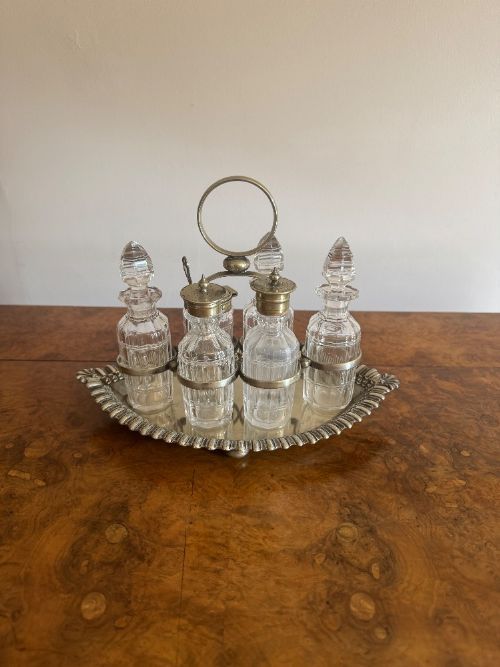
- A matched collection of glass bottles or jars held in a metal frame for dispensing condiments, oil, vinegar, salt and pepper at the dining table.
- Candelabra
- A multi-branched candlestick designed to hold several candles simultaneously, often utilised as a central table decoration.
- Cloche
- A domed cover placed over food to maintain temperature and protect dishes prior to service, frequently rendered in silver plate during the period.
Victorian Dining Plates: Frequently Asked Questions
What periods do these items cover?
The pieces span primarily through the nineteenth and early twentieth centuries, encompassing Victorian and Edwardian production.
Dates recorded in listings extend from the mid-nineteenth century up to the Edwardian era, capturing shifts in decorative arts across several decades.
How were these serveware items used?
Dining accessories served specific functional roles during formal multi-course meals, ranging from lighting to condiment dispensing and meat presentation.
Hosts utilised cruet sets for seasonings, knife rests to protect table linens between courses, and elaborate centrepieces to anchor the tablescape.
What materials predominate in these pieces?
Silver plate and EPNS form the structural core of the majority of these dining accessories, providing a uniform metallic finish.
Combinations frequently incorporate cut glass inserts, oak wooden elements, velvet linings and mother-of-pearl handles to add texture and utility.
How do revival styles help date items?
Styles reflect the historical revivals popular during the nineteenth century, including Classical, Neoclassical and Egyptian Revival motifs.
Recognising these aesthetic movements assists in categorising pieces alongside more direct Victorian Rococo Revival patterns.