




Victorian Decanter Case
These Victorian decanter cases secure your finest spirits and glass vessels behind locked wood and leather.
Victorian Decanter Case
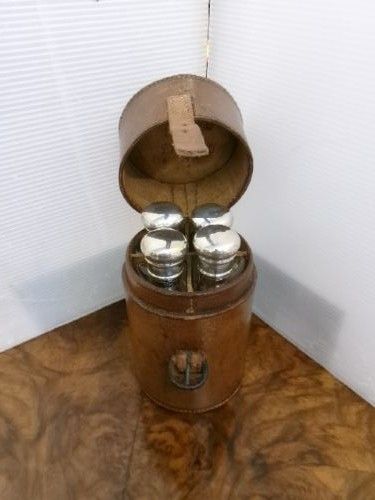
A Victorian decanter case provides a secure, portable housing for glassware and spirits, designed to protect fragile bottles during travel or display in a home. These fitted boxes range from leather-bound flasks to heavy timber cabinets.
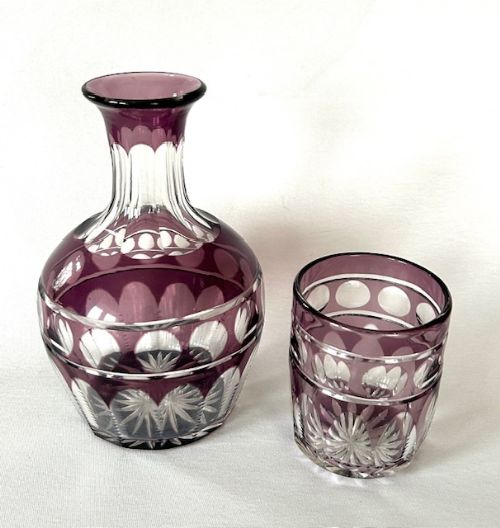
The versions most commonly met on this page are constructed from rich timbers like coromandel and oak, frequently housing cut glass decanters or silver-topped flasks. They span the nineteenth century, including specific pieces from the eighteen-eighties and eighteen-seventies.
Makers of the period adapted these vessels into varied forms, encompassing tantalus sets, combination scent bottle caskets, and round leather cases. Each configuration reflects the nineteenth-century preference for orderly, locked hospitality.
How they were made
Cabinet makers utilised dense hardwoods such as coromandel and oak to form the exterior shell, often applying marquetry stringing and brass mounts to reinforce the corners and hinges. This construction ensured the heavy glass contents remained stable during use.
Interior storage spaces were meticulously fitted with velvet or leather linings to cradle individual cut glass decanters, carafes, and silver-topped flasks. These bespoke partitions kept fragile vessels from shifting and colliding.
Victorian Decanter Case Retail Price Guide 2026
Typical asking prices for victorian decanter case among the pieces listed under this phrase on Sellingantiques today, from the lower quarter to the upper quarter. They describe what is for sale here now, not the wider market.
Some cases double as scent bottle and jewellery caskets, proving Victorians liked to smell nice while pouring a drink.
What varies in quality
The choice of exterior timber and secondary materials dictates the primary grade of a case, with exotic woods like coromandel commanding greater attention than plain oak. Finer examples integrate precision brass hardware and complex internal mechanisms.
The quality of the internal glasswork creates a further distinction, where heavy cut crystal and matched silver-topped flasks elevate an ordinary drinks box into a piece of exceptional craftsmanship.
The Victorian Decanter Case Glossary
- Tantalus
- A locking drinks cabinet that exposes the decanters while preventing them from being removed without a key. This clever device frustrated thirsty guests in nineteenth-century drawing rooms.
- Coromandel
- A dense, heavily figured Southeast Asian timber prized for dark brown grain and contrasting stripes. Cabinet makers utilised it extensively for luxury Victorian boxes.
- Marquetry
- The art of applying decorative pieces of veneer to a structure to form intricate patterns. This technique frequently embellished the exterior of finer oak cases.
- Cut crystal
- Glassware shaped and patterned through abrasive wheel cutting to refract light. It forms the primary drinking vessel inside many nineteenth-century drinks boxes.
Victorian Decanter Case: Frequently Asked Questions
What is a Victorian decanter case?
A Victorian decanter case is a fitted wooden or leather box designed to store and lock away glass decanters and drinking vessels.
These pieces protected delicate glassware from damage while keeping spirits secure from unauthorized access in the home.
How were these cases used?
Hosts utilised them in dining rooms and studies to serve wine and spirits to guests during the nineteenth century.
The lockable design allowed homeowners to safeguard expensive imported beverages and crystal glassware when not entertaining.
What woods appear most often?
Oak and coromandel dominate the surviving examples on this page, reflecting popular nineteenth-century cabinet-making choices.
These durable hardwoods provided a sturdy structural frame capable of supporting heavy glass decanters and metal mounts.
How do you date a case?
Dating relies on examining the construction methods, lock mechanisms, and prevailing stylistic influences such as Gothic or Sheraton revival.
Specific periods are further identified through the distinct cut of the internal glassware and the choice of exterior veneers.