

Victorian Curio
A Victorian curio brings together small, intriguing domestic objects and the specialised cabinets built to house them.
Victorian Curio
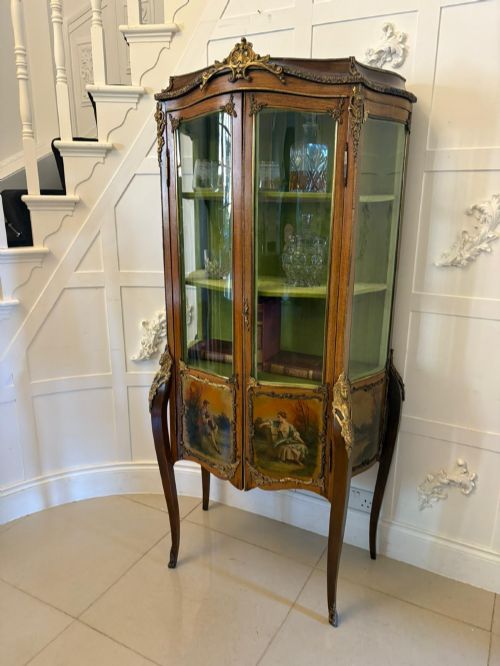
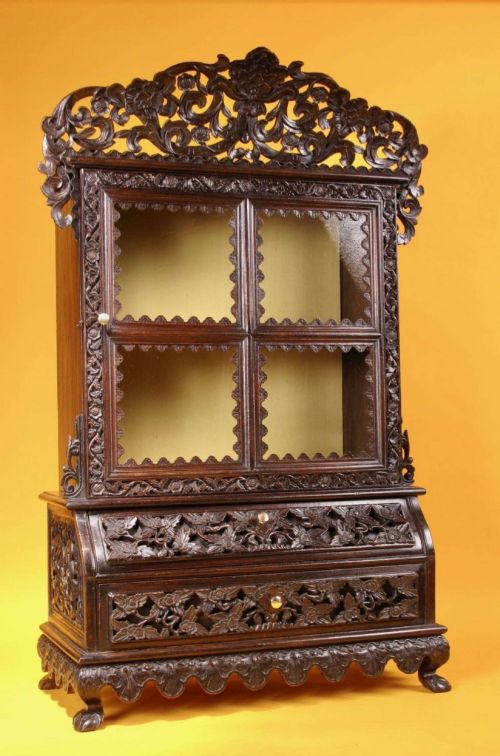
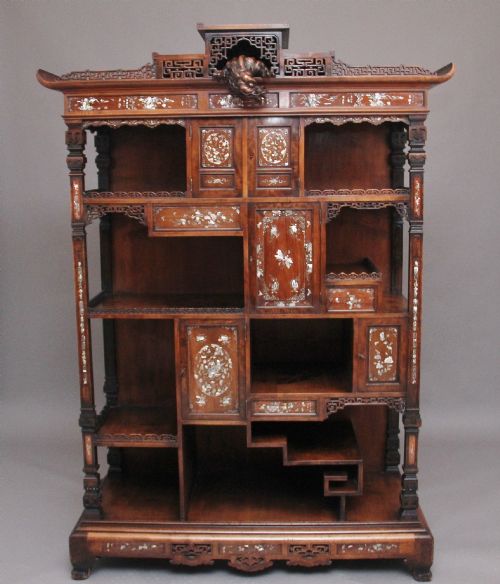
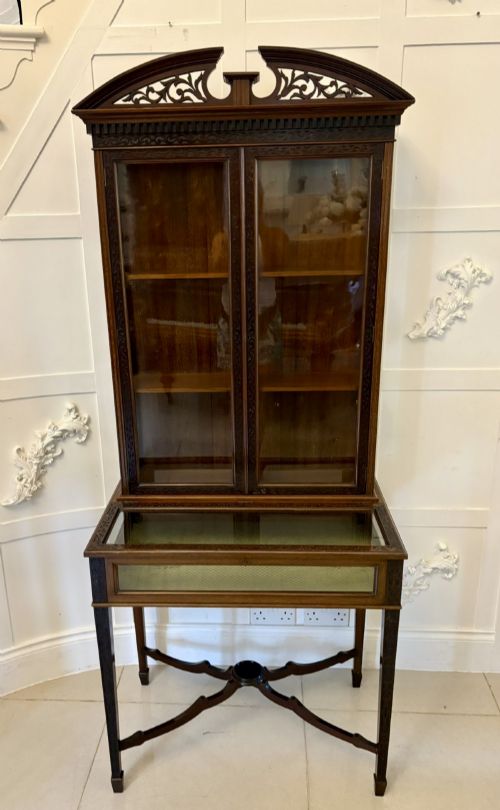
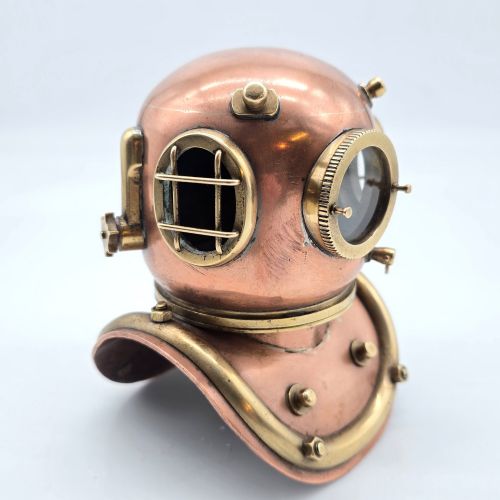
A Victorian curio encompasses a diverse range of domestic items, including small decorative objects, folk art, vesta cases, and display cabinets designed to hold them. These pieces span the nineteenth century and the Edwardian era, showing both British craftsmanship and continental influences.
Materials and construction
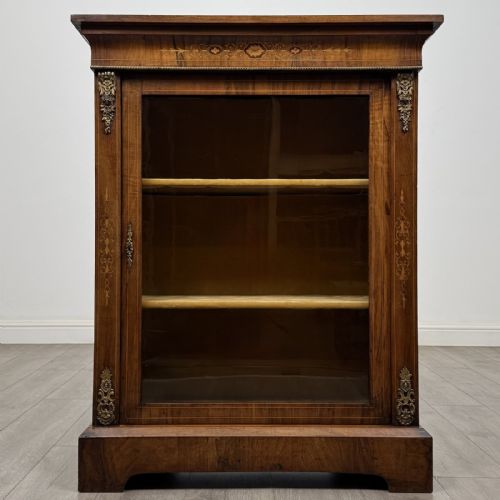
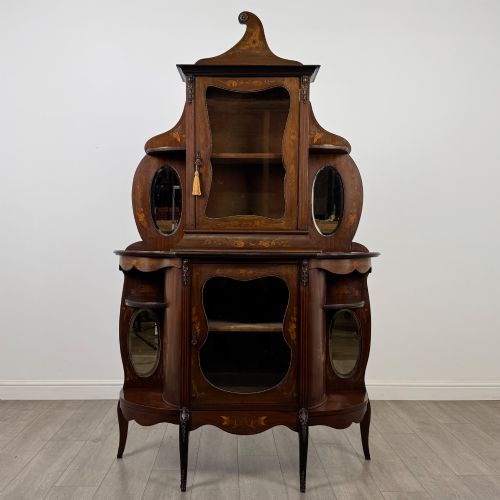
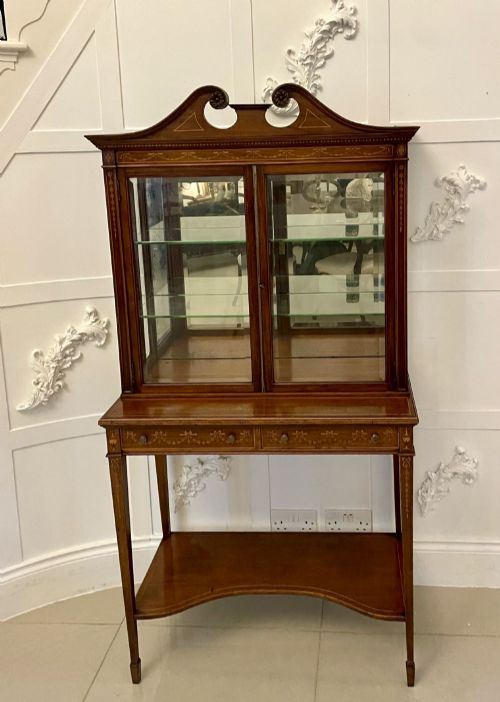
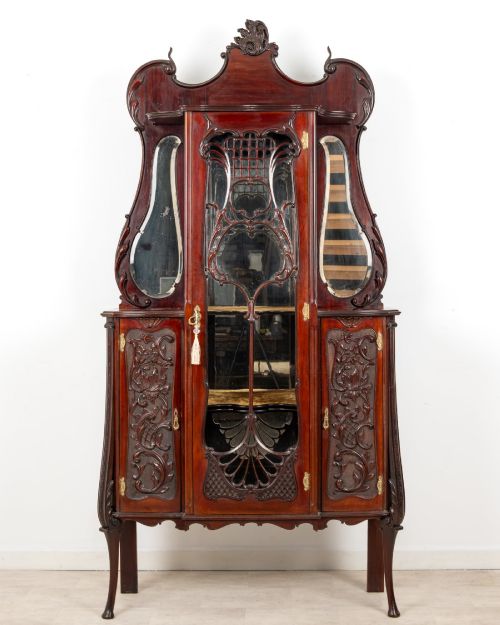
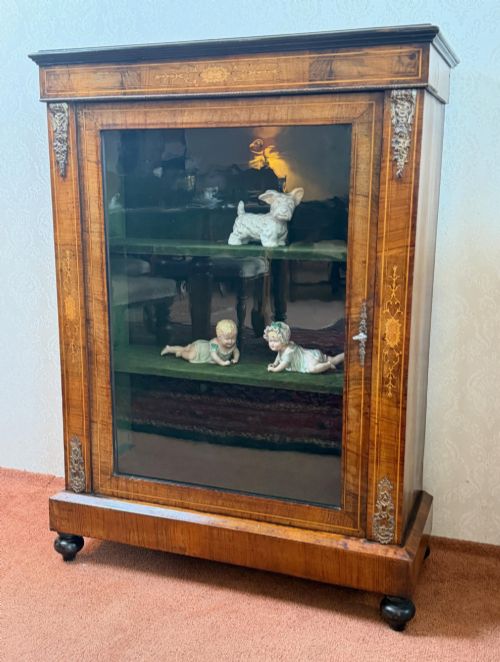
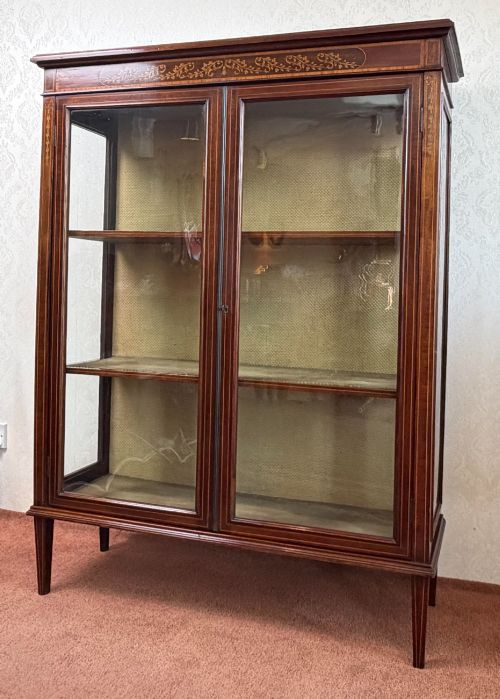
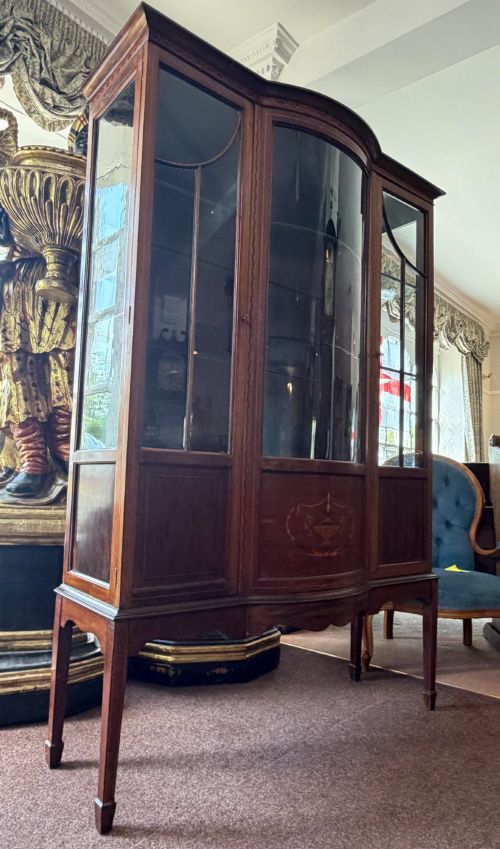
Cabinet makers utilised dense timbers like mahogany, walnut, and satinwood, frequently embellishing surfaces with marquetry, fruitwood inlay, and parcel-gilt details. Vitrines and bijouterie tables often incorporate brass mounts, ormolu, and bevelled glass panels to maximise light exposure for the items displayed within.
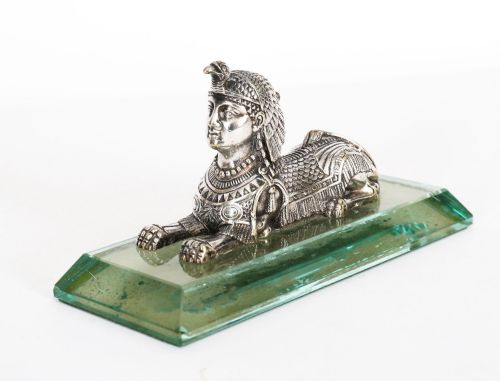
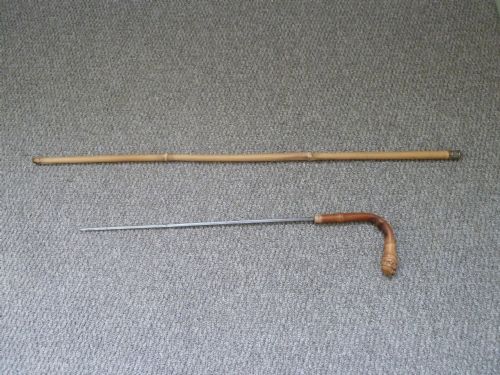
Smaller personal items demonstrate specialised crafting techniques across varied materials, including chased sterling silver, carved hardwood, bone, and horn. Taxidermy items and folk art objects utilise organic elements like hooves and leather, shaped by hand for practical desk use or decorative display.
Victorian Curio Retail Price Guide 2026
Typical asking prices for victorian curio among the pieces listed under this phrase on Sellingantiques today, from the lower quarter to the upper quarter. They describe what is for sale here now, not the wider market.
What separates the finest pieces
The refinement of inlay work and the choice of timber figure largely in cabinet quality, where balanced proportions and crisp carved details distinguish superior examples. Superior vitrines and display tables demonstrate precise joinery, original glass, and high-grade metal mounts.
In smaller collectables and silver items, quality rests upon the clarity of hallmarks, the intricacy of enamel or hand-carved decoration, and the overall integrity of delicate organic materials like horn and bone.
Edwards & Roberts·William Neale·William Hair Haseler
The Victorian Curio Glossary
- Bijouterie table
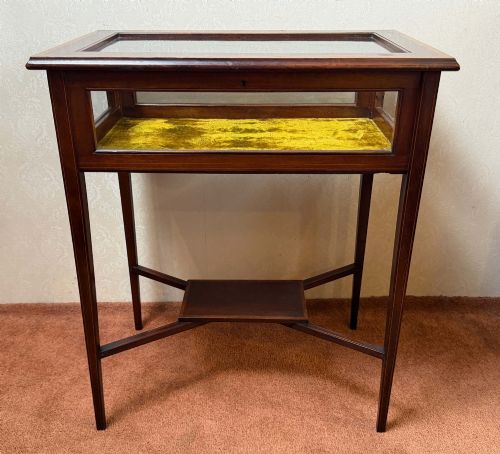
- A glass-topped display table specifically designed for showing small precious items, medals, or jewellery. These tables often feature hinged lids and velvet-lined interiors.
- Vitrine
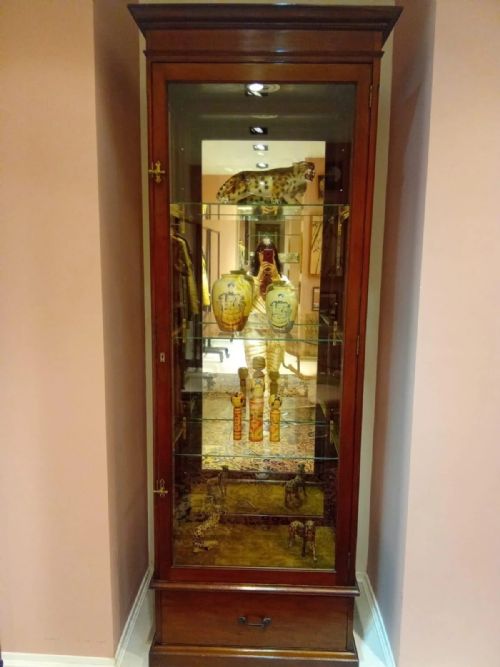
- An enclosed glass cabinet or display case used for exhibiting porcelain, curiosities, and fine objects. They frequently sit on slender legs or form part of larger modular furniture.
- Marquetry
- An ornamental technique of applying decorative veneer pieces to a wooden structure to form pictures or geometric patterns. Makers utilised various tinted woods to achieve tonal contrast.
- Ormolu
- Gilded bronze mounting applied to furniture and decorative objects for enrichment. The process involves coating metal with a mercury and gold amalgam before firing.
Victorian Curio: Frequently Asked Questions
What is a bijouterie table?
A bijouterie table is a low display table featuring a glazed top and sides, designed to exhibit small ornaments, coins, and personal accessories within a drawing room setting.
These pieces typically open via a hinged lid, allowing the collector to rearrange or examine the contents closely while keeping them protected from dust.
How do I care for inlaid wood?
Inlaid wooden cabinets and small boxes require stable indoor humidity levels and protection from direct sunlight to prevent the delicate veneers and fruitwood details from lifting or fading.
Routine maintenance involves gentle dusting with a dry cloth and occasional application of traditional wax polish to nourish the timber grain.
What are vitrines used for?
Vitrines function as primary display furniture for showcasing collections of ceramics, glass, small sculptures, and curiosities behind protective glass panels.
In period interiors, they served to display the refined tastes and travel souvenirs accumulated by the household.
Are silver vesta cases marked?
Silver vesta cases usually bear British hallmarks stamped on the rim or interior edge, indicating the assay office, maker's mark, and year of production.
These tiny stamped symbols help historians and collectors trace the precise origin and date of the piece.