

Victorian Cupboard Table
When you search for a victorian cupboard table, you are looking at enclosed bedside storage and compact tables built during the nineteenth century.
Victorian Cupboard Table
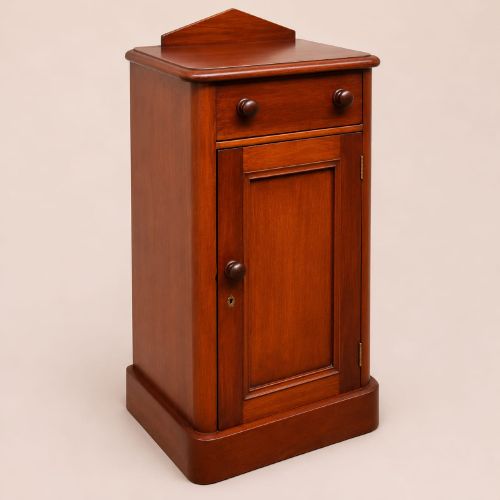
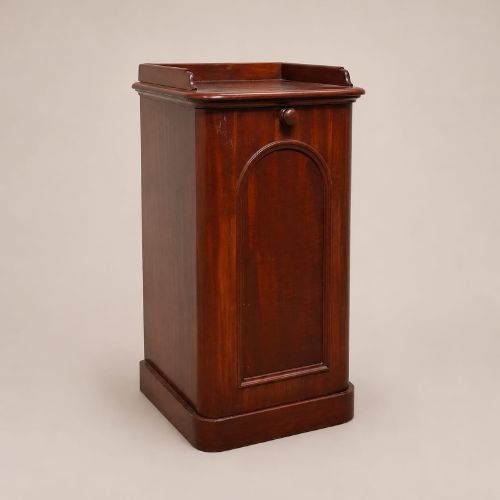
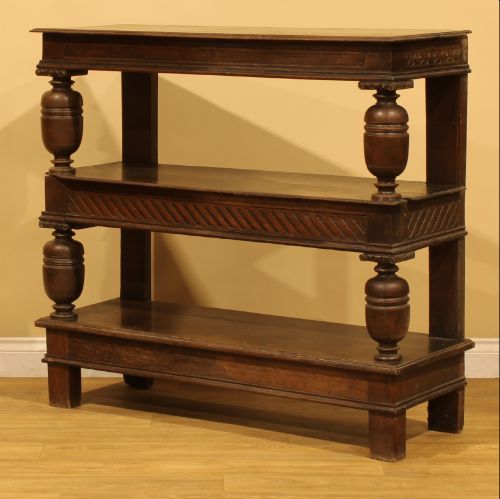
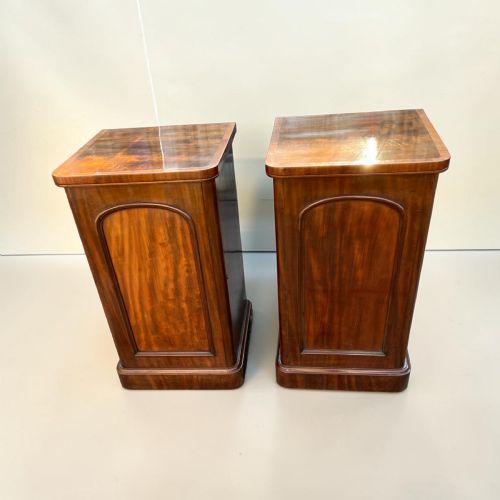
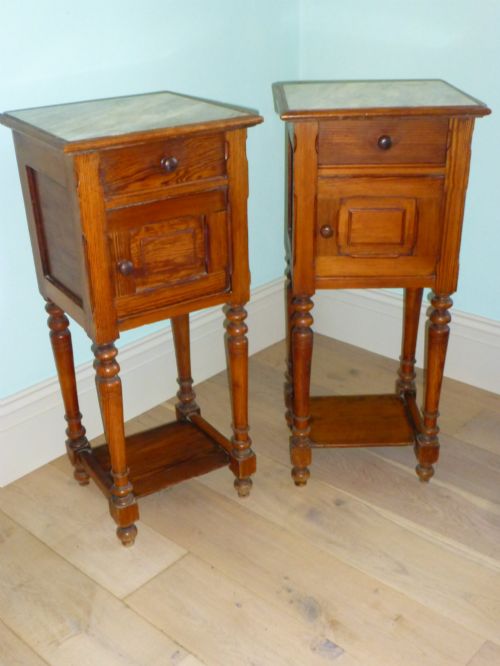
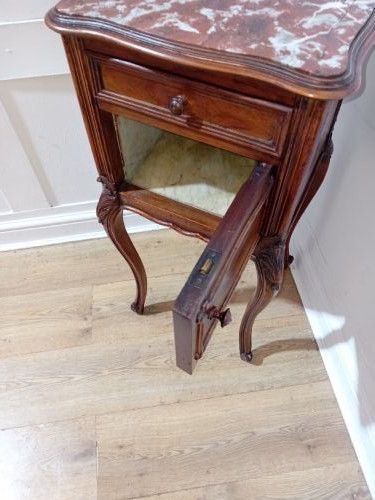
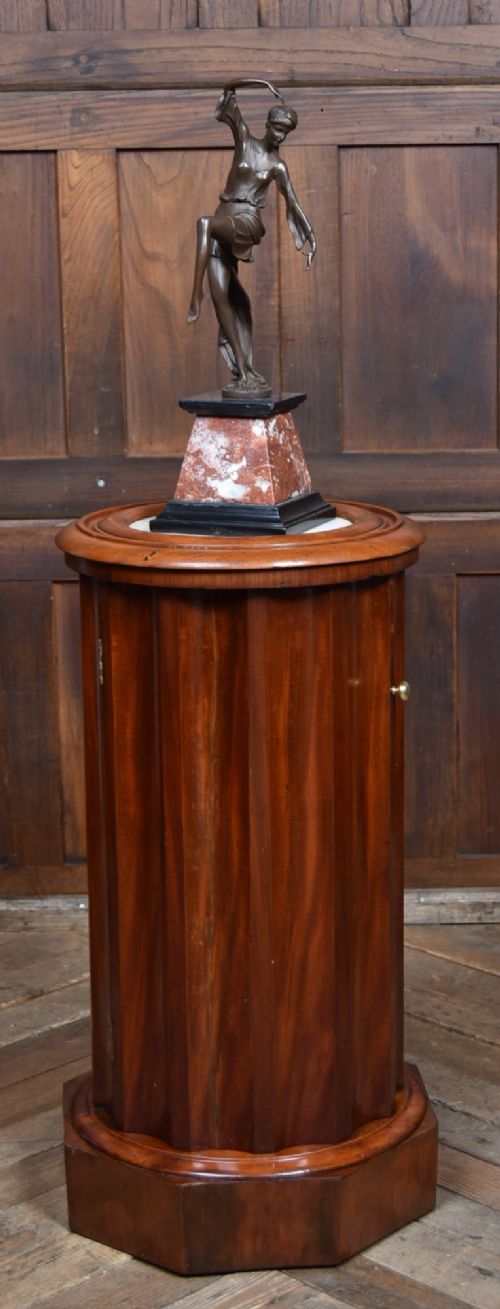
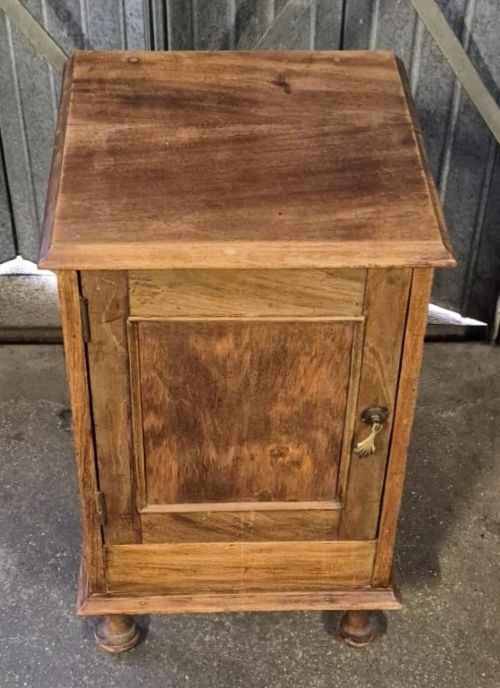
A victorian cupboard table typically appears in domestic spaces as a bedside cabinet, night locker, or pot cupboard designed to conceal chamber pots and personal items. These pieces span the Victorian and Edwardian periods, stretching from the early nineteenth century through to nineteen hundred.
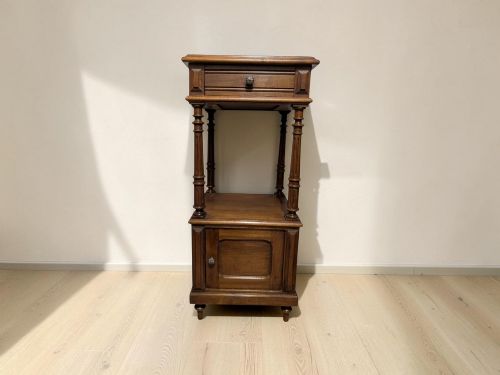
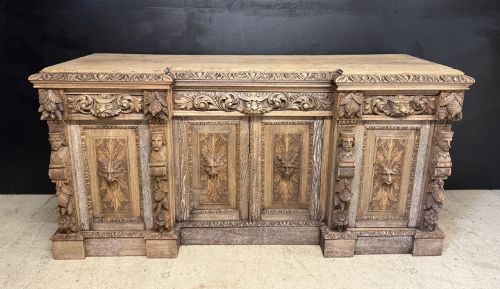
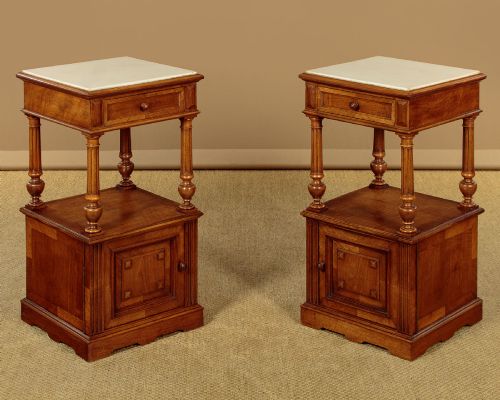
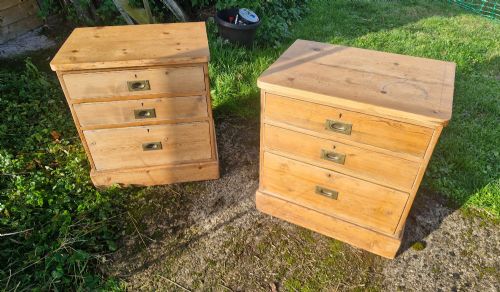
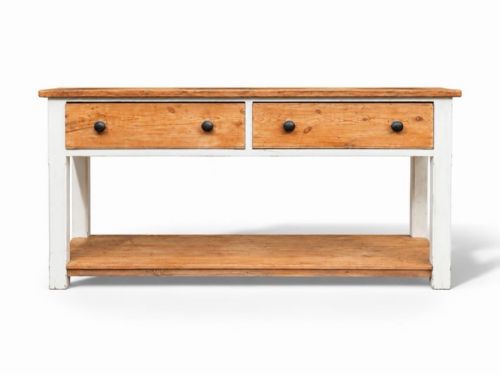
While the search term points to enclosed table forms, listings naturally encompass closely related pieces such as bedside chests of drawers, small tables, and table-top collectors cabinets. Mahogany and walnut dominate the selection, often appearing alongside oak, pine, and birch.
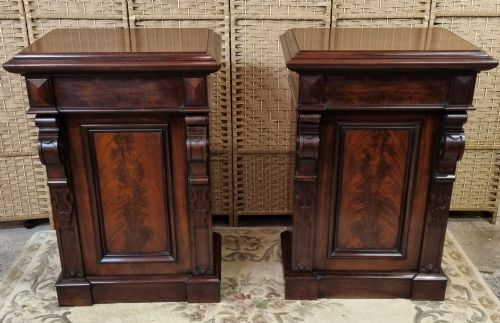
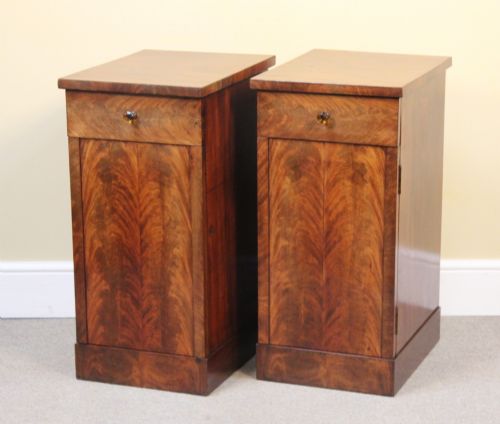
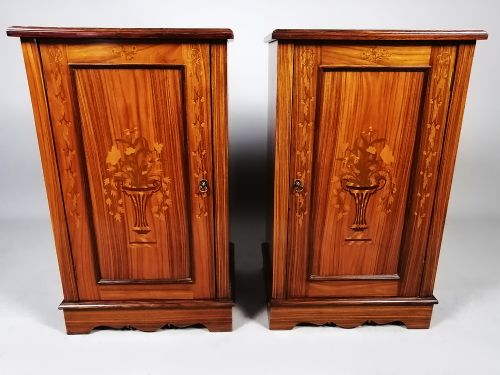
Formations range from simple utilitarian pine lockers to elaborate pairs in flame mahogany or burr walnut. Stylistic variations draw upon the Sheraton revival, Gothic revival, Aesthetic movement, and French Louis Philippe designs.
Materials and construction methods
Timbers such as solid and veneered mahogany, walnut, burr walnut, and oak form the structural backbone of these pieces, frequently paired with secondary woods like pine. Cabinet makers utilised figured veneers, flame mahogany grains, and satinwood inlay to create visual depth on doors and drawer fronts.
Marble tops appear on select pieces, offering a durable and hygienic surface for bedside use. Brass hardware, glass elements, and painted Chinoiserie or faux bamboo finishes surface across specific aesthetic and regional examples.
Victorian Cupboard Table Retail Price Guide 2026
Typical asking prices for victorian cupboard table among the pieces listed under this phrase on Sellingantiques today, from the lower quarter to the upper quarter. They describe what is for sale here now, not the wider market.
Listings feature woods such as mahogany, walnut, burr walnut, oak, pine, birch, and marble across Victorian and Edwardian periods.
Distinctions in construction and finish
The choice of primary timber dictates the initial tier of quality, moving from utilitarian painted pine to highly figured burr walnut and flame mahogany. Timber selection governs how cleanly the grain runs across panel doors and top surfaces.
Joinery execution and matching pairs separate standard utilitarian production from fine cabinet work. Matched pairs showing consistent grain orientation and precise inlay demonstrate superior workshop origin compared to assembled pairs.
Gillow·Warings Liverpool
The Victorian Cupboard Table Glossary
- Pot cupboard
- A small bedside cabinet designed specifically to enclose a chamber pot behind a single door. These items frequently feature an internal shelf and a drawer above the main cupboard.
- Night locker
- An alternative nineteenth-century term for a bedside cupboard used to store personal night-time necessities. They share the compact proportions of standard pot cupboards.
- Burr walnut
- A decorative wood veneer taken from the growth excrescences of walnut trees, yielding intricate swirling patterns. It is frequently seen on mid-nineteenth-century cabinets.
- Flame mahogany
- A veneer cut from the fork of a mahogany tree where the grain produces a flickering flame effect. This material is prized for its dramatic visual movement on cabinet doors.
- Sheraton style
- A neoclassical furniture style originating in the late eighteenth century and revived during the Victorian era. It is characterised by straight tapered legs and delicate satinwood inlay.
Victorian Cupboard Table: Frequently Asked Questions
What is a victorian cupboard table used for?
These pieces served primarily beside the bed to hold wash jugs, candles, and chamber pots.
Today they function effectively as compact bedside tables or small storage cabinets in limited spaces.
How do I identify a pot cupboard?
Look for a single small door opening to reveal an interior shelf or compartment for a chamber pot.
Many examples also incorporate a small drawer positioned directly above the main cupboard space.
Are matching pairs common?
Cabinet makers frequently produced these bedside units in pairs to flank larger nineteenth-century bed frames.
Finding true matching pairs involves checking that timber grain and interior construction mirror each other precisely.
Which woods were used most often?
Mahogany and walnut remain the predominant timbers, reflecting the favored hardwoods of nineteenth-century cabinet makers.
Pine and oak appear more frequently in regional, country, or earlier utility pieces.