
Victorian Cupboard on Chest
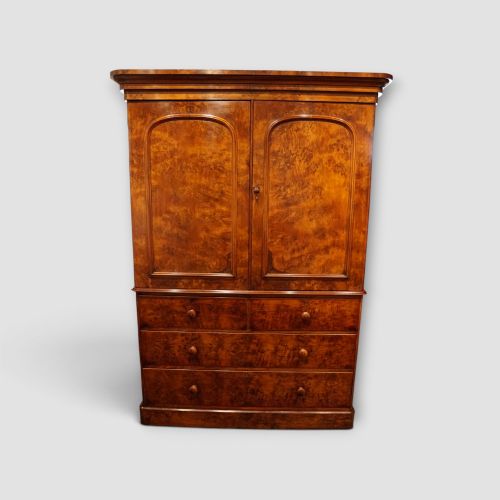
When you search for a victorian cupboard on chest, you are looking at substantial storage furniture combining lower drawer units with upper enclosed cabinets.
Victorian Cupboard on Chest
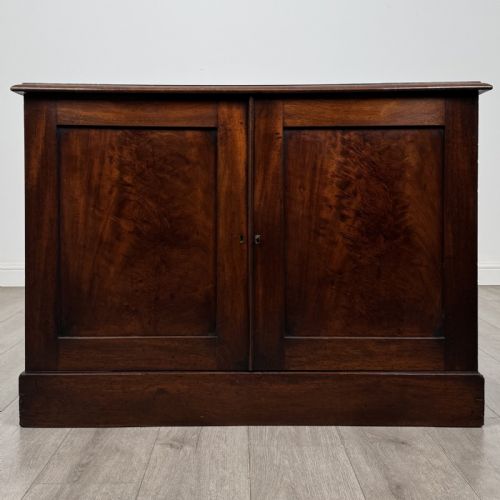
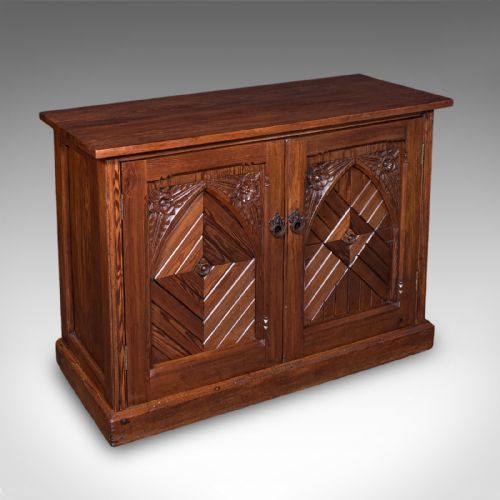
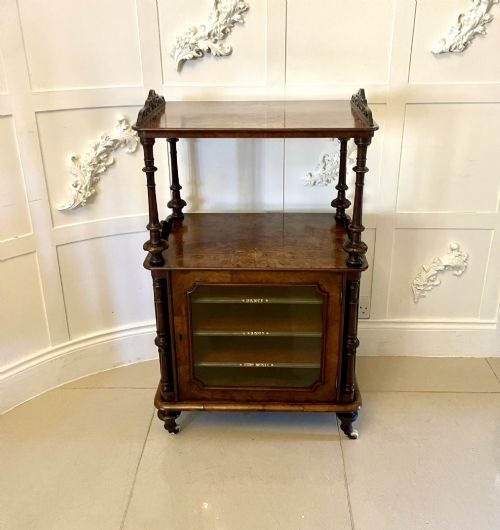
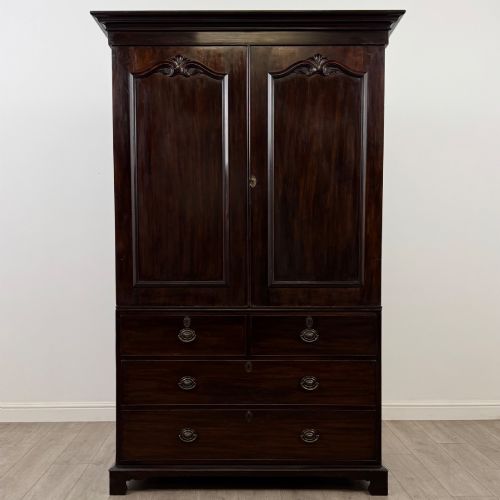
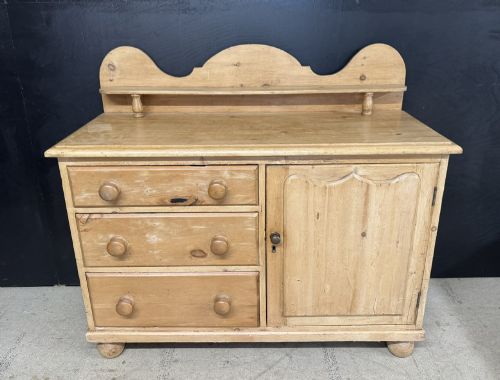
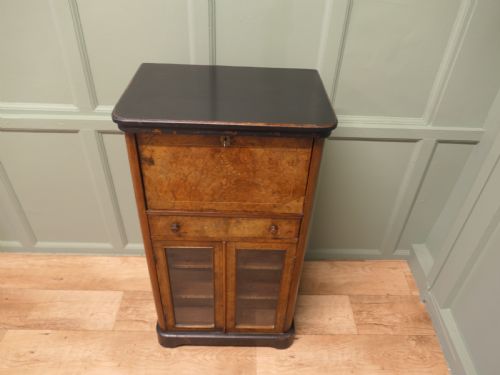
A victorian cupboard on chest brings together two distinct storage forms, placing a panelled cupboard section directly above a set of lower drawers. You will frequently encounter these pieces rendered in dense mahogany, warm pine or richly grained burr walnut from the nineteenth century.
The layout provides deep vertical space alongside accessible drawer storage, making these items practical for bedrooms or studies. Workshops of the period built them to command attention in domestic interiors through sheer scale and utility.
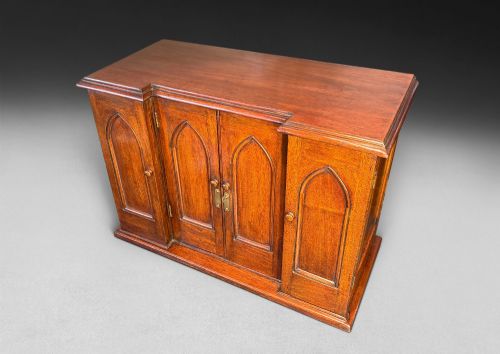
Makers often drew on styles ranging from plain country interpretations to Gothic Revival details or refined mahogany constructions. Each surviving example demonstrates the heavy reliance placed on modular storage before fitted wardrobes became common.
Materials and Construction
Cabinet makers relied heavily on solid hardwoods like mahogany and oak alongside softer structural timbers such as pine and ash. Surfaces frequently show decorative veneers like burr walnut applied to drawer fronts and panel doors.
Internal joinery utilised traditional dovetailing for drawers and robust frame-and-panel construction for upper cupboards to prevent timber movement. Hardware typically included cast brass handles, escutcheons and sturdy bracket or turned feet.
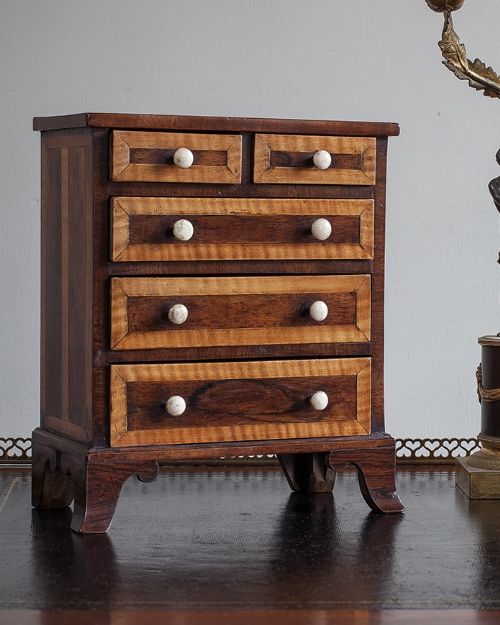
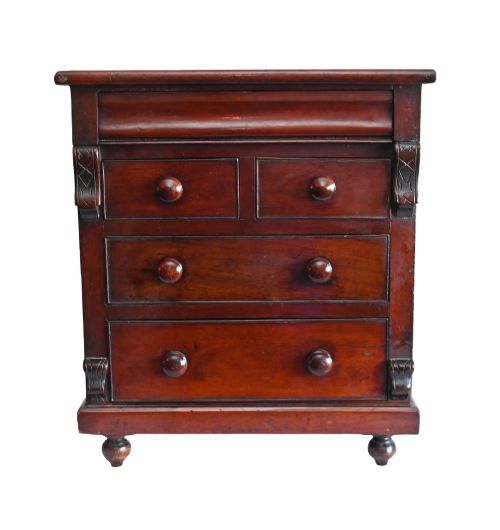
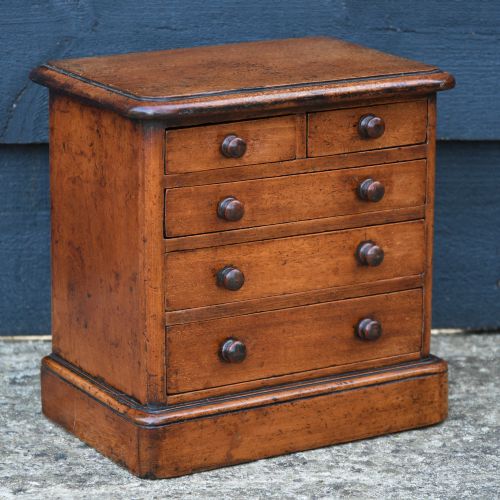
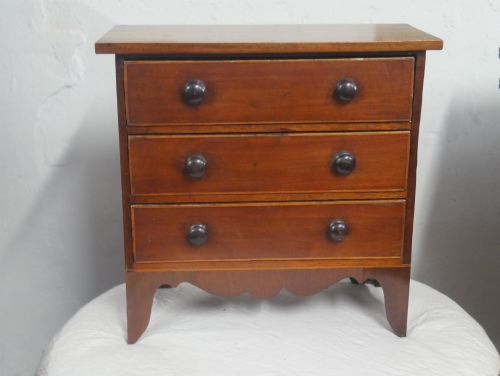
Tiny apprentice pieces allowed aspiring cabinet makers to prove their joinery skills before tackling full-sized furniture.
Judging Quality and Execution
The selection of timber grain on primary surfaces separates standard utility items from exceptional commissions. Master cabinet makers matched burr walnut or figured mahogany veneers carefully across drawer fronts and doors.
The refinement of internal secondary woods, such as oak drawer linings rather than deal, indicates higher workshop standards. Original brass hardware and cleanly cut dovetails further distinguish superior pieces from utilitarian workshop output.
G Bartholomew And Co·Maple And Co·Warings Liverpool·Gillows
The Victorian Cupboard on Chest Glossary
- Cupboard on chest
- A tall storage item comprising an upper enclosed cabinet set upon a lower chest of drawers. This format maximises floor space by stacking two distinct storage volumes.
- Burr walnut
- A highly decorative wood veneer obtained from the deformed growths or burls of walnut trees. It yields swirling, intricate grain patterns prized for formal cabinet fronts.
- Bracket foot
- A structural support projecting from the lower corners of case furniture, shaped like a bracket with a mitred corner. It lifts the carcass slightly off the floor.
- Dovetail
- A traditional wood joint formed by interlocking wedge-shaped fingers. It provides exceptional tensile strength for drawer construction without relying on modern adhesives.
- Linen press
- A tall cupboard traditionally used for storing folded textiles and linens on sliding trays behind upper doors. Lower sections commonly house pull-out drawers for smaller garments.
Victorian Cupboard on Chest: Frequently Asked Questions
What is a victorian cupboard on chest used for?
These pieces served primarily for storing household linens, clothing and personal items in nineteenth-century bedrooms and dressing rooms. The upper cupboard held folded garments or shelves, while the lower drawers accommodated smaller apparel.
Today, they function well in modern homes as statement storage units in bedrooms or hallways, offering a blend of hanging or shelf space and concealed drawer capacity.
How do I tell if a cupboard on chest is Victorian?
Examine the secondary timbers inside the drawers and the backboards, where pine, oak or ash typically indicate nineteenth-century British workshop origins. Machine-sawn timber marks and traditional hand-cut dovetails help confirm the period.
Stylistic cues such as heavy bracket feet, flame mahogany veneers and brass hardware also point directly to the Victorian era. The construction methods should align with nineteenth-century cabinet making traditions.
Are cupboard on chest pieces difficult to move?
Most examples are constructed in two separate sections, with the upper cupboard lifting off the lower chest base. This modular design makes transportation and maneuvering through doorways considerably easier.
When moving them, remove all loose internal shelves and drawers to reduce weight and protect the structural joints from undue stress during transit.
How should I care for a burr walnut finish?
Keep wooden furniture away from direct sunlight and heat sources to prevent the burr walnut veneer from drying out or splitting. Maintain a stable indoor humidity level to protect the delicate grain.
Apply a microcrystalline wax polish occasionally to nourish the timber and preserve the historic lustre without building up heavy residue. Avoid using silicone-based commercial sprays.