




Victorian Crystal Jar
A victorian crystal jar brings crisp refraction and heavy glass into a room, serving as a practical vessel for the dressing table or sideboard.
Victorian Crystal Jar
When you search for a victorian crystal jar, you encounter a range of lidded vessels designed for preservation, vanity, and display. The selection spans biscuit barrels, scent bottles, trinket boxes, preserve jars, and vanity jars originating from the nineteenth and early twentieth centuries.
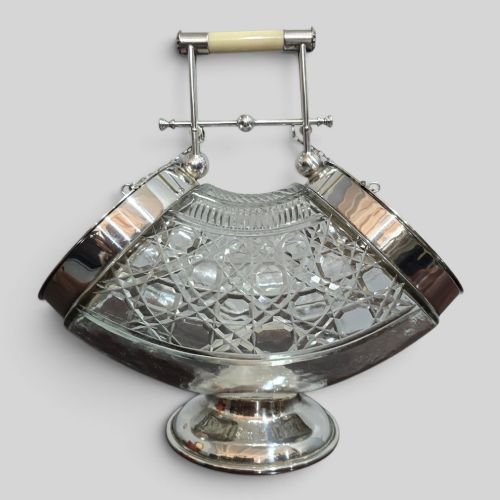
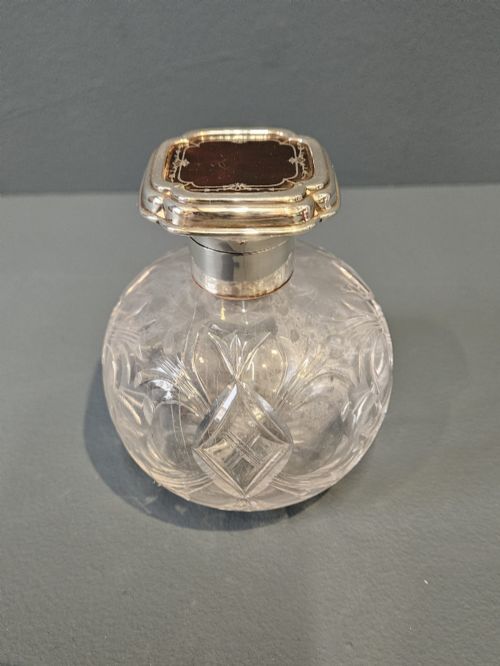
The most common examples on this page date from the Victorian and Edwardian eras, utilising cut crystal or glass paired with silver, silver plate, or tortoiseshell mounts. These pieces combine utilitarian storage with the decorative standards of their respective periods.
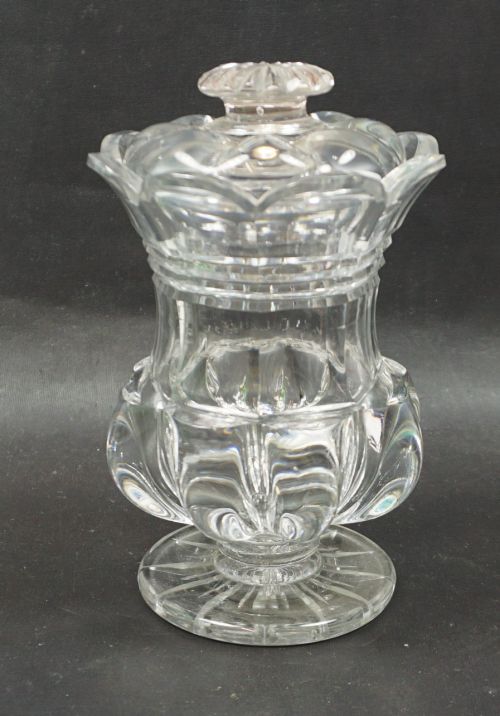
Forms vary from tall lidded vases and sweetmeat jars to heavy pillar moulded preserve pots and lockable cologne bottles. Each object reflects the domestic habits of the period, housing everything from biscuits to perfumes.
Distinguishing quality in the pieces
The depth and crispness of the glass cutting define the upper tier of these vessels. Sharp, clean facets that catch the light cleanly demonstrate superior workmanship compared to softer, shallower moulding.
The weight of the lead crystal and the gauge of the silver or tortoiseshell mounts indicate the grade of the object. Substantial glass walls paired with solid hallmarked sterling silver rather than light silver plate separate the finer examples from standard domestic wares.
Victorian Crystal Jar Retail Price Guide 2026
Typical asking prices for victorian crystal jar among the pieces listed under this phrase on Sellingantiques today, from the lower quarter to the upper quarter. They describe what is for sale here now, not the wider market.
One gentleman's cologne bottle includes a lockable mechanism, ensuring that private scents remained secure from wandering household guests.
James Dixon and Sons
The Victorian Crystal Jar Glossary
- Lead crystal
- Glass containing lead oxide, which increases the weight, refractive index, and brilliance of the material. This composition allows for deep, sharp cutting.
- Hobnail cut
- A pattern of sharp, pyramid-shaped facets cut into the surface of the glass. It creates a heavily textured exterior that refracts light intensely.
- Biscuit barrel
- A lidded container used in the nineteenth century to store dry biscuits or crackers on the dining table. They frequently incorporate silver mounts and swing handles.
- Sweetmeat jar
- A small lidded vessel intended to hold sweet confections or candies. They appear in matched pairs or single decorative forms.
- Pillar moulded
- A technique where vertical ribs or pillars are formed into the glass during production. It adds structural strength and visual depth to heavier jars.
Victorian Crystal Jar: Frequently Asked Questions
What were these jars originally used for?
These vessels served specific domestic functions on dressing tables, sideboards, and dining tables, holding items such as biscuits, preserves, perfumes, and trinkets.
Their enclosed designs protected perishable goods or delicate accessories from dust and moisture in period homes.
How do I clean a cut crystal jar?
Wash the glass gently in warm water with mild detergent, avoiding sudden temperature changes that can crack heavy crystal. Use a soft brush to clear dust from deep cut facets.
Polish silver mounts separately with a dedicated cloth, taking care to keep polishes away from the porous glass or tortoiseshell surfaces.
How can I tell Victorian from Edwardian pieces?
Victorian examples often display heavier, deep pillar moulding or intricate hobnail cutting paired with ornate silver mounts. Edwardian pieces tend toward lighter forms with refined cutting and simpler sterling silver collars.
Assay office hallmarks on the silver mounts provide definitive date letters that confirm the exact year of manufacture.
Can I use these jars for daily food storage?
Preserve jars and biscuit barrels function well for dry goods, provided the interior glass remains free from chips or cracks. Historic lead crystal should be assessed for modern use if storing acidic items over long periods.
Lids with silver plate or locking mechanisms require careful handling to preserve their original mechanical parts during daily use.