
Victorian Credenza Buffet
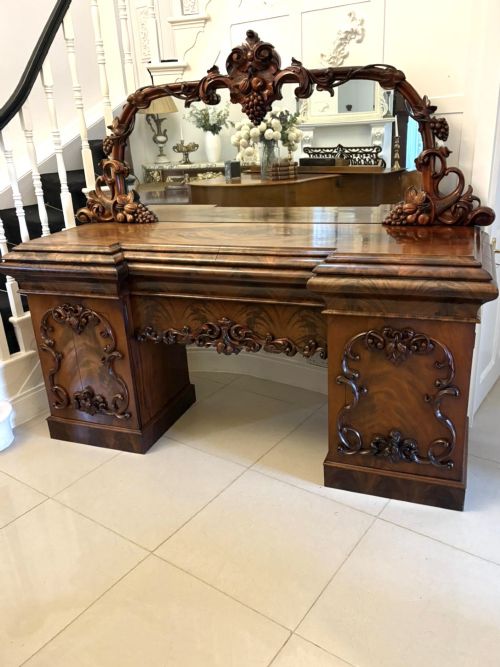
A victorian credenza buffet brings grand nineteenth-century presence to a room, offering deep timber shelving and display space for domestic silver and glass.
Victorian Credenza Buffet
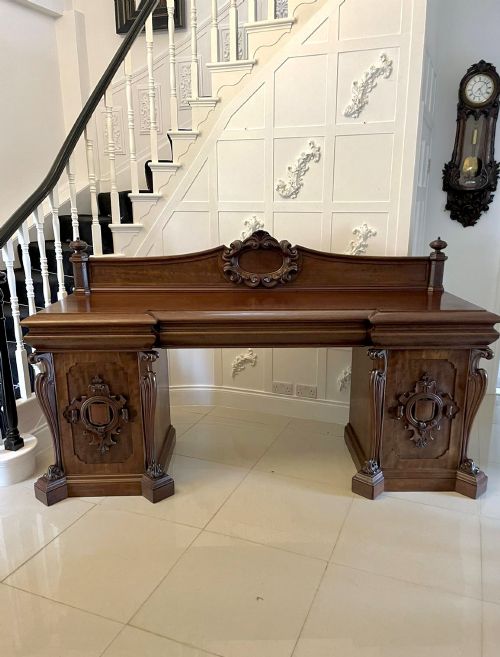
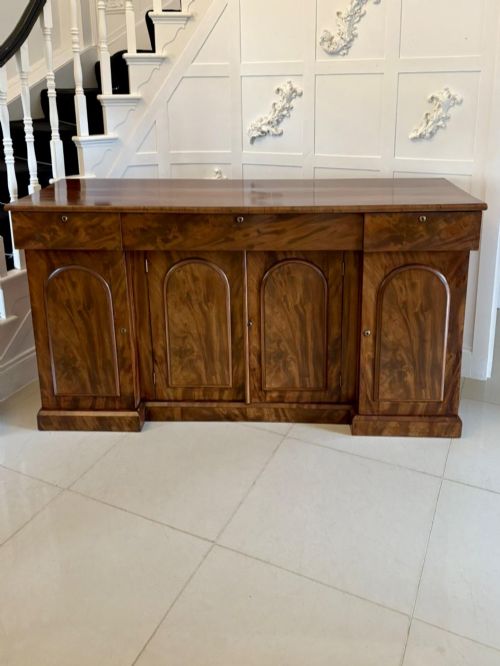
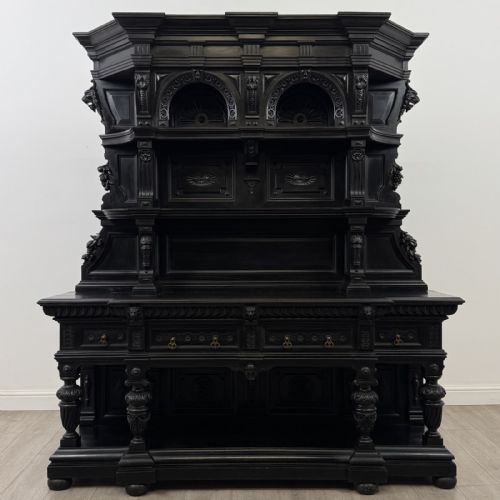
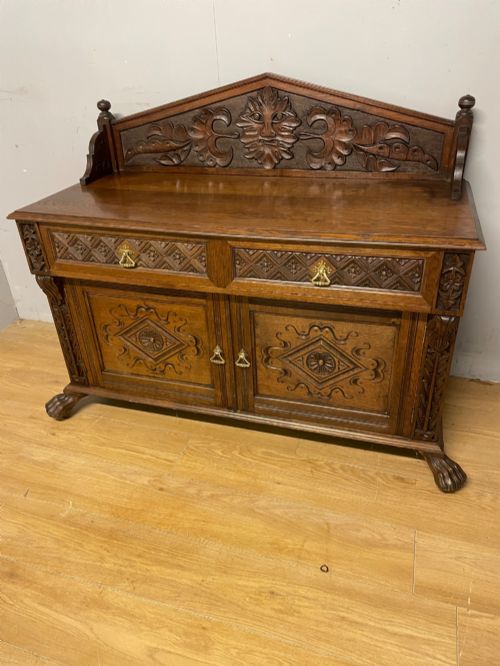
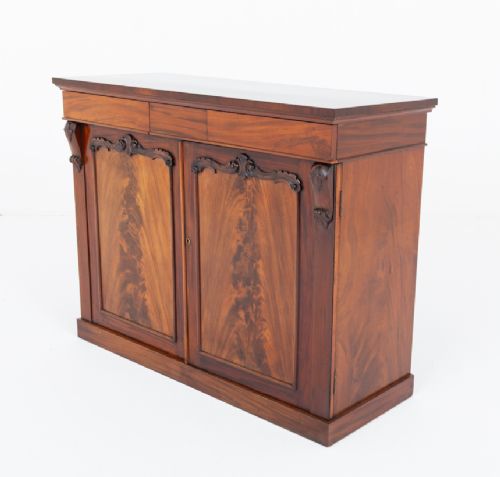
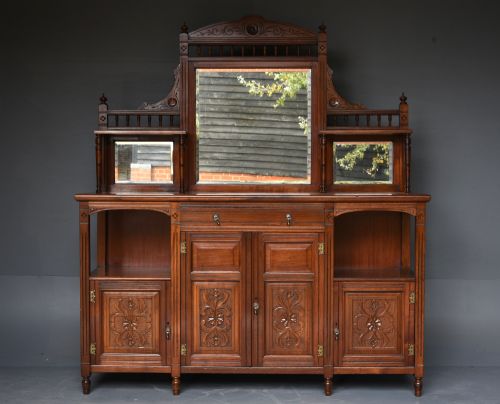
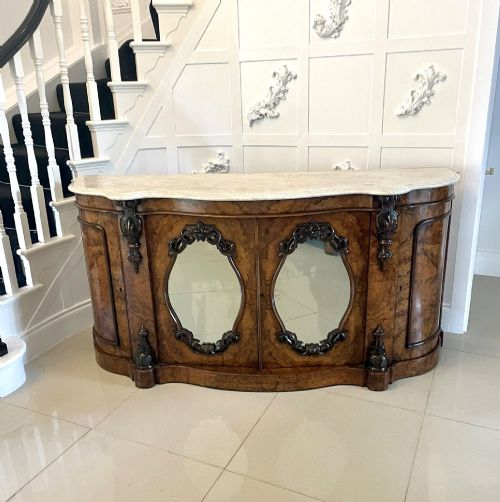
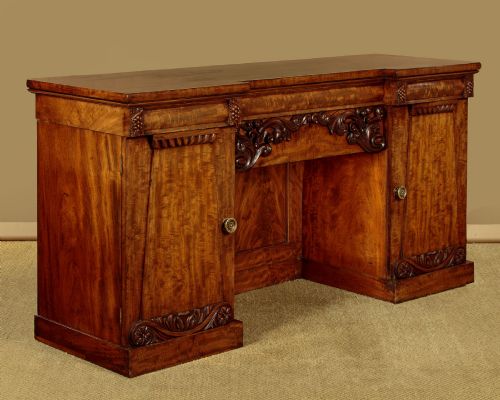
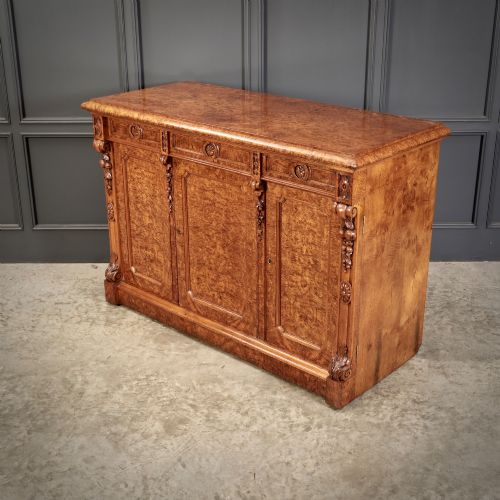
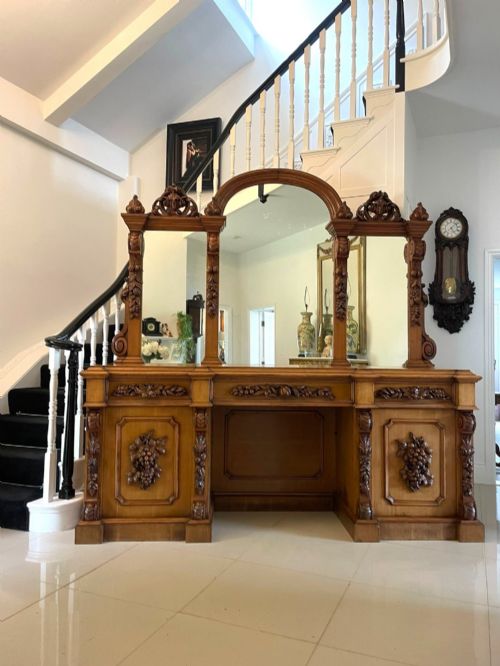
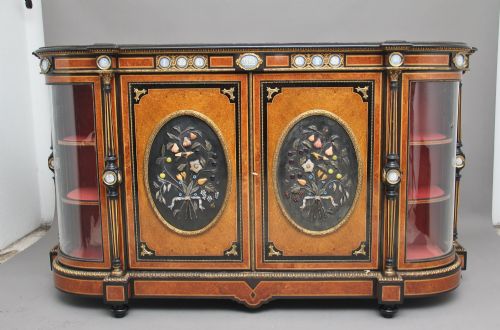
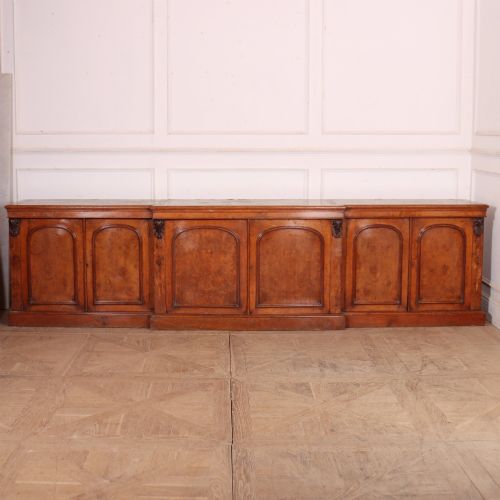
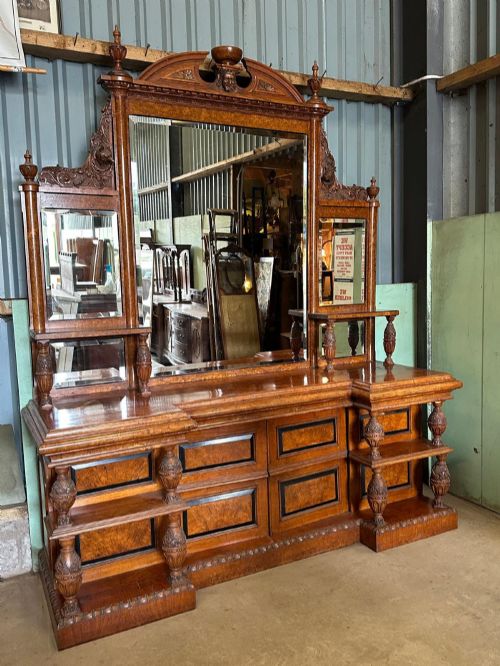
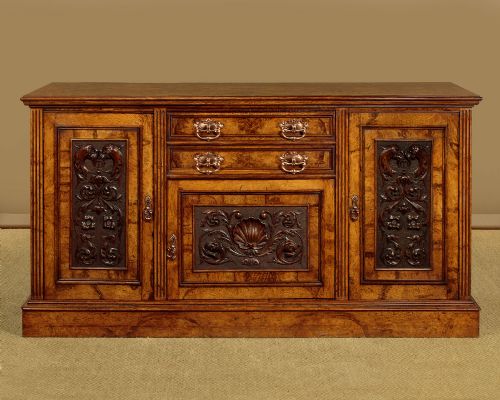
When you search for a victorian credenza buffet, you encounter an array of heavy nineteenth-century forms designed for formal dining rooms and parlours. The selection spans straightforward mahogany sideboards, burr walnut credenzas with mirrored backs, and sturdy carved oak dresser bases.
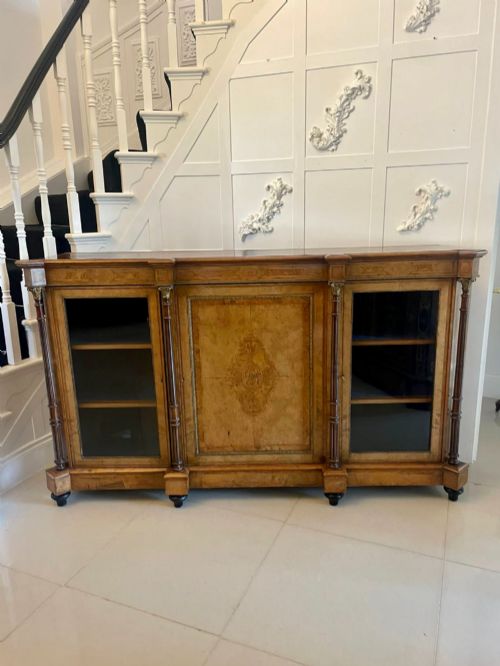
You are most likely to meet pieces from the Victorian era alongside wider nineteenth-century iterations, merging cupboard storage with display surfaces. Styles shift between straightforward revival designs, Gothic Revival heavy carving, and refined marquetry cabinets.
The typology embraces related serving furniture including chiffoniers, console tables, and kitchen dressers. These items served distinct domestic functions for storing silver, linen, and serving dishes during large Victorian meals.
How they were made
Cabinet makers utilised dense native and exotic timbers such as mahogany, oak, burr walnut, rosewood, and pine as foundations for these large case pieces. Surfaces were frequently embellished with intricate floral marquetry, satinwood banding, and figured veneers.
Structural enrichment relied on applied carved wood ornamentation, brass mounts, ormolu accents, and inset marble tops. Mirror backs incorporated bevelled glass plates set within heavy carved wooden frames to reflect light in reception rooms.
The furniture spans straightforward pine kitchen dressers alongside exhibition-quality mirror-backed credenzas.
What varies in quality
The distinction between ordinary utility items and exhibition pieces rests upon timber selection and the precision of the cabinet work. Finely figured burr walnut, flame mahogany, and pollard oak denote workshops operating at the highest level of craftsmanship.
Carving depth and the integration of costly mounts like ormolu separate standard production items from bespoke commissions. The crispness of marquetry inlays and the solidity of internal oak drawer construction indicate the maker's original investment of time and skill.
Hewetsons London
The Victorian Credenza Buffet Glossary
- Marquetry
- Decorative veneer work forming pictures or geometric patterns using various coloured woods. Craftsmen cut thin sheets of timber to fit precisely into a prepared background.
- Ormolu
- Gilded bronze mounts applied to furniture for decorative effect. The technique involves treating brass or bronze with an amalgam of mercury and gold.
- Chiffonier
- A compact sideboard with a shelf standing upon the back. It often incorporates enclosed cupboard space beneath a drawer.
- Dresser Base
- A low rectangular cabinet fitted with drawers and cupboards beneath a flat top. It formed the lower portion of traditional kitchen and dining room storage units.
Victorian Credenza Buffet: Frequently Asked Questions
What is a credenza buffet?
A credenza buffet is a large nineteenth-century storage piece combining cupboard compartments with surface display areas. These cabinets were designed to hold dining room silver, linen, and glassware.
They sit low against walls and frequently incorporate mirrors, marble tops, and decorative wood marquetry. Their form evolved to suit the formal entertaining needs of Victorian households.
Where did these pieces go?
These large storage cabinets originally stood in Victorian dining rooms, withdrawing rooms, and grand entrance halls. They functioned as central serving stations during formal meals and displayed porcelain collections.
Today, they find places in modern dining rooms, large hallways, and living spaces as statement storage credenzas. Their deep cupboards accommodate modern dinnerware while surface tops hold lamps and decorative objects.
How do I date a Victorian sideboard?
Dating relies on identifying timber choices, decorative styles, and construction methods characteristic of different decades. Mid-century pieces often showcase rich burr walnut and delicate marquetry, while later items embrace heavier Gothic revival oak carving.
The presence of original brass hardware, maker stamps, or dated inscriptions helps narrow the manufacturing period. Secondary woods inside drawers also provide clues regarding regional British or continental origins.
Are marble tops original?
Many nineteenth-century credenzas and sideboards featured fitted marble tops to provide durable, stain-resistant serving surfaces. These stone slabs were selected to complement rich mahogany, walnut, or ebonised cases.
Inspect the seating edge of the marble and the interior framing to confirm it matches the cabinet's period. Original tops sit flush within wooden retaining borders tailored specifically to the timber base.