
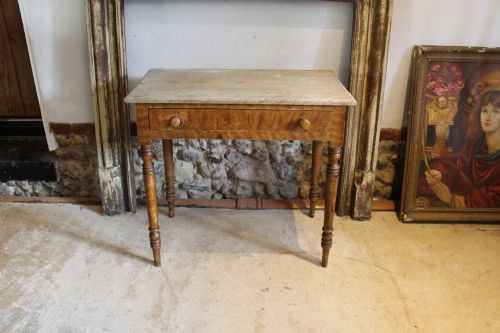
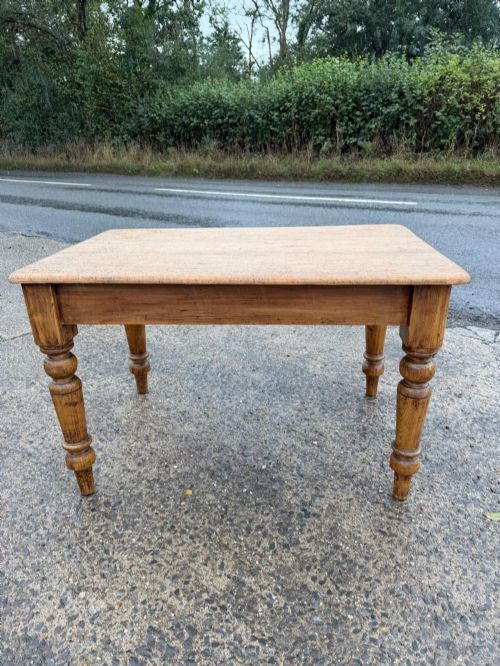
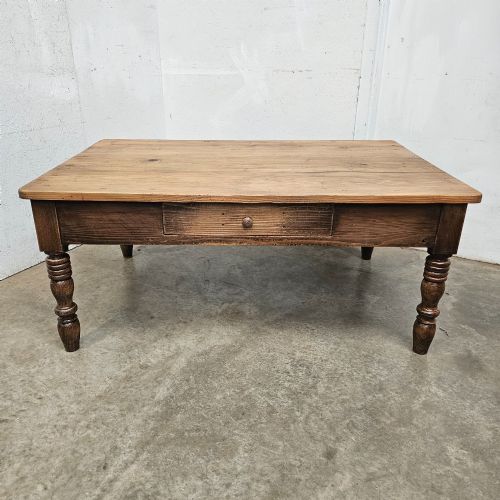
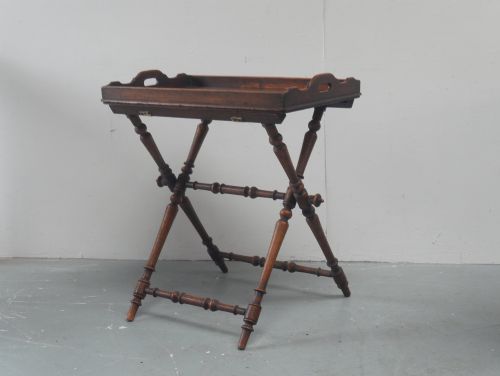
Victorian Country Table
When you search for a victorian country table, you enter a world of honest timber, sturdy joints and daily domestic service.
Victorian Country Table
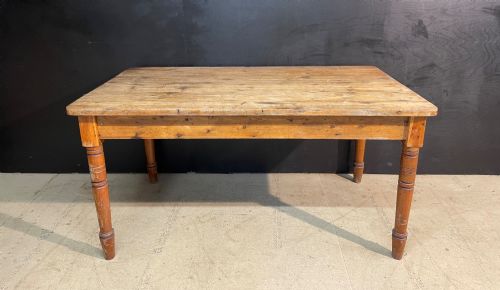
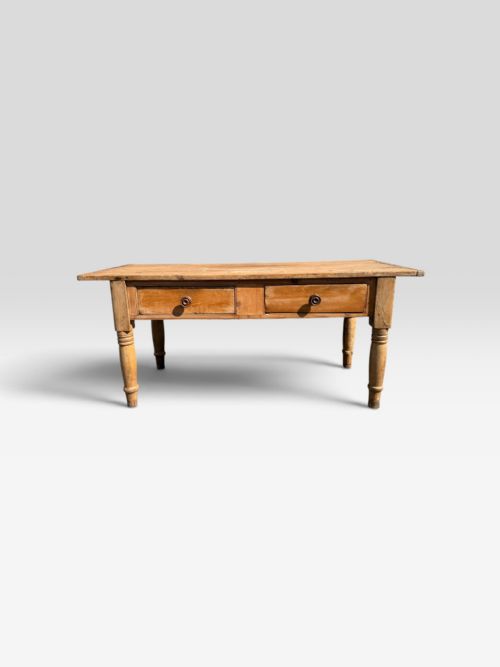
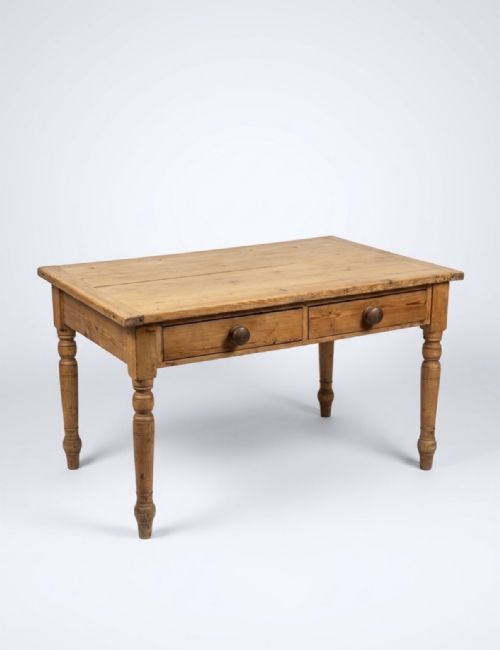
A victorian country table encompasses hard-working dining tables, prep tables, harvest tables and side pieces made for rural houses and farmhouses during the nineteenth century. These items were built for utility, handling the heavy demands of family meals, food preparation and estate work.
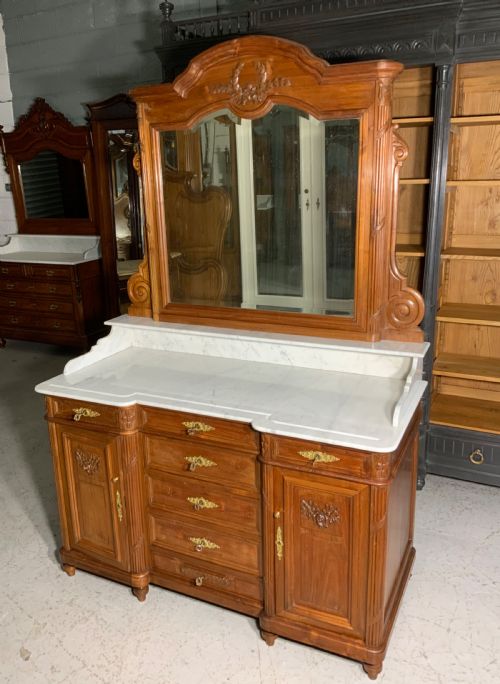
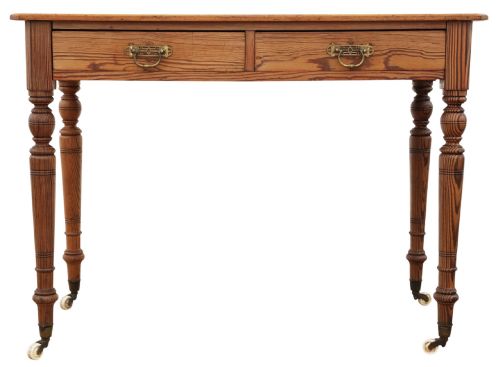
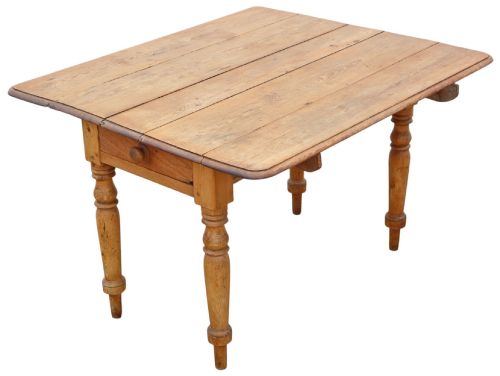
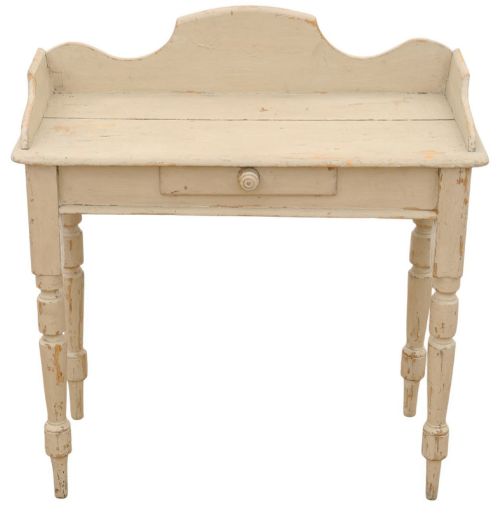
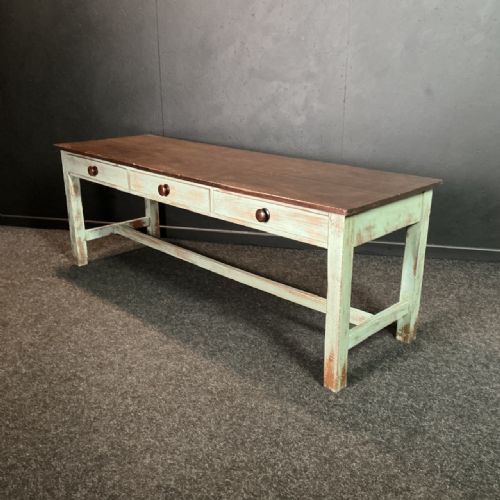
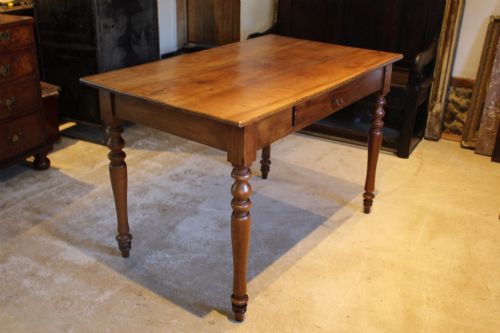
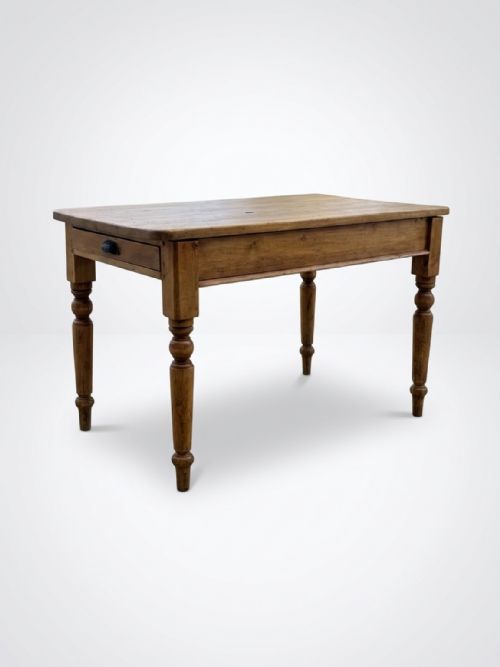
The version you are most likely to meet on this page is the pine farmhouse dining table, often featuring a plank top and a single drawer or drop leaves. Oak and pitch pine examples also appear regularly, alongside painted finishes that reflect the practical taste of the period.
Materials and construction
Makers relied heavily on pine, pitch pine and oak for these tables, selecting softwoods for kitchen utility and hardwoods for formal rooms or heavy use. These timbers were joined using traditional methods designed to endure decades of scrubbing and daily movement.
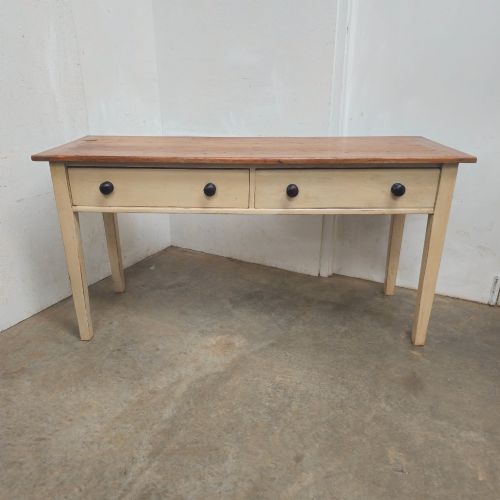
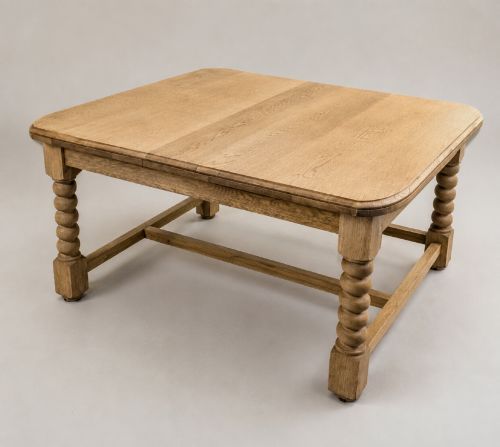
Surface treatments range from waxed natural wood to original paint, scumble finishes and later additions of pigment. Turnings on the legs and pegged joints provide structural stability while showing the hand of the provincial carpenter.
Listings feature nineteen-century pine, oak and pitch pine forms, ranging from drop-leaf kitchen tables to cricket tables and dairy benches.
Judgements of quality
Quality in these pieces rests upon the integrity of the timber and the honesty of the construction. Superior examples retain their original tops without excessive board shrinkage or inappropriate replacements.
The balance between the base frame and the top dictates the visual success of the piece. Tables with well-turned legs, untouched patination and original drawers command greater respect among collectors than those stripped down to raw, featureless wood.
The Victorian Country Table Glossary
- Scumble
- A decorative paint technique used to imitate the grain of more expensive hardwoods over a simpler pine base. This finish creates a patterned, translucent surface often found on side tables and dressers.
- Pitch pine
- A dense, resinous softwood prized for its strength and prominent grain patterns. Carpenters used this material extensively for heavy-duty kitchen and refectory tables.
- Cricket table
- A small, lightweight table typically featuring three splayed legs and a round top. These pieces originated for use on uneven flagstone floors in rural cottages.
- Refectory table
- A long, narrow dining table built for communal meals in large halls or country houses. They feature substantial stretcher bases to prevent the long top from warping.
- Dairy table
- A specialised work table designed with unsealed wood or specific slats to facilitate cheese making and milk processing. These items belonged to the utilitarian spaces of the rural estate.
Victorian Country Table: Frequently Asked Questions
What defines a victorian country table?
These tables are unpretentious domestic pieces constructed from woods like pine, oak and pitch pine during the nineteenth century. They were made for hard use in kitchens, dairies and country houses.
Their forms prioritize stability and utility over decorative carving, resulting in robust dining surfaces, prep benches and side tables with straightforward joinery.
How were these tables used originally?
Rural households utilised them for rolling pastry, kneading bread, preparing meat and gathering families for daily meals. Drawers held utensils, linens and small implements needed close to hand.
Larger versions served in sculleries and dairies where surfaces had to withstand constant scrubbing and moisture. Smaller variants functioned as side tables or occasional stands in hallways and bedrooms.
How should I care for a pine or oak table?
Maintain the timber by applying natural beeswax periodically to nourish the dry wood and protect the surface from moisture marks. Avoid placing them near direct heat sources that cause boards to split.
Clean the surface with a slightly damp cloth rather than harsh chemical sprays to preserve the historical patina accumulated over generations.
How can I tell the age of a country table?
Examine the timber boards for hand-sawn marks, irregular thicknesses and pegged mortise and tenon joints that indicate nineteenth-century hand tool work. Drawer construction, such as hand-cut dovetails, also points to the period.
Look for signs of genuine wear, including historical dings, staining from use and the warm coloration that develops on pine and oak over long decades.