



Victorian Counter Cabinet
A victorian counter cabinet is a shop showcase built to tempt buyers across the mahogany barrier.
Victorian Counter Cabinet
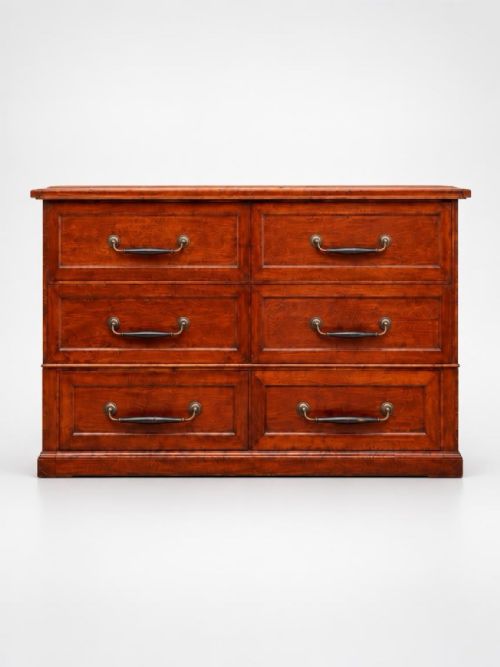
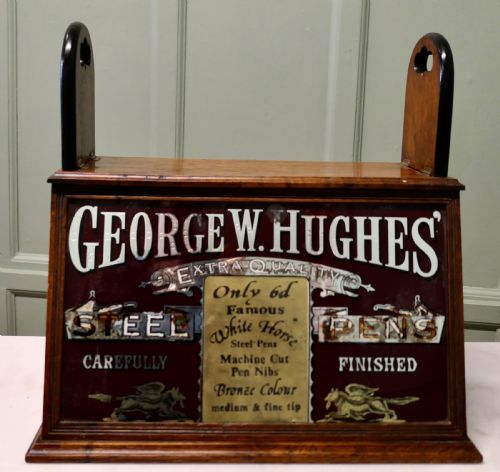
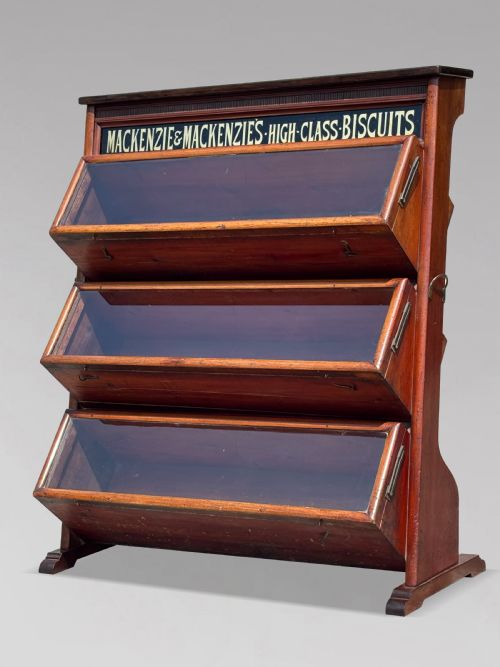
A victorian counter cabinet sits upon retail furniture to hold small wares, biscuits, and chemist supplies within reach of the shopkeeper. These pieces span the nineteenth century and into the Edwardian era, taking the form of glazed table cases, multi-drawer shop fittings, and stationary cupboards. Mahogany, pine, and oak construct the frames, often fitted with glass panes to protect confectionary and sewing cottons.
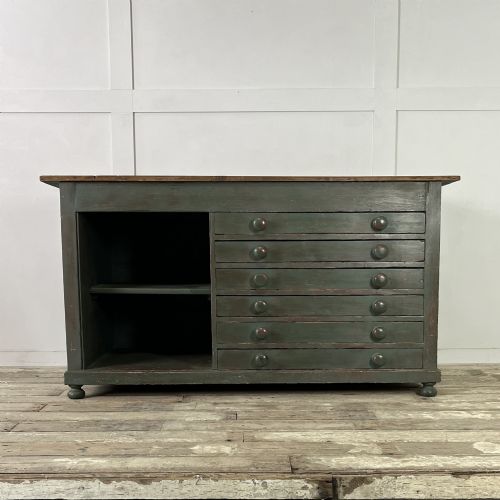
Most examples meet the eye as mahogany or pine table vitrines, while larger shop fittings organise trade goods in banks of small drawers. The styles run from utilitarian commercial pieces to painted country shop counters and branded biscuit displays. Makers stamped their glazed timber frames for confectioners, drapers, and stationers, leaving behind utilitarian storefront survivors.
Materials and construction
Makers built these commercial fixtures in durable hardwoods like mahogany and walnut for front-of-house counters, alongside sturdy pine for back-room storage and multi-drawer shop fittings. Glass panels provide clear viewing for retail merchandise, held by timber frames with brass hinges and catches.
Joinery techniques focus on daily commercial wear, utilising tight dovetails for drawer boxes and glazed wooden doors to seal contents against dust and handling. Painted finishes in white, cream, and green appear on regional pine shop fittings, while high-status counters rely on polished mahogany and detailed brass hardware.
Victorian Counter Cabinet Retail Price Guide 2026
Typical asking prices for victorian counter cabinet among the pieces listed under this phrase on Sellingantiques today, from the lower quarter to the upper quarter. They describe what is for sale here now, not the wider market.
The inventory records specialised shop forms including apothecary boxes, haberdashery chests, seed cabinets, and billiard scoreboards.
Assessing quality and authenticity
The division between standard commercial fittings and superior pieces rests on timber selection, original glazing integrity, and Maker provenance. Fine examples retain their original painted trade lettering, bevelled glass plates, and intact manufacturer branding on the timber framing.
Lesser commercial utility pieces show heavier industrial wear, replaced glass panels, or later painted decorations applied long after initial manufacture. The crispness of the drawer joinery and the survival of original brass pulls separate standard workshop output from exceptional retail showcases.
John Stow Ltd of Bradford·Manoah Rhodes & Sons Ltd
The Victorian Counter Cabinet Glossary
- Vitrine
- A glass-fronted display cabinet designed to exhibit small retail items or collector objects. These cases protect goods while offering a clear view from all upper angles.
- Haberdashery cabinet
- A multi-drawer storage chest utilised by drapers to sort small sewing goods, ribbons, and threads. The numerous shallow drawers feature glass fronts or brass label holders for easy stock identification.
- Countertop cabinet
- A small glazed display case built to sit directly upon a shop sales counter. They place confectionery or tobacco goods at eye level for waiting customers.
- Shop fitting
- Custom furniture and permanent fixtures built for commercial retail interiors. These items range from single display counters to extensive banks of multi-drawer cabinetry.
Victorian Counter Cabinet: Frequently Asked Questions
What were counter cabinets used for?
Traders utilised these glass-fronted cases on sales counters to display small luxury goods, loose confectionery, and chemist supplies securely to customers. The glazing kept shop dust away from delicate items while keeping goods visible.
Retailers also employed multi-drawer variations behind the counter to sort haberdashery, sewing cottons, and stationery supplies by size and type.
How do I clean a wooden display cabinet?
Maintenance requires soft cloths and beeswax to nourish older mahogany, walnut, and pine surfaces without stripping the aged polish. Avoid harsh modern chemical sprays that damage nineteenth-century timber.
Glass panels benefit from simple vinegar solutions applied carefully to avoid splashing the surrounding wood framework and original hardware.
Are these cabinets suitable for modern kitchens?
Countertop display cases adapt well to modern kitchens for storing dry goods, spices, or tableware behind protective glass. Their shallow depth allows placement on standard worktops and sideboards.
Multi-drawer shop fittings provide practical storage for cutlery, linens, and kitchen accessories while adding nineteenth-century character to domestic spaces.
How can I date a shop display cabinet?
Dating relies on timber types, construction methods, and period branding style applied to the glass or framing. Nineteenth-century pieces typically feature hand-cut dovetails and heavier timber mouldings compared to later Edwardian utility output.
Trade labels, painted signage for historic brands, and maker signatures provide the most reliable clues to the exact manufacturing decade.