

Victorian Columns
These victorian columns bring classical authority into domestic rooms, grounding lamps and stands with architectural weight.
Victorian Columns
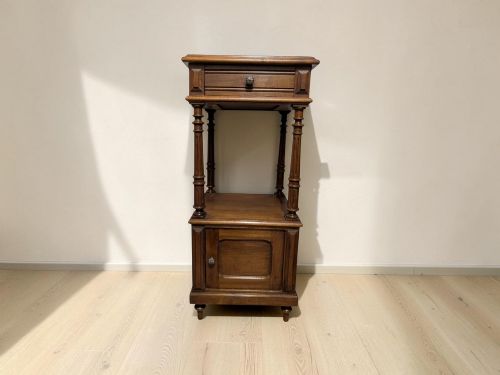
Victorian columns encompass tall architectural supports, plant stands, torcheres, and slender lamp or occasional tables that utilise classical orders in domestic interiors. Buyers searching for victorian columns often encounter brass lighting standards and carved wooden pedestals dating from the nineteenth century.
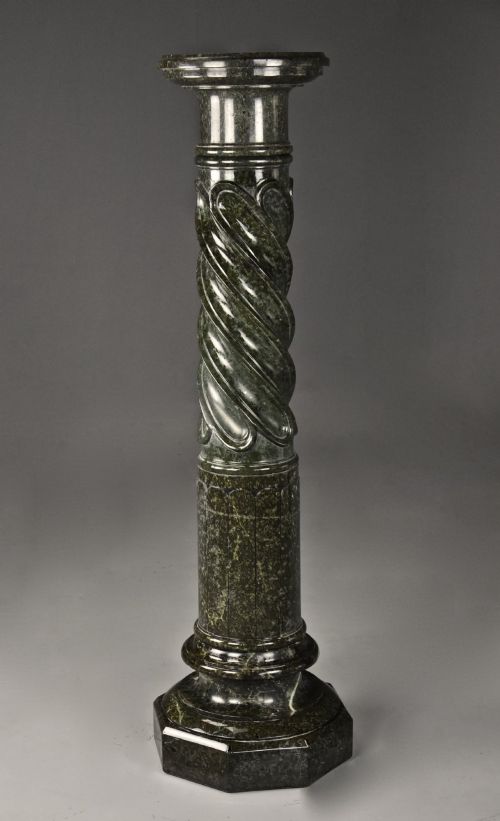
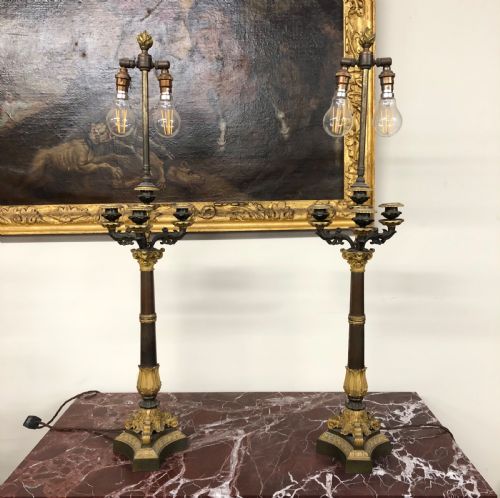
The material vocabulary spans cast metals and warm timbers, ranging from heavy brass oil lamps to mahogany and burr walnut tripod tables. Forms vary from sturdy oak plant stands to gilt brass candelabra and onyx shafts fitted with ormolu collars.
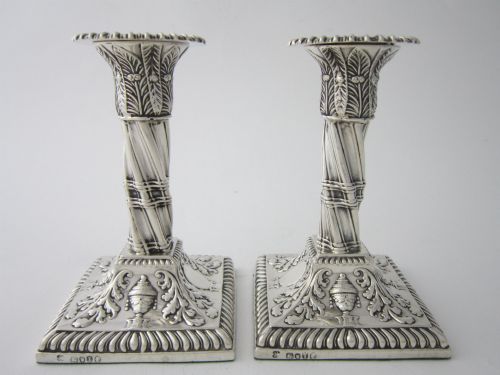
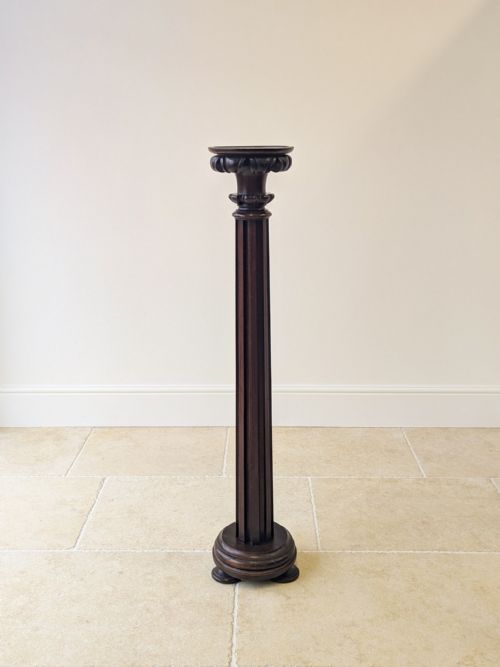
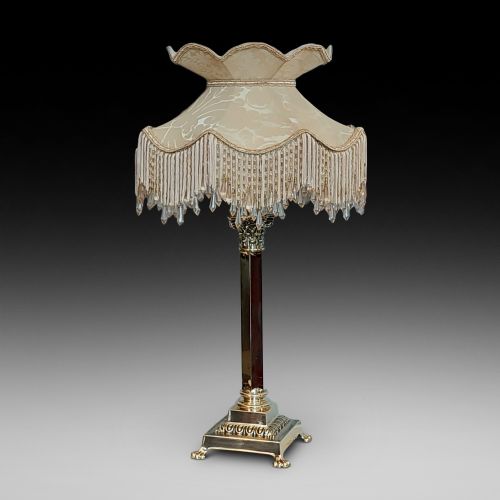
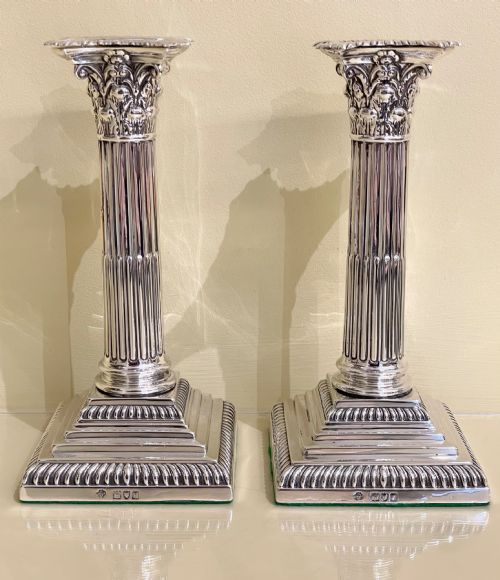
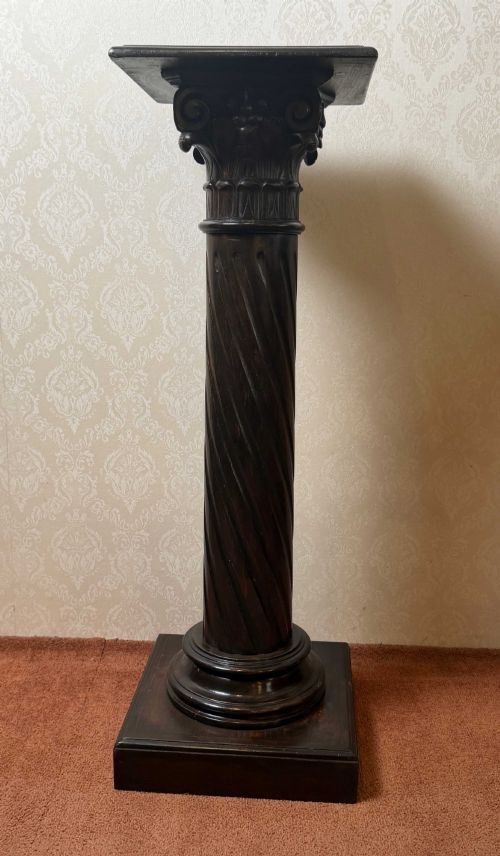
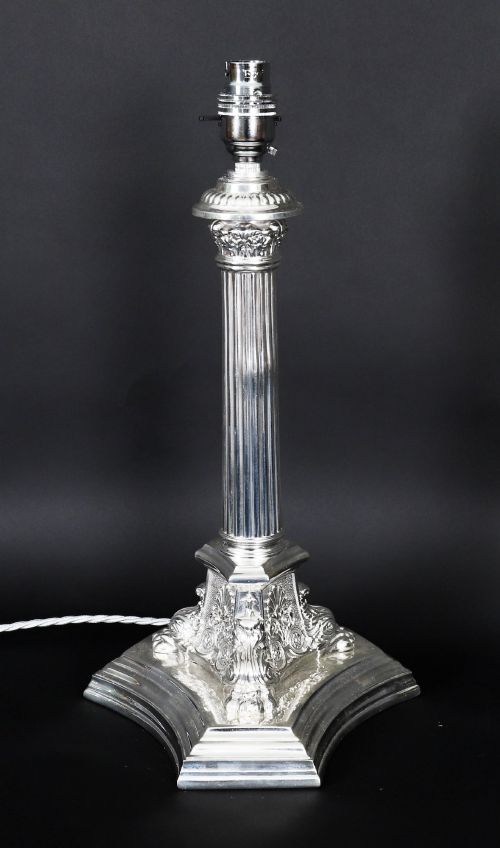
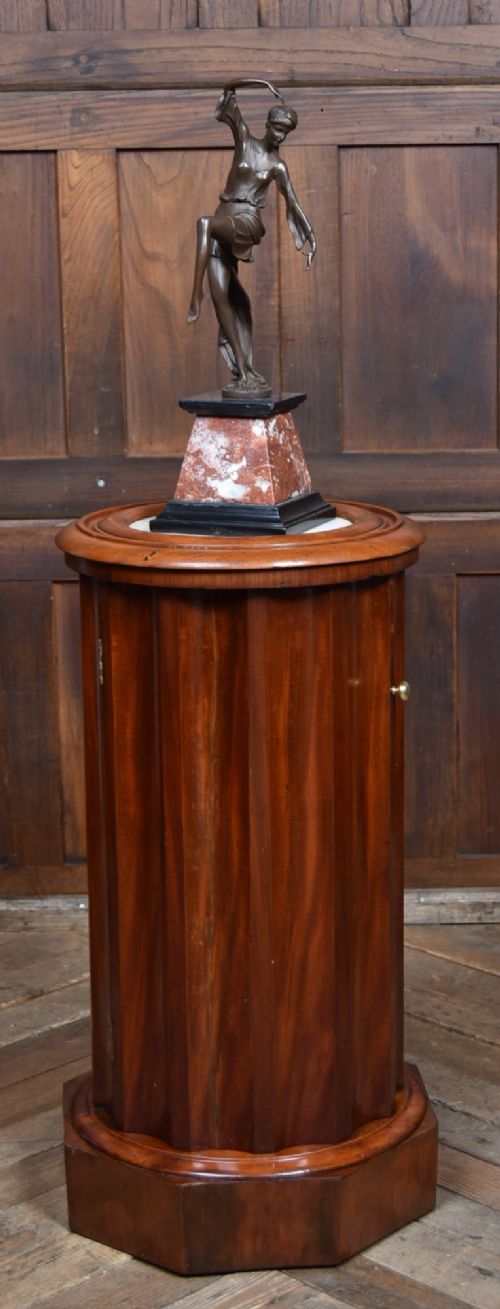
Stylistic influences draw heavily on classical revival and neoclassical traditions, translating monumental architecture into domestic furniture. Pieces frequently adapt Corinthian capitals and fluted shafts to support table lamps, jardiniere bowls, or decorative figures.
How they were made
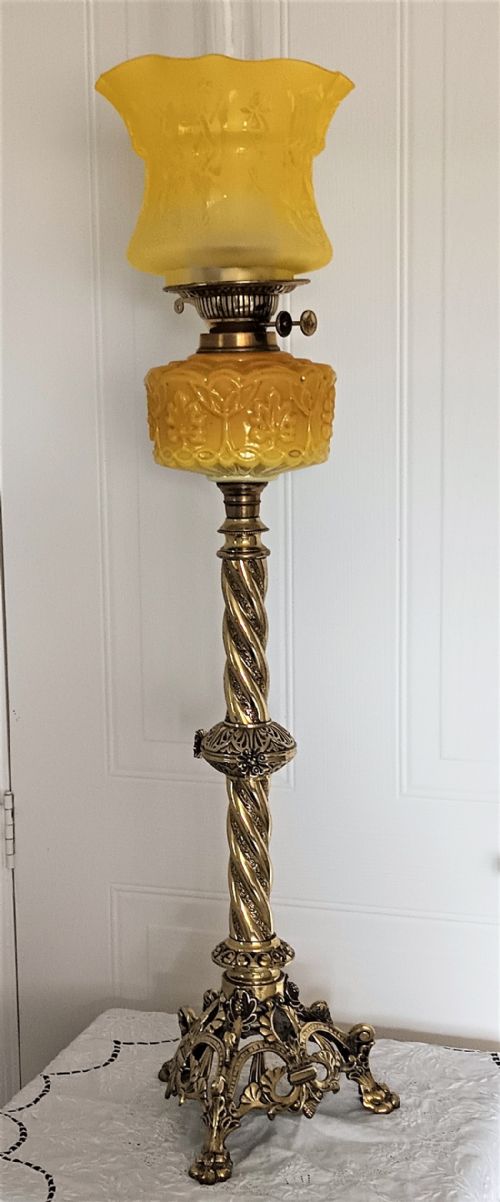
Maker workshops combined turned timber with cast brass and patinated metal, utilising dense hardwoods like mahogany, walnut, and oak alongside softer birch and ebonised finishes. Brass components were cast, chased, and occasionally silver plated, then combined with coloured glass fonts and etched tulip shades.
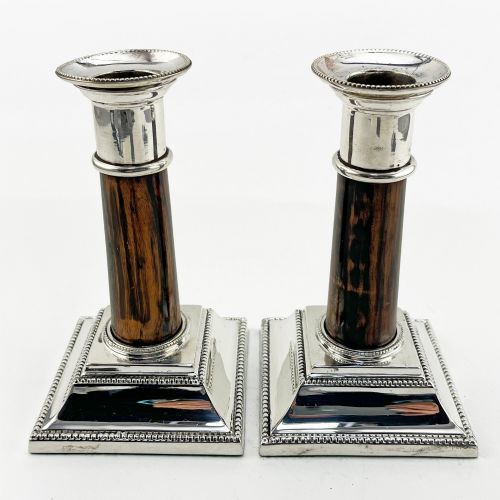
Woodwork relied on traditional turning, carving, and veneering techniques, creating barley twist stems, tripod bases, and inlaid burr walnut tops. Stonework and ceramics also appear, including glazed faience and polished onyx segments secured with metal collars.
Victorian Columns Retail Price Guide 2026
Typical asking prices for victorian columns among the pieces listed under this phrase on Sellingantiques today, from the lower quarter to the upper quarter. They describe what is for sale here now, not the wider market.
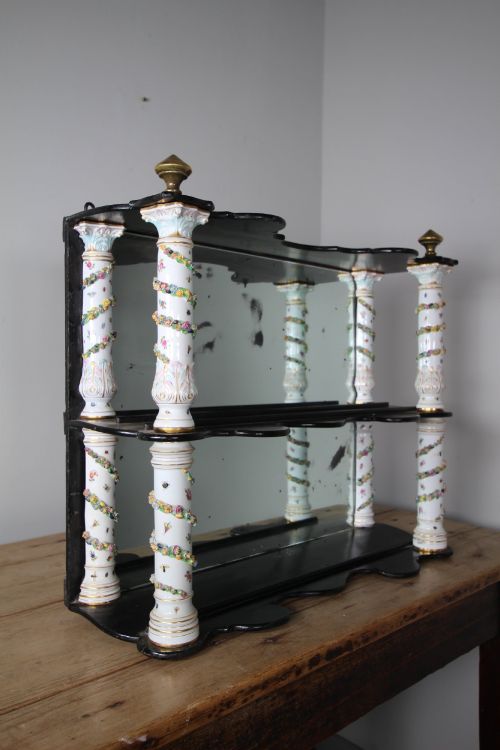
Several stands include built-in glass backs designed to reflect candlelight twice over across the evening room.
What varies in quality
The standard of a piece rests on the crispness of the casting in metal columns and the depth of carving in wooden pedestals. Finer examples display sharp acanthus leaves on Corinthian capitals, well-matched timber veneers, and substantial weight in the base.
Assembly methods and material selection distinguish standard domestic items from exhibition pieces. Superior works integrate rich secondary materials, such as cranberry glass fonts, heavy brass galleries, and robust tripod supports that ensure stability.
Burmantofts Faience·Royal Doulton
The Victorian Columns Glossary
- Corinthian column
- A classical architectural support characterised by ornate capitals decorated with rows of acanthus leaves. This form appears frequently on nineteenth-century brass table lamps and floor standards.
- Torchere
- A tall stand designed to hold a light or a decorative object. These slender wooden or metal pedestals elevate lamps and plant pots above floor level.
- Tripod base
- A three-legged support structure commonly found on nineteenth-century occasional tables and lamp stands. It provides balance on uneven domestic flooring.
- Ormolu
- Gilt bronze mounted onto furniture or stone columns. The technique creates bright metallic highlights against darker woods and stone shafts.
- Burr walnut
- Timber taken from walnut tree growths, yielding intricate grain patterns. Cabinet makers utilised this prized wood for the tops of occasional and lamp tables.
Victorian Columns: Frequently Asked Questions
How were these columns used originally?
These columns served primarily as elevated supports for oil lamps, decorative jardiniere bowls, and candle arrangements in principal reception rooms.
Their height brought light sources and plants to eye level, lighting dark corners or displaying prized botanical specimens.
What rooms suit a Victorian column best?
Drawing rooms, libraries, and hallways accommodate these stands comfortably, providing a vertical accent beside seating furniture.
They function practically as lamp tables or plant stands while adding classical architectural structure to the interior.
How do I distinguish brass from silver plated columns?
Brass columns reveal a warm golden alloy beneath worn areas, whereas silver plated examples show a bright white metal layer over a base composition.
Plated pieces often date toward the later nineteenth and early twentieth centuries as electroplating techniques became widespread.
Are these lamp tables stable enough for daily use?
Tripod bases and heavy weighted metal columns provide a secure footing for standard domestic table lamps and decorative objects.
Their balanced construction prevents tipping when placed on level carpets or wooden floorboards.