

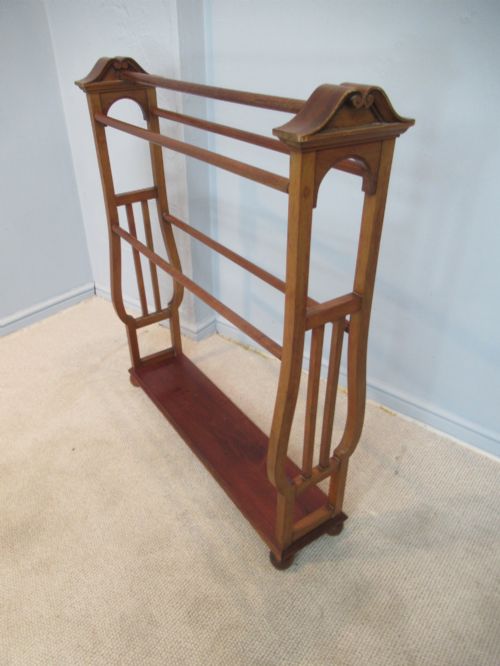


Victorian Clothes Rail
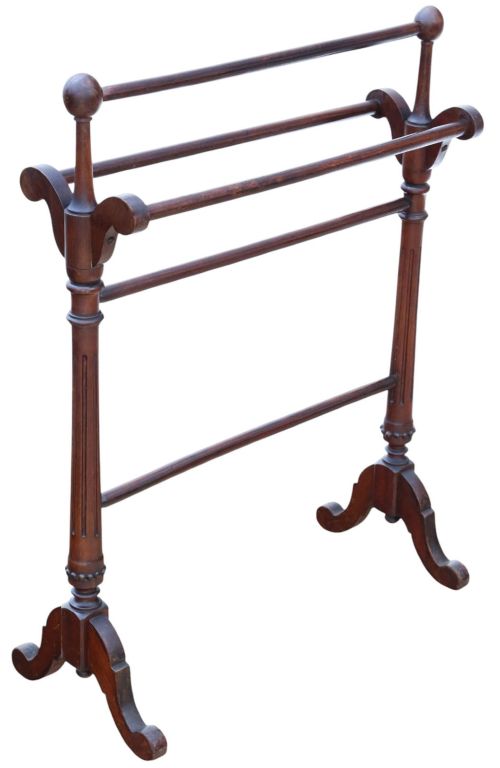
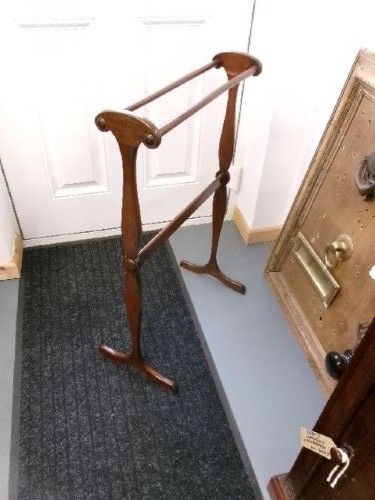
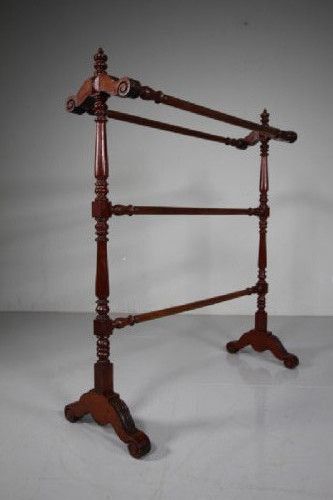
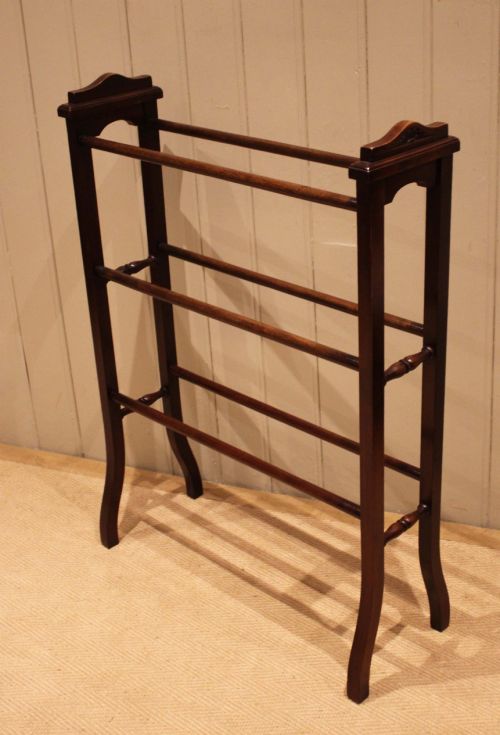
These nineteenth-century clothes rail pieces, often formed as standing towel airers and nursery stands, bring genuine period utility and timber character to any bedroom.
Victorian Clothes Rail
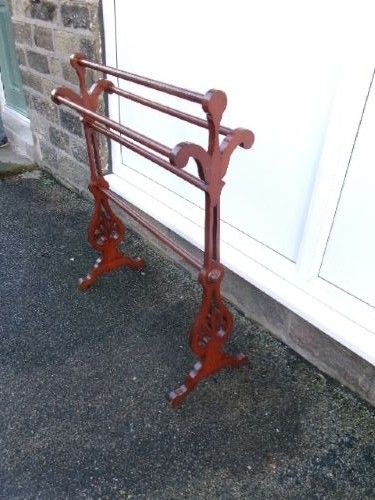
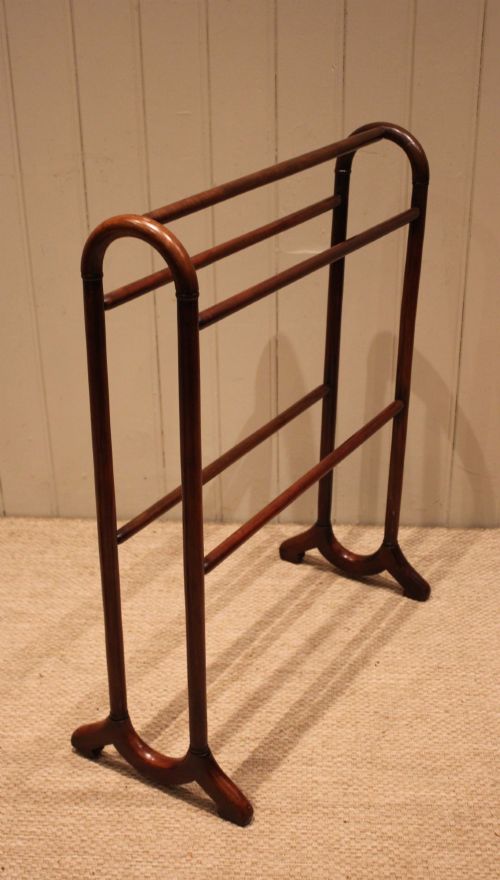
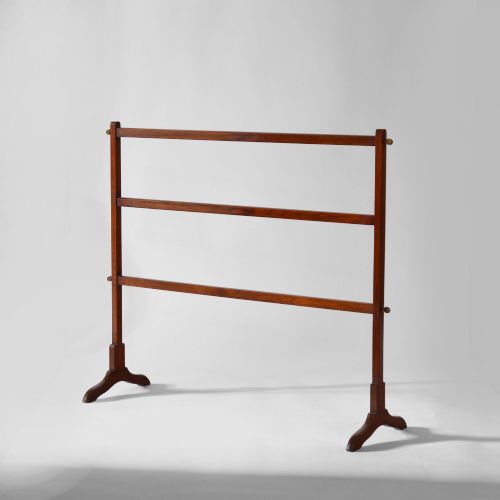
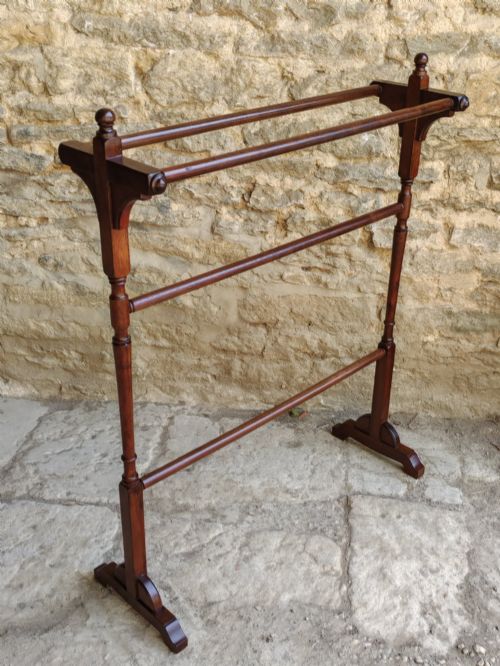
When you search for a victorian clothes rail, you encounter functional nineteenth-century standing towel rails and airers rather than modern metal garment racks. These pieces typically take the form of wooden floor-standing frames with multiple horizontal rails designed for drying textiles.
The selection here encompasses various timber forms dating from the nineteenth and early twentieth centuries, including folding cheval designs and multi-rail stands. Alongside standard towel rails, you find nursery fenders incorporating rails and robust campaign pieces intended for travel.
Mahogany predominates among the surviving examples, complemented by walnut, pine, teak, oak, and ebonised wood. Styles range from plain vernacular pine to decorative Victorian Gothic Revival and Arts and Crafts interpretations.
Materials and construction
Makers relied primarily on hardwoods such as mahogany and walnut, turning upright supports and tenoning horizontal rails for stability under damp linen. Softer woods like pine appear in painted or decorated country pieces, whilst specialised campaign items utilise durable teak with brass fittings.
Joinery techniques focus on mobility and strength, seen in folding mechanisms on cheval rails and sturdy pegged joints. Ebonised finishes and wire mesh details occasionally appear to alter the visual weight of the timber frames.
Victorian Clothes Rail Retail Price Guide 2026
Typical asking prices for victorian clothes rail among the pieces listed under this phrase on Sellingantiques today, from the lower quarter to the upper quarter. They describe what is for sale here now, not the wider market.
Listings span the nineteenth and early twentieth centuries, featuring mahogany, walnut, pine, teak, and oak across styles from Regency to Arts and Crafts.
Distinctions in quality
The upper tier of these pieces reveals itself through thoughtful proportions and well-figured timber selection, such as richly grained mahogany or walnut. Superior examples demonstrate careful turning on the uprights and robust hinges on folding multi-fold frames that prevent wobbling.
Simpler vernacular pieces in pine or oak rely on honest utilitarian construction rather than decorative flourish. Quality rests in the integrity of the joints and the retention of original timber surfaces rather than applied ornament.
The Victorian Clothes Rail Glossary
- Cheval rail
- A standing floor fixture featuring a pivoting frame or multiple hinged sections designed to swing open for increased hanging space. This format allows the rails to fold flat when not in use.
- Campaign piece
- Portable furniture originally constructed for military officers, typically featuring durable timbers like teak and brass hardware for easy disassembly.
- Ebonised wood
- Timber treated with a dark stain or finish to imitate expensive ebony, a technique popular for achieving a formal black surface.
- Gothic Revival
- A nineteenth-century style drawing inspiration from medieval architecture, characterised in these pieces by pointed arches or ecclesiastical detailing.
- Nursery fender
- A protective metal or wire mesh hearth guard that historically incorporated an integrated rail for drying children's garments.
Victorian Clothes Rail: Frequently Asked Questions
How were these rails used originally?
These frames stood near hearths or in bedrooms to warm and dry household linens, blankets, and garments before central heating existed.
Servants moved them from room to room as needed, utilising the multiple rails to air laundry efficiently.
What woods should I expect to find?
Mahogany is the most frequent material, followed by walnut, pine, oak, and teak. Each timber reflects the domestic or utilitarian context of its manufacture.
Some pieces feature ebonised finishes to mimic heavier, exotic woods.
Can I use an antique rail for daily clothes storage?
Most standing towel rails suit lighter garments, scarves, or blankets rather than heavy modern winter coats. Their historical function was airing textiles rather than supporting dense wardrobes.
Ensure the joints and feet remain stable before loading them with heavy modern fabrics.
How do I date a Victorian clothes rail?
Dating relies on timber choice, turning styles, and construction methods characteristic of periods like William IV, Victorian, or Edwardian eras. Simpler pine versions often align with country house vernacular traditions.
Detailed bracket shapes and joint types help distinguish mid-century pieces from later c.1900 productions.