

Victorian Ceramic Pottery
Victorian ceramic pottery encompasses the diverse earthenware, ironstone and majolica vessels, figures and utilitarian pieces produced throughout the nineteenth century.
Victorian Ceramic Pottery
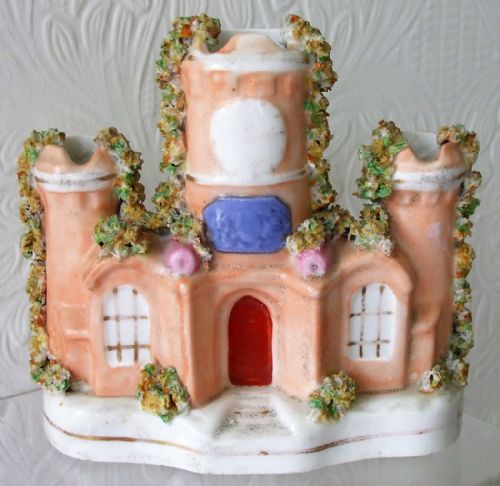
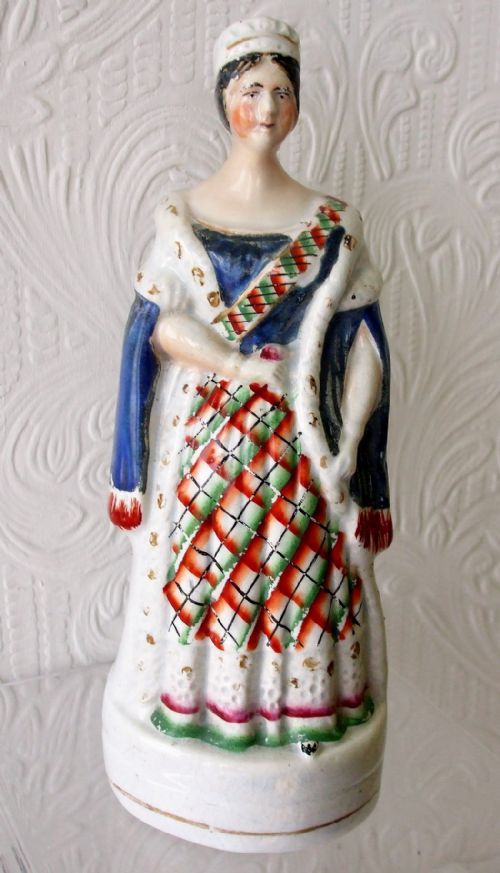
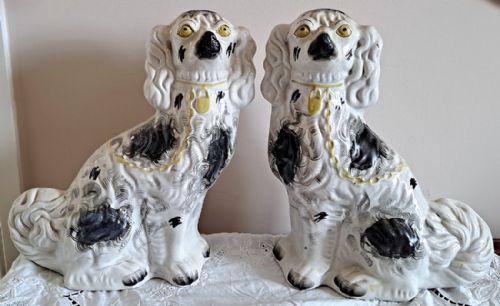
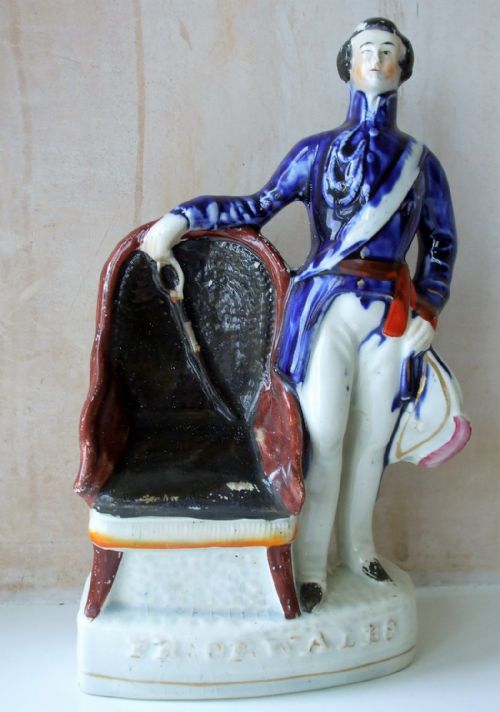
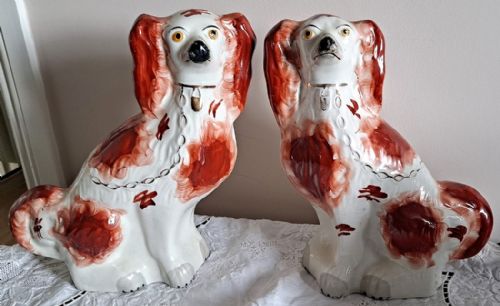
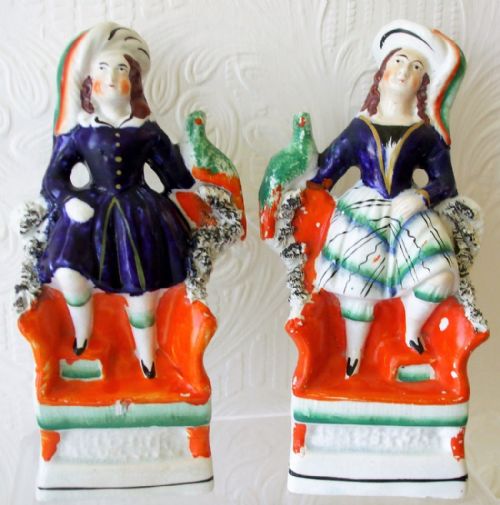
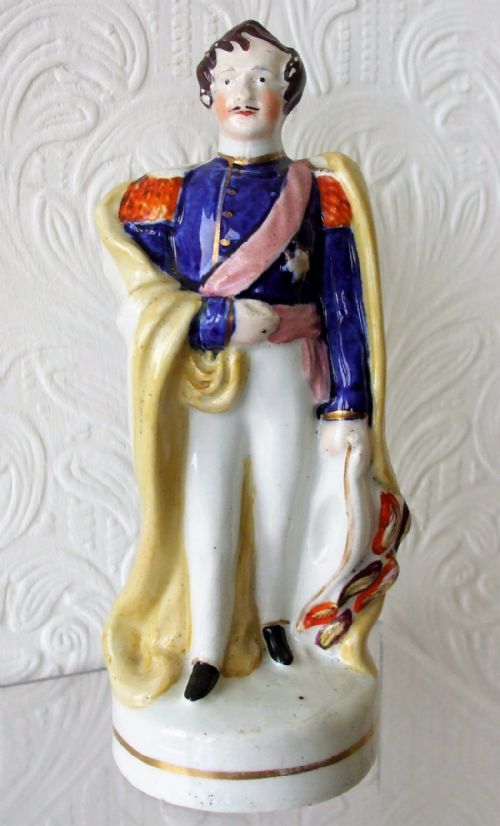
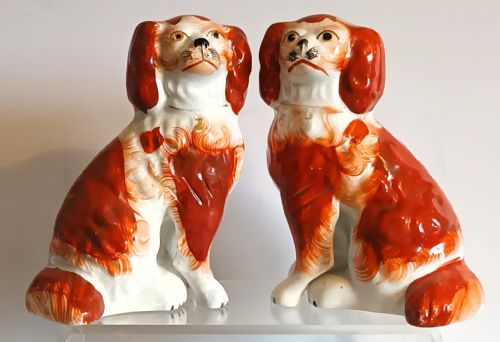
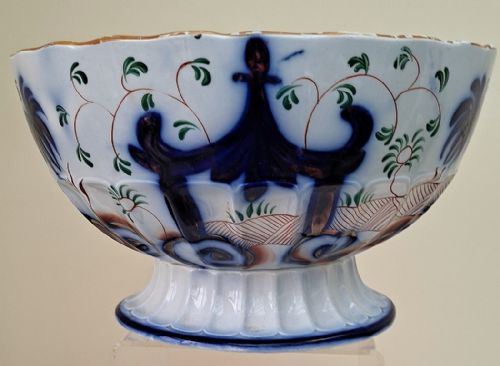
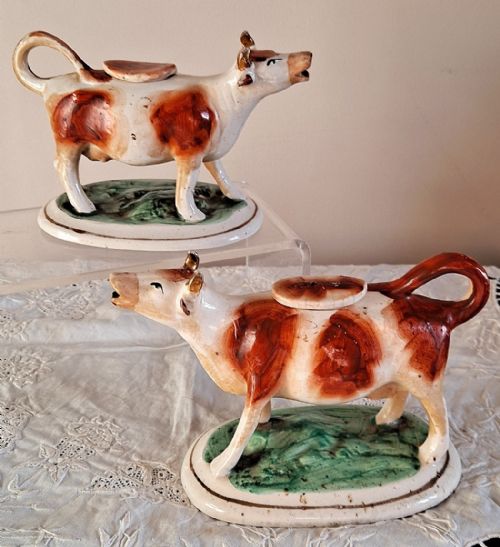
Most pieces originate from British potteries, though continental European stonewares and earthenware also appear across the selection. Common domestic and decorative forms include cheese domes, spill vases, wash basin bowls, and sculptural animal groups.
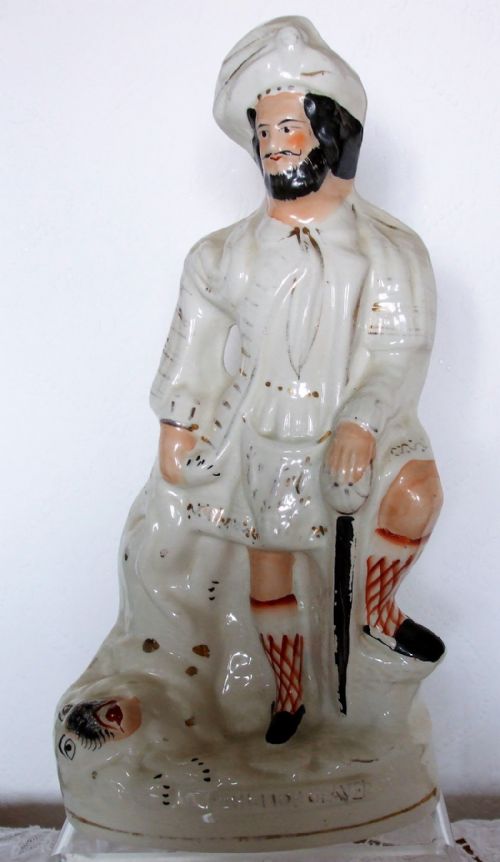
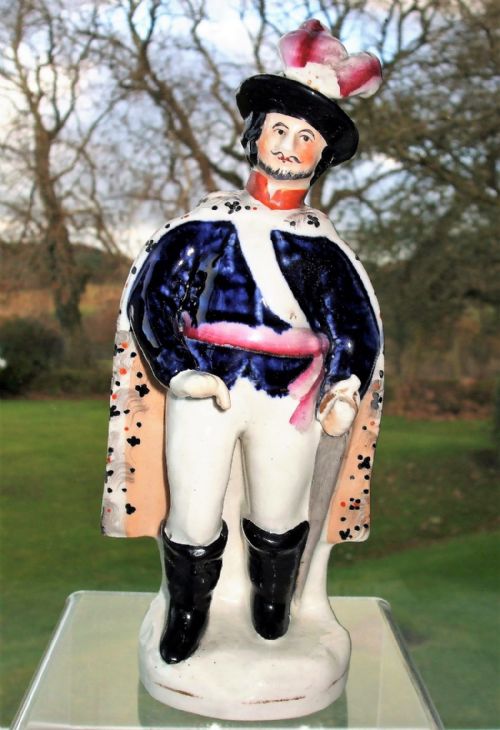
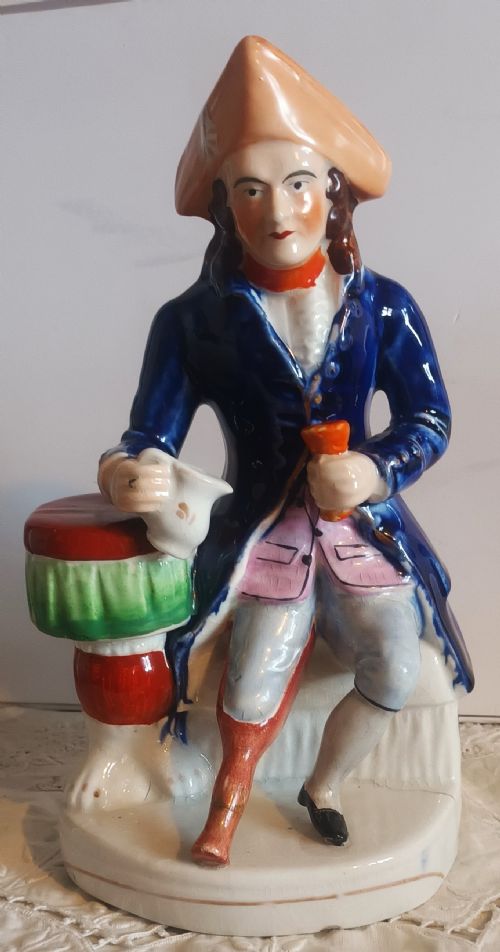
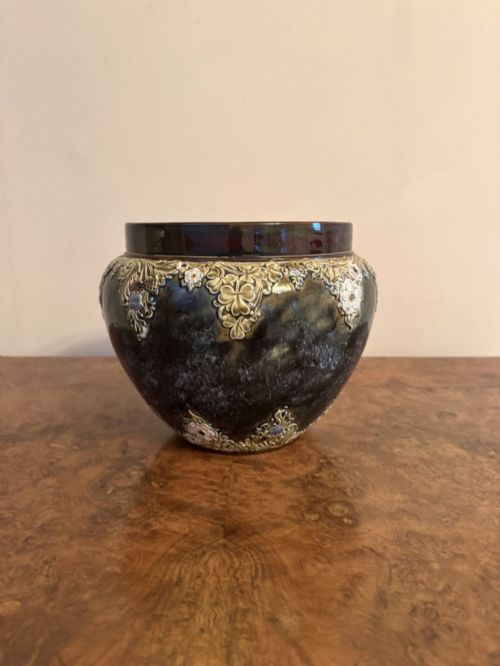
Moulded figures and utilitarian wares dominate the inventory, often reflecting the domestic tastes and commercial output of the period. Collectors find everything from utilitarian grocers' slabs to elaborate Aesthetic Movement vases and commemorative jugs.
Materials and production methods
Production relies heavily on earthenware, ironstone, and clay bodies finished with lead glazes, enamel colours, and transfer-printed designs. Potters shaped these materials using moulds or the potter's wheel before applying intricate hand-painted details or copperplate transfer prints.
Majolica wares utilise coloured lead glazes fired over moulded earthenware to achieve rich, vibrant green, brown, and blue surface effects. Ironstone provides a denser, more durable ceramic body suited to heavy kitchen and bathroom items like wash basins and cheese domes.
Victorian Ceramic Pottery Retail Price Guide 2026
Typical asking prices for victorian ceramic pottery among the pieces listed under this phrase on Sellingantiques today, from the lower quarter to the upper quarter. They describe what is for sale here now, not the wider market.
Victorian potters faithfully captured both fierce Russian bears and disgruntled poodles in clay.
Assessing quality in the ceramics
Quality rests upon the crispness of the moulding and the precision of the hand-painting or transfer printing. Superior pieces display finely detailed modelling, smooth glaze coverage without excessive pooling, and well-registered polychrome or cobalt decoration.
The reputation of the pottery or factory significantly influences the standing of a piece, with named works by known makers commanding greater attention. Condition and completeness, particularly on utilitarian items with covers or stands, also separate standard production wares from exceptional examples.
Thomas Parr factory·Burmantofts Faience·William Smith and Co·Doulton Lambeth
The Victorian Ceramic Pottery Glossary
- Majolica
- A type of pottery glazed with opaque tin or coloured lead glazes, producing bright, glossy surface colours. This technique gained immense popularity during the Victorian era for decorative and garden wares.
- Ironstone
- A durable semi-vitreous ceramic developed as a robust alternative to porcelain. It frequently appears in white utility wares and large decorative basins.
- Transferware
- Pottery decorated by applying a printed design from an engraved copper plate onto the ceramic surface using tissue paper. This method allowed for intricate pictorial scenes on plates and jugs.
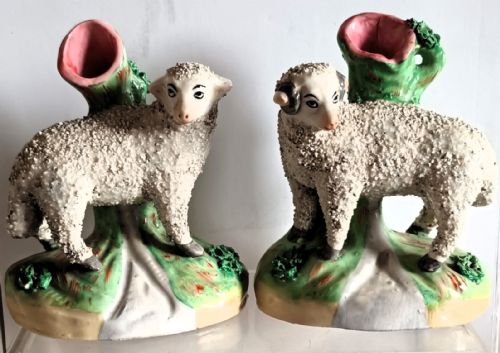
- Spill vase
- A hollow cylindrical ceramic holder designed to keep wooden spills used for lighting candles or fires. These vessels often take the form of figures, animals, or tree trunks.
- Lustreware
- Earthenware finished with a metallic glaze that produces an iridescent sheen. Sunderland and pink splash variants are characteristic nineteenth-century examples.
Victorian Ceramic Pottery: Frequently Asked Questions
What defines victorian ceramic pottery?
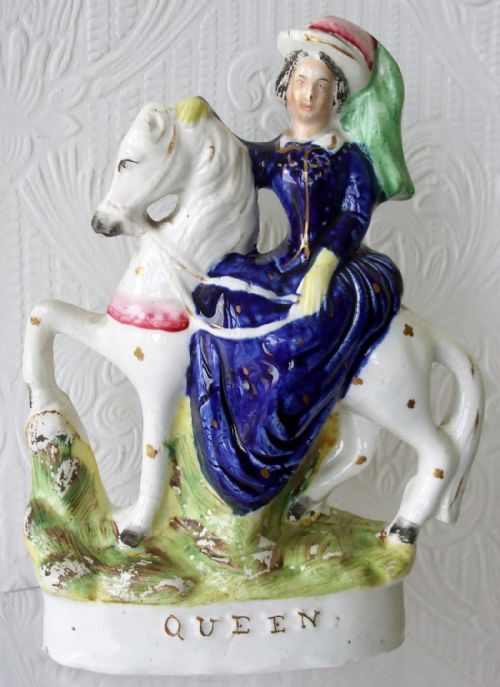
These pieces comprise nineteenth-century earthenware, ironstone, and majolica items ranging from decorative Staffordshire figures to practical domestic vessels.
They reflect the diverse manufacturing techniques and domestic styles popular throughout the Victorian period.
How do I care for antique pottery?
Wash these ceramics gently by hand in warm water using mild soap, avoiding harsh scrubbing or dishwashers that might damage historic glazes.
Keep them away from direct sunlight and sudden temperature changes to protect the ceramic body and surface decoration.
Were these items used daily?
Many objects served practical purposes in the nineteenth-century home, including kitchen storage, cheese preservation, and personal washing.
Others, such as mantel figures and decorative vases, were strictly ornamental items intended to display taste and status.
How can I tell the period?
Dating relies upon stylistic markers like Aesthetic Movement motifs, specific manufacturing techniques, and registered pottery marks stamped into the clay.
Comparing glaze types, moulding styles, and subject matter against known nineteenth-century examples helps confirm the era.