
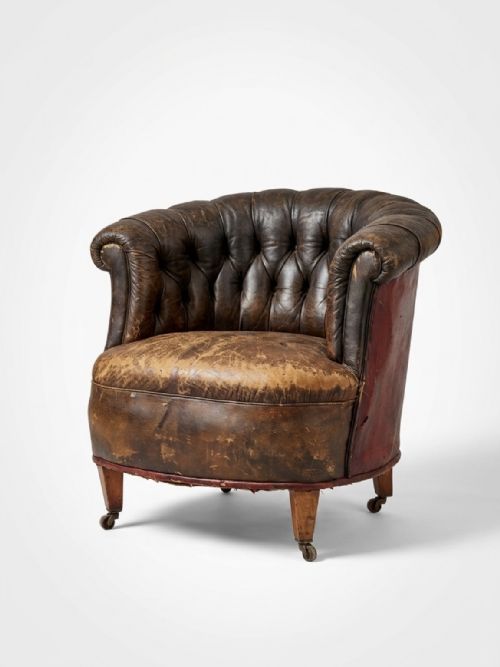
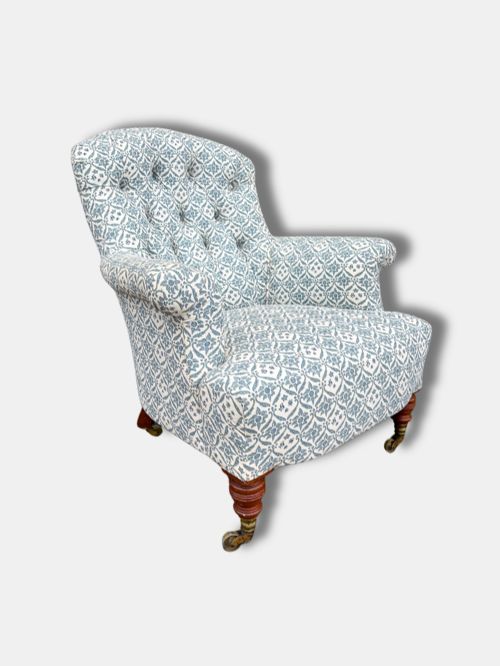
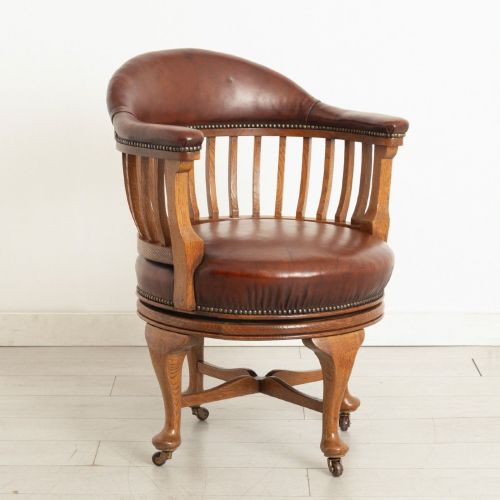
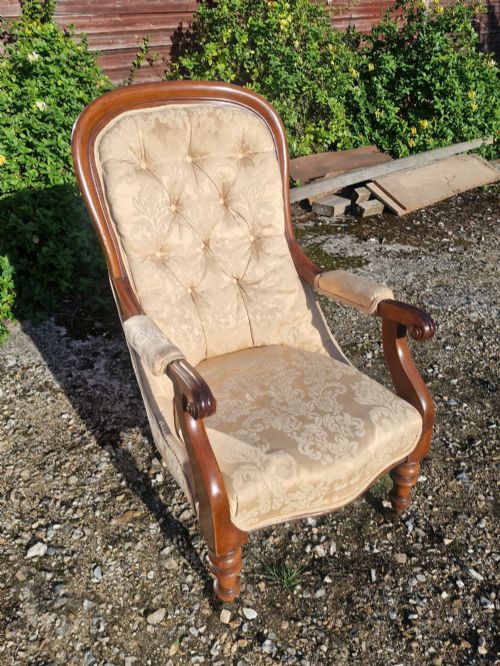

Victorian Castored Armchair
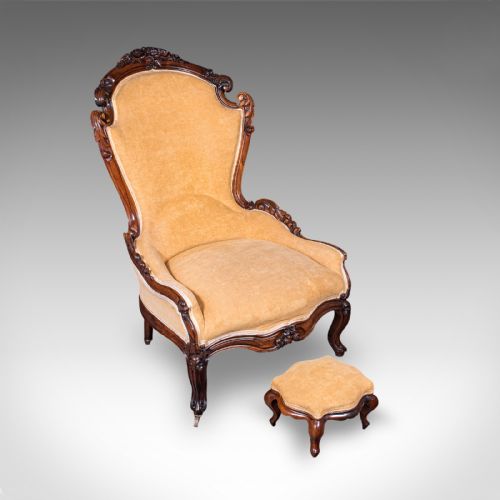
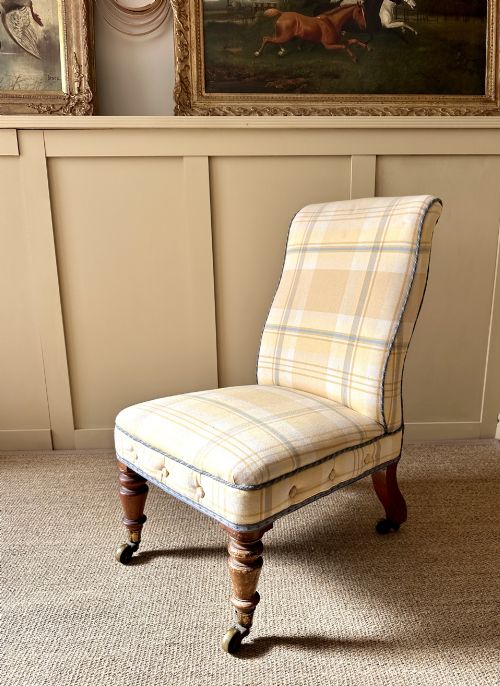
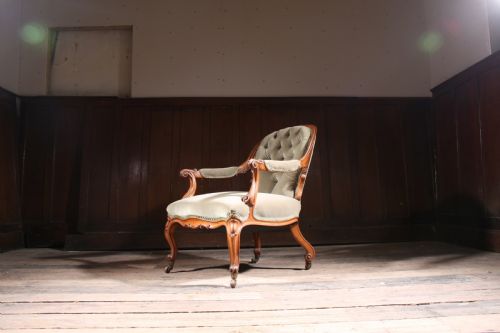
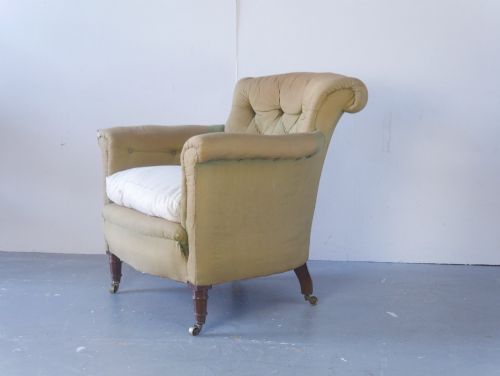
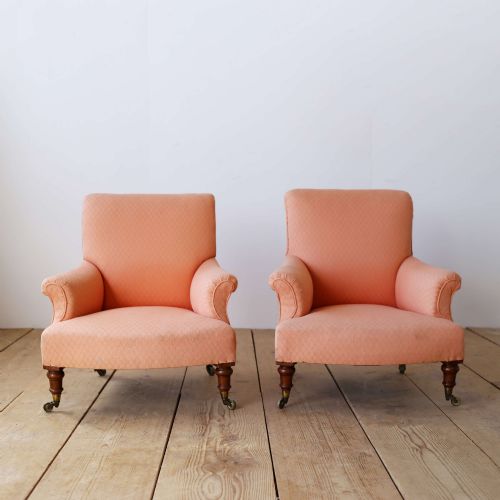
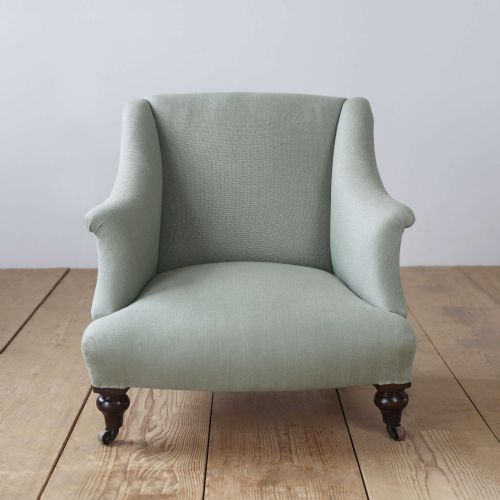
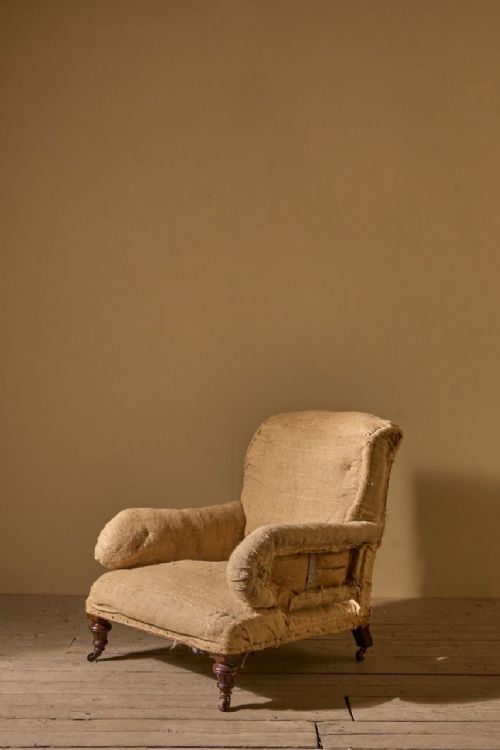
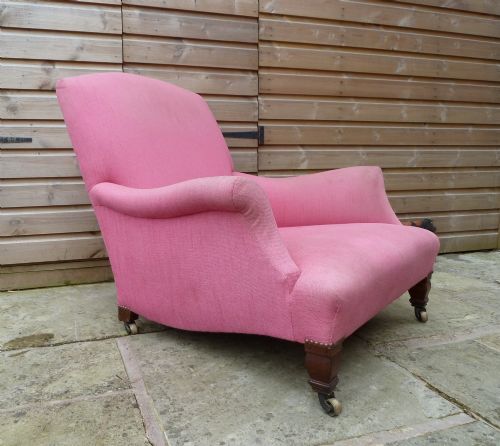
A victorian castored armchair brings nineteenth century comfort to a room, offering deep seating and sturdy mobility on small brass wheels.
Victorian Castored Armchair
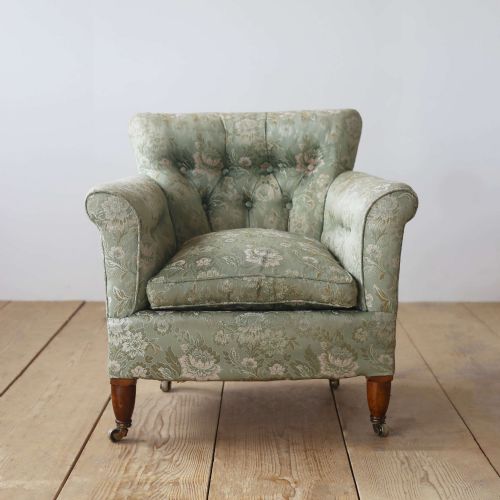
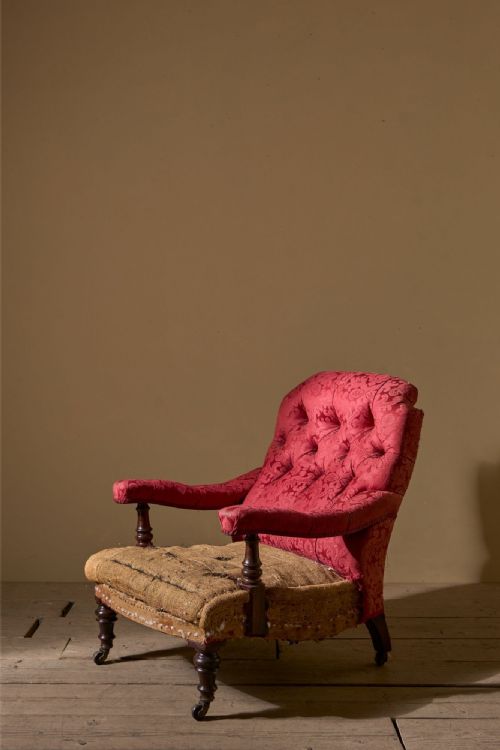
A victorian castored armchair takes many forms across this selection, from country house open armchairs to library chairs and button back designs. The evidence records periods spanning the nineteenth century, Victorian era, Edwardian period, and William IV, alongside styles like English Country House and French Napoleon III.
Makers and workshops including Howard and Sons, Gillows, Morison and Co, Holland and Sons, Hindley and Sons, and Morris and Co feature among the listings. Buyers encounter object types such as desk chairs, slipper chairs, nursing chairs, and side chairs alongside larger deep-seated armchairs.
Most pieces date to the nineteenth century, with specific decades like 1850, 1870, 1880, 1890, and 1900 appearing regularly. These seating options combine upholstered comfort with practical mobility provided by castors beneath the frame.
How they were made
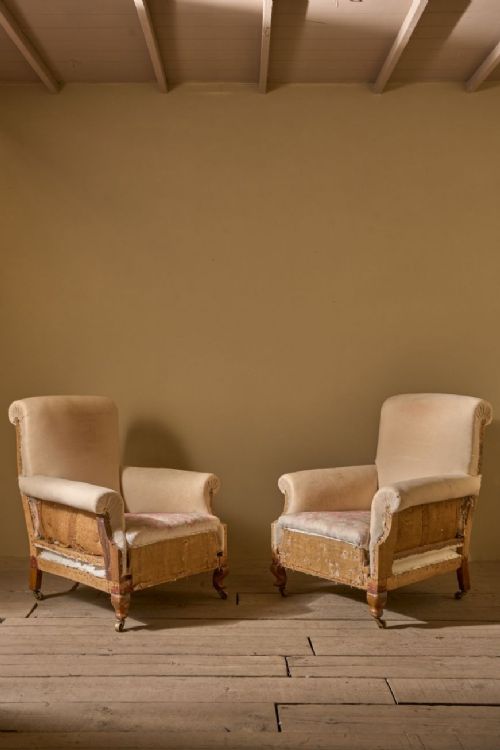
Frames rely on solid timbers such as mahogany, walnut, golden oak, and general wood construction. Upholstery utilises fabric, velvet, hessian, calico, and leather, often secured over deep springing systems.
Metal components appear primarily in brass castors fitted to the base of the legs for ease of movement. Details like button backs and reeded woodwork reflect the craftsmanship of nineteenth century cabinet makers and upholsterers.
The selection spans the nineteenth century, incorporating Victorian, Edwardian, William IV, and Arts and Crafts periods.
What varies in quality
The distinction between standard production and top tier work rests on the integrity of the underlying timber frame and the pedigree of the maker. Pieces bearing attribution or stamps from notable firms command greater attention from collectors.
Materials dictate the upper tier, seen in finer hardwoods like mahogany or walnut paired with quality leather or velvet upholstery. The precision of joinery and the original condition of the brass castors further separate ordinary seating from exceptional examples.
Howard and Sons·Gillows·Holland and Sons·Hindley and Sons·Morris and Co
The Victorian Castored Armchair Glossary
- Castor
- A small wheel mounted on a swivel assembly attached to the bottom of furniture legs to allow smooth rolling. These metal or wooden fittings appear frequently on nineteenth century seating.
- Button back
- An upholstery technique where depressions are formed in the padding by pulling twine tightly through the material and securing it with buttons. This creates a diamond pattern across the backrest.
- Library chair
- A heavy, substantial armchair designed for reading rooms and studies, often upholstered in green leather. These forms prioritise deep padding and supportive armrests.
- Open armchair
- A seating design with uncovered wooden arms rather than fully upholstered padded sides. The framework remains visible along the sides and supports.
- Reeded
- A decorative moulding consisting of parallel convex rows carved into wooden elements like legs or uprights. This technique provides subtle texture to structural parts.
Victorian Castored Armchair: Frequently Asked Questions
How do I identify a Howard style armchair?
Look for low proportions, turned walnut front legs on brass castors, and exceptionally deep, sprung seating designed for comfort. Stamped markings on the castors or ticking under the upholstery often confirm attribution to the firm.
Many pieces follow the traditional Bridgewater or Woodstock shapes established by the workshop during the nineteenth century. These chairs use supportive internal webbing and quality horsehair stuffing beneath the top fabric.
What is the difference between Victorian and William IV armchairs?
William IV pieces generally date from the 1830s and display heavier proportions with bold scrolled arms and dense mahogany frames. Victorian examples span a wider timeframe and often feature lighter turnings or varied revival styles.
Both periods utilise brass castors for mobility, but William IV frames tend to lean towards classical architectural motifs. Victorian versions frequently embrace button backs and diverse country house aesthetics.
Where were these armchairs originally used?
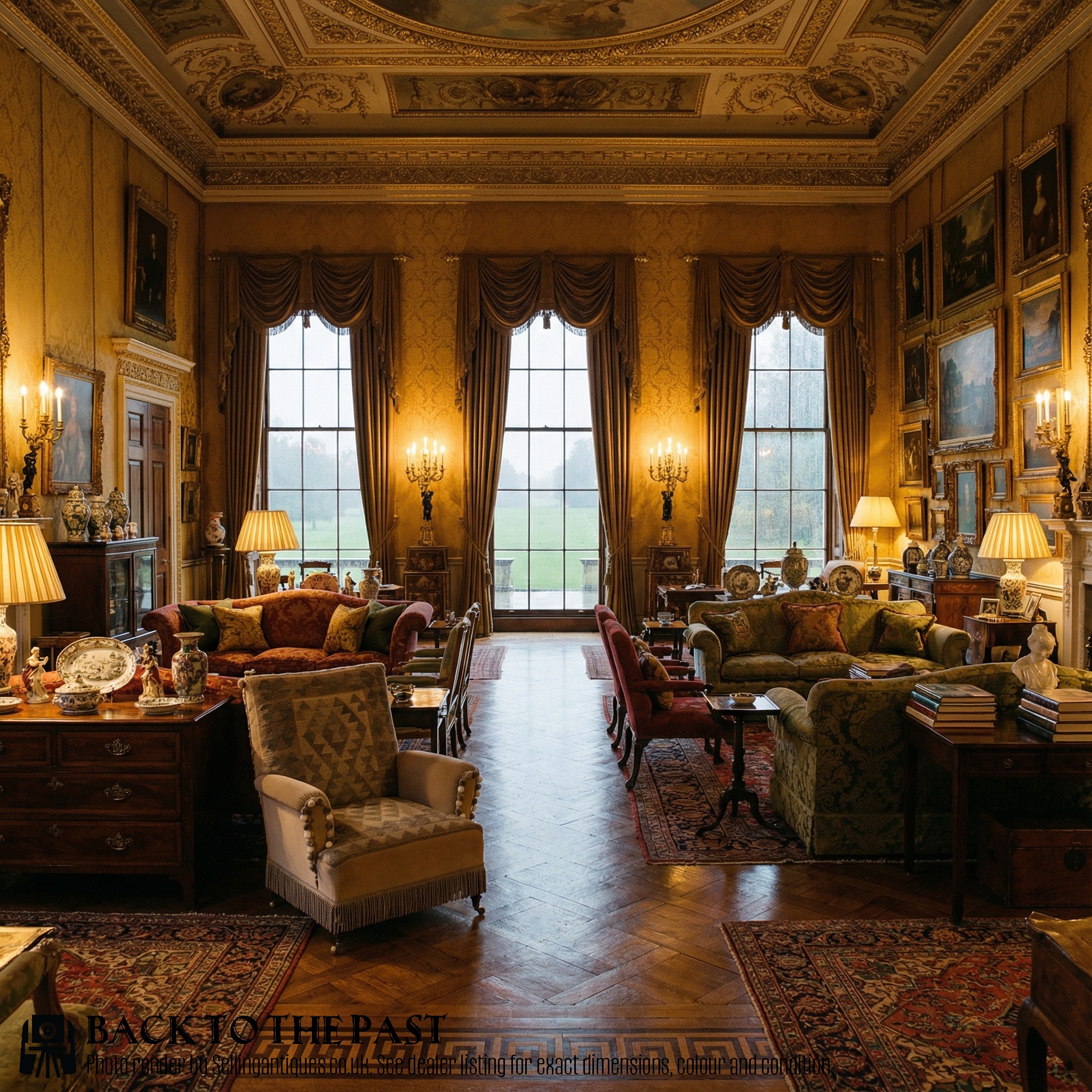
These seating pieces served primarily in drawing rooms, libraries, and studies of large country houses and urban residences. Library chairs accommodated long hours of reading, while smaller nursing or slipper chairs sat near bedroom hearths.
Their robust construction and castors allowed servants to move them easily between rooms for entertaining or cleaning. Deep-seated variants were designed specifically for relaxed lounging.
How do I care for antique leather upholstery?
Maintain leather upholstery by keeping it away from direct sunlight and heat sources that dry out the material. Apply a specialist leather balsam periodically to preserve suppleness and prevent cracking.
Avoid harsh chemical cleaners and dust the surface gently with a soft, dry cloth. Original leather patination develops over decades and requires minimal intervention to maintain its appearance.