



Victorian Carving Knife
These Victorian carving knife items include serving tools and cutlery sets from the nineteenth century crafted in silver, steel, and mother-of-pearl.
Victorian Carving Knife
A victorian carving knife typically appears as part of a serving set or cutlery collection spanning the nineteenth century. Buyers searching this phrase encounter nineteenth-century pieces originating from around the eighteen sixties through the nineteen tens.
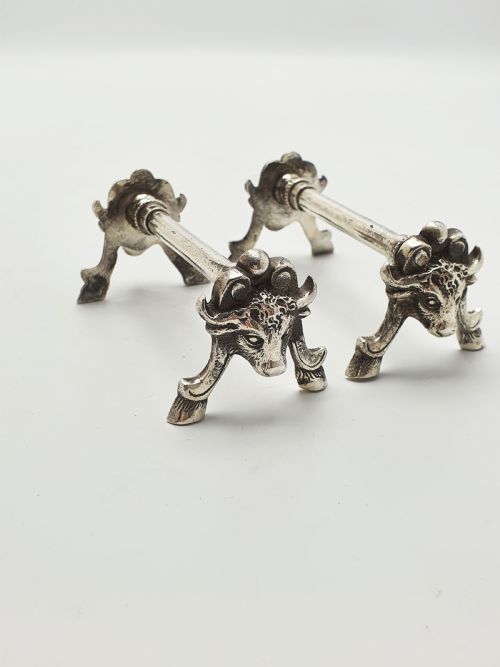
The selections on this page incorporate related serving pieces and cutlery such as fish servers, fruit knives, and knife rests alongside primary carving sets. These items reflect the dining customs of the Victorian era and the subsequent Edwardian transition.
Materials and construction
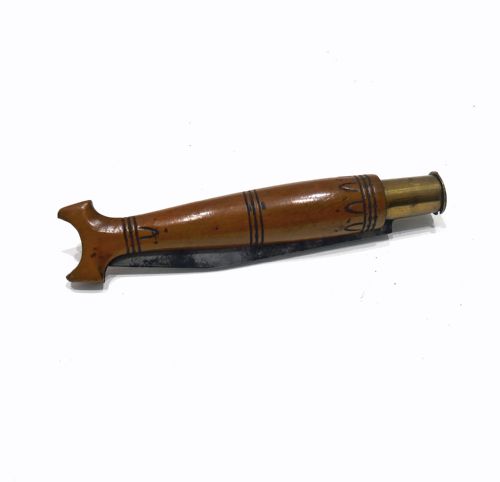
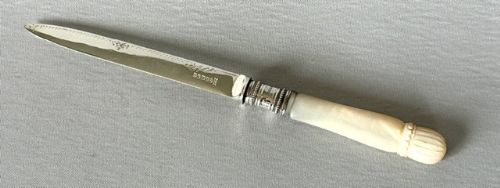
Makers utilised steel for functional cutting edges, pairing the metal with handles formed from mother-of-pearl, antler horn, and various woods including fruitwood and yew. Many handles utilise natural materials shaped to fit the hand.
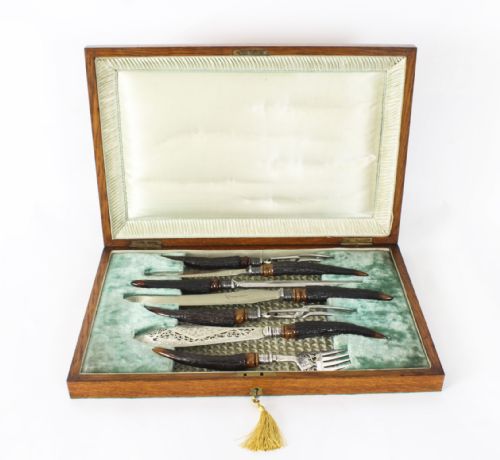
Mounts, ferrules, and blades frequently incorporate sterling silver or silver plate applied over base metals. Presentation sets often arrive housed in fitted boxes lined with velvet.
Victorian Carving Knife Retail Price Guide 2026
Typical asking prices for victorian carving knife among the pieces listed under this phrase on Sellingantiques today, from the lower quarter to the upper quarter. They describe what is for sale here now, not the wider market.
One exceptional nineteenth-century piece takes the literal form of a wooden fish complete with a fisherman's penknife tucked inside.
Evaluating craftsmanship
Quality rests upon the integrity of the handle material and the precision of the metalwork engraving. Solid sterling silver mounts distinguish finer service pieces from standard silver-plated alternatives.
The cohesion of a boxed set and the survival of original fitted presentation cases influence the overall standard of the surviving pieces.
The Victorian Carving Knife Glossary
- Silver Plate
- A thin layer of silver fused to a base metal core. This technique provided the appearance of solid silver at a lower production cost.
- Mother-of-Pearl
- The iridescent inner layer of pearl oyster shells used for knife and utensil handles. It provides a luminous decorative surface.
- Sterling Silver
- An alloy consisting of silver and other metals, standardised for purity. It forms the primary metal for higher-grade Victorian cutlery mounts.
- Ferrule
- The metal ring or cap that secures the handle to the blade of a knife. It prevents the wood or pearl from splitting under pressure.
Victorian Carving Knife: Frequently Asked Questions
What is a victorian carving knife used for?
These pieces served joints of meat at the dining table during formal meals. They formed part of larger service sets designed for domestic hospitality.
Today, collectors utilise them for display or traditional table service during family gatherings.
How do I care for mother of pearl handles?
Mother-of-pearl requires gentle cleaning with mild soap and warm water followed by immediate drying. Avoid harsh chemicals and soaking.
Store these items away from direct sunlight and extreme temperature shifts to protect the delicate shell material.
Are these items made of solid silver?
Some pieces feature solid sterling silver mounts or blades marked with assay hallmarks. Other examples utilise silver plate over a base metal.
Examining the metal surfaces and any stamped hallmarks reveals the exact composition of each individual tool.
How do I date a carving set?
Dating relies on stylistic clues, accompanying presentation boxes, and any visible silver hallmarks stamped onto the metal. Victorian pieces typically span the mid to late nineteenth century.
Comparing the handle materials and decorative motifs against known production periods helps narrow the manufacturing decade.