
Victorian Carved Wooden Chair
A victorian carved wooden chair brings nineteenth-century craftsmanship into a modern room through sturdy timbers and detailed relief work.
Victorian Carved Wooden Chair
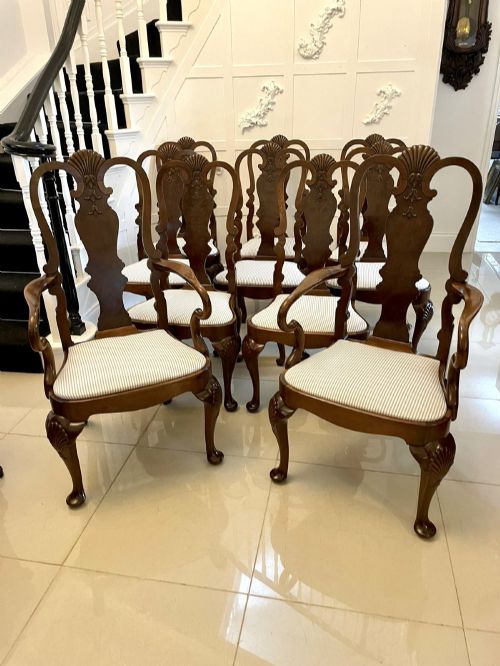
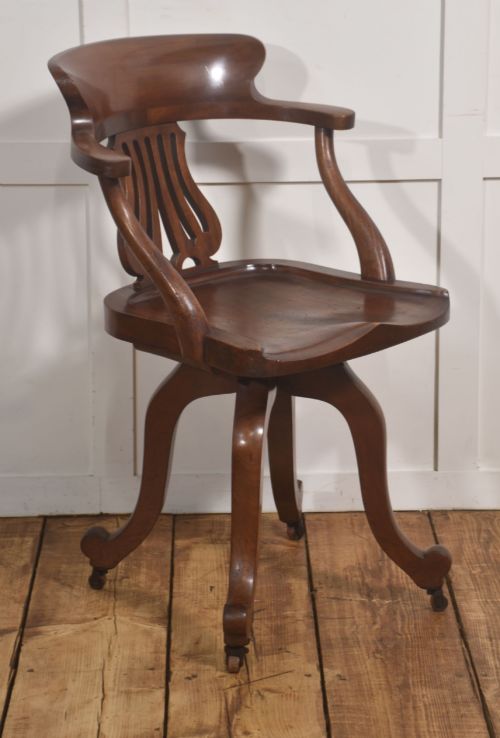
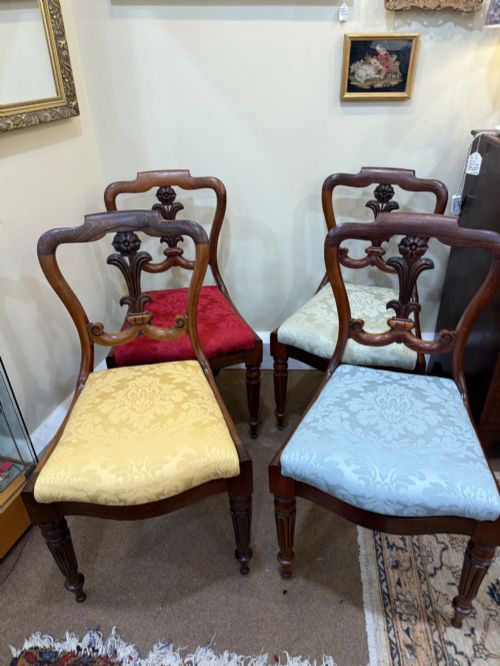
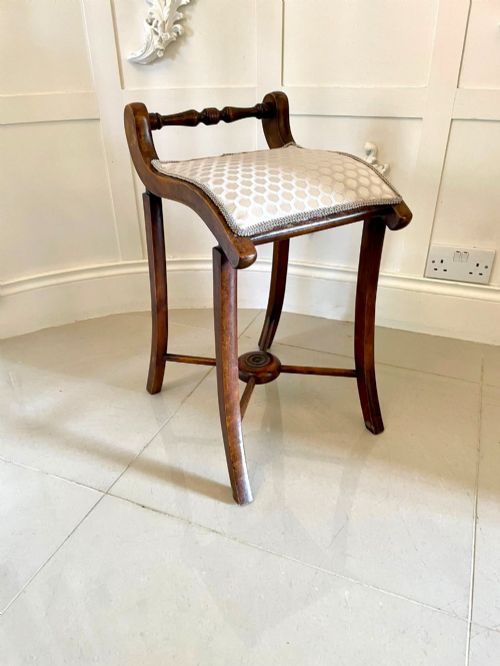
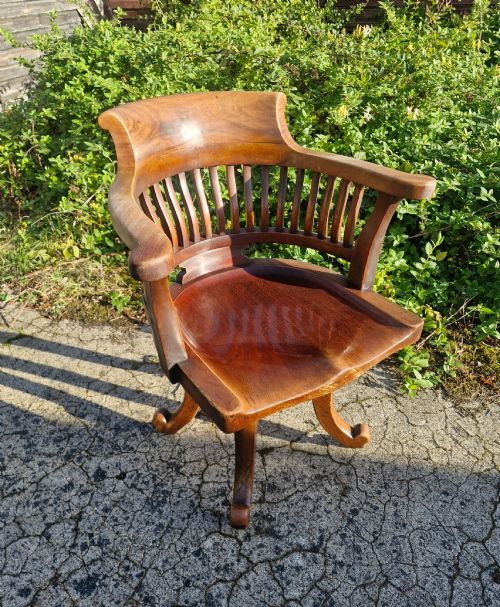
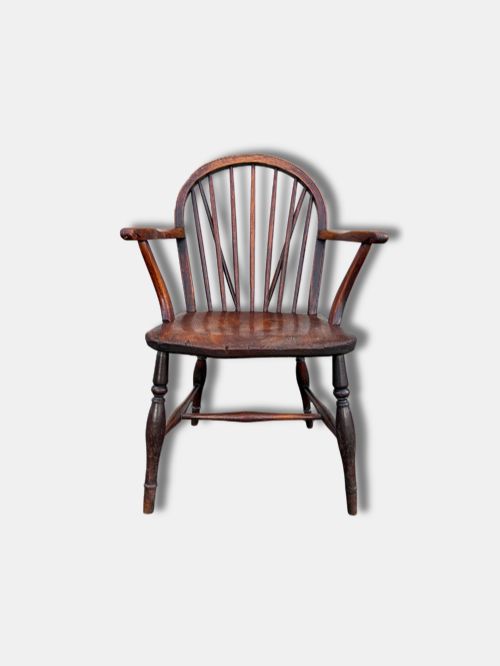
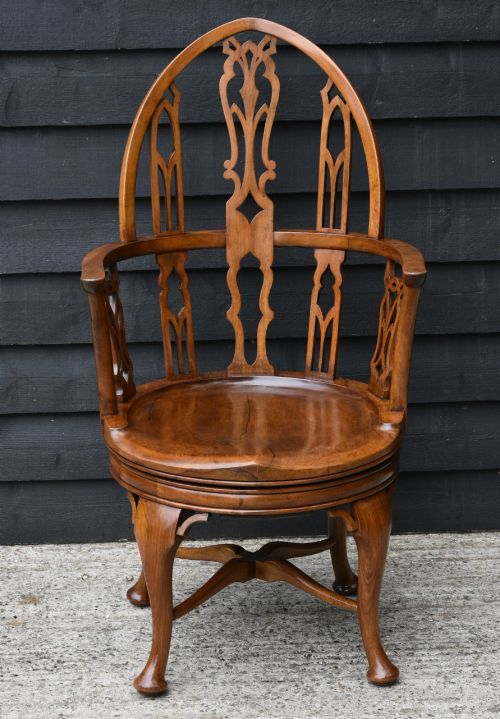
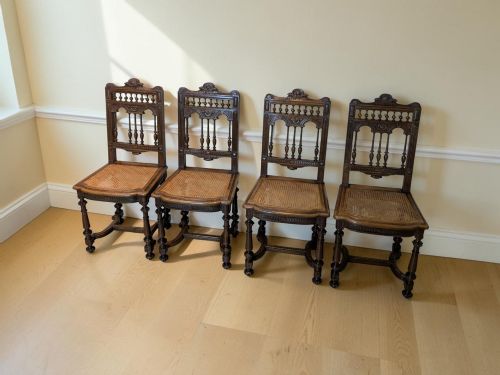
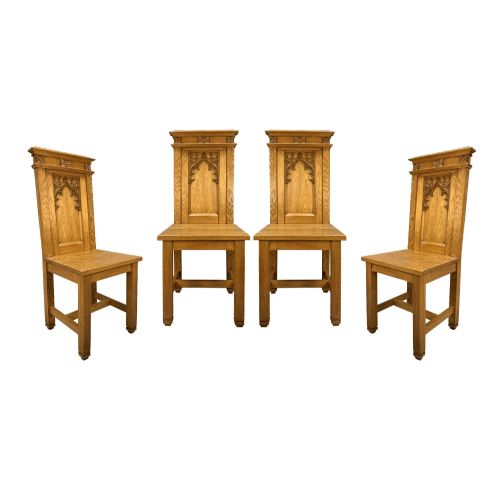
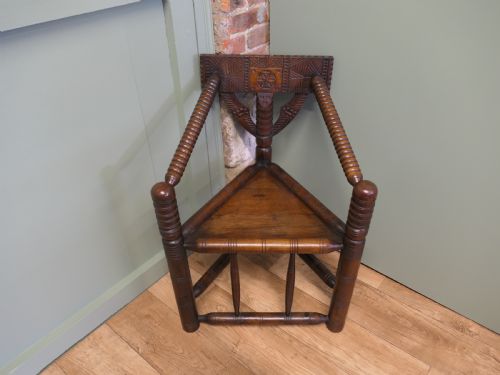
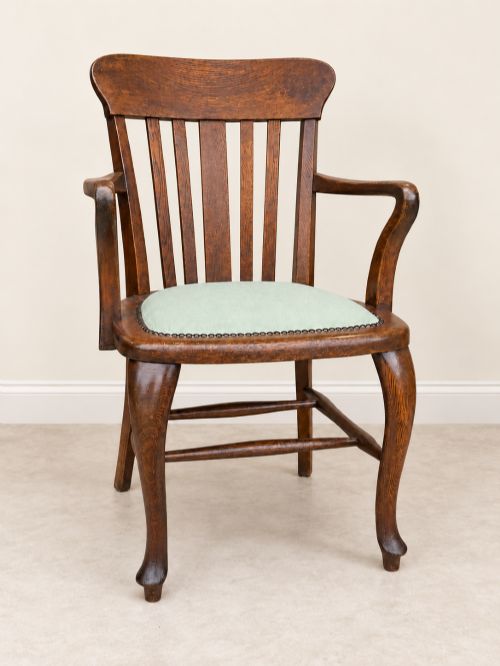
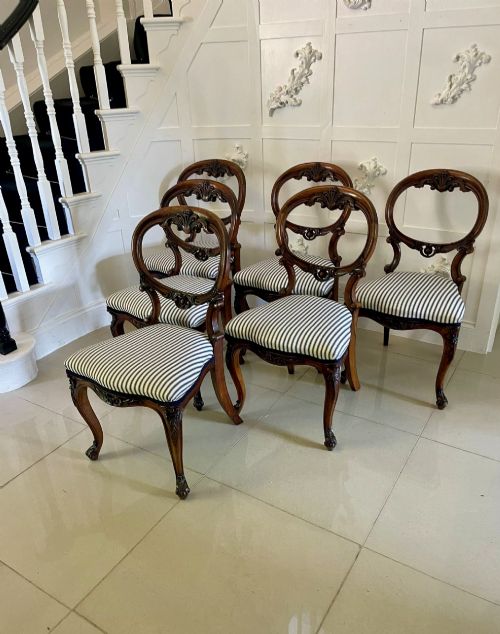
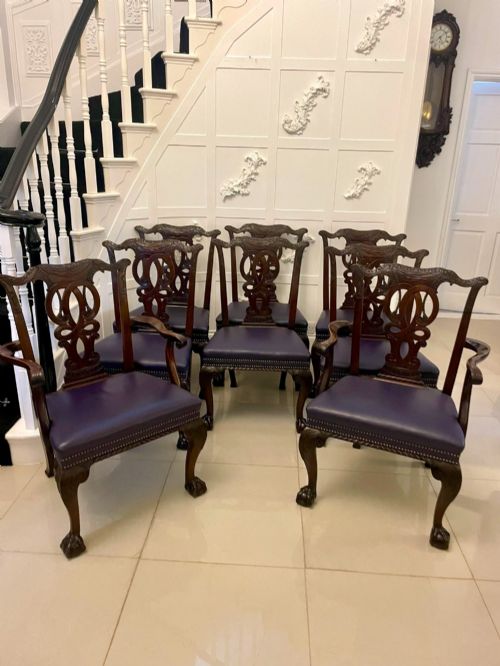
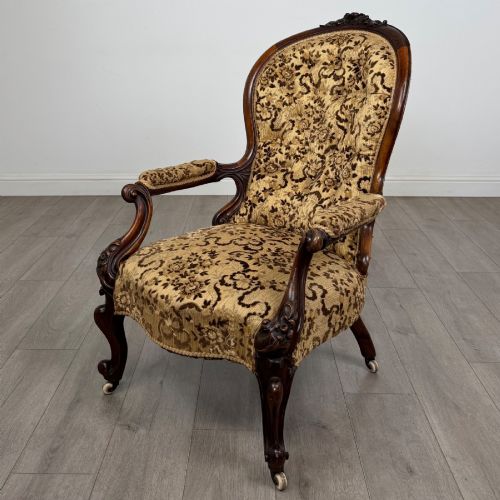
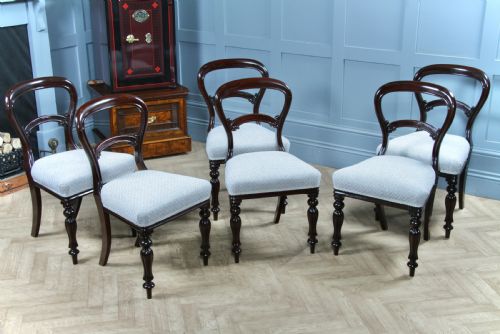
When you search for a victorian carved wooden chair, you encounter a diverse array of seating designed for specific domestic roles across the nineteenth century. Dining chairs, hall chairs, armchairs, and rocking chairs dominate the selection, often appearing in sets or pairs alongside singular office and reception seats.
The aesthetic vocabulary spans straightforward country utility to ornate revival movements. Pieces reflect the prevailing tastes of the period, incorporating Gothic, Renaissance, Baroque, and Chippendale influences into their wooden frames.
Materials and Construction
Cabinet makers utilised dense hardwoods such as mahogany, walnut, and oak to build frames capable of supporting intricate hand-carved details. Elm, beech, birch, and ash appear frequently in regional Windsor and kitchen seating.
Upholstered variants incorporate traditional stuffing held by fabric, leather, or velvet, while specialised decorative elements feature brass fittings or mother-of-pearl inlay.
Listings feature mahogany, oak, walnut, and elm timbers across nineteenth-century dining, hall, and desk chair formats.
Judging Quality
Quality rests upon the crispness of the hand carving and the selection of timber grain. Superior examples display deep, sharp relief work on the crest rails and splats rather than soft, mechanical shaping.
Structural integrity depends on tight joinery in the legs and stretchers. Chairs retaining their original upholstery substructure or showing honest patination across the wood surface command greater attention.
Howard and Sons
The Victorian Carved Wooden Chair Glossary
- Balloon back
- An oval-shaped chair back resembling a balloon, popular in Victorian mahogany and walnut dining seats.
- Graft
- A timber joint used by makers to repair or extend sections of a chair frame during production or restoration.
- Sgabello
- An early style of wooden hall chair with a high back and solid trestle supports instead of legs.
- Captain's chair
- A low-backed wooden armchair designed for comfort, often featuring a rounded spindle rail above a solid seat.
- Patina
- The surface sheen and colour developed on wood through age, handling, and waxing over decades.
Victorian Carved Wooden Chair: Frequently Asked Questions
How do I identify a Victorian chair?
Look for characteristic nineteenth-century timber choices such as dark mahogany or walnut combined with revival stylistic cues like balloon backs or Gothic tracery. The construction methods and joinery typically reflect mid to late-nineteenth-century workshop practices.
Examine the underside and joints for hand-cut screws or traditional pegging. Labels or stamps from makers occasionally appear beneath the seat rails.
Were these chairs used for dining?
Many of these pieces served as formal dining seating, often produced in sets of four, six, or eight. Sturdier carver chairs were placed at the head of the table.
Side chairs and balloon back models were specifically proportioned for dining rooms, while heavier armchairs fulfilled lounging or desk duties.
What is a hall chair?
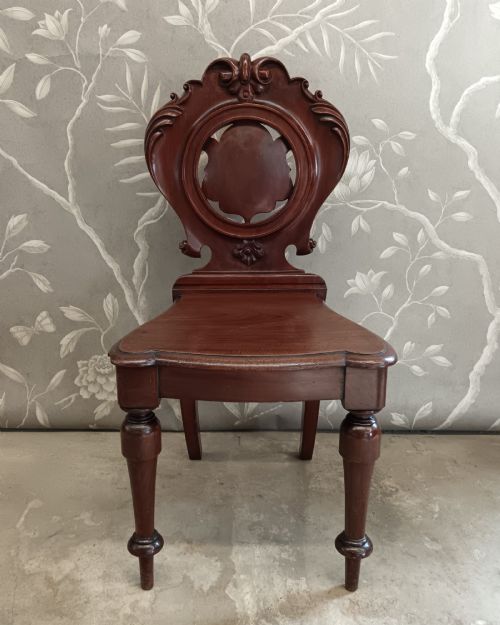
Hall chairs were rigid, upright wooden seats positioned in entranceways for guests or visitors waiting briefly. They frequently featured solid timber panels with carved crests or painted family crests.
Unlike comfortable parlor seating, these chairs emphasised formal appearance and durability over cushioning.
How should I care for antique wood?
Maintain the timber by applying natural beeswax periodically to nourish the grain and preserve the surface sheen. Avoid placing the chair near direct heat sources or strong sunlight which can dry out the wood.
Dust regularly with a soft cloth and check structural joints annually to ensure stability.