


Victorian Carved Shelves
These Victorian carved shelves bring nineteenth-century timber and intricate joinery into modern rooms, offering both display space and architectural character.
Victorian Carved Shelves
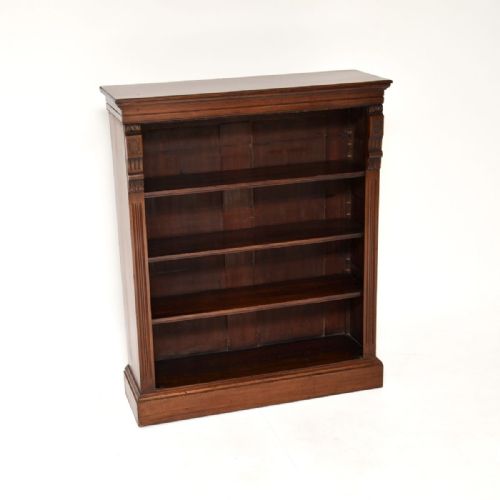
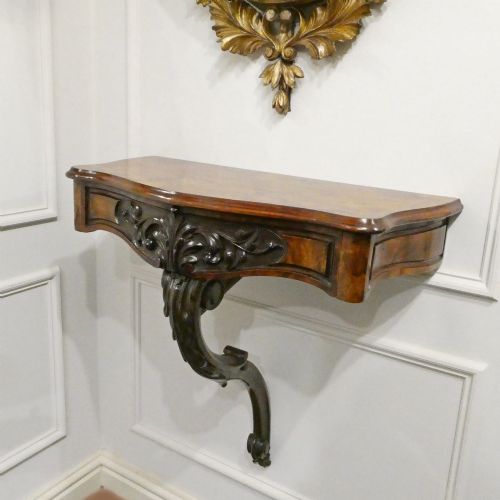
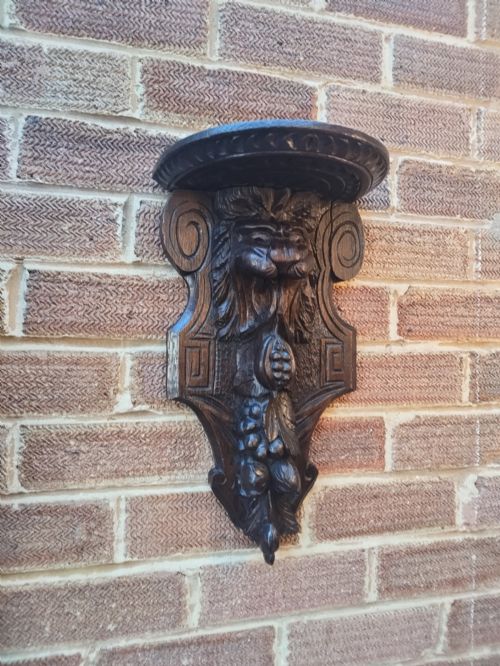
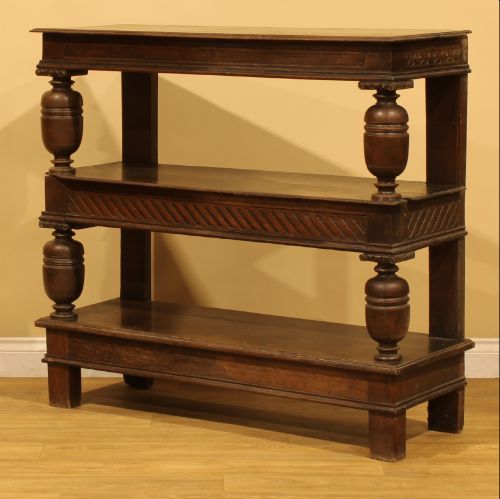
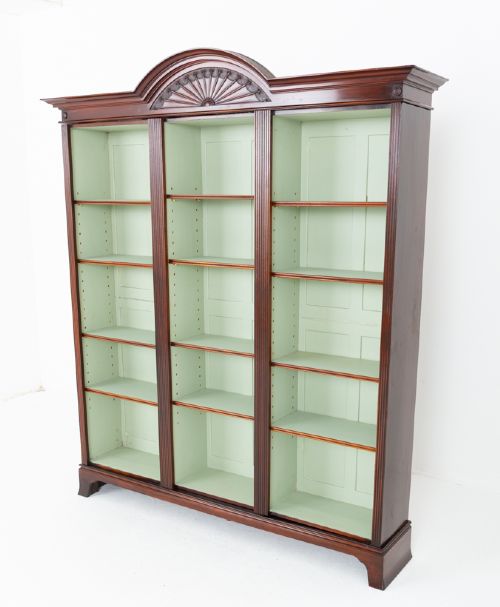
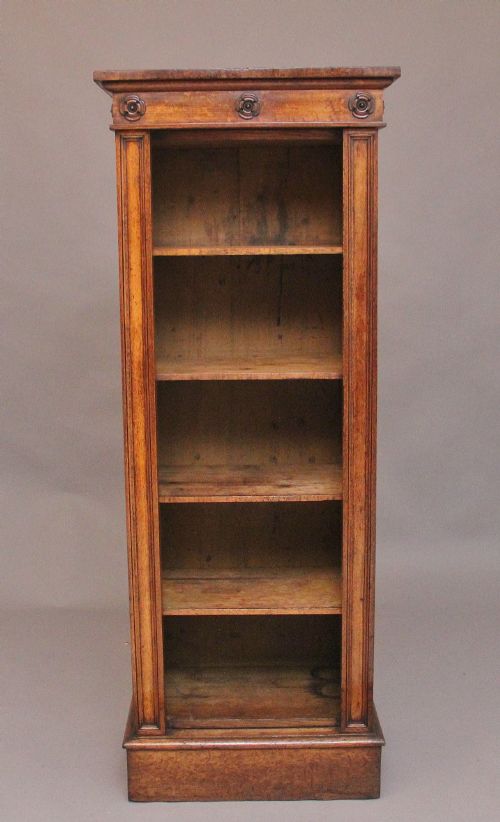
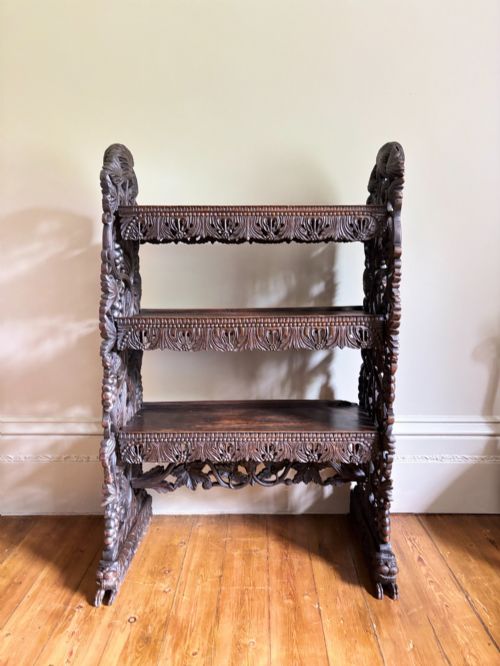
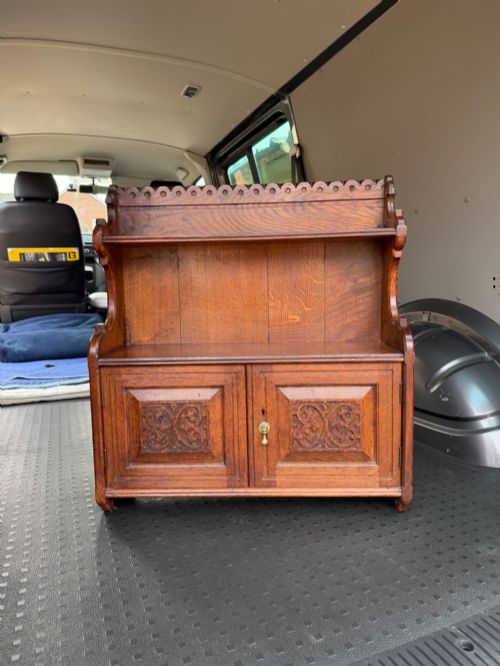
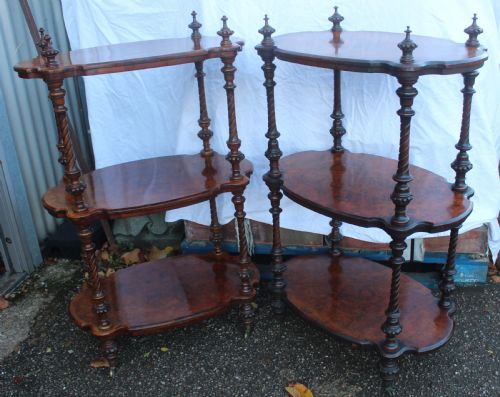
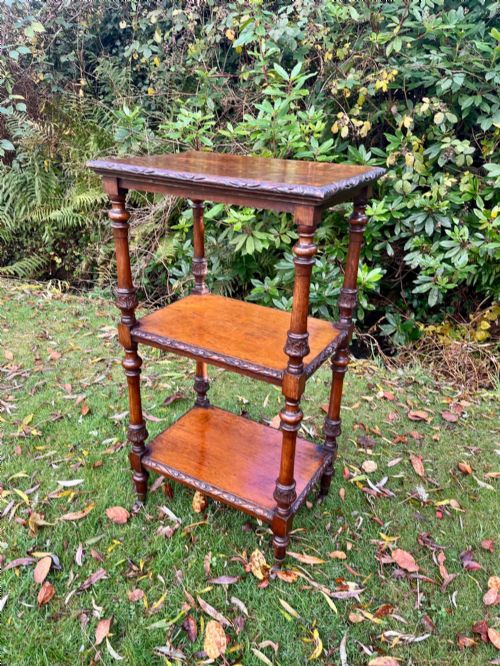
Victorian carved shelves span open bookcases, corner whatnots, wall-hanging racks, and multi-tier display units. The listings show a strong presence of oak and mahogany, often featuring adjustable shelving or decorative fretwork alongside structural vertical supports.
Makers and workshops of the period produced these pieces in forms ranging from compact wall brackets to tall standing bookcases. Walnut and burr walnut appear frequently alongside rosewood and pine, reflecting the diverse domestic needs of nineteenth-century interiors.
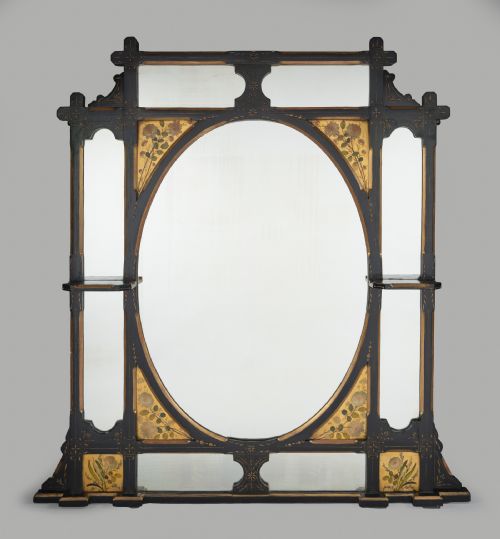
Buyers encounter styles that cross paths with Aesthetic Movement ideals, Gothic influences, and Anglo-Indian craftsmanship. Pieces frequently integrate functional storage with display surfaces, such as galleried tops and tiered compartments.
Materials and construction methods
Cabinetmakers utilised solid hardwoods like oak, mahogany, walnut, and rosewood, often pairing them with pine for secondary framing or internal elements. Grain patterns in burr walnut and padauk were selected for visual impact on prominent display surfaces and door panels.
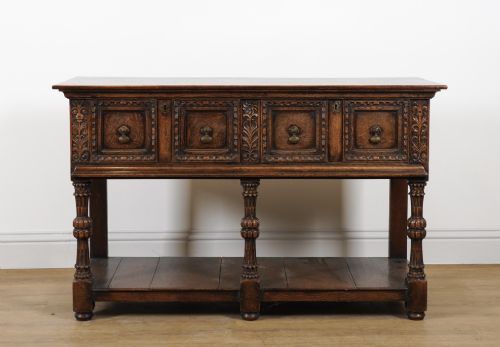
Construction techniques relied on traditional joinery, incorporating carved detailing, barley twist turnings, and pierced fretwork panels. Brass fittings, galleries, and adjustable shelf rack systems provided functional adaptability to open bookcases and whatnots.
Victorian Carved Shelves Retail Price Guide 2026
Typical asking prices for victorian carved shelves among the pieces listed under this phrase on Sellingantiques today, from the lower quarter to the upper quarter. They describe what is for sale here now, not the wider market.
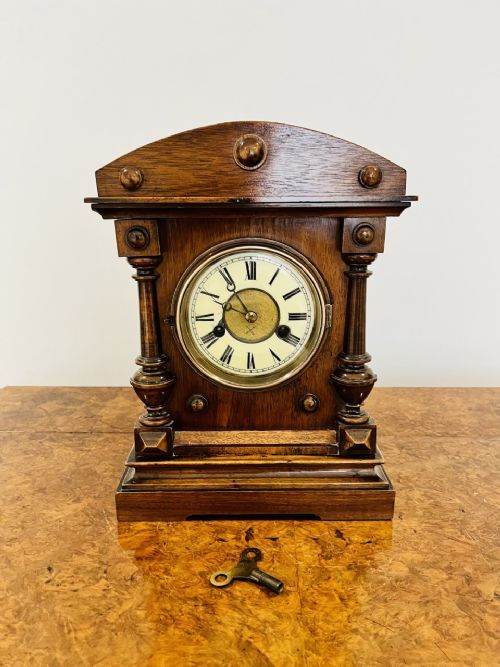
Some nineteenth-century whatnots were built with such spindly corner columns that placing a heavy brass clock on top required considerable optimism.
Defining qualities
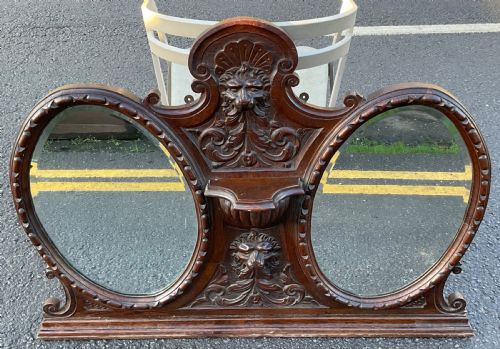
Quality rests in the crispness of the hand-carved ornamentation and the selection of figured timber veneers. Superior examples display refined proportions, integrated brass galleries, and precise joinery that holds firm over generations of use.
Simpler workshop output relies on plain pine carcases and straightforward plank construction with minimal embellishment. The differentiation lies in whether the maker invested time in intricate fretwork, robust timber thickness, and thoughtful internal adjustments.
John Moyr Smith·Gabriel Viardot·Brockbanks And Atkins
The Victorian Carved Shelves Glossary
- Fretwork
- Ornamental woodwork perforated with patterns using a scroll saw or piercing technique. This technique appears on the brackets and galleries of various display shelves.
- Barley twist
- A decorative turning style resembling a spiralling rope or barley sugar stick. It is commonly found on the upright supports of stands and bookcases.
- Galleried shelf
- A low raised rail or balustrade surrounding the edge of a shelf or tabletop. It prevents objects from sliding off display surfaces.
- Aesthetic Movement
- A late nineteenth-century design style emphasising visual beauty and artistic expression over strict historical revival. Pieces often integrate diverse cultural motifs and ebonised finishes.
Victorian Carved Shelves: Frequently Asked Questions
How do I style Victorian carved shelves at home?
Position open bookcases and wall shelves against neutral walls to let the carved timber grain stand out. Mix displayed books with ceramics or small decorative objects to balance the solid joinery.
Ensure wall-hanging shelves are secured to proper wall anchors given the weight of nineteenth-century hardwoods. Freestanding whatnots work effectively in corners or beside seating areas to utilise vertical room without cluttering the floor.
What is the difference between a whatnot and a bookcase?
A whatnot is primarily an open, multi-tiered stand built specifically for displaying ornaments and small decorative collections. These pieces often feature slender turned supports and pierced galleries.
An open bookcase is structured specifically for storing and organising books, usually incorporating deeper shelves and heavier upright partitions. Many nineteenth-century examples include adjustable shelf mechanisms to accommodate varying book heights.
How do I identify Aesthetic Movement pieces?
Aesthetic Movement items often feature ebonised wood surfaces, simple geometric forms, and subtle carving influenced by Japanese design principles. They prioritise artistic composition over heavy historical revivalism.
Look for refined proportions and distinctive brass hardware that mark a departure from standard Victorian styles. These pieces frequently incorporate shallow carved panels and contrasting timber tones.
Are these shelves suitable for heavy book collections?
Solid oak and mahogany bookcases with fixed or adjustable timber supports handle heavy book loads effectively. Check the thickness of the shelves and the condition of the internal support pegs before loading.
Lighter wall-hanging racks and multi-tiered whatnots are better suited for displaying lighter volumes and decorative objects rather than dense rows of heavy folios. Distributing weight evenly preserves the structural integrity of older timber.