



Victorian Carved Brooch
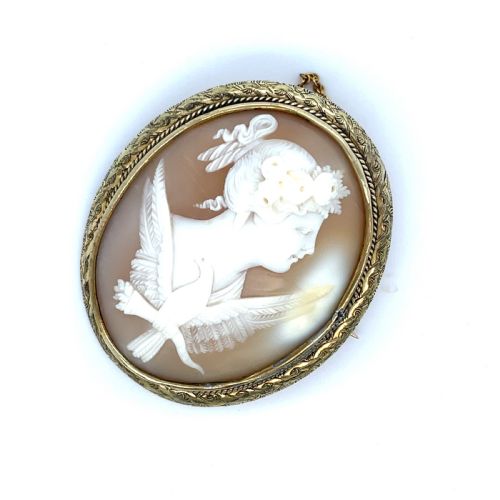
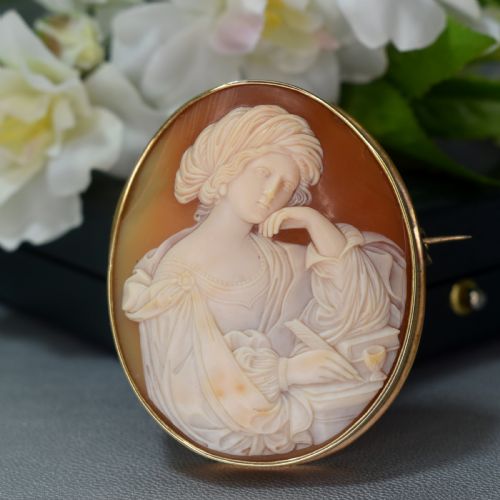
A victorian carved brooch brings miniature classical sculpture, shell portraits and dark jet mourning pieces directly to the lapel.
Victorian Carved Brooch
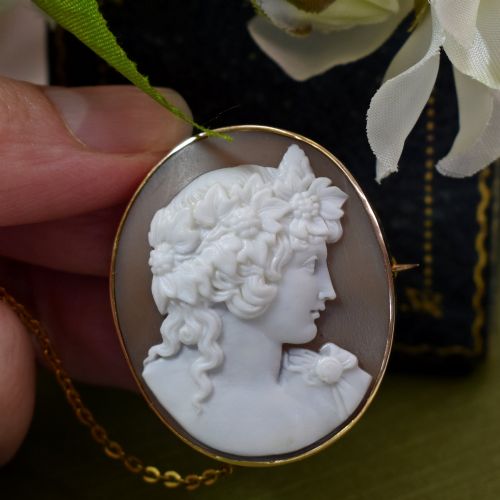
The shell cameo set in gold frame remains the most frequent version you will meet. Alongside these, buyers find solid hardstone agates, carved boxwood, Irish bog oak, and detailed coral or lava pieces mounted in silver and various grades of gold.
Materials and Techniques
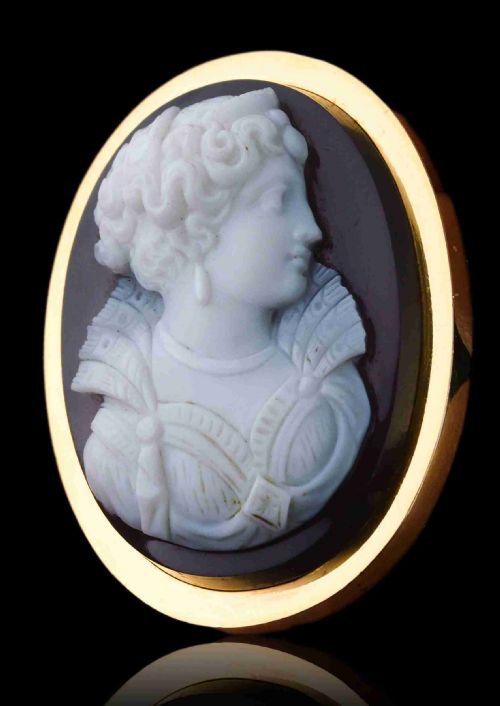
Carvers utilised natural layered materials, cutting through upper strata to reveal contrasting background colours in shells, agates and lava. Shell cameos take advantage of the natural curves of conch or helmet shells, whilst hardstone pieces demand patient abrasive shaping of banded chalcedony.
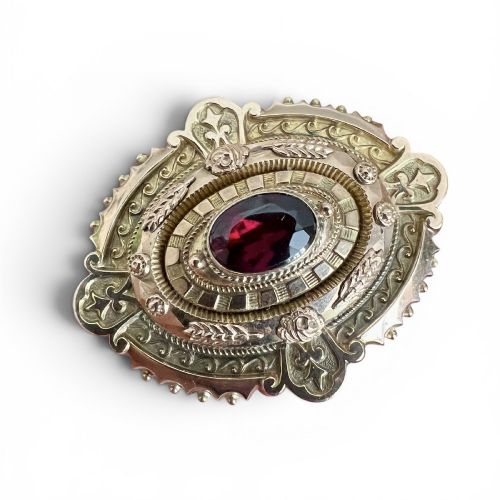
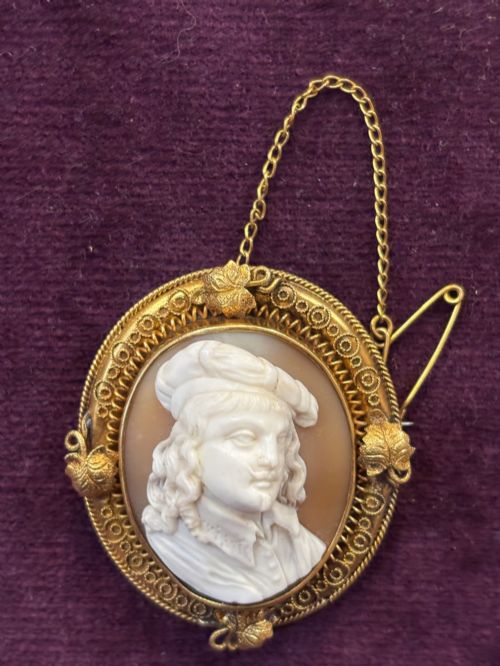
Mounts are integral to the construction, utilising detailed wirework, filigree and repoussé in metals ranging from silver and pinchbeck to nine carat, fifteen carat and eighteen carat gold. Stones such as diamonds, emeralds and pearls occasionally accent the primary carved motif.
Victorian Carved Brooch Retail Price Guide 2026
Typical asking prices for victorian carved brooch among the pieces listed under this phrase on Sellingantiques today, from the lower quarter to the upper quarter. They describe what is for sale here now, not the wider market.
Antinous often appears immortalised in shell, reminding modern buyers of ancient Roman heartbreak carved straight into wearable art.
Distinctions in Quality
The setting contributes heavily to overall distinction, with substantial gold frames, maker signatures, and integrated pendant loops elevating simple carvings into significant ornaments.
R. Pernice·Steiner
The Victorian Carved Brooch Glossary
- Cameo
- A method of carving where a raised design stands out from a contrasting background. This technique is most commonly seen executed in shell or banded agate.
- Hardstone
- A collective term for semi-precious stones used in jewellery, including onyx, chalcedony and jasper. These require abrasive wheel cutting rather than steel blades.
- Grand Tour
- A cultural journey undertaken by wealthy young Europeans in the nineteenth century. Travellers frequently purchased local carved lava and shell souvenirs in Italy.
- Mourning brooch
- Jewellery worn to commemorate a deceased person, often fashioned from black materials such as Whitby jet or bog oak. These pieces frequently incorporate hair compartments or pearl borders.
Victorian Carved Brooch: Frequently Asked Questions
How do I wear a antique brooch safely?
Pin the piece through a sturdy weave of fabric, ensuring the safety catch or C-clasp is fully secured. Distribute the weight properly so the brooch does not pull downward on delicate silks.
For heavier table top or framed items, consider threading a ribbon through the integrated pendant loop to wear the piece around the neck instead.
What is the difference between shell and hardstone?
Shell cameos utilise organic marine layers that present a warm, translucent cream figure against an orange or brown background. They feel lighter and show natural growth lines upon close inspection.
Hardstone pieces use mineral stones like agate and onyx, offering crisp colour contrast, heavier weight and greater durability against daily wear.
How do I identify lava cameos?
Lava carvings are matte in texture and monochromatic, usually rendered in soft grey, brown or cream tones. They are carved from actual volcanic rock sourced in Italy during the nineteenth century.
These pieces often depict classical figures and deities, mounted simply in silver or low-carat gold frames.
What is bog oak?
Bog oak is sub-fossilised timber recovered from Irish peat bogs, transformed into a dense, dark material suitable for intricate carving. Victorian makers utilised it for regional souvenir brooches.
These items often feature motifs of Irish landmarks or native flora, presenting a rich black finish with a subtle sheen.