




Victorian Cachepot
These heavy metal and ceramic vessels designed to hide plant pots bring period character to any interior.
Victorian Cachepot
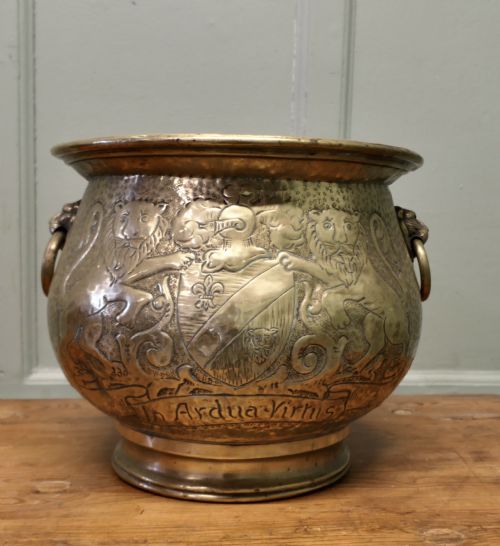
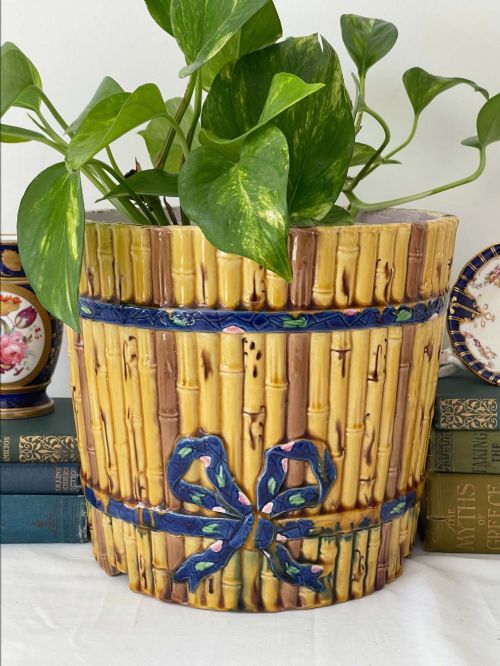
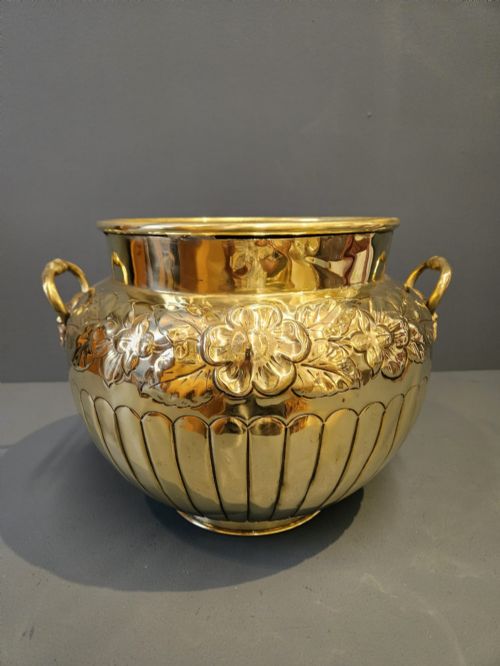
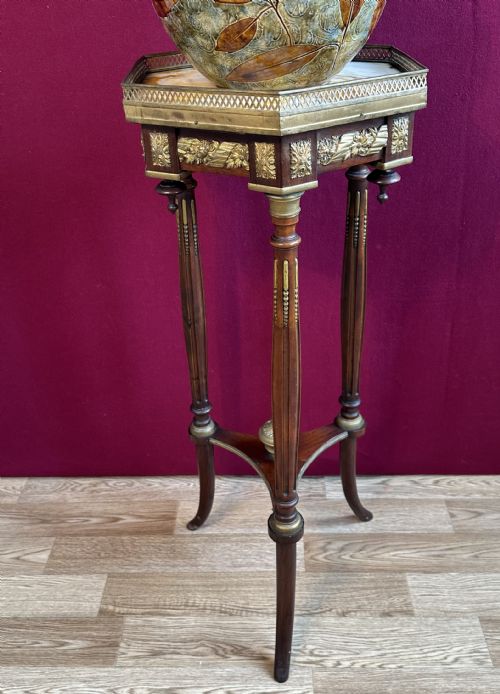
A victorian cachepot is primarily encountered as a brass or copper jardiniere, alongside ceramic and earthenware planters from the nineteenth century. These indoor plant holders take cylindrical or rounded forms designed to sit on tables, stands or hearths.
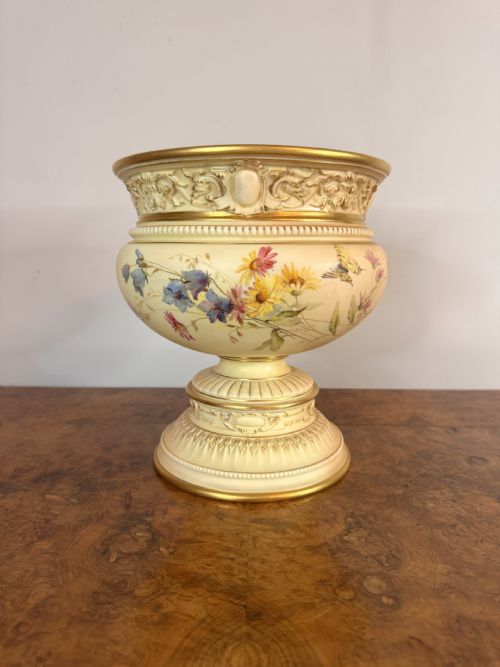
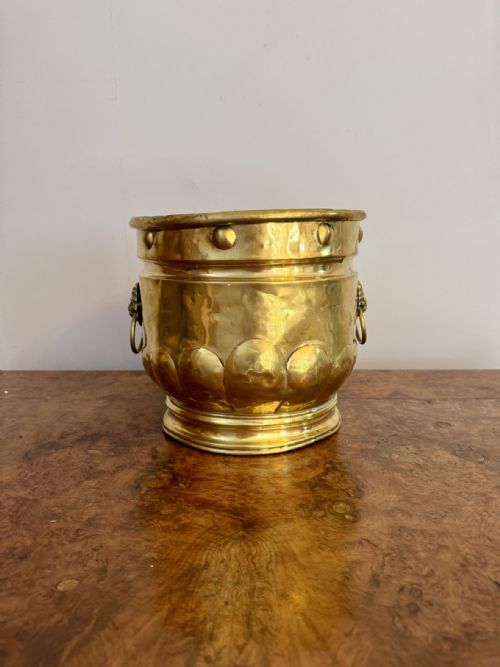
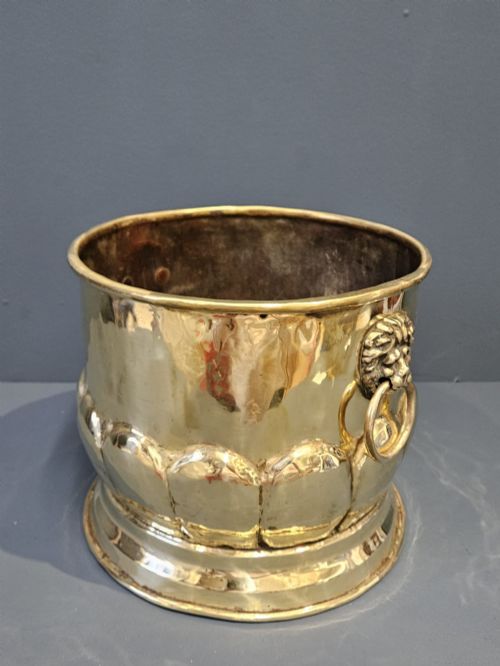
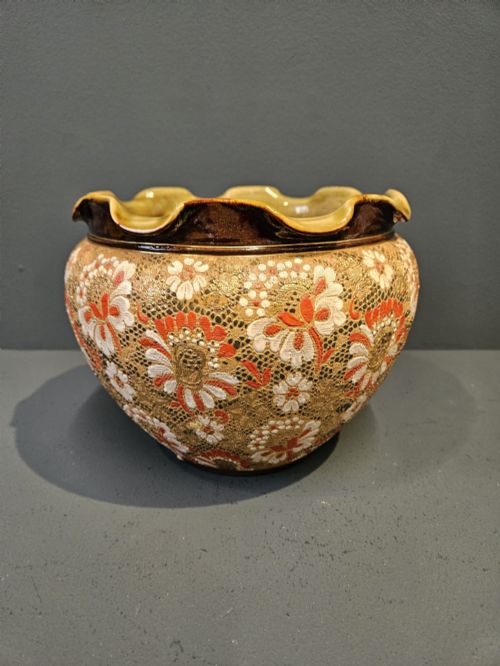
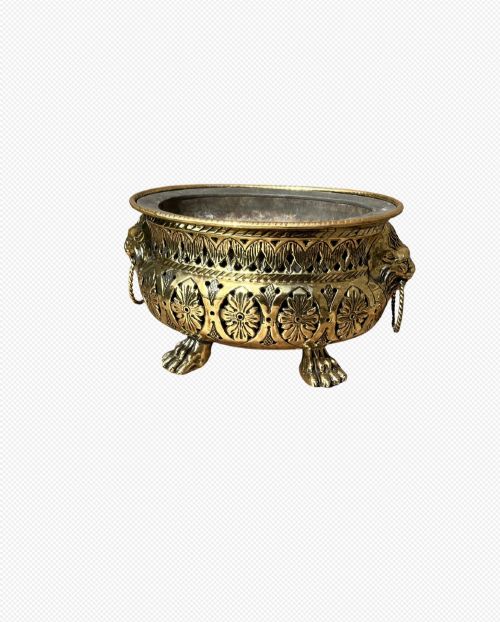
Makers and potteries such as Doulton Lambeth and Royal Worcester produced significant numbers of ceramic and porcelain examples during this period. Metal versions often incorporate pierced detailing, crests, shields or lion mask handles.
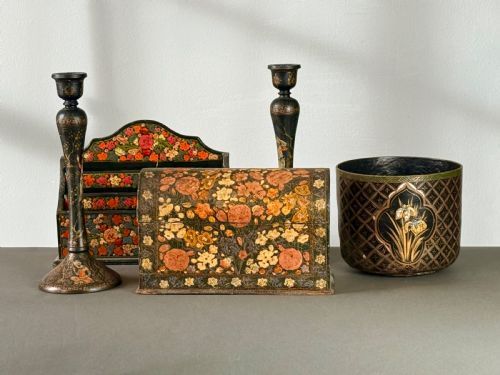
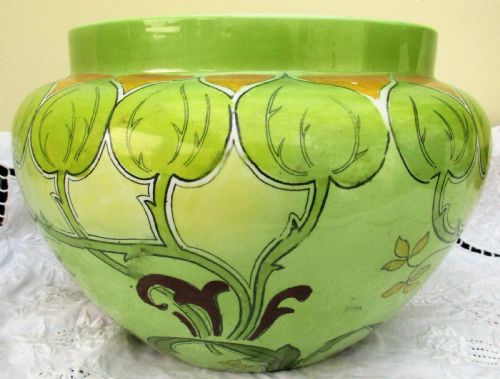
Stiles range from Gothic Revival and Arts and Crafts to Art Nouveau and Chinoiserie. The selection includes pieces originating from English kilns as well as continental workshops and Indian metalworking traditions.
Materials and construction
Metal vessels are constructed from heavy brass and copper, frequently shaped by hand through beating, spinning or piercing. Many incorporate applied elements such as cast brass handles, wrought iron fittings or engraved surface decoration.
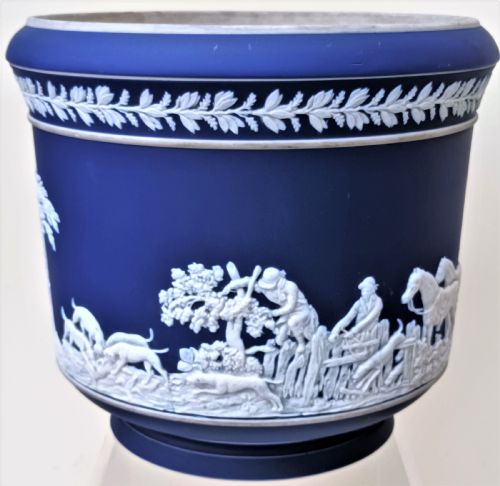
Ceramic examples utilise earthenware, stoneware, porcelain and majolica glazes. Potteries applied specialised techniques including slip-raised ornamentation, hand-painting and transfer printing before firing.
Victorian Cachepot Retail Price Guide 2026
Typical asking prices for victorian cachepot among the pieces listed under this phrase on Sellingantiques today, from the lower quarter to the upper quarter. They describe what is for sale here now, not the wider market.
Several brass buckets doubling as planters spent their youth by Victorian hearths before retiring to hold ferns.
Evaluating the craftsmanship
The standard of a metal vessel depends on the weight of the brass or copper and the crispness of any hand-engraving or pierced work. Cast attachments like handles and crests display greater definition on superior examples.
Ceramic quality rests on the precision of the glaze application, the complexity of painted or slip-trailed decoration, and the clarity of factory marks on the base.
William Adams And Sons·W A Adderley·Doulton Lambeth·Doulton Burslem·Royal Doulton·Royal Worcester·James Hadley·Kister Scheibe Alsbach
The Victorian Cachepot Glossary
- Cachepot
- A decorative container used to hold an ordinary flowerpot and conceal its utilitarian surface. The term derives from the French words for hiding and pot.
- Jardiniere
- An ornamental pot or stand for holding plants or flowers, usually larger than a standard cachepot. These pieces sit directly on furniture or the floor.
- Majolica
- A type of earthenware glazed with tin opacified enamels and brightly coloured. This technique produced vivid green and brown glazes popular for nineteenth century fern pots.
- Slaterware
- A ceramic surface texture imitating lace or woven fabric, developed by Doulton during the nineteenth century. The technique involved pressing fabric into moist clay before firing.
- Blush ivory
- A porcelain body finish pioneered by Royal Worcester featuring soft cream and ivory tones decorated with gilt and floral motifs. This style gained popularity during the late nineteenth century.
Victorian Cachepot: Frequently Asked Questions
What is the difference between a cachepot and a jardiniere?
A cachepot is specifically designed to contain a potted plant and catch drainage water inside a decorative shell. A jardiniere serves the same decorative purpose but often refers to larger vessels.
Historically, the terms overlap considerably in nineteenth century inventories. Both categories appear across metal and ceramic mediums on this page.
How were brass cachepots used in nineteenth century homes?
These vessels stood on side tables, windowsills, and plant stands to display ferns and indoor flora. Metal versions also functioned as coal buckets near fireplaces.
Their heavy construction protected interior surfaces from damp soil and watering overflow. Handles made moving the containers simpler during room maintenance.
How do I identify a Doulton ceramic planter?
Look for impressed factory stamps and artist initials on the unglazed base of the vessel. Doulton Lambeth pieces frequently display crisp stoneware bodies and salt-glazed finishes.
Later Victorian examples from Burslem often feature hand-painted floral details or textured slaterware surfaces. Comparing base marks helps confirm the specific production era.
How do I clean an antique brass or copper vessel?
Dust the surface regularly with a soft dry cloth to prevent the accumulation of grime. Avoid harsh chemical cleaners that strip away the aged patina.
Allowing the metal to retain its natural darkening preserves its historical character. Gentle washing with warm soapy water suffices for ceramic interiors.