

Victorian Cabinet Cupboard
These pieces of Victorian cabinet cupboard furniture offer practical storage with period character, shaped by nineteenth-century craftsmanship and domestic utility.
Victorian Cabinet Cupboard
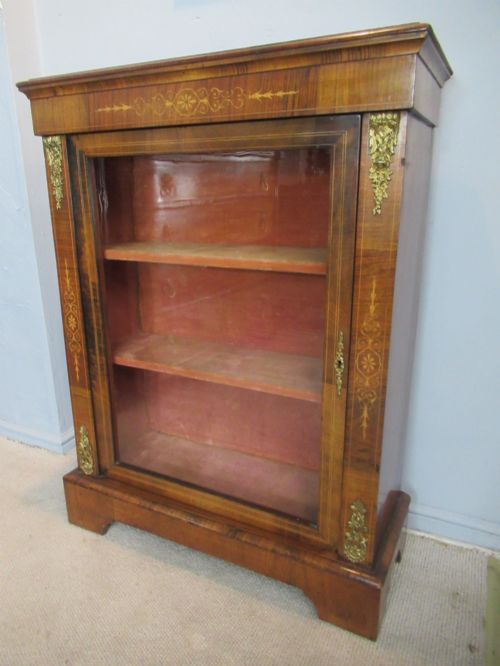
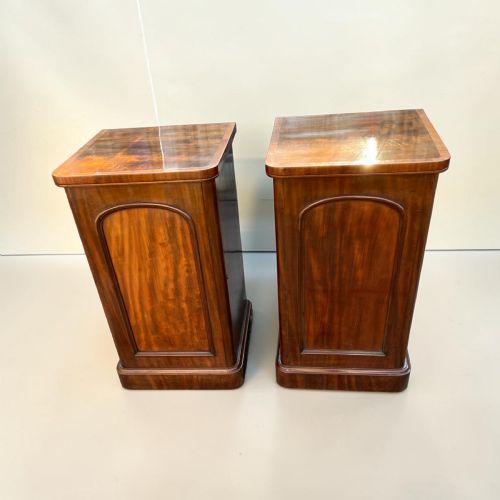
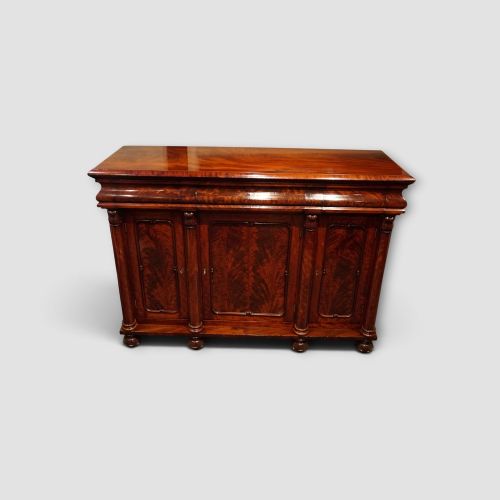
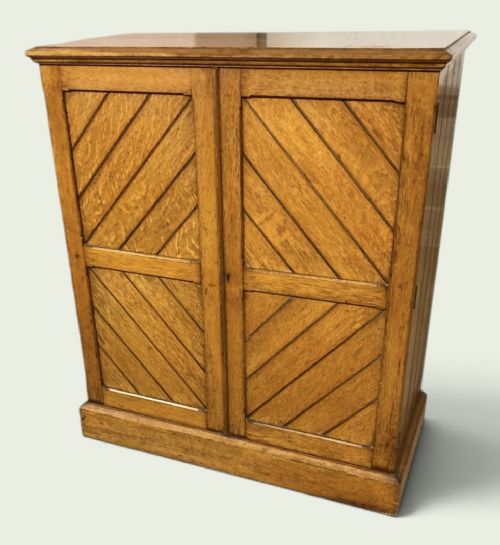
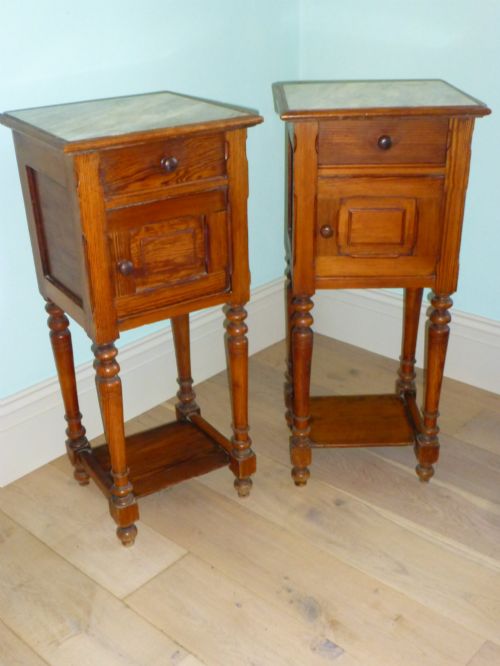
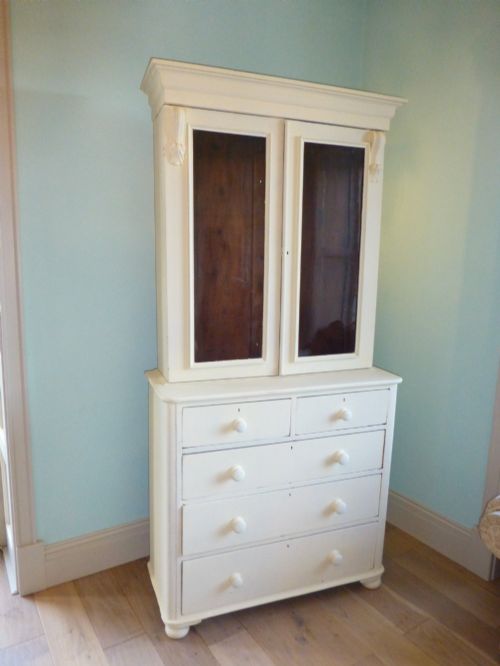
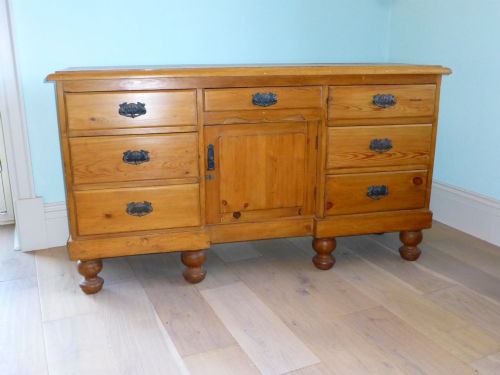
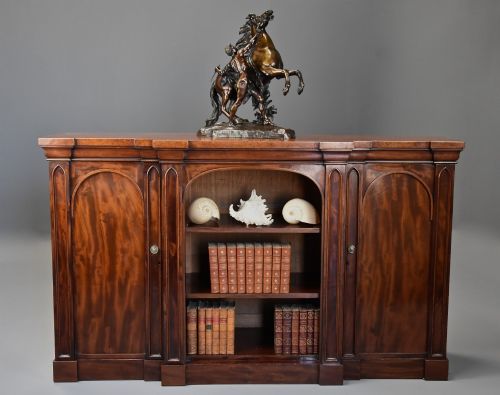
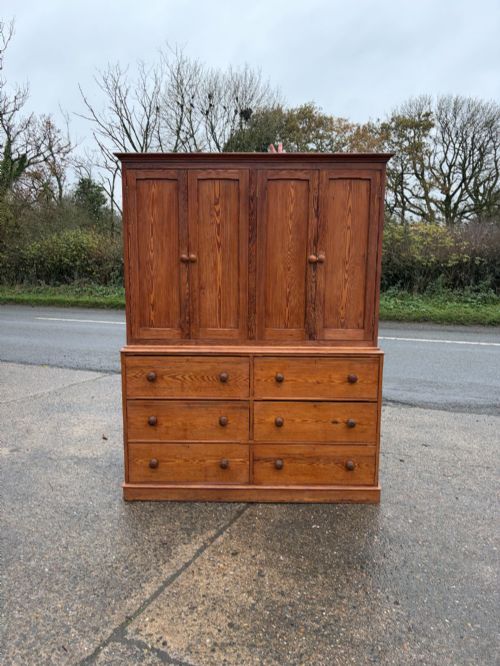
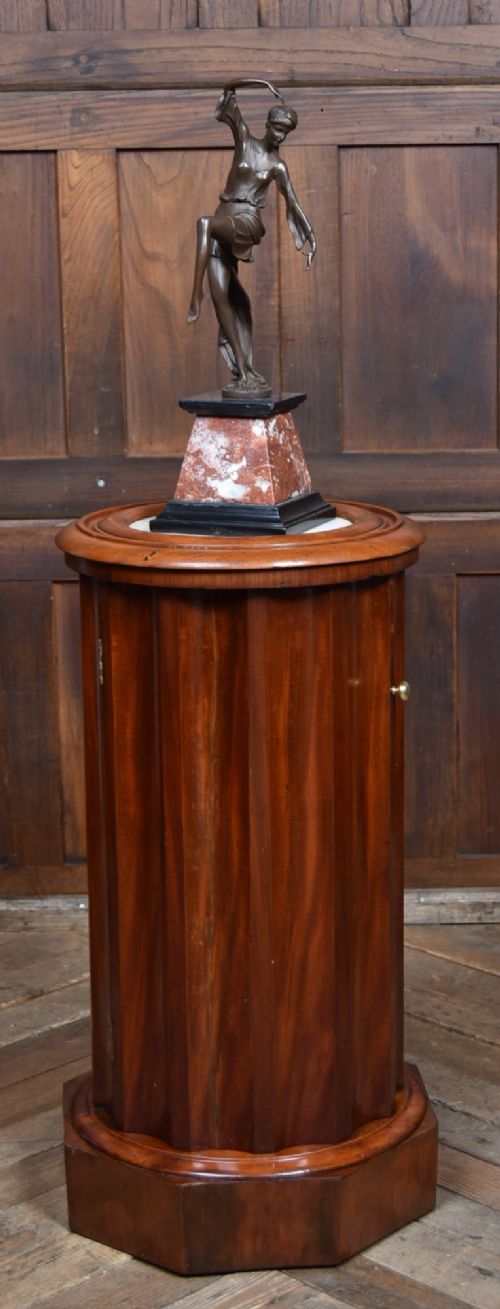
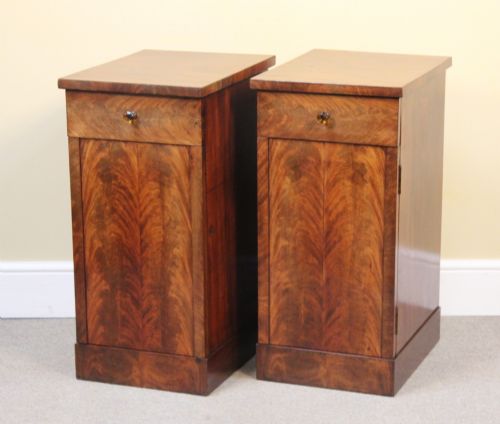
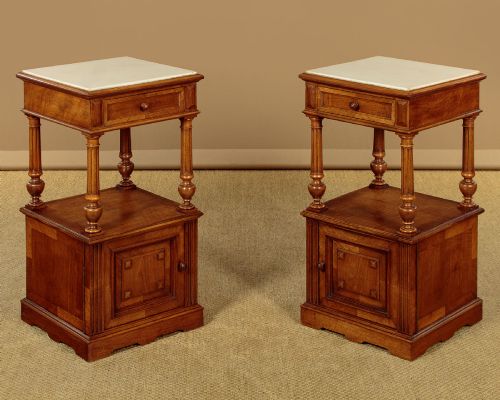
A Victorian cabinet cupboard provides enclosed storage for the home, taking forms such as bedside cupboards, pot cupboards, side cabinets, and larger bookcase cabinets. These items originate from the nineteenth century, spanning decades from the 1860s through to the 1900s, reflecting the domestic requirements of the period.
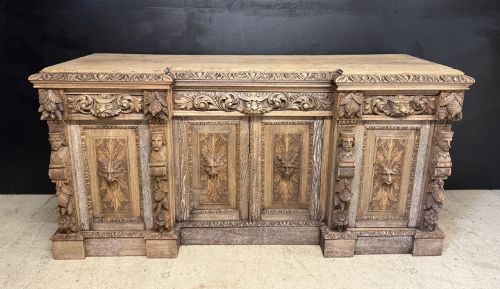
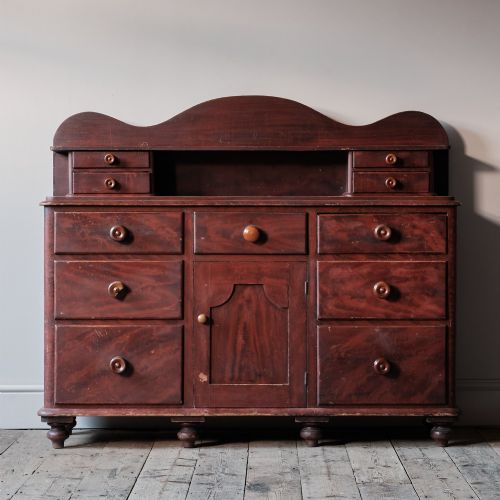
The pieces appear in various configurations, including single door bedside versions, music cabinets, and monumental oak display units. Buyers encounter everything from utilitarian painted pine larder cupboards to refined burr walnut and mahogany pieces designed for formal reception rooms.
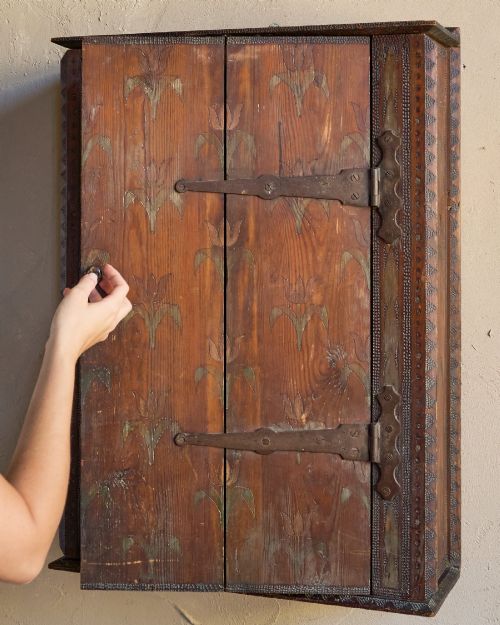
Styles range from plain Victorian country and rustic farmhouse to Gothic Revival, Sheraton Revival, and Victorian Rococo Revival. This variety allows a buyer to place a functional storage piece in settings ranging from informal cottage interiors to formal period rooms.
Materials and Construction
Makers utilised a range of timbers, employing dense hardwoods like mahogany, walnut, burr walnut, rosewood, and satinwood for formal pieces, alongside sturdy softwoods such as pine and oak for utilitarian storage and country dressers. Grain patterns in burr walnut and inlay work in satinwood provide decorative surface detail on high-status examples.
Construction methods involve traditional joinery, often incorporating brass ring handles, brass galleries, and specialised hardware such as Hobbs and Co locks. Glazed doors feature on display cabinets and bookcases, while internal elements include adjustable shelves and secret drawers.
Surface finishes vary from polished mahogany and waxed pine to original painted surfaces and marquetry. Construction often allows for practical dismantling, as seen in large wardrobe and cupboard designs intended for domestic transport.
Victorian Cabinet Cupboard Retail Price Guide 2026
Typical asking prices for victorian cabinet cupboard among the pieces listed under this phrase on Sellingantiques today, from the lower quarter to the upper quarter. They describe what is for sale here now, not the wider market.
Miniature apprentice pieces appear alongside monumental oak display units.
Gradations in Quality
The hierarchy of these pieces rests upon the choice of timber and the ambition of the design, moving from utilitarian pine storage to highly figured burr walnut and satinwood with marquetry inlay. Cabinets displaying ormolu mounts, intricate carving, or specific stylistic revivals sit higher in the range than plain domestic carcases.
Execution of detail separates workshop output, seen in the precision of mahogany dovetailing, the inclusion of branded locks, and the refinement of brass hardware. Matched pairs and pieces retaining original polished surfaces or untouched painted finishes command greater consideration than heavily modified examples.
Heals·Gillow·Hobbs and Co
The Victorian Cabinet Cupboard Glossary
- Pot cupboard
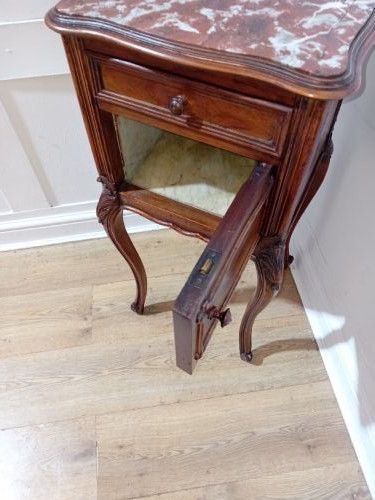
- A small bedside cabinet originally designed to house a chamber pot. These compact units typically feature a single door and sometimes a marble top.
- Credenza
- A sideboard or display cabinet sitting low to the ground. Victorian versions often incorporate glazed doors, inlaid veneers, and ormolu mounts.
- Linen press
- A tall storage piece comprising upper cupboard doors enclosing sliding trays or shelves above a chest of drawers. They were utilised for storing household linens.
- Marquetry
- Decorative woodwork where pieces of contrasting veneer are applied to a structure to form intricate patterns. This technique appears on late Victorian satinwood and walnut pieces.
Victorian Cabinet Cupboard: Frequently Asked Questions
What is a Victorian pot cupboard?
A pot cupboard is a small bedside cabinet designed during the nineteenth century to enclose a chamber pot. These pieces usually feature a single door opening to reveal a shelf or compartment.
Today, they function well as compact bedside tables or small storage units in living spaces.
How do I distinguish pine from mahogany cabinets?
Pine is a softwood showing pale yellow or stripped tones with distinct grain patterns, commonly found on country dressers and farmhouse cupboards. Mahogany is a dense, reddish-brown hardwood utilised for formal Victorian display and side cabinets.
Pine pieces offer a rustic aesthetic, whereas mahogany provides a darker, polished appearance.
What is the difference between a chiffonier and a side cabinet?
A chiffonier is a compact sideboard style featuring a lower cupboard enclosed by doors, often surmounted by a shelf with a back gallery. Side cabinets encompass a broader category of low storage furniture without the raised upper shelf.
Both forms served dining and reception rooms for storing tableware and household items.
How are music cabinets used today?
Music cabinets were manufactured in the late nineteenth century with internal shelves specifically sized to store sheet music. They frequently incorporate glass doors or mirrored upper sections.
Modern interiors utilise them as narrow display units or storage cupboards for books and small items.