

Victorian Bureau Chest
A victorian bureau chest combines practical storage with a fitted writing surface, offering a clever domestic workspace within a classic cabinet form.
Victorian Bureau Chest
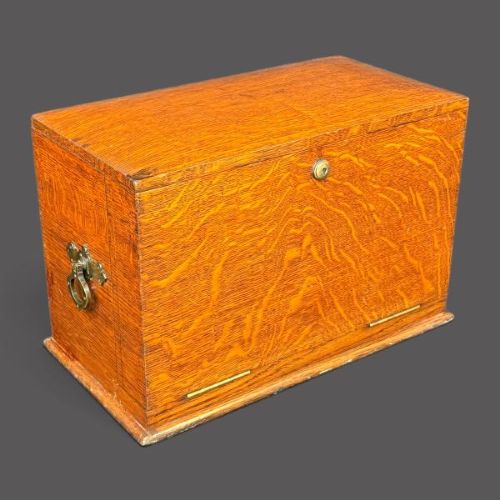
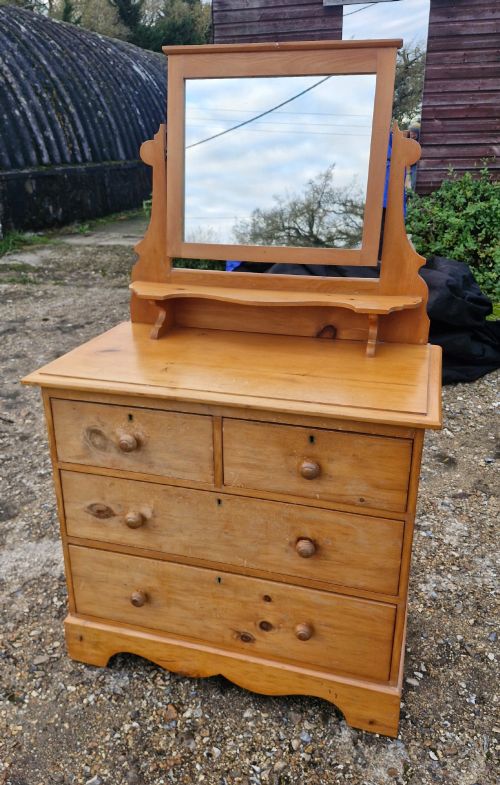
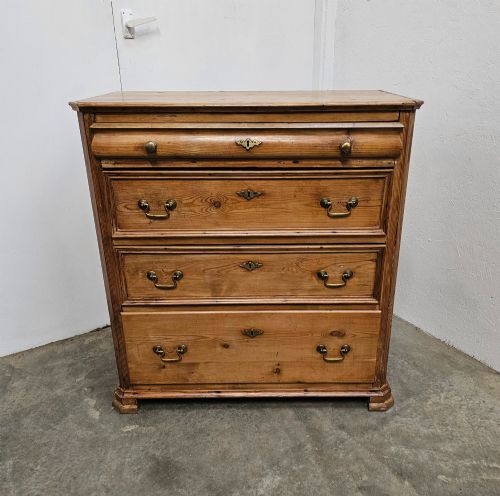
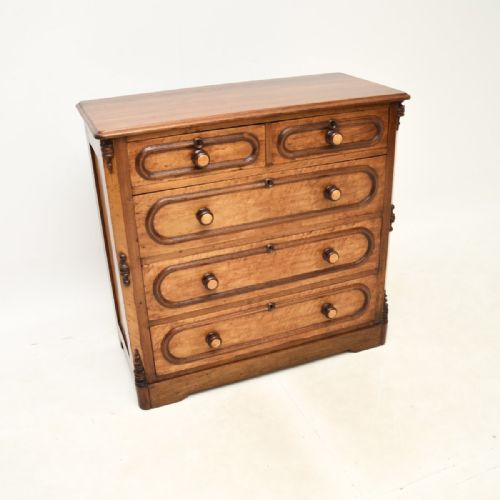
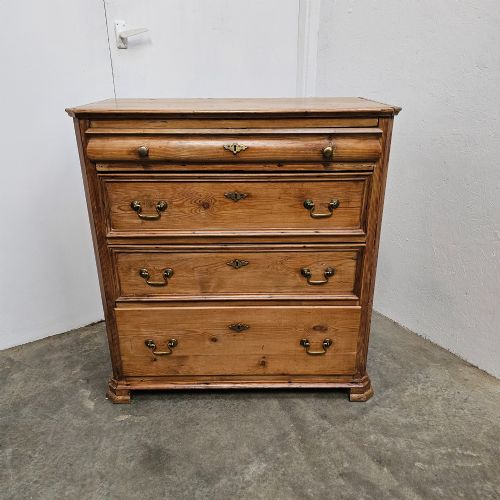
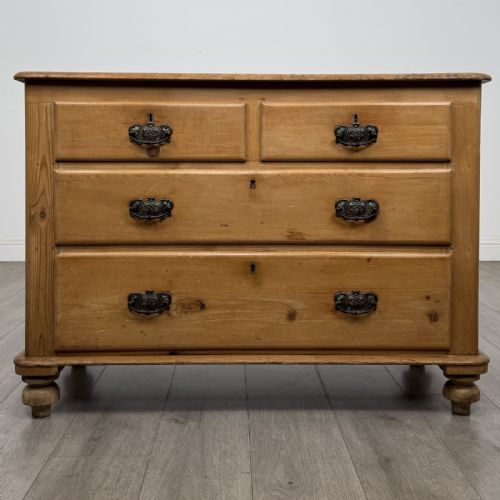
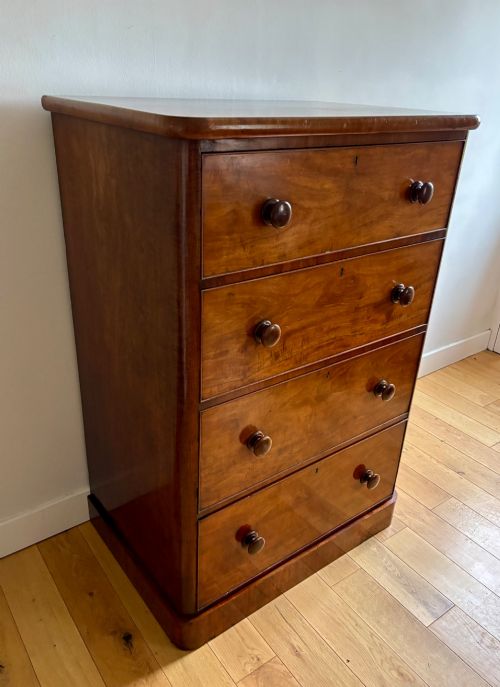
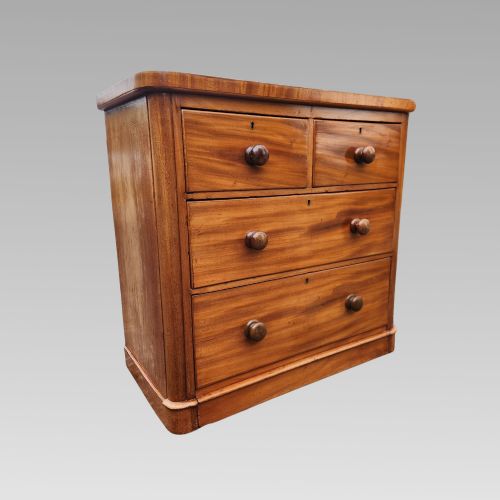
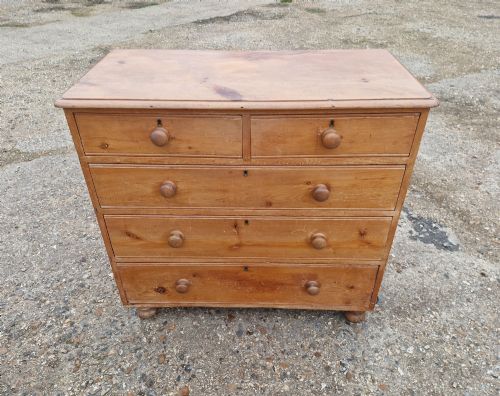
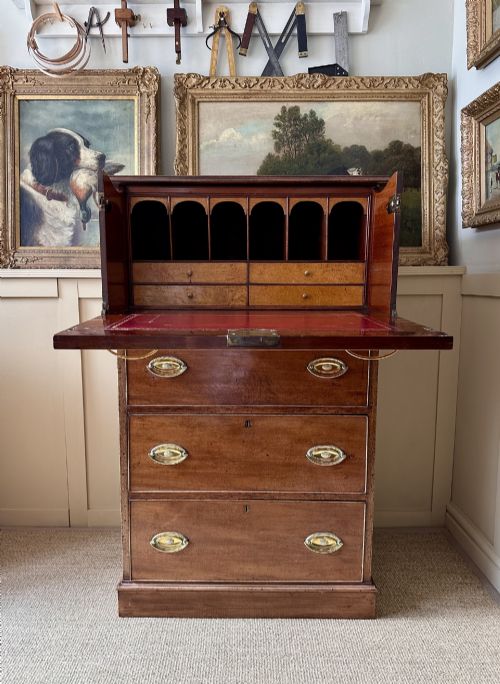
A victorian bureau chest bridges the gap between a standard chest of drawers and a writing desk, providing multiple exterior drawers alongside a fall-front or secretaire writing compartment. Most examples encountered here date from the nineteenth century, spanning various regional styles from straightforward pine country pieces to substantial mahogany designs.
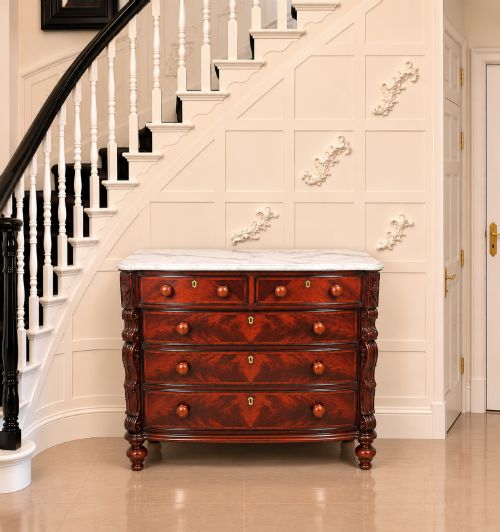
The layout typically incorporates graduated drawers beneath an internal arrangement of small compartments and pigeonholes for correspondence. Buyers frequently encounter variants featuring bow fronts, flame mahogany veneers, or utilitarian military campaign configurations fitted with brass hardware.
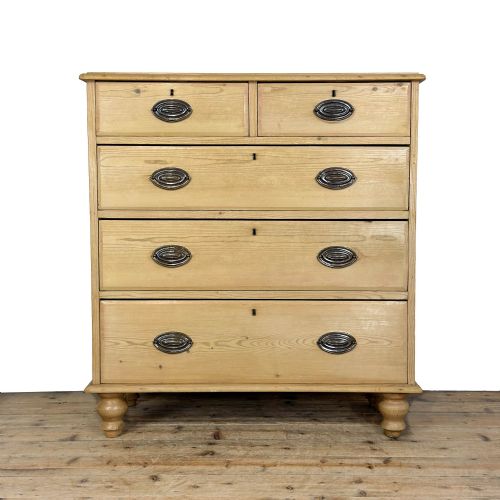
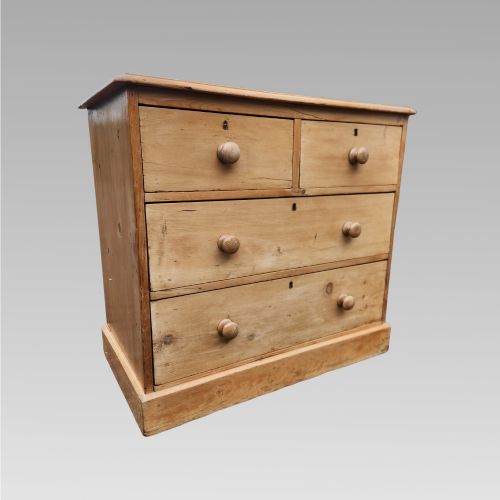
Makers adapted the form across different social strata, resulting in grand walnut and mahogany specimens for formal reception rooms alongside simpler painted pine pieces intended for chambers.
Materials and construction
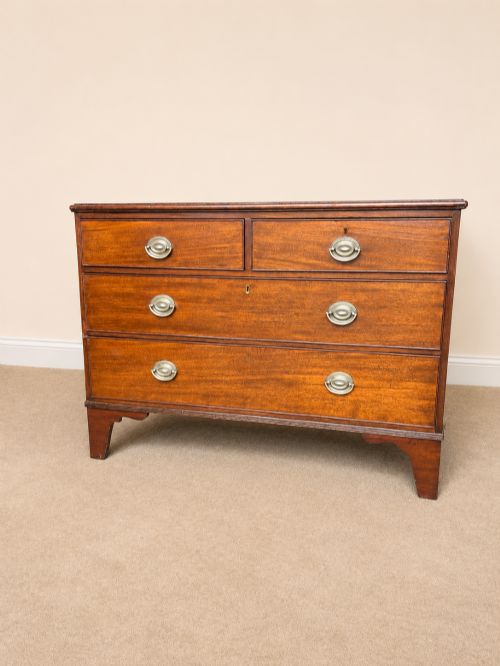
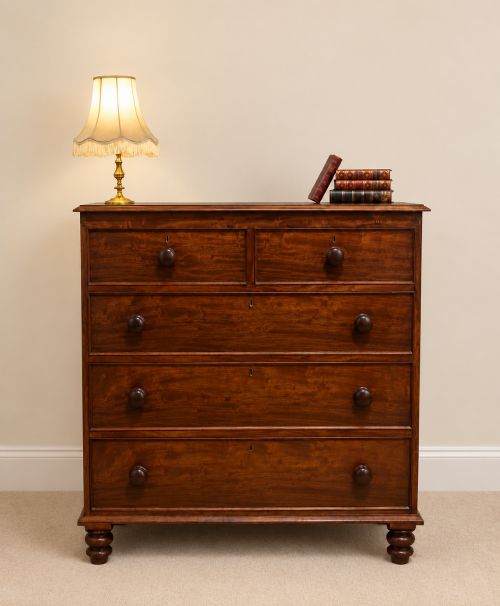
Cabinetmakers relied heavily on dense hardwoods like mahogany, walnut, and oak for formal pieces, frequently applying striking flame mahogany veneer across the drawer fronts to catch the light. Secondary timbers such as pine appeared regularly in drawer linings, carcases, and country pieces intended for painted finishes.
Construction relied on traditional joinery techniques, including hand-cut dovetails for drawer construction and secure frame-and-panel assemblies. Surface decoration often involved hand-applied wax, scumble paint, or polished wood veneers matched with brass handles, escutcheons, and inset campaign corners.
Victorian Bureau Chest Retail Price Guide 2026
Typical asking prices for victorian bureau chest among the pieces listed under this phrase on Sellingantiques today, from the lower quarter to the upper quarter. They describe what is for sale here now, not the wider market.
Listings feature pieces constructed from mahogany, flame mahogany veneer, walnut, burr walnut, camphor wood, oak, maple, and pine.
Distinguishing quality
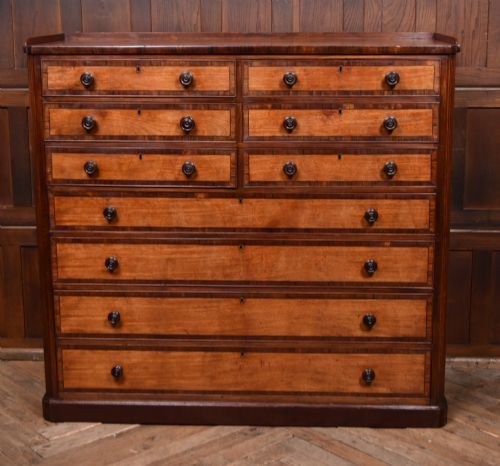
Quality rests in the selection of timbers, such as the deliberate matching of flame mahogany or burr walnut veneers across the primary facade. Finer examples display meticulous attention to internal stationery compartments, smooth drawer operation, and integrated locking mechanisms with original brass keys.
Proportion and execution set apart superior workshops, where structural stability meets restrained decorative restraint rather than excessive embellishment. The integrity of the original timber surfaces, whether polished wood or early painted finishes, dictates the enduring character of each piece.
HARRIS LEBUS of TOTTENHAM
The Victorian Bureau Chest Glossary
- Secretaire
- A writing drawer or compartment featuring a drop-down front that conceals small pigeonholes and letter slots.
- Campaign
- Portable furniture built in sections with recessed brass handles and corner brackets, designed for military transport.
- Scumble
- A decorative paint technique involving a translucent top layer manipulated with combs or brushes to imitate richer wood grain.
- Dovetail
- An interlocking joint formed by wedge-shaped tenons that secures drawer corners with exceptional tensile strength.
- Veneer
- A thin layer of figured timber applied over a secondary wood substrate to create an ornate decorative surface.
Victorian Bureau Chest: Frequently Asked Questions
What is a victorian bureau chest?
A victorian bureau chest is a dual-purpose piece of furniture combining traditional drawer storage with an integrated writing desk compartment. It serves as both a practical chest for clothing or linens and a functional writing station.
These pieces typically feature a hinged writing flap or a pull-out secretaire drawer enclosing small pigeonholes. They provide an efficient workspace without sacrificing the floor space of a dedicated desk.
How were these chests used?
These cabinets served primarily for domestic correspondence, record-keeping, and general household storage in nineteenth-century homes. The writing surface allowed individuals to write letters and manage accounts.
Meanwhile, the exterior drawers accommodated personal belongings, documents, or household linens. Their versatility made them suitable for bedrooms, libraries, and studies alike.
How do I care for wood surfaces?
Maintaining nineteenth-century wood surfaces requires simple, consistent care using natural beeswax rather than modern silicone polishes. Keep the timber away from direct heat sources and strong sunlight to prevent the veneer from drying or cracking.
Applying a light coat of wax occasionally preserves the natural lustre of mahogany, walnut, or pine. Regular dusting with a soft cloth prevents accumulation in carved details and drawer mouldings.
How can I tell different periods apart?
Differentiating periods involves examining construction methods, hardware styles, and the choice of primary and secondary timbers. Early nineteenth-century pieces often display refined mahogany veneers and hand-cut dovetails, while later Victorian and Edwardian examples may utilise pine or oak with varied painted finishes.
Hardware details, such as brass ring pulls, turned wooden knobs, or recessed campaign mounts, provide further clues to the decade of manufacture. Comparing internal drawer construction helps distinguish handmade regional work from later factory production.