

Victorian Brown Cupboard
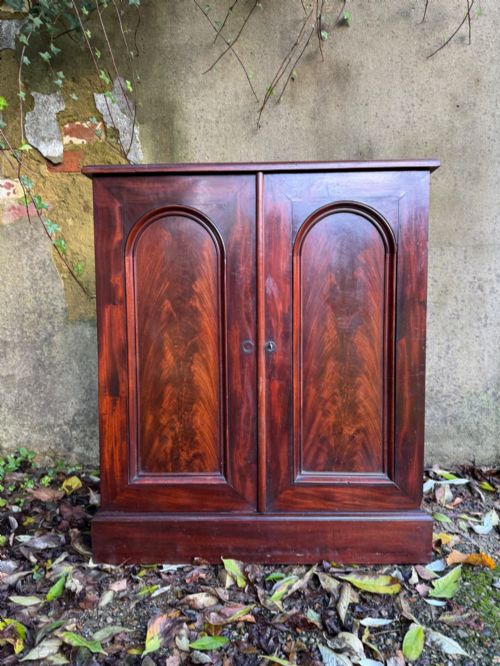
A victorian brown cupboard provides robust storage in rich timber, anchoring a room with dependable nineteenth-century utility and craftsmanship.
Victorian Brown Cupboard
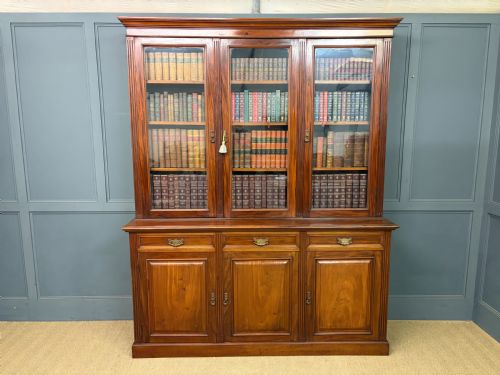
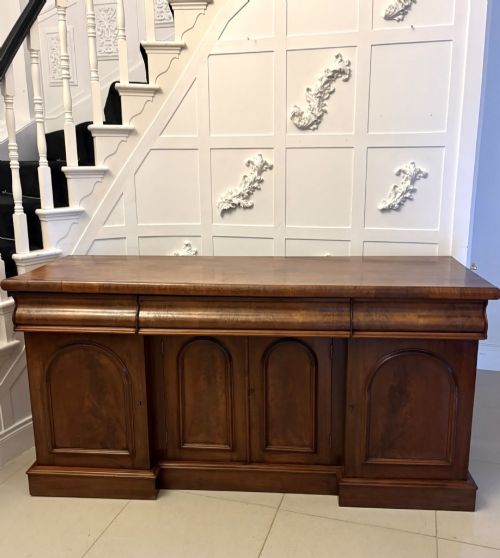
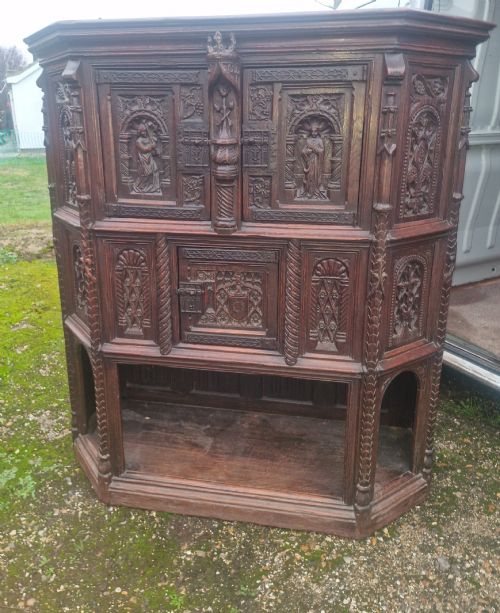
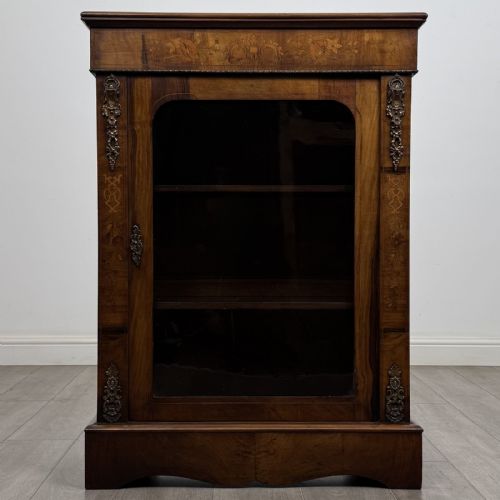
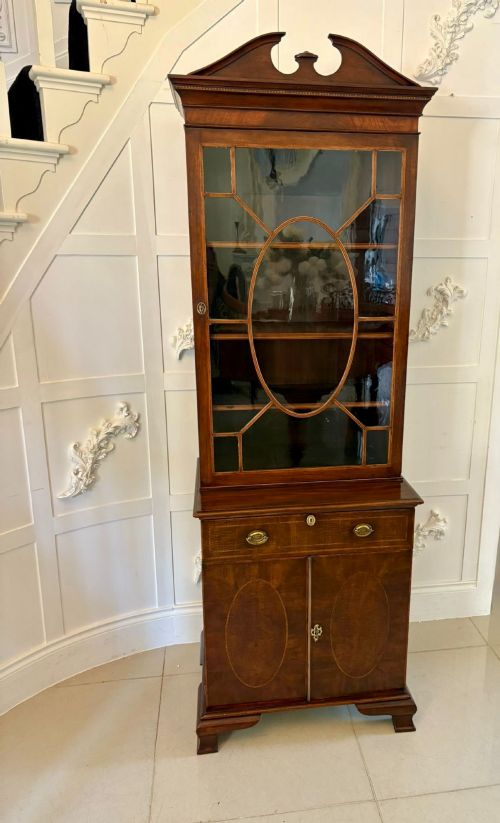
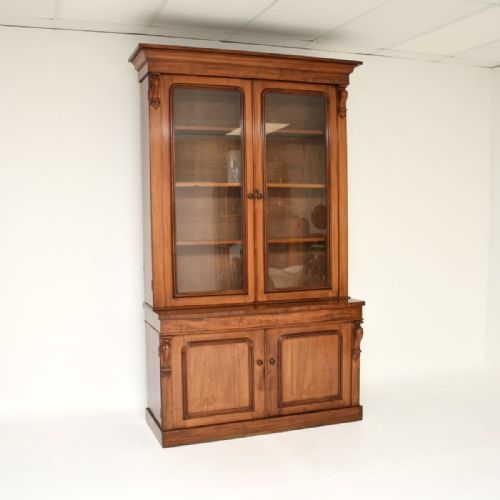
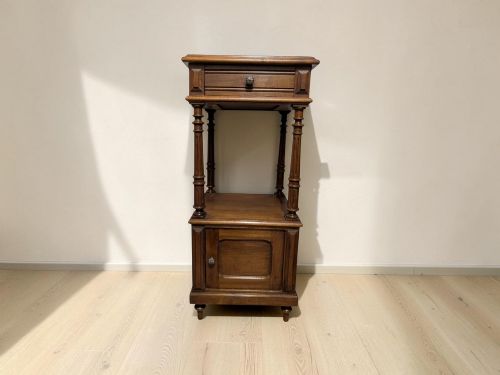
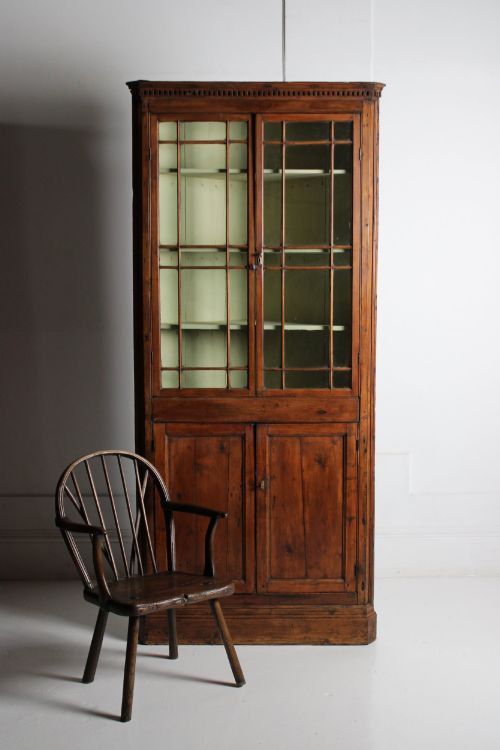
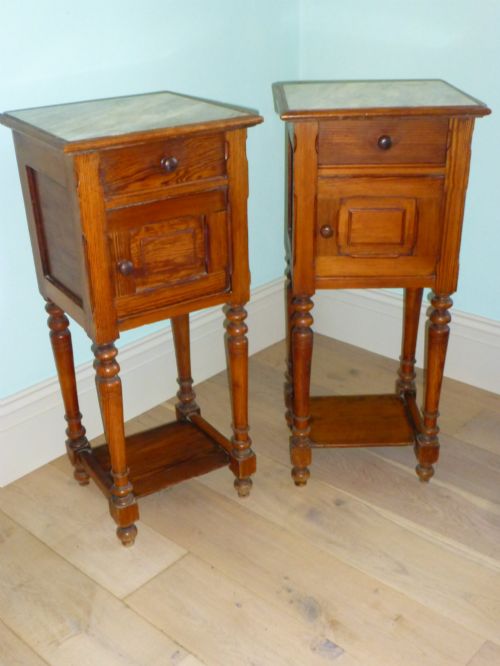
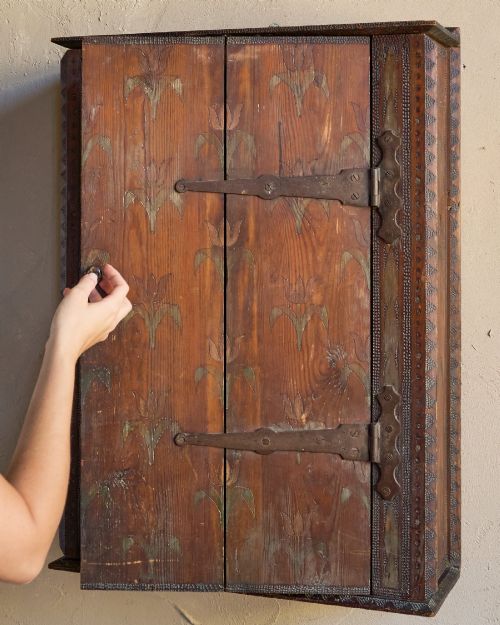
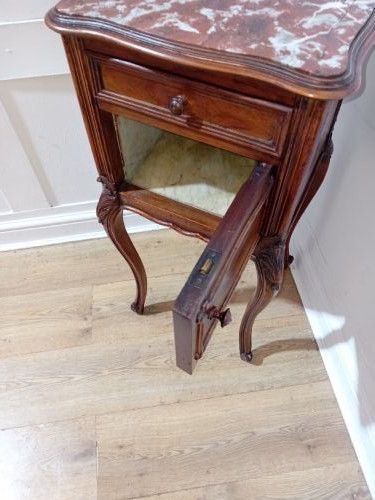
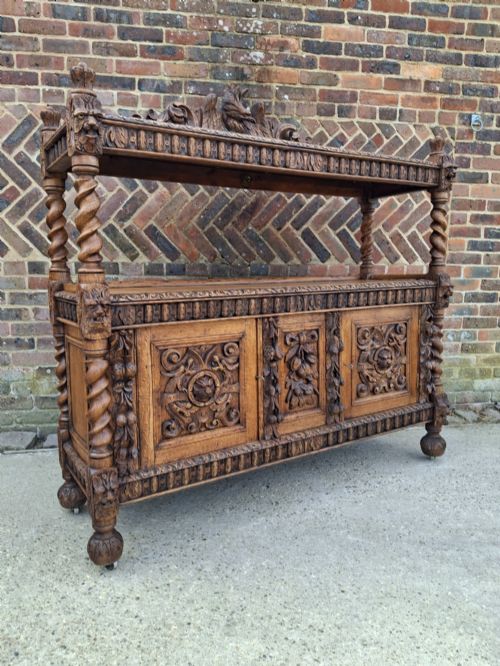
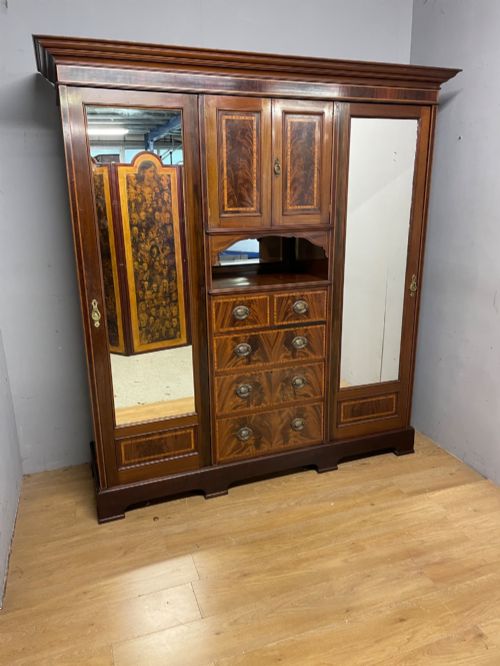
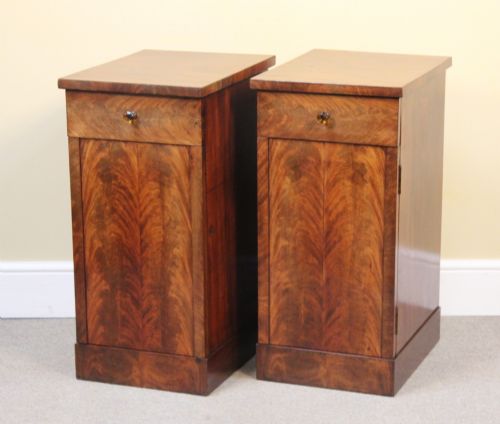
A victorian brown cupboard encompasses a wide array of timber storage forms originating primarily from the nineteenth century, including sideboards, bookcases, bedside chests, and housekeepers storage units. These functional pieces range from simple pine cupboards to grand breakfront bookcases, reflecting the diverse domestic needs of the period.
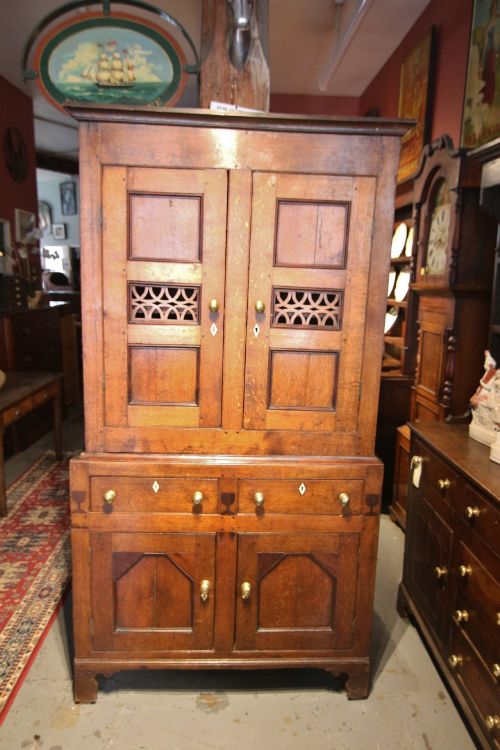
The version most frequently met on this page is constructed from mahogany or oak, often featuring panelled doors, shelving, and sometimes glass display sections or drawer units. They span early, mid, and late Victorian eras, alongside related 19th-century interpretations in walnut and burr walnut.
Buyers selecting a victorian brown cupboard seek practical storage combined with period character, whether searching for a compact bedside cabinet or a large wardrobe and display combination. The forms respond to historic domestic requirements for linen, books, and general household storage.
How they were made
Makers utilised solid timbers such as mahogany, oak, and walnut, frequently applying flame mahogany veneer or burr walnut to create striking figured surfaces on doors and drawer fronts. Carved pillar panels, bracket feet, and marquetry inlay provide decorative detail without compromising structural integrity.
Construction techniques involve traditional joinery, dovetailing, and the incorporation of brass hardware, glass panes, and marble tops on select storage units and bedside chests. Workshops employed skilled cabinet-makers to shape cornices, mount glazed doors, and fit internal shelving for domestic utility.
Victorian Brown Cupboard Retail Price Guide 2026
Typical asking prices for victorian brown cupboard among the pieces listed under this phrase on Sellingantiques today, from the lower quarter to the upper quarter. They describe what is for sale here now, not the wider market.
Listings feature woods including mahogany, oak, walnut, ash, and pine, alongside decorative marble tops and glass-fronted display doors.
What varies in quality
The standard of timber selection and veneer matching defines the visual appeal of a piece, with figured burr walnut and flame mahogany representing the more decorative end of the scale. Subtleties in carving execution, such as the crispness of dentil cornices or inlaid marquetry, separate standard production from superior workshop output.
Structural refinement also distinguishes finer examples, visible in the snugness of drawer joints, the integration of original brass fittings, and the stability of architectural elements like bracket feet and carved pillars. Greater care in internal lining and timber thickness marks the upper tier of nineteenth-century cabinet-making.
G. Bartholomew & Co·Gillows
The Victorian Brown Cupboard Glossary
- Burr walnut
- A figured timber veneer obtained from the gnarled growths of walnut trees, prized for its swirling patterns. It is frequently applied to the principal surfaces of Victorian cabinets and secretaires.
- Dentil cornice
- A classical moulding pattern comprising a series of small, evenly spaced rectangular blocks. This architectural detail frequently crowns the upper edge of bookcases and display cabinets.
- Flame mahogany veneer
- A thin slice of mahogany timber cut from the fork of the tree where the branches meet, displaying a fiery, undulating grain pattern. Cabinet-makers used this to create symmetrical patterns on cupboard doors.
- Marquetry
- The art of applying decorative pieces of veneer to a structure to form intricate pictorial designs. It appears on the panels of late nineteenth-century side cabinets and corner cupboards.
- Secretaire
- A cabinet or bureau featuring a pull-down writing flap that conceals small drawers and pigeonholes. It combines desk functionality with enclosed shelving storage.
Victorian Brown Cupboard: Frequently Asked Questions
What rooms suit a Victorian cupboard?
These cupboards adapt well to living rooms, dining areas, and bedrooms, providing enclosed storage for books, linen, or tableware while introducing rich timber tones to the interior scheme.
Compact bedside cabinets and smaller chests fit easily beside a bed, whereas larger wardrobes and bookcase combinations anchor a study or hallway.
How do I care for mahogany timber?
Maintain the wood by keeping the piece away from direct heat sources and strong sunlight, which can dry out the timber and fade the finish over time. Dust gently with a dry cloth and occasionally apply a traditional beeswax to nourish the surface.
Avoid using silicone-based polishes or excessive moisture, as these can damage the historic polish and delicate veneers.
How do I distinguish early and late Victorian styles?
Early Victorian pieces often display heavier proportions and simpler lines influenced by Georgian traditions, utilising solid mahogany or oak with minimal applied ornament. Late Victorian examples frequently incorporate lighter timbers, intricate marquetry inlay, and stylistic revivals such as Aesthetic or Sheraton influences.
Examining the internal construction and secondary woods alongside the exterior decorative vocabulary helps clarify the period of manufacture.
Were these cupboards used in bedrooms?
Many Victorian storage forms were specifically designed for domestic sleeping quarters, including bedside chests, wardrobes, and linen cupboards. They provided secure storage for garments, personal items, and bedding before fitted closets became standard.
Their enclosed shelving and drawer configurations kept textiles protected from dust and light.