



Victorian Breakfast Tableware
Victorian breakfast tableware brings morning rituals to life with sterling silver toast racks, silver-plated egg cruets, and revolving butter dishes from the nineteenth century.

Victorian Breakfast Tableware
Victorian breakfast tableware comprises specialised pieces designed for the morning meal during the nineteenth and early twentieth centuries, encompassing the Georgian era through to the Edwardian period. Buyers encounter functional dining implements intended for specific foods, such as toast racks, egg cruet sets, preserve pots, and serving tureens.
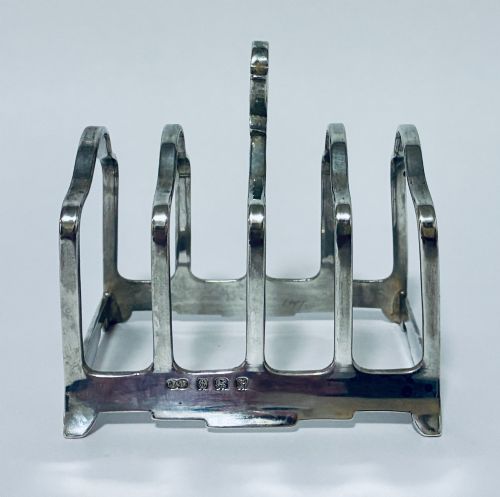
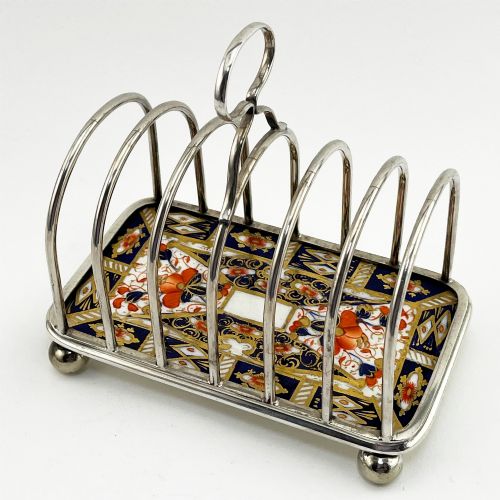
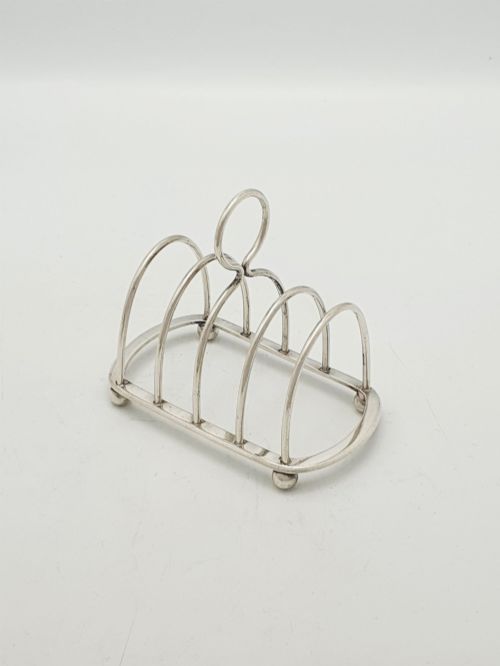
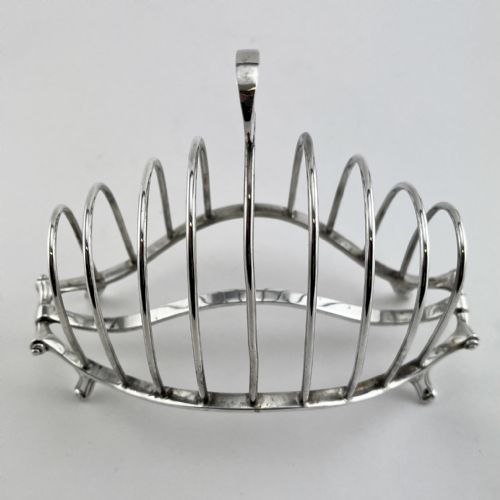
Toast racks dominate the selection, appearing in standard wire forms, trefoil designs, novelty caravan shapes, and modernist interpretations by Christopher Dresser. Egg cruet sets also feature prominently, often combining silver plate with oak bases or yew wood stands to hold boiled eggs securely.
Serveware ranges from revolving lidded butter dishes to silver-mounted glass preserve pots and small serving tureens. These items reflect the domestic routines of Victorian and Edwardian households, where morning dining involved dedicated vessels for each condiment and course.
How They Were Made
Makers utilised sterling silver and silver plate, often applying electroplated nickel silver or base metal substrates for plated items. Workshops also incorporated natural materials, joining silver mounts with oak, yew wood, and treenware to construct stands and bases.
Silversmiths employed techniques such as casting, wire-working, and silver-mounting to create structured items like toast racks and egg cup stands. Mechanical ingenuity appears in revolving mechanisms for butter dishes and egg cup stands, requiring precise metalwork and carpentry.
Victorian Breakfast Tableware Retail Price Guide 2026
Typical asking prices for victorian breakfast tableware among the pieces listed under this phrase on Sellingantiques today, from the lower quarter to the upper quarter. They describe what is for sale here now, not the wider market.
What Varies in Quality
Quality depends upon the heaviness of the silver or the durability of the plating over the base metal. Superior pieces demonstrate crisp detail in wire-work, solid joints, and substantial gauge metal that resists bending.
Design distinction and maker attribution elevate certain items above standard domestic wares. Pieces bearing marks from notable makers like Elkington or Hukin & Heath, or unusual forms such as equestrian toast racks and novelty wagons, exhibit higher craftsmanship and design ambition.
Hamilton and Inches·Elkington·Christopher Dresser·Hukin and Heath
The Victorian Breakfast Tableware Glossary
- Egg cruet set
- A matched assembly of egg cups, spoons, and salt cellars mounted in a frame for serving boiled eggs at the table. They frequently incorporate wooden bases made from oak or yew.
- Serveware
- Vessels and dishes intended for presenting food at the dining table, including small tureens and preserve pots. These items often feature silver plating and glass inserts.
- Treenware
- Small household objects carved from wood. Examples include revolving stands used for holding egg cups.
- Electroplated nickel silver
- A base metal alloy of copper, nickel, and zinc coated with a layer of pure silver through an electrolytic process. This technique became widespread during the Victorian period for manufacturing durable tableware affordably.
Victorian Breakfast Tableware: Frequently Asked Questions
What pieces are included in breakfast tableware?
Breakfast tableware comprises specialised serving vessels designed for the morning meal, including toast racks, egg cruet sets, and preserve pots.
These items reflect the structured dining habits of the Victorian and Edwardian periods, where specific foods required dedicated silver or plated vessels.
How were egg cruet sets used?
Egg cruet sets held soft-boiled eggs along with accompanying condiments and spoons in a portable frame.
Servants brought these sets directly to the breakfast table so diners could assemble their portions using the integrated cups and stands.
How do I care for silver plate?
Silver plate requires gentle cleaning with non-abrasive polishes to preserve the thin silver layer over the base metal.
Regular use and careful hand washing prevent premature wear while maintaining the bright reflective finish of the nineteenth-century metalwork.
How can I tell Victorian from Edwardian pieces?
Victorian pieces often display heavier ornamentation and traditional forms rooted in nineteenth-century revival styles.
Edwardian items frequently shift towards lighter proportions and cleaner lines, though both periods share similar manufacturing techniques.