



Victorian Brass Sword
A victorian brass sword brings the heavy ceremonial pomp and hidden practicality of the nineteenth century straight into your study.
Victorian Brass Sword
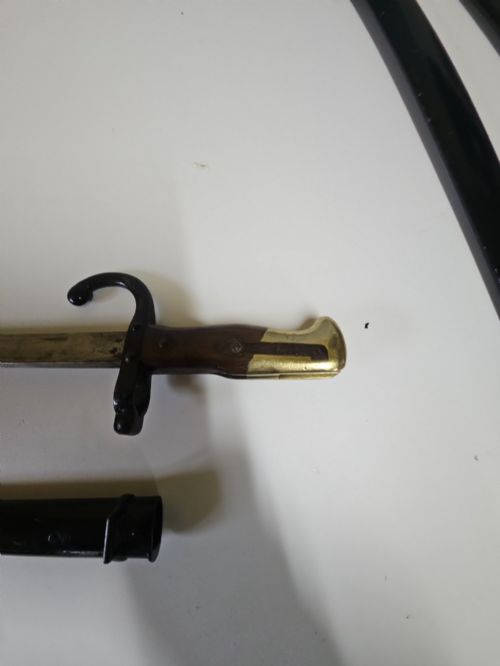
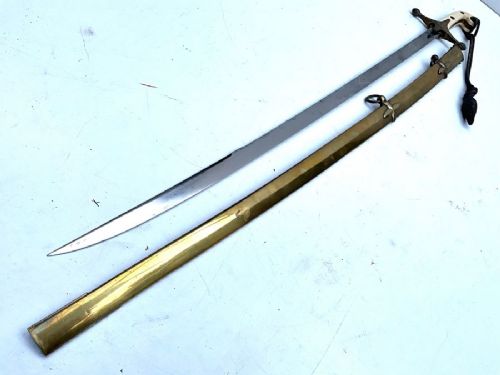
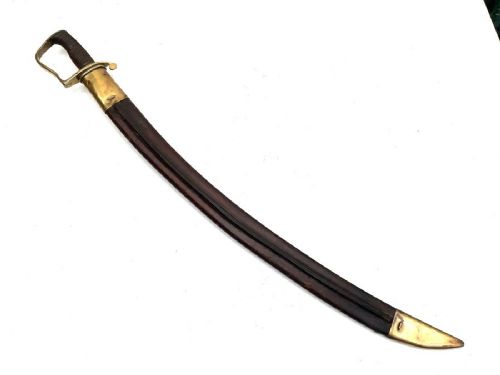
When you search for a victorian brass sword, you are looking at nineteenth-century edged weapons, concealed blade sticks, and military revival table lamps. These pieces range from General Officers Mameluke swords and French bayonets to Masonic ceremonial jewelled swords.
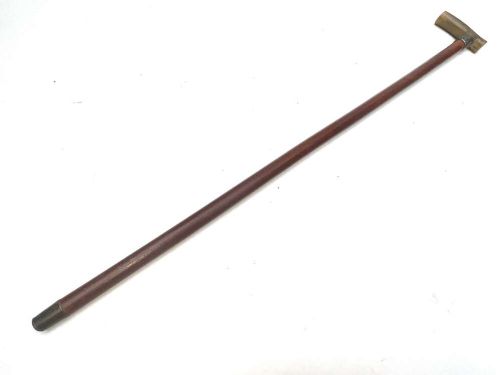
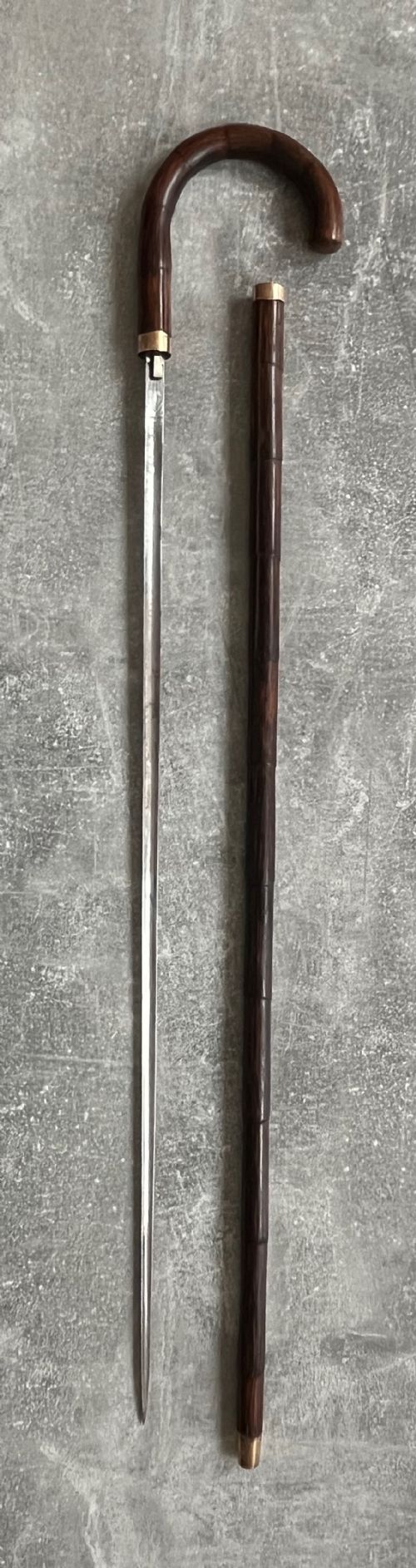
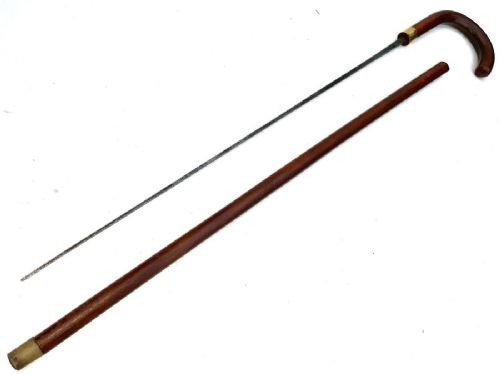
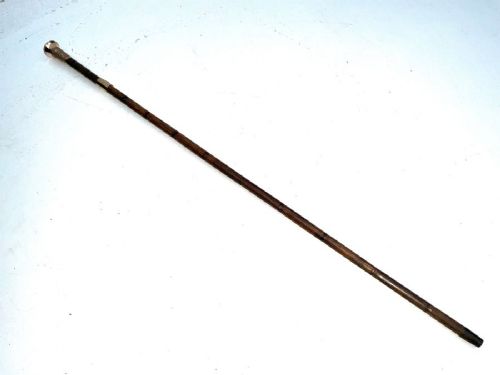
You are most likely to meet concealed walking sticks and swagger canes featuring horn, bone, or faux bamboo handles housing hidden steel blades. Military officers' walking sticks and fraternal ceremonial items also appear frequently across the selection.
The objects span the nineteenth century, encompassing distinct military and fraternal traditions. Gilded brass candlelamps modelled as basket-guard cavalry dress swords demonstrate the domestic decorative adaptations found in this group.
How they were made
Makers shaped these pieces using brass, steel, and hardwood, often combining leather, velvet, horn, and bone for grips and scabbards. Blades utilise tempered steel, sometimes marked with origins like Toledo.
Mounts, hilts, and handles employ cast and gilded brass. Wooden shafts receive finishes including faux bamboo painting or carved horn details.
Victorian Brass Sword Retail Price Guide 2026
Typical asking prices for victorian brass sword among the pieces listed under this phrase on Sellingantiques today, from the lower quarter to the upper quarter. They describe what is for sale here now, not the wider market.
What varies in quality
The distinction between standard production and superior craftsmanship lies in the crispness of the brass casting and the engraving on the blade. Better examples display refined chasing on the hilt and robust mechanical fit in concealed sword sticks.
Materials dictate the upper tier, where genuine horn or bone handles and heavy gilded mounts replace simpler woods and plain metals. The integrity of the blade steel and the precision of the scabbard fit separate utilitarian items from parade-grade presentation pieces.
E Thurkle of Soho
The Victorian Brass Sword Glossary
- Bayonet
- A steel blade designed to fit onto the muzzle of a rifle for close combat. Nineteenth-century examples often appear independently as edged weapons or collector pieces.
- Swagger stick
- A short walking cane carried by military officers as a symbol of authority. Some Victorian variants conceal a hidden blade beneath the wooden or faux bamboo shaft.
- Basket-guard
- A metal guard forming a protective bowl or lattice around the hilt of a sword to shield the user's hand. In domestic lighting, this form inspires decorative brass candlelamps.
- Ceremonial jewel
- An emblematic decoration worn or displayed during fraternal and Masonic gatherings. These pieces often incorporate rich metals and symbolic iconography.
Victorian Brass Sword: Frequently Asked Questions
What is a sword stick?
A sword stick is a walking cane that conceals a steel blade within its wooden or faux bamboo shaft. These pieces were carried by gentlemen in the nineteenth century for personal defence.
The handle often uses horn, bone, or carved wood, pulling apart from the scabbard body to reveal the hidden edge.
How do you display a table lamp sword?
Table lamps modelled as cavalry dress swords place the brass basket-guard and hilt at the base of the lighting fixture. They function as conventional desk or table lamps.
Position them on sturdy wooden surfaces where the gilded brass and nineteenth-century military form can be viewed closely.
What distinguishes a Mameluke sword?
A Mameluke sword is characterised by its pronounced curved blade and distinctive crossguard with sloping quillons. It reflects nineteenth-century military revival styles.
Officers wore these dress swords during formal duties, pairing them with ornate brass scabbards and polished hilts.