
Victorian Box
A victorian box offers an intimate glimpse into nineteenth-century life, holding everything from delicate writing slopes to heavy oak trunks.
Victorian Box
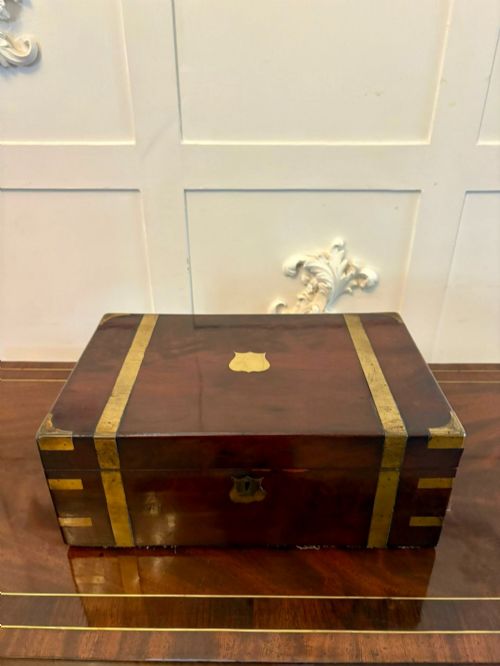
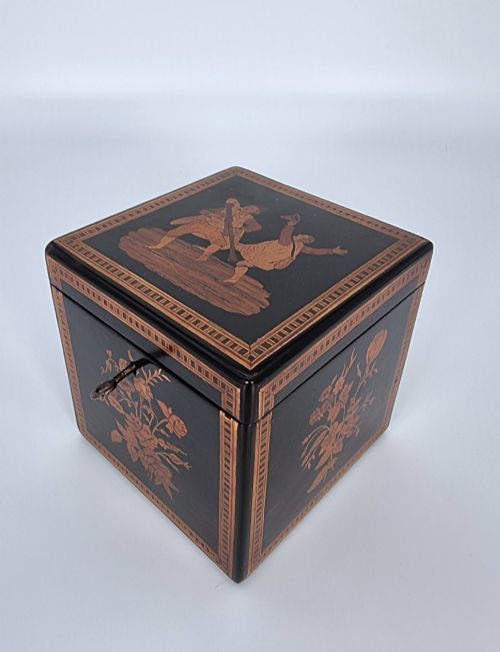
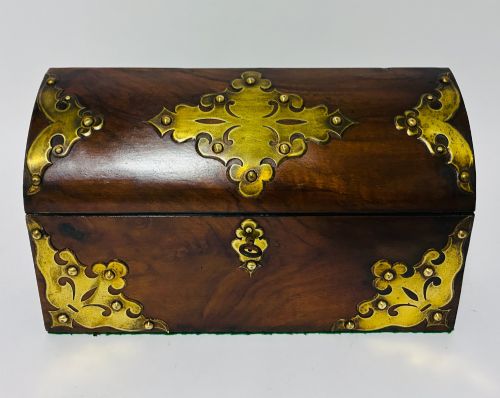
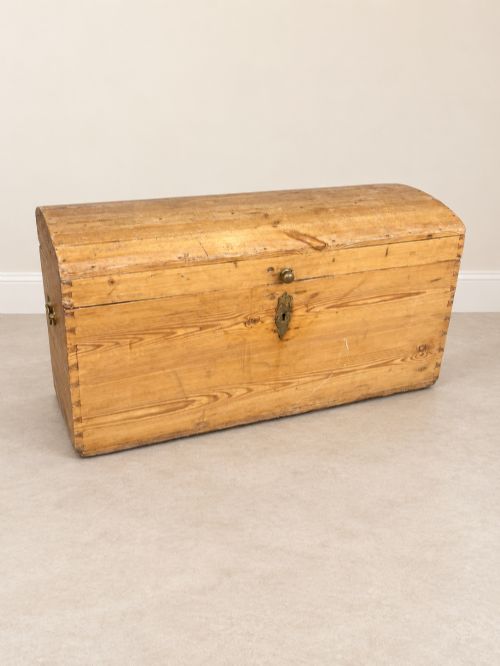
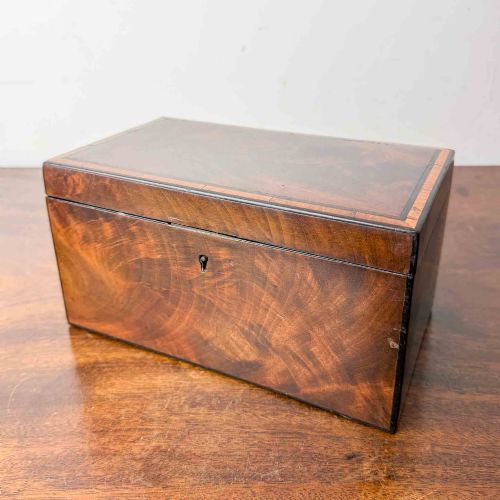
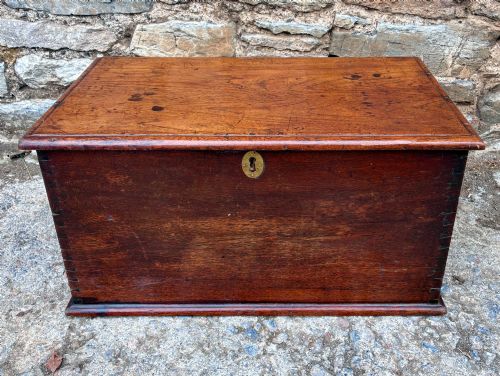
A victorian box encompasses a remarkably broad range of domestic receptacles, from small pocket snuff boxes to substantial blanket chests and travelling tea caddies. When searching this phrase, buyers encounter everything from modest pine trunks and rustic farmhouse pieces to elaborate burr walnut writing slopes mounted in brass.
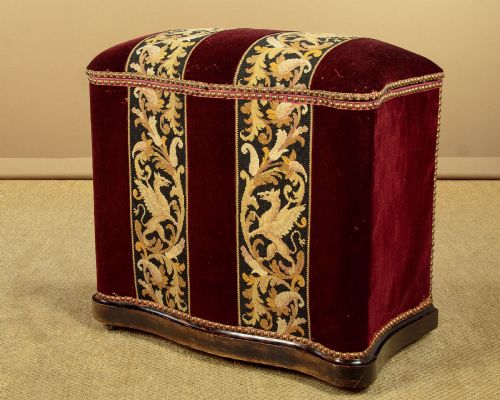
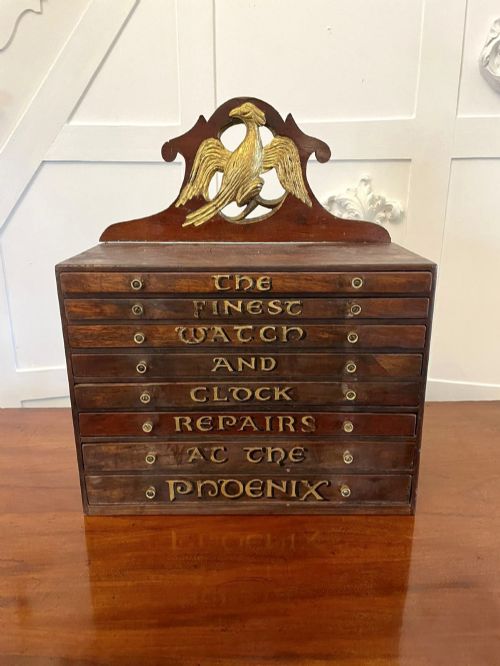
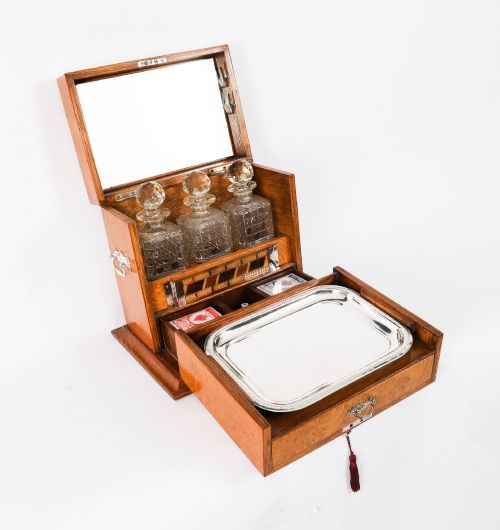
The domestic interior of the nineteenth century relied on these lidded vessels for organisation and security, resulting in specialist forms like stationery cabinets, tantalus sets, and watchmaker chests. Smaller personal items such as silver card cases and sewing boxes sit alongside large upholstered log scuttles and carriage chests.
Most examples originate from the broader nineteenth century, spanning decades from the eighteen-fifties through to nineteen-ten, reflecting both utilitarian storage needs and refined craftsmanship. Woods like mahogany, walnut, and oak dominate, often accented with brass hinges, locks, and bindings designed for durability.
Materials and Construction
Cabinetmakers utilised a variety of solid and veneered timbers, pairing dense hardwoods like mahogany, walnut, and coromandel with more accessible structural woods such as pine and oak. Grain selection played a crucial role in surface decoration, particularly through the use of figured veneers and burr walnut on writing slopes and tea caddies.
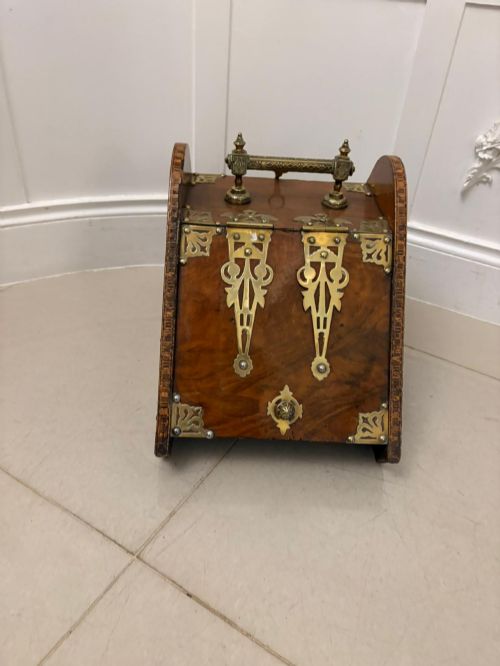
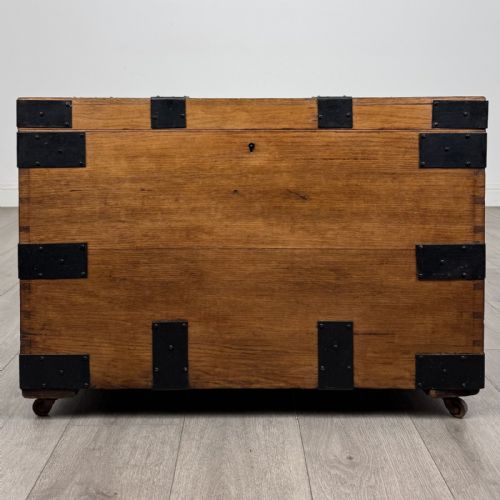
Metalwork integral to these pieces included cast brass mounts, corner brackets, and ormolu decoration, which provided structural reinforcement alongside visual contrast. Iron and metal bands frequently secured larger trunks and storage chests intended for heavier domestic or travel use.
Internal arrangements demonstrated complex joinery, incorporating hidden compartments, fold-out writing surfaces, and velvet-lined slots for bottles or instruments. Exterior finishes relied on traditional polish and lacquer, while smaller silver items showcased repoussé work and engine-turned detailing.
Factors of Quality
The distinction between ordinary utility items and exceptional pieces rests upon the precision of the joinery and the selection of timber. Finer receptacles display carefully matched grain patterns across every surface, tight dovetail joints, and integrated interior mechanisms that operate smoothly without binding.
Hardware and secondary materials further differentiate the standard of production, separating mass-produced containers from bespoke commissions. Solid brass mounts, original working locks with matching keys, and finely chased ormolu elevate a piece, whereas replacements and crude fastenings diminish its integrity.
Edwards and Jones
The Victorian Box Glossary
- Tea caddy
- A lidded container specifically designed to store dry tea leaves, often featuring internal compartments and a central lock. These boxes protected expensive imported tea from dampness and theft in the Victorian household.
- Writing slope
- A portable desk hinged to open at an angle, providing a slanted writing surface and interior storage for paper and ink. Fine examples incorporate secret drawers and leather-lined writing pads.
- Tantalus
- A locking drink container holding decanters in a frame that prevents removal without a key. This clever device kept household spirits secure from unauthorised access by servants or guests.
- Stationery cabinet
- An upright desk accessory fitted with tiered compartments and pigeonholes for organising letters and writing paper. They became increasingly popular in late nineteenth-century studies and offices.
Victorian Box: Frequently Asked Questions
What were tea caddies used for?
Tea caddies served as secure storage containers for precious tea leaves during a period when tea was an expensive commodity. They frequently featured interior canisters and a lock to protect the contents.
Many examples included glass mixing bowls alongside dual compartments for green and black tea blends.
How do I identify a writing slope?
A writing slope opens along a central hinge to reveal a sloping desk surface covered in leather or velvet. The interior contains small compartments for inkwells, pens, and stationery.
Closed, they form a compact rectangular box with brass corners and a flush-fitting carrying handle.
What is an apprentice piece?
An apprentice piece is a scaled-down model of furniture created by a woodworker in training to prove their technical competence. These miniature chests and cabinets exhibit the same dovetail joints and polish as full-size furniture.
Cabinetmakers kept them in workshops as tangible proof of their skill to prospective clients.
How should I clean a wooden box?
Maintenance requires gentle dusting with a soft, dry cloth to protect the historic polish and timber surface. Avoid modern silicone sprays or harsh chemical cleaners that penetrate open grain.
Occasional applications of high-grade beeswax feed the wood and preserve the natural patina developed over the decades.