


Victorian Bow Jewellery
Victorian bow jewellery brings together delicate metalwork and romantic motifs, offering the lasting charm of nineteenth-century adornment.
Victorian Bow Jewellery
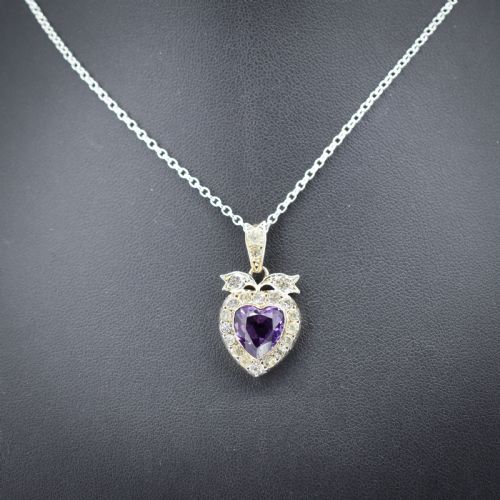
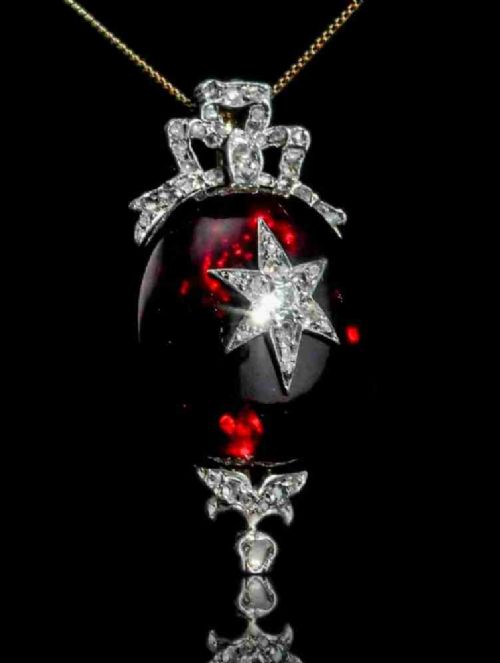
Victorian bow jewellery encompasses brooches, pendants, and rings fashioned into looped ribbon shapes. These pieces frequently incorporate stones such as turquoise, garnet, and diamond alongside pearls, reflecting the decorative preferences of the nineteenth century.
The items found here span the Victorian, Edwardian, and Georgian periods, showcasing regional variations including Scottish Revival pebble work. Buyers will encounter both dedicated bow-shaped pins and convertible pendant brooches designed to serve multiple functions.
Alongside conventional jewellery items, related forms such as miniature bow front chests appear within the broader scope of the period style. The core of the selection remains devoted to wearable gold and silver ornaments set with precious and semi-precious materials.
What varies in quality
The calibre of Victorian bow jewellery depends upon the fineness of the metalwork and the selection of materials. Pieces incorporating natural pearls, high carat gold, and well-matched old cut diamonds represent the upper tier of execution.
Artisanal skill is visible in the delicacy of the wire twist and the secure seating of stones within the ribbon loops. Simpler silver or enamel examples rely on charm and design rather than intrinsic gemstone value to achieve their appeal.
Bow motifs extend beyond wearable ornaments here to include miniature mahogany chests of drawers.
The Victorian Bow Jewellery Glossary
- Cabochon
- A gemstone shaped and polished with a smooth, rounded surface rather than faceted. This style was frequently utilised for turquoise, garnet, and agate.
- Old cut
- A diamond cutting style characteristic of the nineteenth century featuring a smaller table, higher crown, and open culet. These stones catch candlelight effectively.
- Pendant brooch
- A versatile item of jewellery fitted with both a pin fastening and a loop, allowing it to be worn on clothing or suspended from a chain.
- Mourning locket
- A piece designed to hold a keepsake, such as a lock of hair or a miniature portrait, often associated with Victorian sentimentality.
- Scottish Revival
- A nineteenth-century design movement incorporating local stones like agate and jasper set in silver, popularised during royal visits to Scotland.
Victorian Bow Jewellery: Frequently Asked Questions
How do I wear a Victorian bow brooch?
These brooches fasten securely to heavy fabrics, lapels, or the centre of a neckline using pin stems typical of the period. Many designs double as pendants by utilising a hidden loop on the reverse to accommodate a chain.
When selecting a piece to wear frequently, consider the weight of the gold or silver mount against the fabric thickness to ensure the brooch hangs correctly.
What materials are common in these pieces?
Gold and silver form the primary structural metals, ranging from standard silver to 15ct and 18ct yellow gold. Gemstones including turquoise, garnet, and old cut diamonds are frequently paired with natural pearls.
Enamel accents and polished hardstones like agate and jasper also appear regularly, particularly in pieces influenced by regional Scottish designs.
How can I tell the period of the jewellery?
Dating relies upon metal purity marks, stone-cutting styles, and manufacturing techniques characteristic of the nineteenth century. Old cut diamonds and specific pin mechanisms often indicate Victorian or Georgian origins.
Stylistic shifts between Georgian restraint, Victorian elaboration, and Edwardian lightness provide further clues to when an item was made.
Are these items convertible?
Several pieces in this category are designed as pendant brooches, featuring both a removable or folding pin and a suspension loop. This dual functionality allowed nineteenth-century owners to transition the ornament from daytime dress wear to evening necklace display.
Checking the reverse of a piece will reveal the presence of these attachment points.