



Victorian Bookcase with Base
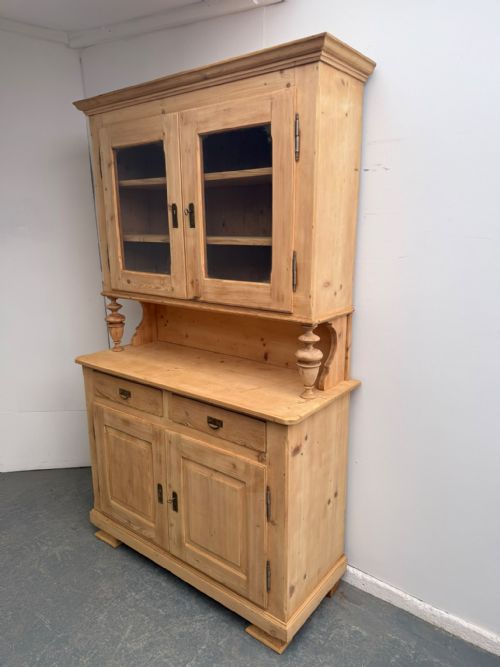
A victorian bookcase with base offers substantial storage and display, pairing upper shelving with a solid lower cupboard or drawer section.
Victorian Bookcase with Base
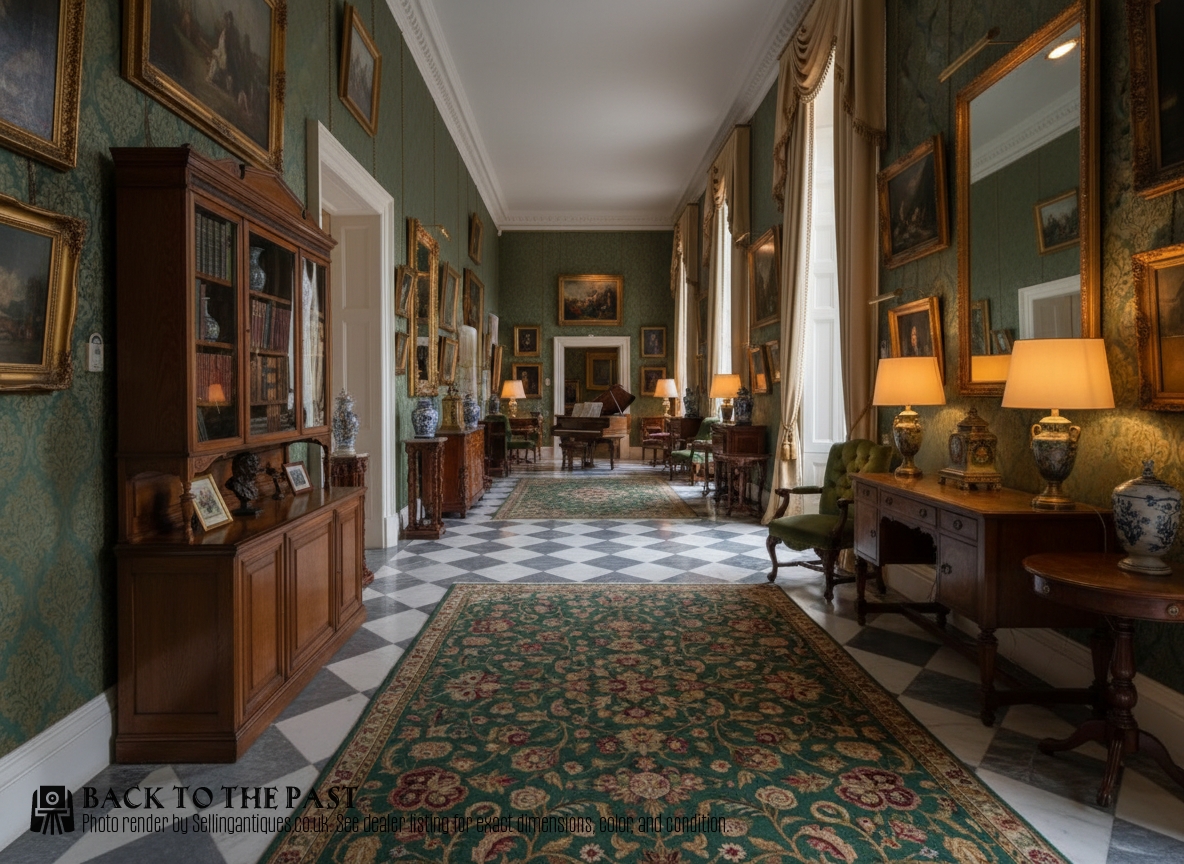
A victorian bookcase with base combines upper display shelving with a functional lower cupboard, cabinet, or drawer section. These dual-purpose pieces serve libraries, studies, and principal reception rooms by housing books above while concealing files or household items below.
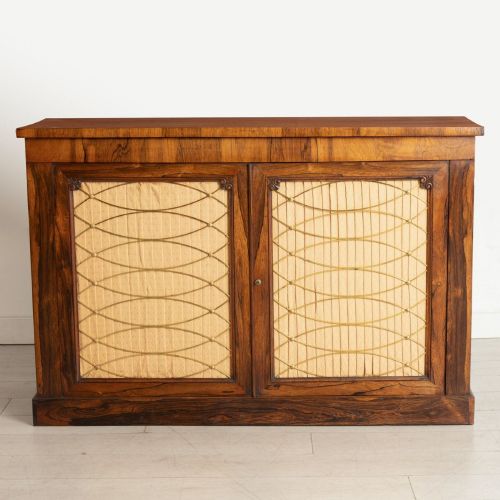
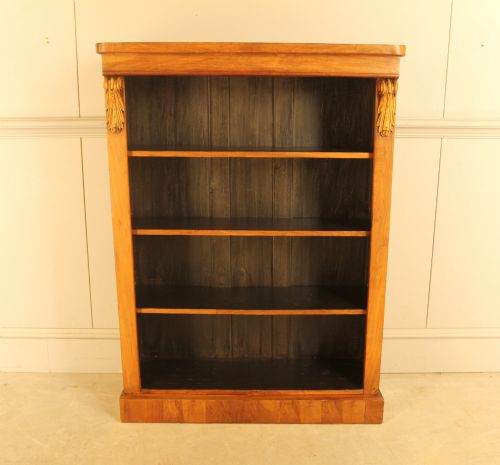
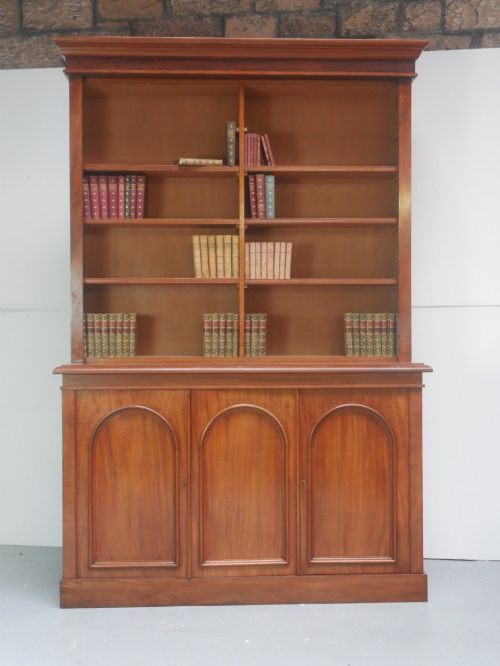
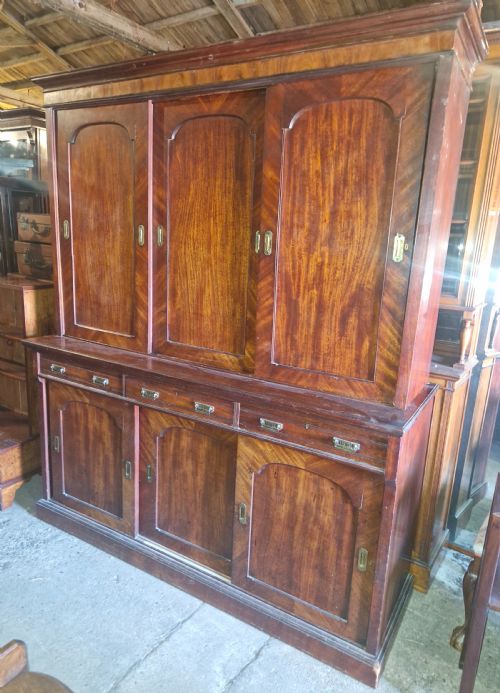
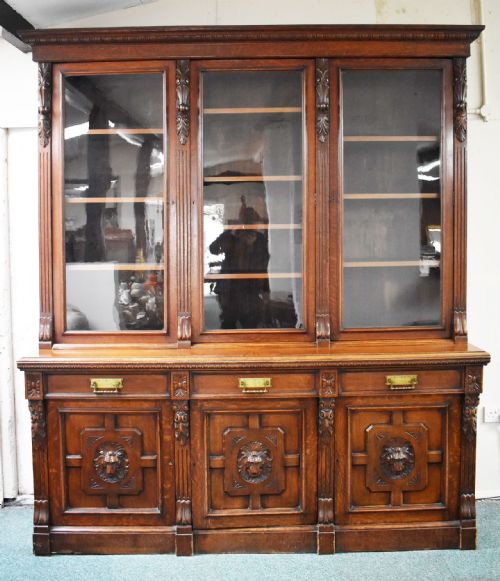
The pieces appearing on this page span the nineteenth century, including examples from the 1850s and 1860s alongside broader Victorian and William IV eras. Buyers encounter tall library formats, architectural designs, and glazed frontalities mounted on plinth or serpentine bases.
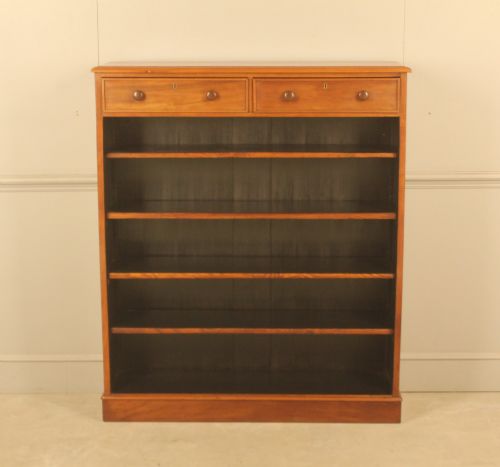
Many variants integrate glazed doors, open shelving, or built-in cupboards within the base structure. Others draw on cabinet and chiffonier forms, reflecting the varied domestic storage requirements of the period.
Materials and Construction
Cabinet makers utilised dense hardwoods such as mahogany, oak, rosewood, burr walnut, and amboyna to build these architectural forms. Figured veneers and solid timbers provide structural integrity while displaying natural grain patterns across the upper shelving and lower bases.
Detailing involves brass hardware, fabric linings, and cast bronze or ormolu mounts that accent the timber framework. Glazed doors protect library contents, and turned, carved, or fluted columns punctuate the vertical uprights of larger library editions.
Some nineteenth-century makers hid shallow frieze drawers right beneath the cornice, perfect for misplacing house keys.
Judging Quality and Execution
The distinction between standard utility items and superior examples lies in the selection of timbers and decorative mounts. Figured walnut veneers, burr walnut, and amboyna indicate higher ambition than plain pine or standard mahogany.
Refinement of the base structure - such as serpentine shaping, inverted breakfronts, or integrated ormolu mounts - signals superior craftsmanship. The inclusion of adjustable shelving and panelled internal backs further separates workshop output.
The Victorian Bookcase with Base Glossary
- Plinth base
- A heavy solid block or continuous platform supporting the lower section of a cabinet. This solid foundation elevates the main body off the floor.
- Ormolu mounts
- Gilded bronze decorative elements applied to furniture surfaces. These metal ornaments accent the timber doors and frames of high-status pieces.
- Breakfront
- A piece of furniture where the central section projects forward from the flanking wings. This architectural arrangement creates depth and visual rhythm.
- Chiffonier
- A low sideboard or cabinet featuring shelves or enclosed cupboards. This form evolved during the nineteenth century to serve dining and drawing rooms.
Victorian Bookcase with Base: Frequently Asked Questions
What rooms suit a victorian bookcase with base?
These tall combination pieces require rooms with adequate ceiling height and sufficient floor space to accommodate their substantial lower cupboards. They suit studies, libraries, and living rooms where books and hidden storage are both needed.
The deep footprint and heavy timber presence mean they anchor a room effectively. Placing them against a main wall allows the architectural details and glazed upper sections to function as a focal point.
How do I distinguish open shelves from glazed doors?
Open shelving offers immediate access to book collections and creates an airy display. Glazed doors protect leather-bound volumes from dust and environmental wear while maintaining visibility.
Selecting between open and glazed formats depends on whether the priority is active reading access or the preservation of antique books.
How do I care for mahogany and walnut timber?
Keep nineteenth-century hardwood furniture away from direct heat sources and strong sunlight to prevent the timber from drying and splitting. Regular dusting with a dry, soft cloth maintains the polished surface without moisture damage.
Avoid silicone-based sprays, opting instead for traditional beeswax applied sparingly to nourish the grain. This preserves the natural patina developed over the decades.
How do plinth bases differ from bracket feet?
A plinth base consists of a flat, continuous block running along the floor beneath the cabinet, providing a heavy, grounded appearance. Bracket feet elevate the furniture slightly on four or more corner supports.
Plinth bases distribute the weight of tall library bookcases evenly across the floor. They typify the architectural solidity seen in nineteenth-century case furniture.