

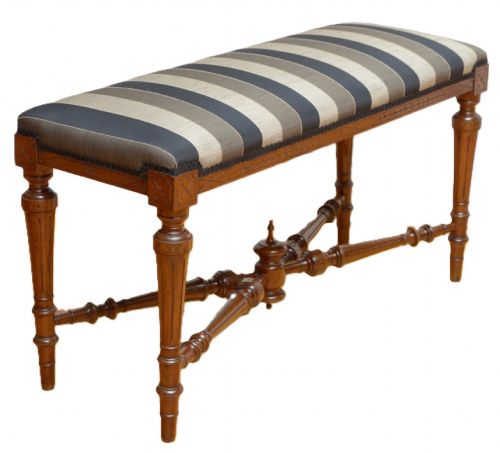


Victorian Bedroom Stool
A victorian bedroom stool brings understated comfort to a dressing space, combining compact proportions with robust nineteenth-century timber frames.
Victorian Bedroom Stool
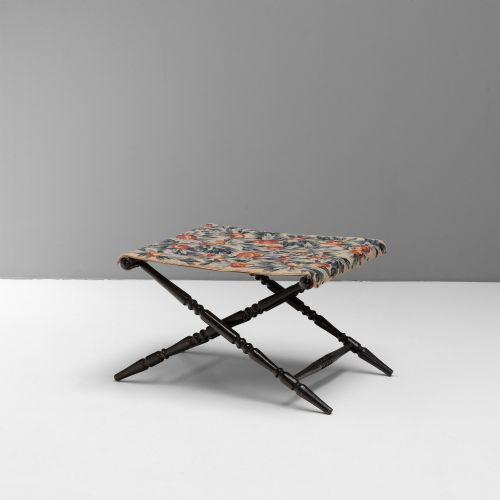
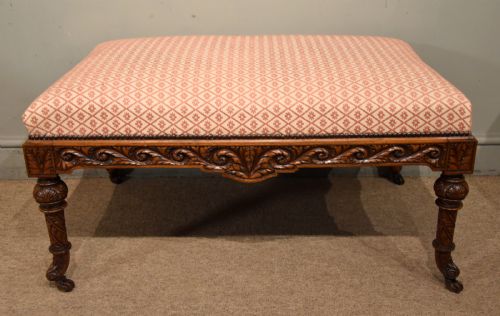
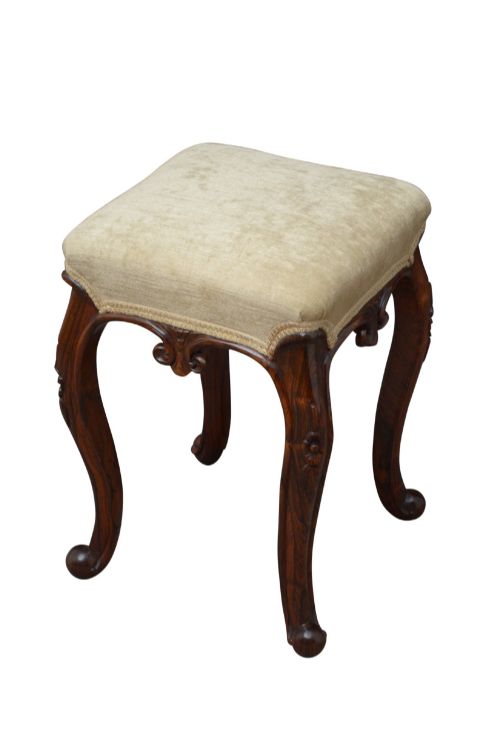
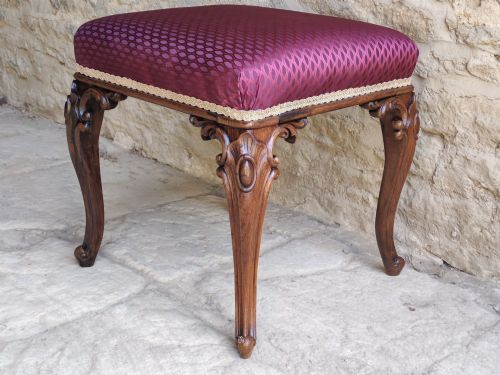
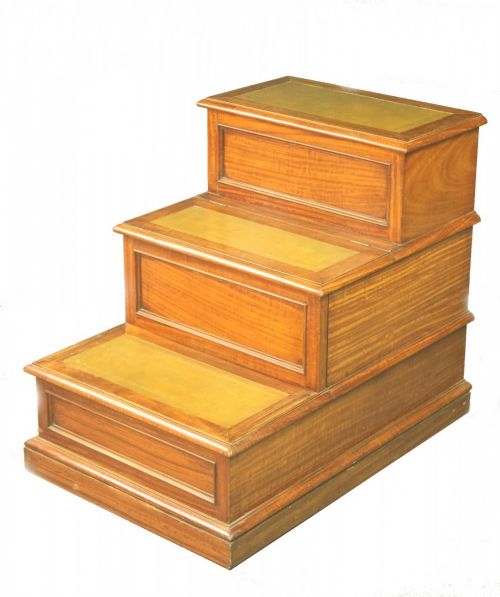
A victorian bedroom stool encompasses compact dressing table seats, low footstools, and window seats originating across the nineteenth century. The examples met on this page range from walnut and mahogany dressing stools to rosewood window seats and satinwood pieces.
Makers shaped these items for intimate domestic spaces, utilising durable hardwoods alongside diverse upholstery styles. Surviving pieces demonstrate the enduring utility of nineteenth-century domestic seating within contemporary interiors.
Materials and Technique
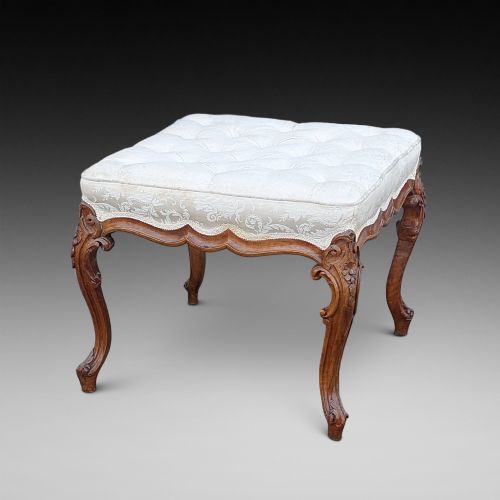
Cabinet makers constructed these frames predominantly from walnut, mahogany, and rosewood, frequently incorporating carved details, cabriole legs, or twist turnings. Brass mounts and secondary timbers appear alongside dense hardwoods to ensure structural integrity.
Upholstery techniques involved traditional textile coverings, leather, and fabric padding secured over robust timber foundations. Surviving examples often display either period textiles or subsequent professional recovering in linen and decorative fabrics.
Some nineteenth-century dressing stools feature concealed compartments once reserved for hairpins and powders.
Judging Quality
The distinction between ordinary and superior pieces rests on timber selection and the crispness of carved woodwork. Dense grains in walnut and rosewood combined with well-proportioned cabriole or X-frame structures indicate thoughtful workshop production.
Proportion and stability define the upper tier of these items. Refined joinery and balanced ornamentation separate workshop pieces intended for principal rooms from utilitarian variants.
James Shoolbred
The Victorian Bedroom Stool Glossary
- Cabriole leg
- A furniture leg that curves outward at the knee and tapers inward to an ankle. This style is frequently seen on walnut and rosewood pieces from the nineteenth century.
- Duet stool
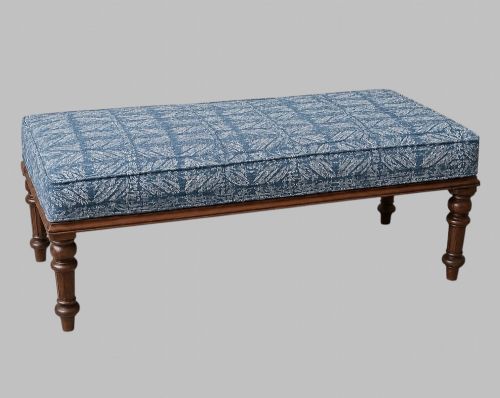
- An elongated seat designed for two persons to sit side by side. These forms appear in mahogany and walnut across the Victorian period.
- Window seat
- A long, upholstered seat designed to fit beneath a window recess. Examples in this selection feature walnut frames and turned or fluted supports.
- Ottoman
- A low, upholstered box seat or footrest that often incorporates internal storage. These items survive in various nineteenth-century timbers with textile covers.
Victorian Bedroom Stool: Frequently Asked Questions
What is a victorian bedroom stool used for?
These pieces served primarily as seats for dressing tables, footrests beside armchairs, or low benches positioned beneath windows. Their compact dimensions allowed them to fit easily into private chambers without obstructing movement.
Today, they function similarly in modern homes, serving as dressing seats or occasional perches in bedrooms and hallways.
How do I identify a nineteenth-century piece?
Examination of the timber, joinery, and underlying construction reveals the manufacturing period. Nineteenth-century examples typically employ solid walnut, mahogany, or rosewood with traditional hand-cut joinery.
Secondary woods and hardware details further assist in confirming the nineteenth-century origins of the frame.
Are these seats suitable for daily use?
Solid hardwood frames ensure these items remain structurally robust for regular sitting or resting feet. Many surviving pieces have received modern upholstery while retaining their original nineteenth-century timber foundations.
Careful placement and standard maintenance allow them to withstand everyday domestic routines.
What woods were used for these stools?
Cabinet makers relied heavily on dense tropical and European hardwoods such as mahogany, walnut, and rosewood. Satinwood and goncalo alves also appear on select dressing table models.
These durable materials provided the structural strength required for carved legs and weight-bearing frames.