



Victorian Art Objects
These Victorian art objects are diverse decorative pieces and vernacular items that bring tactile charm and period character to any interior.
Victorian Art Objects
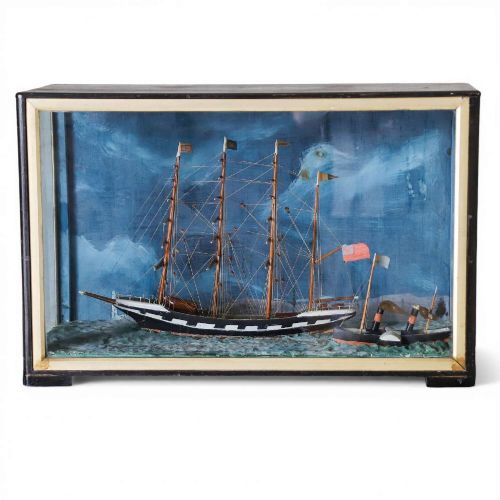
Victorian art objects encompass a fascinating mix of vernacular items, folk pieces, and decorative works created during the nineteenth century and the early decades of the twentieth century. When exploring Victorian art objects, buyers encounter a broad spectrum of forms ranging from carved treen nutcrackers and wooden toys to detailed maritime shadow boxes and shell dioramas.
How they were made
Makers utilised traditional woodworking and carving techniques to shape dense materials like fruitwood and hardwood into utilitarian yet sculptural forms such as nutcrackers and toy lionesses. Hand-carved details and turned wooden elements demonstrate the reliance on manual skill rather than industrial mass production.
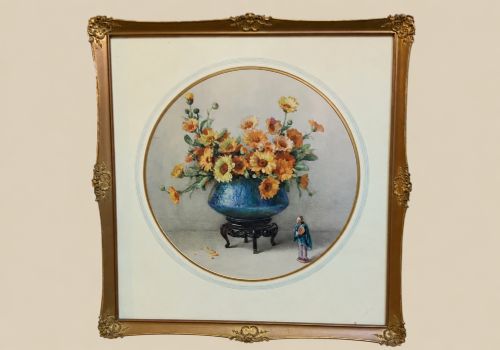
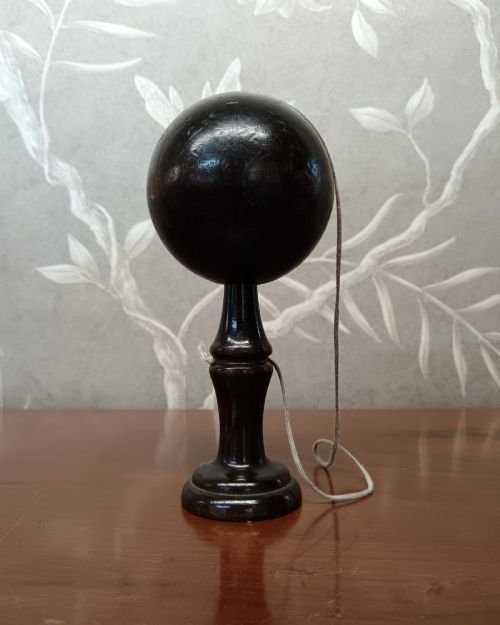
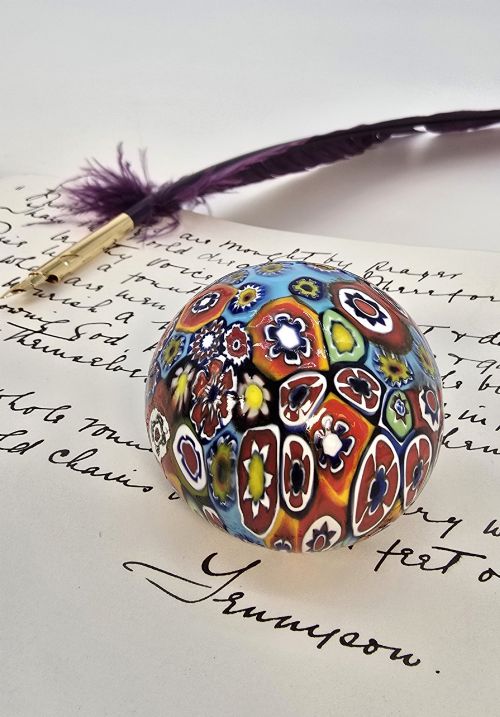
Fragile materials like glass and delicate shells were assembled with meticulous care to create intricate paperweights and three-dimensional shadow box dioramas. Watercolour pigment, gold leaf, and paint added colour and surface enrichment to framed paintings and ebonised wooden games.
Victorian Art Objects Retail Price Guide 2026
Typical asking prices for victorian art objects among the pieces listed under this phrase on Sellingantiques today, from the lower quarter to the upper quarter. They describe what is for sale here now, not the wider market.
Turn-of-the-century sailors and stay-at-home makers alike turned humble shells and scrap wood into elaborate miniature worlds.
What varies in quality
The standard of a piece rests upon the crispness of the hand-carving and the preservation of its original surface texture, whether that is polished fruitwood, ebonised timber, or delicate shellwork. Stronger examples display confident proportions and intentional detailing that elevate everyday utilitarian items into compelling sculptural forms.
Context and materials also dictate the distinction between standard items and exceptional survivals, particularly in maritime dioramas and folk art where intricate assembly determines visual impact. Pieces that retain their original pigments, gold leaf, or uncompromised structural integrity command greater appreciation.
The Victorian Art Objects Glossary
- Treen
- Small handmade wooden objects for domestic use. This category covers items such as nutcrackers, bowls, and traditional games carved from domestic hardwoods.
- Shadow Box
- A deep framed display case that houses a three-dimensional scene. These constructions frequently feature maritime dioramas with sailing ships or intricate shell grottoes.
- Ebonised
- Wood treated to imitate ebony wood. This dark finish is commonly applied to game pieces and decorative objects to create a uniform, polished appearance.
- Millefiori
- Glasswork technique producing a patterned mosaic effect. Translating to a thousand flowers, this method creates colourful floral motifs embedded within clear glass paperweights.
- Vernacular
- Objects made by self-taught makers or craftsmen following local traditions rather than academic fine art rules. These utilitarian or decorative pieces prioritize direct utility and regional materials.
Victorian Art Objects: Frequently Asked Questions
What counts as a Victorian art object?
This category includes a wide variety of decorative works, folk pieces, and vernacular items produced during the nineteenth century and early twentieth century. These range from hand-carved treen and toys to framed watercolours and maritime dioramas.
Because the term covers both amateur craft and skilled artisanal work, the objects share a tangible connection to nineteenth-century domestic life and craftsmanship without adhering to a single artistic genre.
How were these decorative items used?
Many of these pieces served dual purposes as functional household items and ornamental displays. Treen nutcrackers and wooden games were actively used in daily domestic settings, while shell grottoes, shadow boxes, and framed paintings were designed purely for visual enrichment.
Their survival reflects both their practical utility and the affection owners held for these charming, handmade domestic objects.
How do I style these pieces at home?
These tactile objects integrate easily into contemporary interiors by introducing natural textures and historical character. Wooden toys, carved treen, and small display sets work well placed on open shelving, side tables, or mantelpieces where their material qualities can be appreciated up close.
Grouping similar vernacular items, such as combining maritime shadow boxes with shell dioramas, creates a focused focal point that highlights their shared aesthetic.
How can I tell the period apart?
Dating these pieces relies on examining the materials, construction methods, and tool marks visible on the wood, metal, or glass. Items from the nineteenth century often show hand-wrought assembly and specific wear patterns consistent with vernacular traditions.
Later pieces from the early twentieth century may incorporate slightly different stylistic influences, such as simplified folk art vernacular or early mass-production techniques alongside traditional handcraft.