



Victorian Architectural Brackets
Victorian architectural brackets supply structural support and decorative projection, offering solid cast iron, carved wood and bronze engineering for period interiors.
Victorian Architectural Brackets
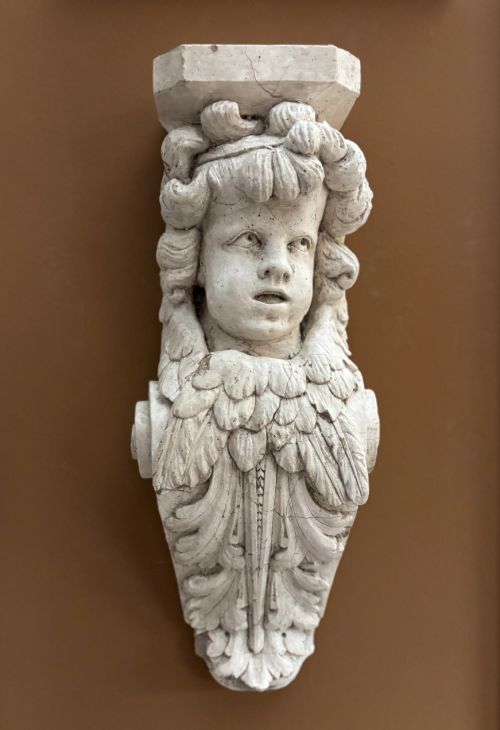
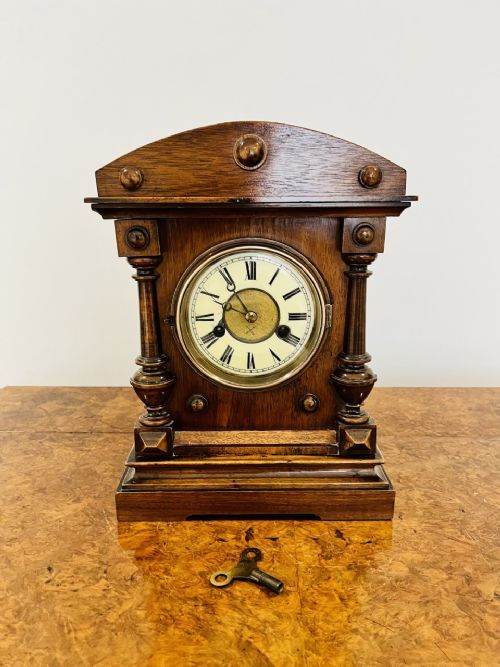
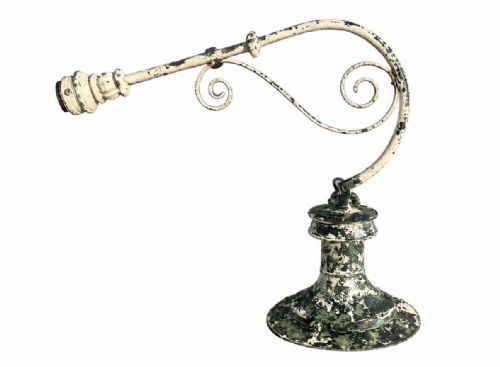
These items encompass functional supports and decorative fixtures designed to carry weight or project from walls during the nineteenth century. Buyers searching for Victorian architectural brackets encounter cast iron shelf supports, carved wooden corbels and heavy iron sink brackets.
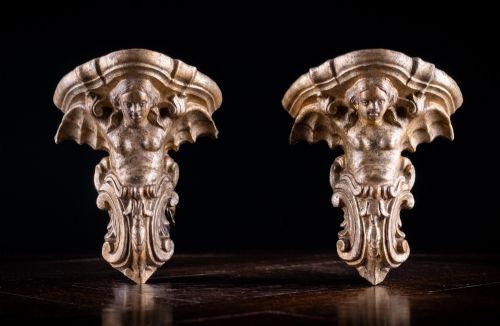
The selections span various forms including plain iron brackets alongside elaborate carved pine corbels and cast iron pieces featuring dragon motifs. Pieces emerge from several decades across the period, alongside related architectural salvage and wall displays.
Wooden examples utilise walnut, oak, rosewood and carved pine to provide decorative display surfaces. Iron and bronze variations serve heavier structural roles in domestic and municipal settings.
Materials and construction methods
Foundries produced robust iron and bronze items using traditional casting techniques, creating heavy shelf supports and sink brackets with intricate moulded details like dragons. Iron components deliver industrial strength whilst remaining decorative.
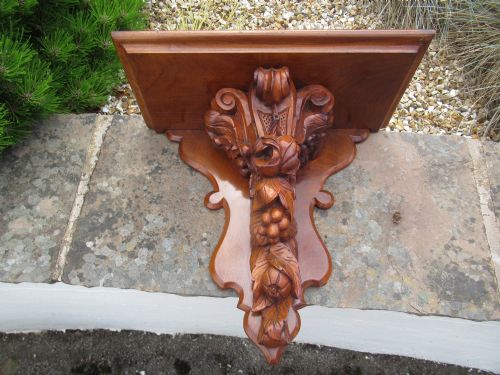
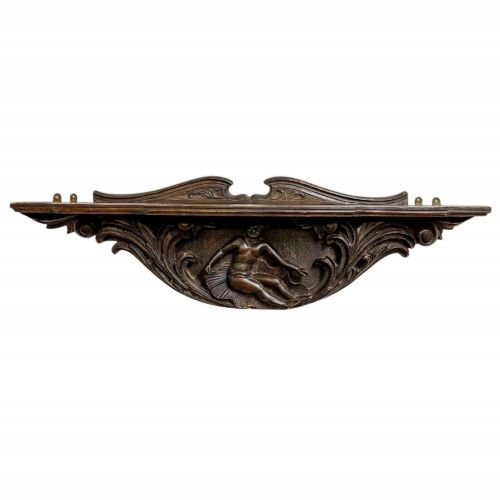
Carpenters and cabinetmakers shaped timber versions from oak, walnut, rosewood and pine using hand-carving and joinery methods. These wooden brackets and corbels feature detailed surface carving suited to overdoor pediments and display shelves.
Victorian Architectural Brackets Retail Price Guide 2026
Typical asking prices for victorian architectural brackets among the pieces listed under this phrase on Sellingantiques today, from the lower quarter to the upper quarter. They describe what is for sale here now, not the wider market.
Object forms cover wall brackets, shelf supports, carved corbels, overdoor pediments and heavy iron sink brackets.
Distinctions in quality
The refinement of the casting or the crispness of the hand-carving determines the calibre of each piece. Finer examples display sharp definition in cast iron motifs or deep, clean execution in carved wooden corbels.
Material selection separates standard utility hardware from sophisticated interior pieces, with dense hardwoods like rosewood and walnut or heavy bronze indicating higher original status.
The Victorian Architectural Brackets Glossary
- Corbel
- A structural piece of stone, wood or metal projecting from a wall to carry a weight. These architectural supports often feature decorative carving.
- Cast iron
- An iron-carbon alloy poured into a mould to mass-produce shapes. This material provides the structural rigidity required for heavy shelf and sink brackets.
- Architectural salvage
- Building elements rescued from structures slated for demolition. Salvaged pieces preserve historical ironwork and woodwork for modern reuse.
- Pediment
- A triangular or decorative gable above a door, window or architectural feature. Surviving overdoor pediments frequently incorporate integral shelves supported by brackets.
Victorian Architectural Brackets: Frequently Asked Questions
How do I mount heavy cast iron brackets?
Heavy iron and bronze shelf supports require robust fixings directly into masonry or solid wall studs to bear significant loads safely.
Ensure the wall anchors match the weight of the bracket and the anticipated load of the shelf above.
Can wooden wall brackets hold heavy objects?
Carved pine, walnut and oak brackets can support substantial weight depending on their size and the integrity of the timber. Solid hardwood versions generally offer higher load-bearing capacity than softer woods.
Check the grain direction and joint construction before placing heavy items on display shelves.
How should I clean antique cast iron brackets?
Remove surface dust with a soft brush and apply a light coat of paste wax or oil to protect iron surfaces from oxidation. Avoid harsh chemical cleaners that strip the original dark patina.
Gentle maintenance preserves the historical finish accumulated over decades of use.
Are these brackets suitable for modern walls?
These pieces adapt easily to contemporary interiors when secured properly to structurally sound walls. They function effectively as functional shelf supports or standalone decorative accents.
Proper installation ensures both stability and visual impact in modern rooms.