





Victorian Apothecary Box
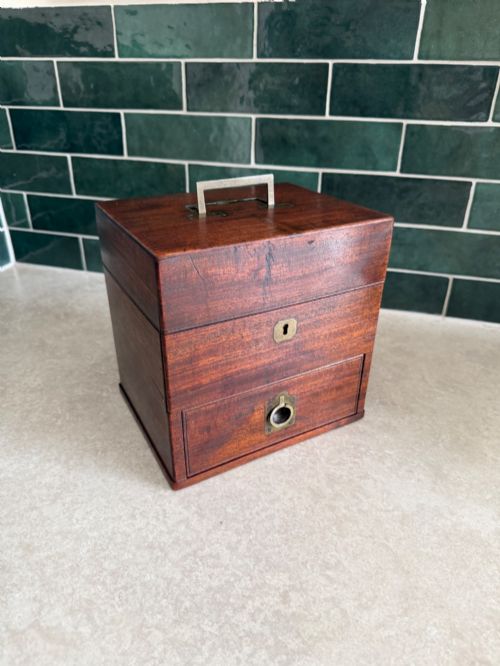
These mahogany and brass fitted chests are built to hold medical bottles and remedies, offering compact storage that collectors prize for its precision.
Victorian Apothecary Box
When you search for a victorian apothecary box, you encounter tightly organised wooden chests and small cabinets designed to transport or store medical bottles and remedies safely. These pieces date primarily from the nineteenth century, spanning Victorian and Edwardian periods.
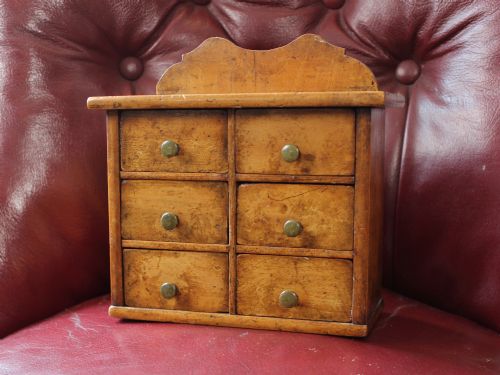
The selection ranges from miniature campaign chests fitted with original glass bottles to countertop display cabinets, spice drawers, and instrument cases. Many examples utilise mahogany, pine, and oak, often lined with velvet or leather to protect delicate glassware.
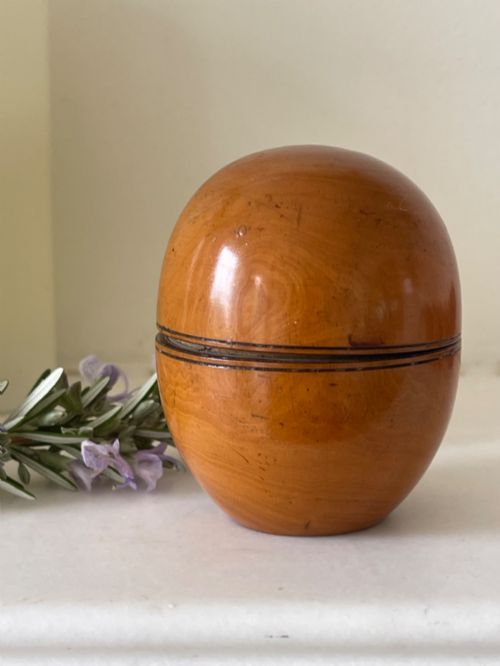
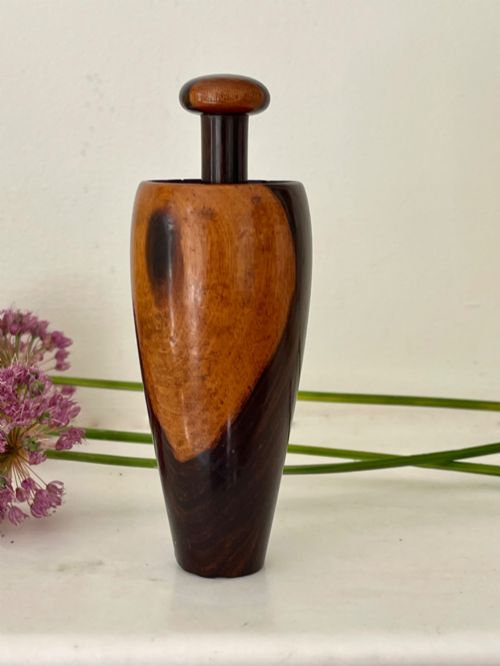
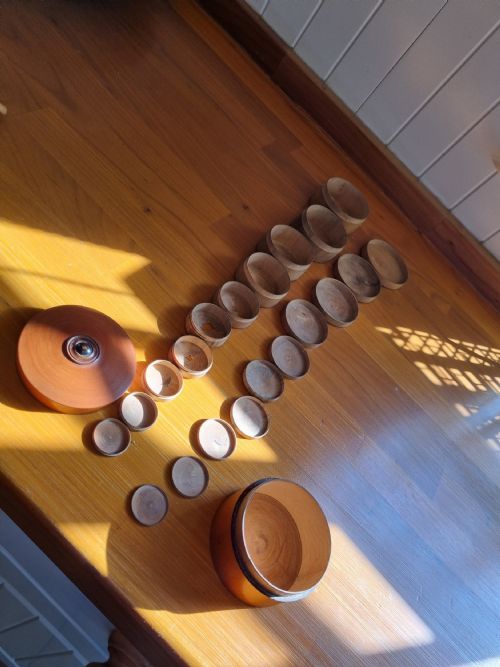
Alongside standard apothecary boxes, related medical antiques appear, including pill rounders, treen mortars, pestles, and chemist jars. These items reflect the domestic and professional storage needs of the period.
Materials and construction
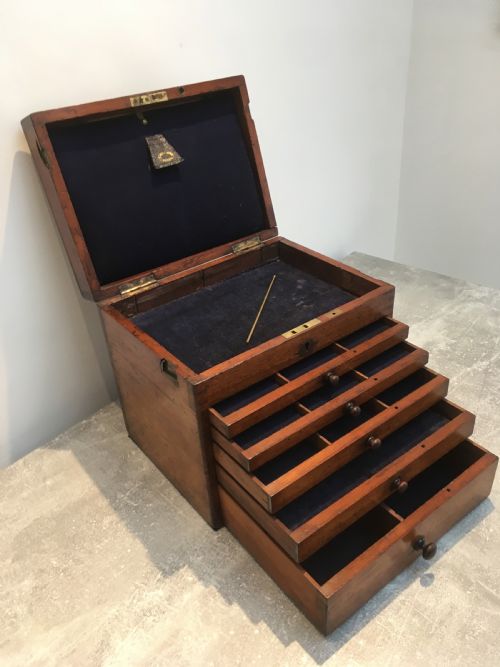
Cabinet makers constructed these boxes using dense timbers such as mahogany, oak, fruitwood, and pine, frequently adding boxwood or inlaid details. Brass hardware, including flush carrying handles, corner brackets, and secure locks, reinforced the corners and protected the wood during travel.
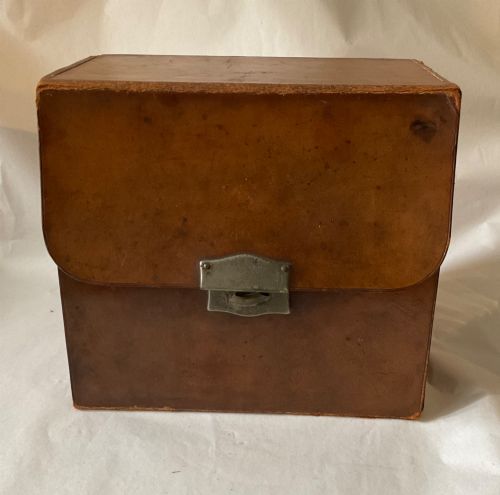
Interiors were carefully partitioned with wooden dividers to hold glass bottles securely in place, sometimes incorporating hidden compartments for scales or powders. Velvet and leather linings added a layer of protection for fragile contents.
Victorian Apothecary Box Retail Price Guide 2026
Typical asking prices for victorian apothecary box among the pieces listed under this phrase on Sellingantiques today, from the lower quarter to the upper quarter. They describe what is for sale here now, not the wider market.
Listings feature nineteenth century pieces made from mahogany, pine, oak, and boxwood, with brass and velvet details.
Assessing quality and completeness
The highest quality pieces retain their original fitted interiors, complete sets of labelled glass bottles, and functioning brass locks. Boxes that include specialised instruments, pill rounders, or original chemist jars command greater attention.
Construction details separate standard utility pieces from exceptional items, such as fine dovetail joints, superior timber selection, and intact leather or velvet linings. Condition and originality dictate the standing of each box within the range.
The Victorian Apothecary Box Glossary
- Treen
- Small wooden domestic objects made by turning or carving. These items often include pill silverers and mortars.
- Campaign box
- A portable chest built for travel with recessed brass handles and reinforced corners. These pieces were designed to withstand movement.
- Pill rounder
- A wooden tool used by pharmacists to shape medicinal pastes into uniform pills. Examples are typically turned from boxwood.
- Chemist jar
- A glass container made to hold dry ingredients or liquid remedies on a shelf or inside a cabinet. These often feature hand-painted labels.
Victorian Apothecary Box: Frequently Asked Questions
What went inside an apothecary box?
These chests held glass bottles filled with liquid remedies, powders, and pills, alongside scales and measuring instruments.
Many examples included small drawers and fitted compartments designed to keep specific medical ingredients organised and secure.
How do I date a box?
Dating relies on timber choices, brass hardware styles, and construction methods like dovetailing. Pieces from the nineteenth century often show hand-finished details and specific wood selections typical of the period.
Makers frequently incorporated design traits associated with Victorian or Edwardian craftsmanship that help place the piece in time.
Are original bottles common?
Finding a box complete with its original glass bottles is a distinct feature that elevates the piece. Many cabinets survive without their initial contents or glassware.
Replacements do occur, so matching bottles require careful inspection of the glass age and fit within the wooden partitions.
How should I clean the wood?
Maintenance involves dusting with a dry cloth and occasionally applying a suitable wax to nourish the timber. Avoiding harsh modern cleaning products protects the original finish and patina.
Brass hardware can be cleaned gently if needed, though many collectors prefer to leave the aged metal untouched.