
Victorian Accent Table Lamp
A victorian accent table lamp brings a rich nineteenth-century character and practical illumination to a room.
Victorian Accent Table Lamp
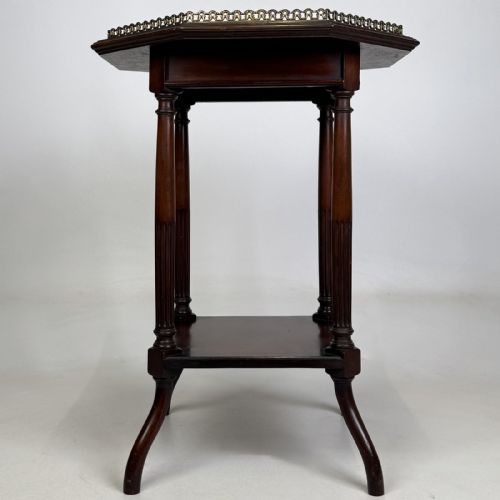
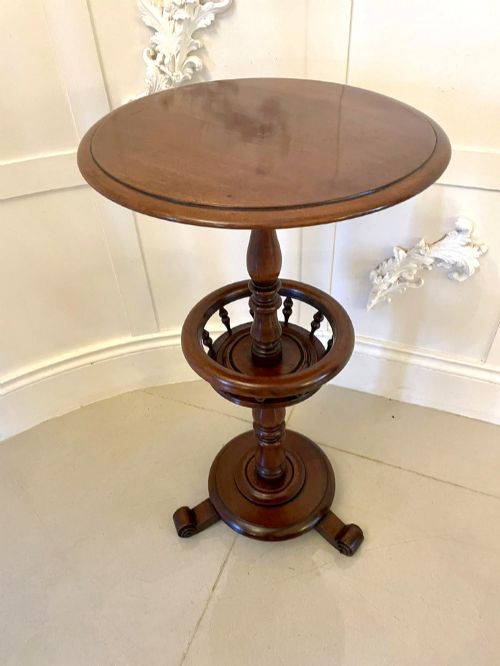
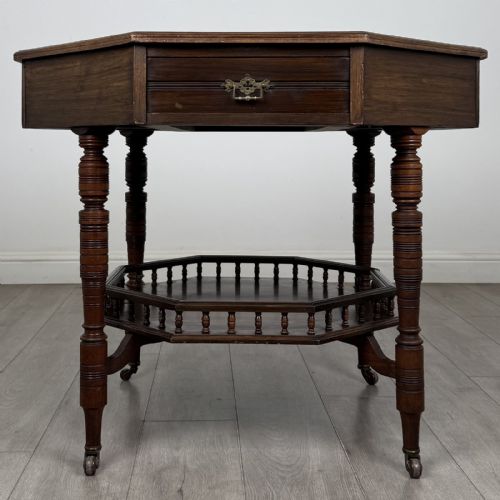
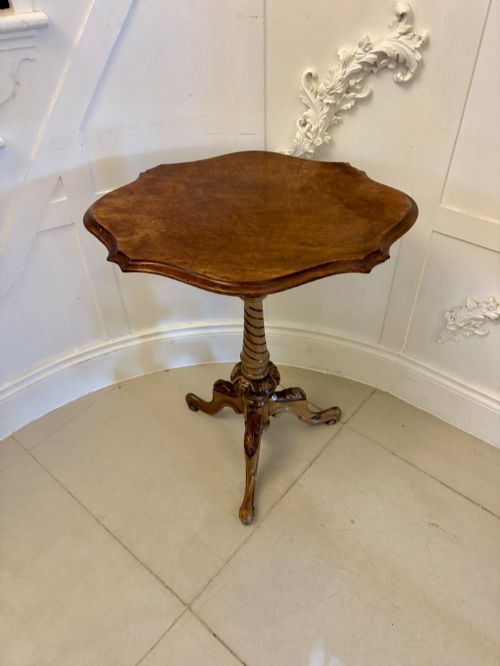
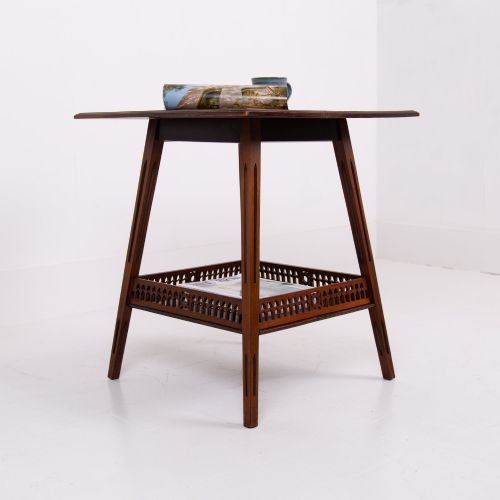
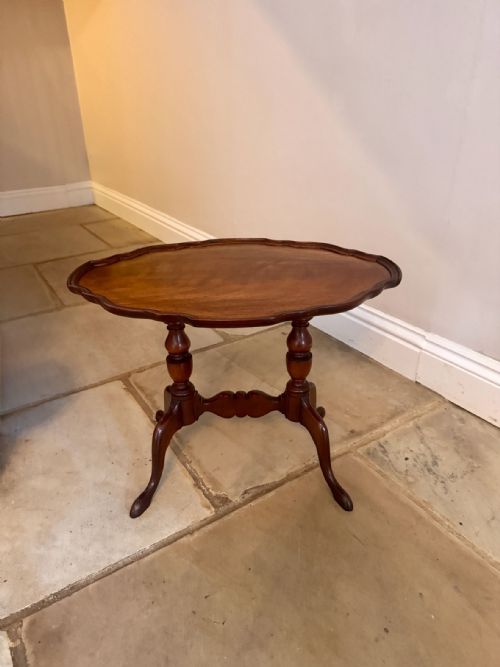
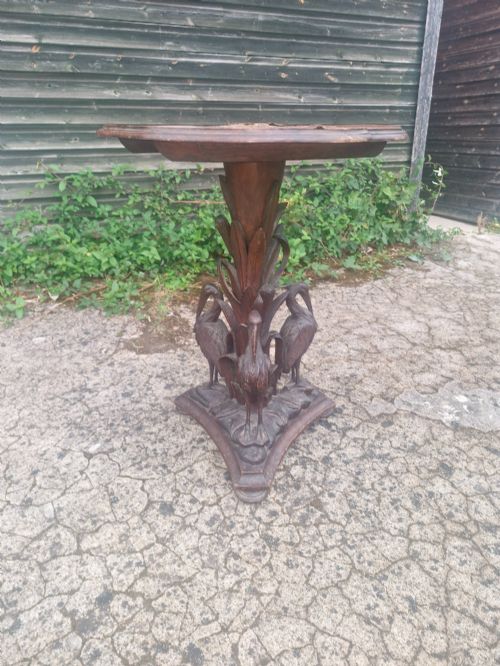
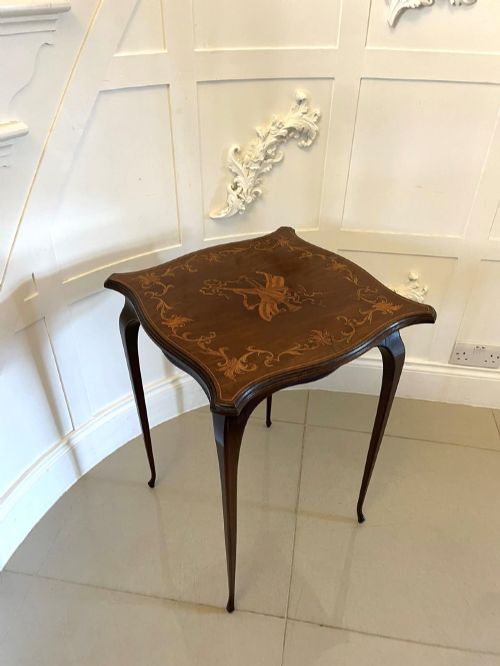
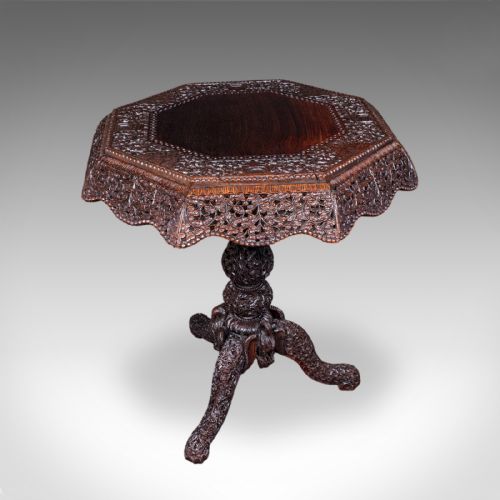
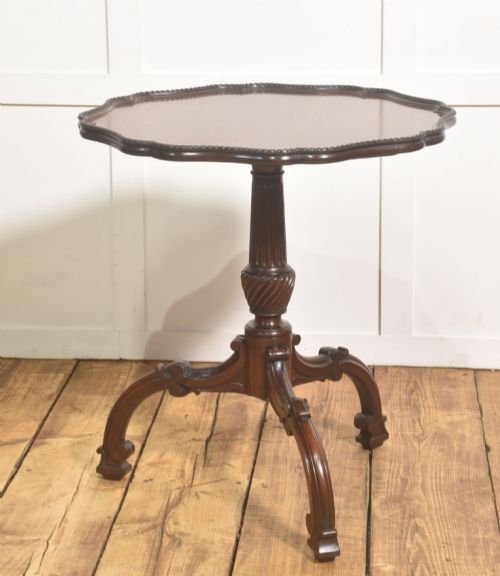
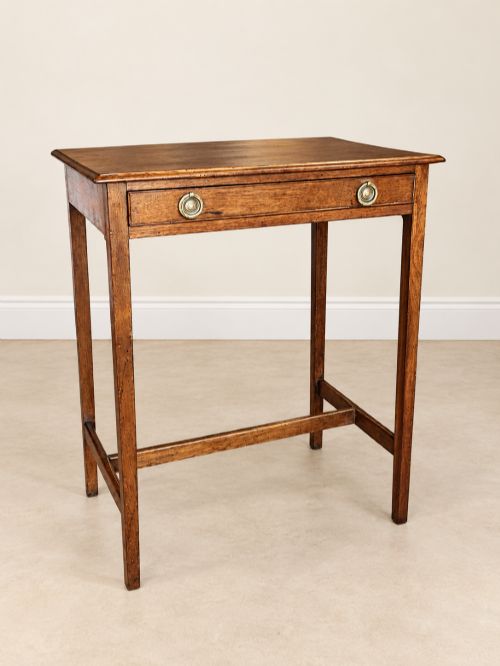
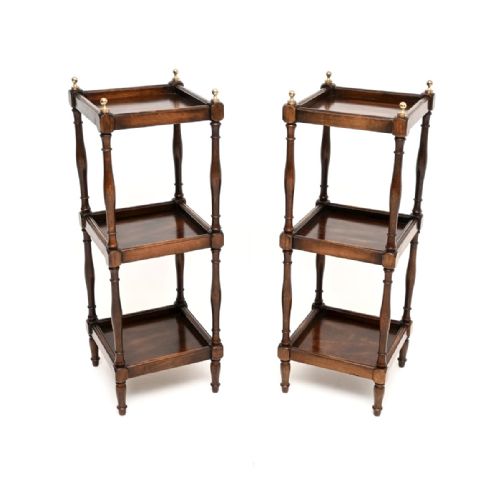
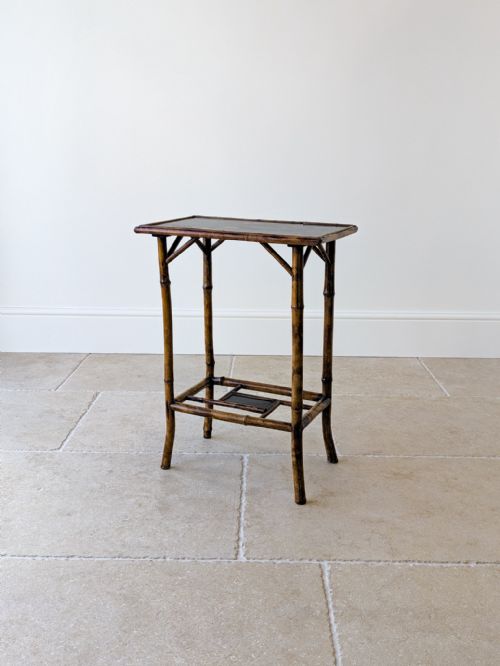
When you search for a victorian accent table lamp, you encounter a variety of small nineteenth-century furnishings adapted for lighting or originally designed to hold lamps. The selection spans the Victorian era alongside related revivals, incorporating forms like occasional tables, side tables, wine tables and pedestal lamp tables.
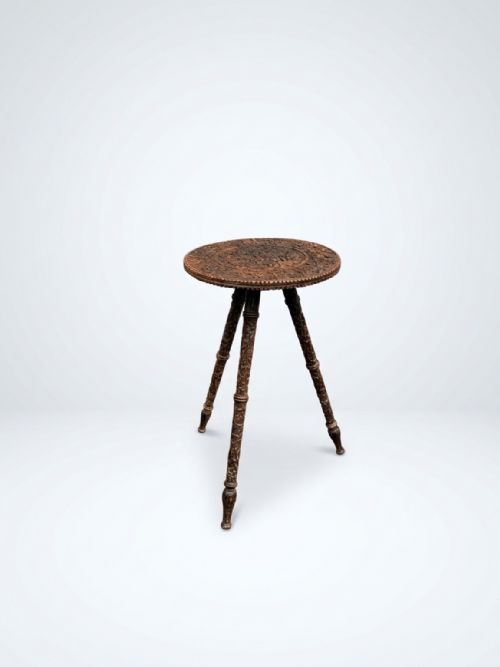
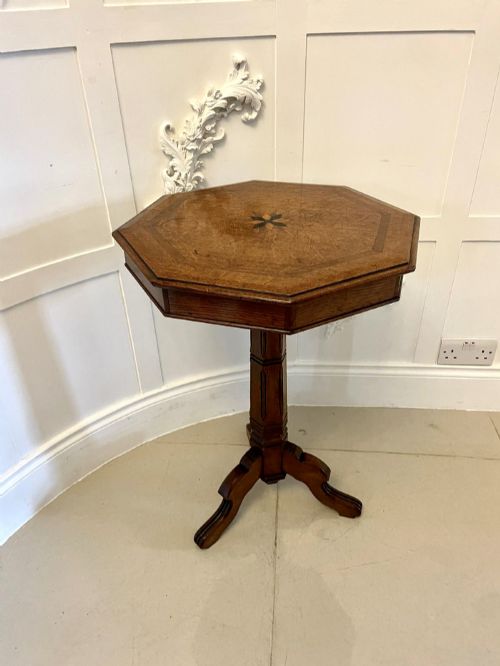
Mahogany, burr walnut and rosewood form the core of these pieces, alongside oak, brass and ebonised wood. You will find circular, oval, octagonal and rectangular tops, frequently supported by pedestals, tripod legs or bobbin turned structures.
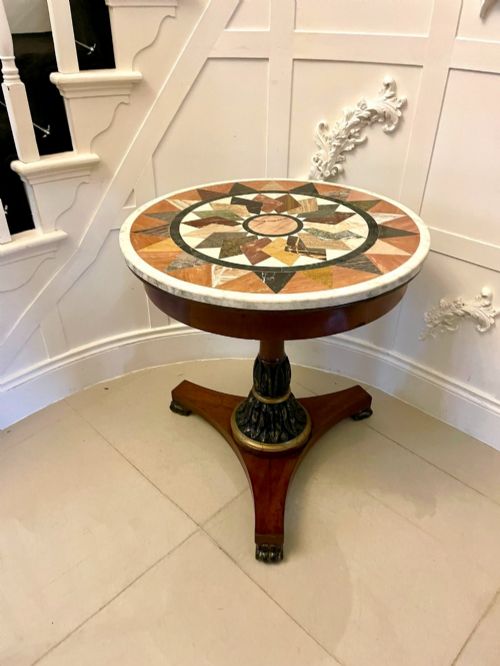
Stylistically, pieces draw upon Arts and Crafts, Aesthetic Movement, Regency and Rococo Revival influences, creating diversity in surface decoration and timber selection. Many items utilise marquetry inlay, gilt bronze trim or hand-carved details to establish their decorative presence.
Materials and construction
Cabinetmakers of the period utilised dense hardwoods such as mahogany, rosewood and walnut, frequently selecting burr veneers for prominent table surfaces to create striking grain patterns. These timbers were joined using traditional methods like mortise and tenon or secured to central pedestals and tripod legs.
Decorative embellishments involved marquetry inlay using contrasting light and dark woods, alongside satinwood banding and parcel gilt accents. Brass, ormolu and gilt bronze mounts provided structural framing and ornamental detailing on bases and lamp fittings.
Several tables include detachable tops designed to be lifted off their tripod bases when tea service concluded.
Standards of craftsmanship
The degree of refinement in timber selection and marquetry execution defines the upper tier of these pieces. Fine examples display intricate, tightly fitted inlay and superior burr veneers without splitting or lifting across the top.
Structural stability and metalwork casting quality separate standard workshop production from master cabinetmaker output. Crisp chasing on brass mounts and solid, well-proportioned pedestal bases indicate superior manufacture.
Gillows·Gregory and Co·Hindley and Sons
The Victorian Accent Table Lamp Glossary
- Burr walnut
- A figured wood taken from the burl growth of a walnut tree, prized for its swirling, highly decorative grain patterns on table tops.
- Marquetry
- The art of applying pieces of veneer to a structure to form decorative patterns, frequently utilising contrasting timbers.
- Pedestal table
- A table supported by a single central pillar rising from a stable base or tripod foot.
- Ormolu
- Gilded bronze ornamentation applied to furniture and lighting fixtures during the nineteenth century.
- Tripod base
- A three-legged support structure commonly found on nineteenth-century wine tables and lamp stands.
Victorian Accent Table Lamp: Frequently Asked Questions
How do I identify a period lamp table?
Examine the timber patination, construction joints underneath the top, and the style of the pedestal or legs. Nineteenth-century pieces typically show traditional hand-cut joinery and mature wood shrinkage.
Compare the decorative motifs against known revival styles from the Victorian era, such as Aesthetic Movement or Arts and Crafts influences.
Where should I place an accent table lamp?
These pieces suit living rooms, studies or hallways where they provide both functional lighting and a decorative surface. Their compact footprints allow them to fit beside armchairs or in corners.
Ensure the scale of the lamp complements the surface area of the table top without overcrowding the room.
Are these tables sturdy enough for daily use?
Solid mahogany, oak and walnut construction provides robust durability for everyday placement of lamps and small objects. Pedestal designs require level flooring to maintain stability.
Regular care of the timber surface preserves the polish and protects the wood from moisture.
What is the difference between an occasional table and a wine table?
Occasional tables generally feature square, oval or octagonal tops suited for general display and support functions. Wine tables traditionally possess small circular tops supported by tripod legs.
Both forms were adapted during the nineteenth century to serve as bases for table lamps.