

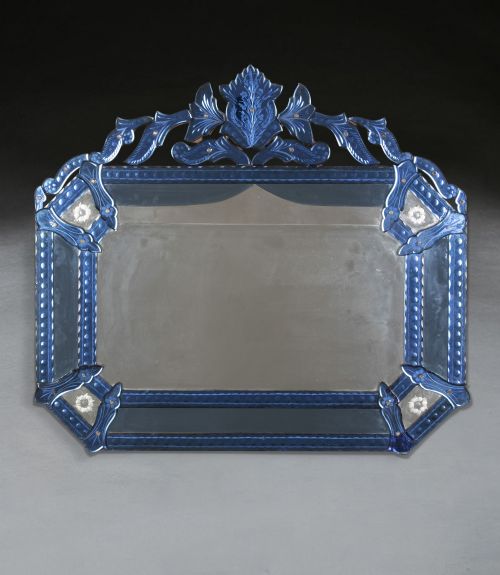


Venetian Carved Mirror
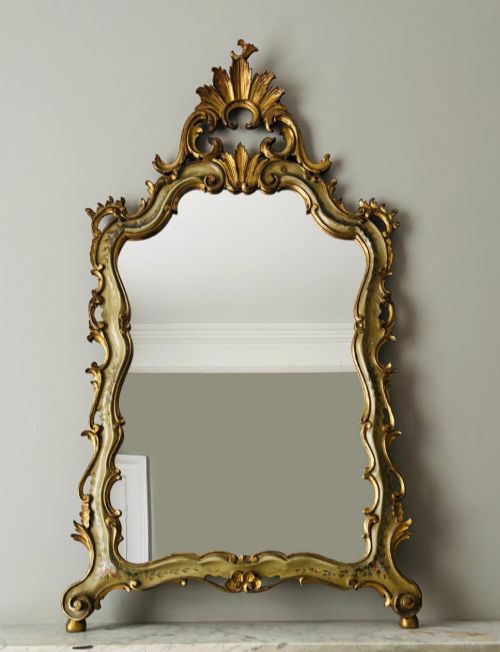
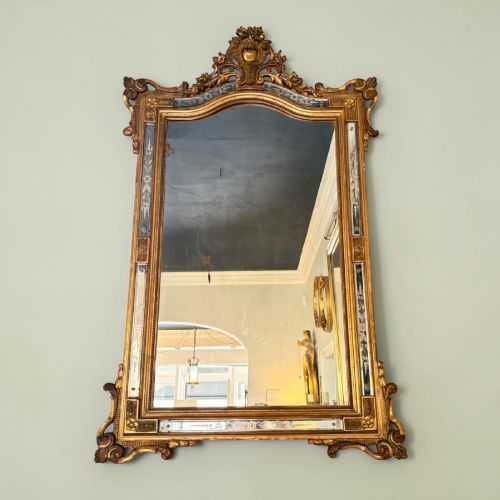
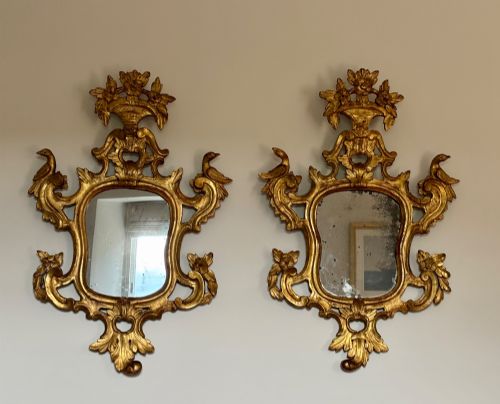
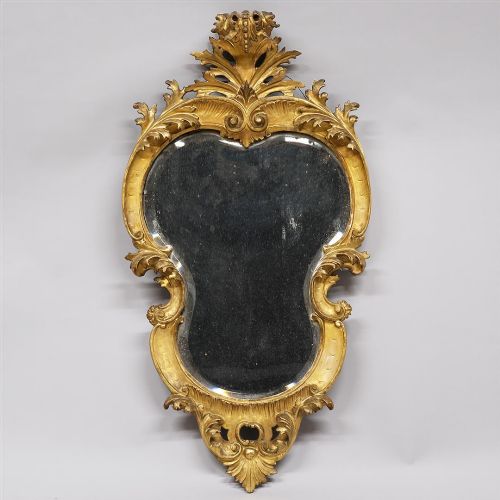
These venetian carved mirror examples bring theatrical light and historic craftsmanship into a room.
Venetian Carved Mirror
When you search for a venetian carved mirror, you look for wall mirrors shaped by centuries of Italian design. The pieces meeting this search range from eighteenth-century giltwood works to nineteenth-century painted polychrome examples.
Most items appearing here take the form of wall mirrors or girandole pier mirrors, often showing rococo and neo-classical influences. They serve as central decorative elements that expand interior spaces and reflect natural light.
Makers and workshops across Italy produced these objects using traditional regional techniques. The selection spans grand gilt-wood frames to delicate hand-painted and blue glass variations.
How they were made
Carved wood provides the structural foundation for these frames, shaped into elaborate scrolls, leaves, and asymmetrical rococo motifs. Gesso and gold leaf or silver-leaf are then applied to the carved surfaces to create rich metallic finishes.
Paint and polychrome decoration appear frequently on surfaces alongside gilding, often featuring floral details or tinted blue glass plates. Artisans also utilised engraved plate glass, adding delicate etched patterns directly onto the mirror surface.
The listings span from the 18th century through the 1930s, featuring materials such as giltwood, gesso, painted wood, and blue glass.
What varies in quality
Depth and precision of the wood carving set examples apart, with superior pieces showing intricate relief work and well-defined contours. The application of gold leaf or silver-leaf versus flat paint influences the richness of the finished surface.
The character of the mirror glass itself alters the quality, from original engraved plates with natural ageing to later replacements. Preservation of the original polychrome paint or gilding determines the historical integrity of each piece.
Pauly et Cie
The Venetian Carved Mirror Glossary
- Giltwood
- Wood that has been coated with a thin layer of gold leaf. This finish creates a luminous, reflective surface common on period frames.
- Polychrome
- Decorated in multiple colours. Painters applied various pigments to wood to achieve lively, ornamental surface designs.
- Girandole
- A branched wall sconce or mirror fitted with candle holders. These pieces combine reflective glass with functional lighting arms.
- Pier glass
- A tall mirror designed to hang on the pier, the section of wall between two windows. They often match console tables positioned below them.
- Gesso
- A plaster-like mixture applied to wood as a base for gilding or painting. It provides a smooth surface for detailed carving work.
Venetian Carved Mirror: Frequently Asked Questions
How do I hang a heavy antique mirror safely?
These carved wooden frames carry substantial weight due to their dense materials and glass plates. Secure fixings into structural wall studs are essential for safe hanging.
Professional mirror hangers should assess the wall type and utilise appropriate brackets or battens to distribute the load evenly.
Where should I place a venetian mirror?
Wall mirrors work effectively above mantlepieces, console tables, or in hallways where they capture and amplify light. Positioning them opposite a window maximises the brightness they bring to a room.
Consider the surrounding scale of your furniture to ensure the mirror anchors the space harmoniously without overpowering it.
How do I clean antique mirror glass?
Gentle maintenance preserves the delicate silvering and original etched details on antique plates. Avoid harsh commercial cleaners that can seep behind the glass and damage the backing.
Use a soft, dry microfibre cloth to remove dust, and apply mild soapy water sparingly only when strictly necessary.