


Veneered Walnut Cabinet
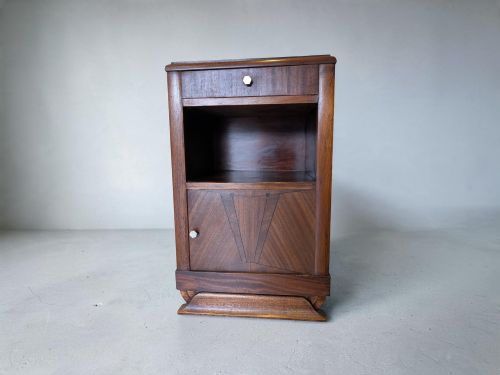
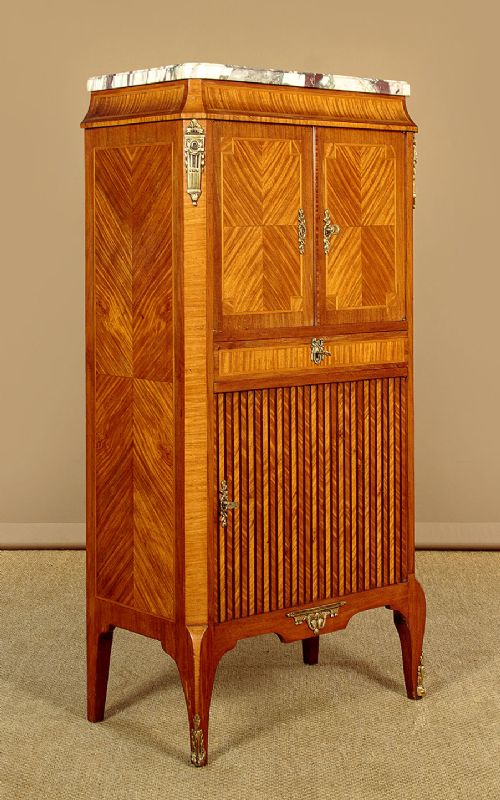
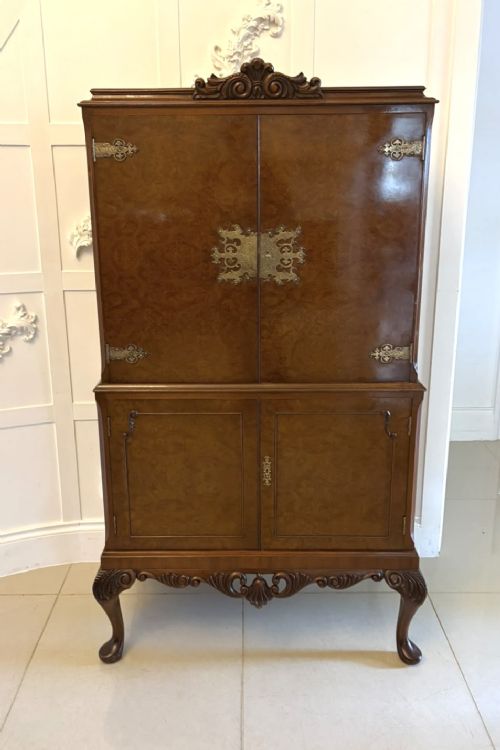
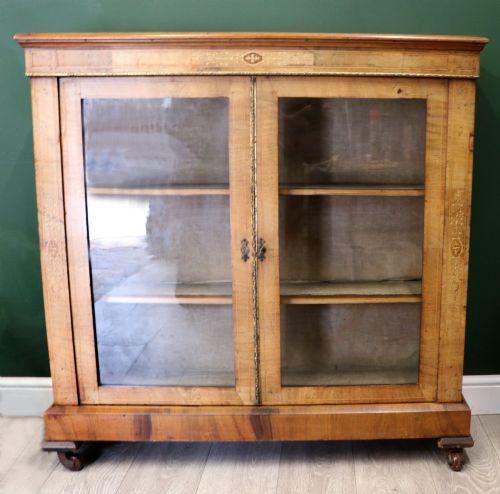
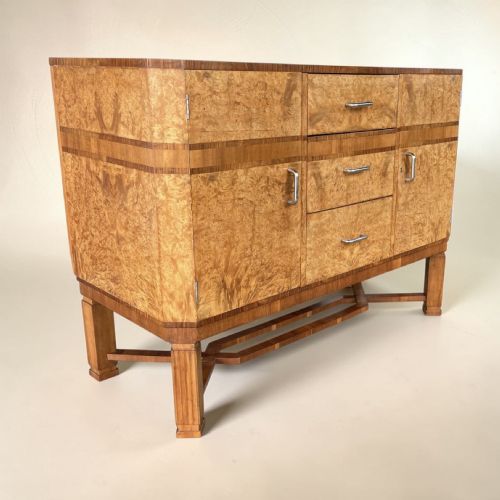
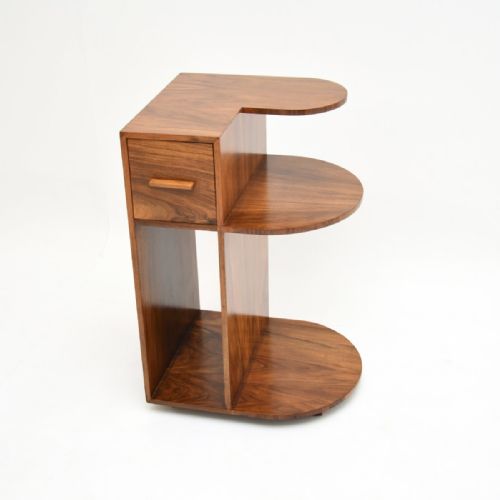
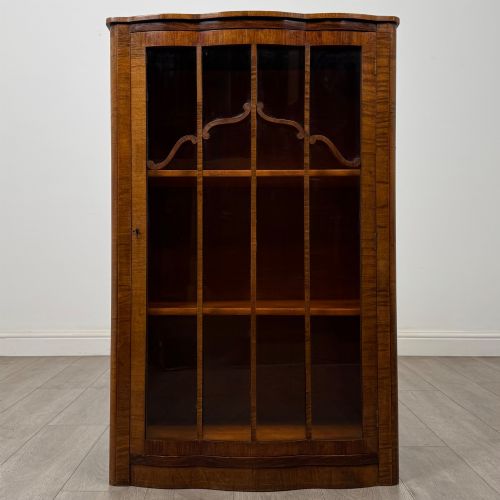
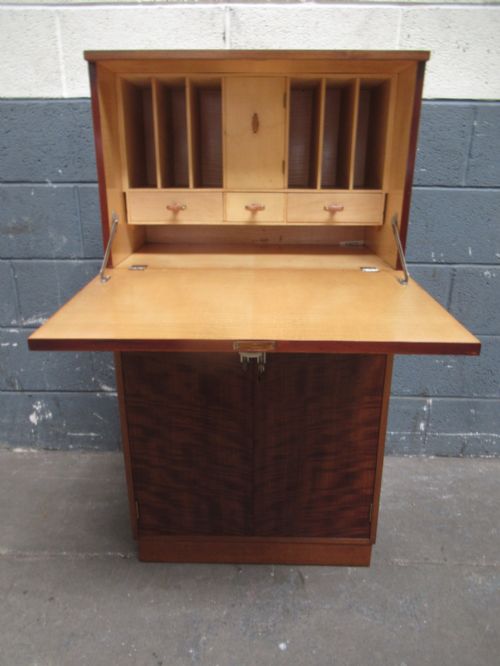
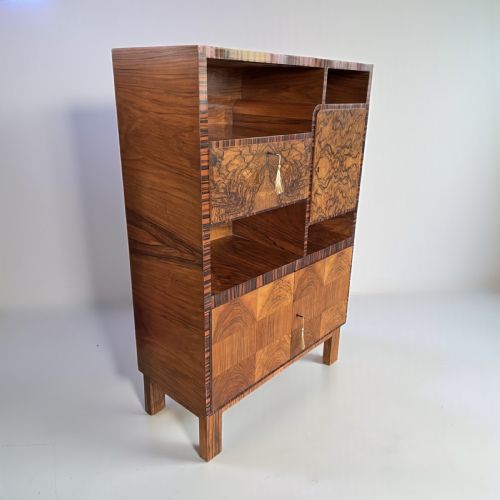
A veneered walnut cabinet brings rich grain and figured surfaces to a room, ranging from bold Art Deco forms to seventeenth-century oyster work.
Veneered Walnut Cabinet
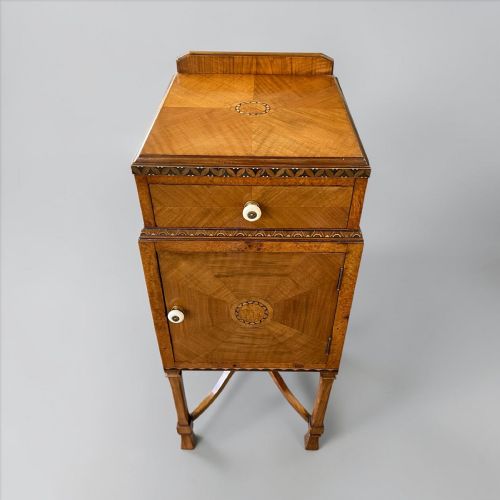
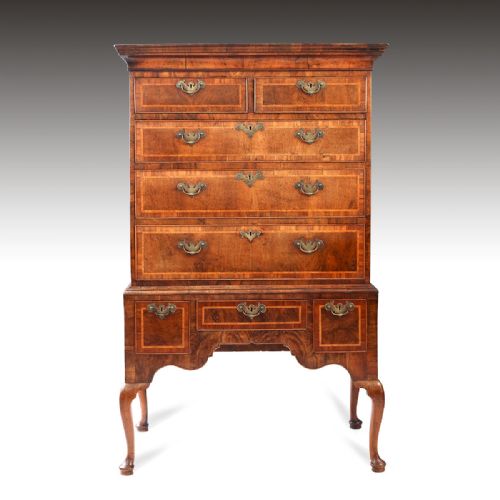
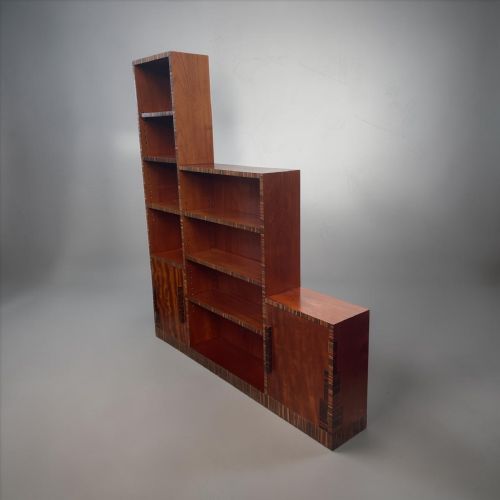
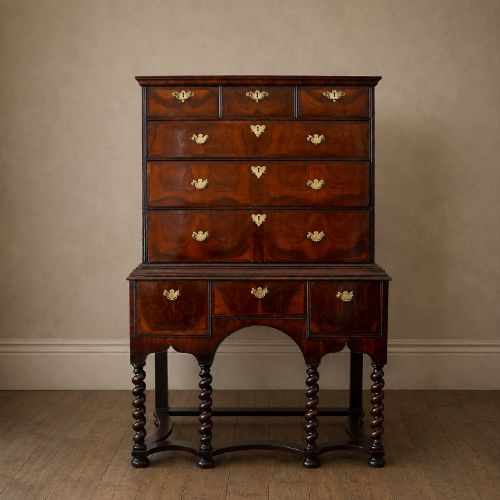
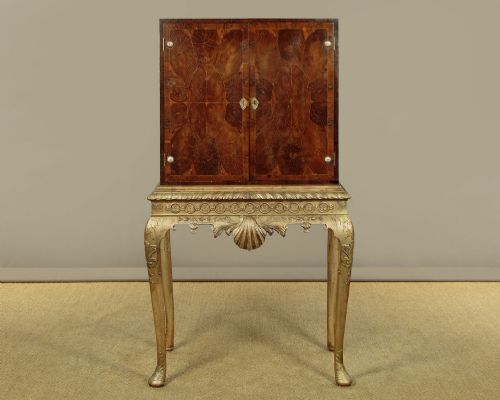
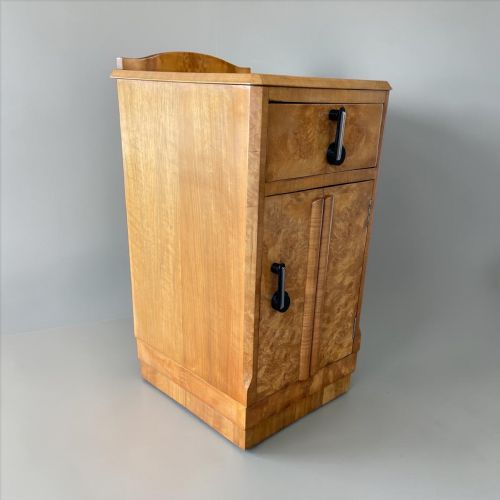
A veneered walnut cabinet encompasses forms such as bedside tables, sideboards, display cabinets, and chests on stands spanning multiple centuries. When exploring this selection, a buyer encounters everything from seventeenth-century oyster veneered pieces to twentieth-century Art Deco side cabinets.
The objects serve practical storage roles while displaying decorative wood figure across doors, drawers, and panels. Origins stretch across English, French, and Italian workshops, employing diverse stylistic vocabularies from Queen Anne to modern geometric designs.
How they were made
Cabinet makers applied thin slices of walnut or burr walnut veneer over secondary timbers such as oak, securing the patterned grain to visible surfaces. Workshops incorporated brass hardware, glass panels, marble tops, and metal mounts to finish the construction.
Parquetry and inlay techniques created geometric patterns, while specialised cutting produced circular oyster veneers from smaller branches. French polishing or traditional sealers protected the timber and enhanced the natural contrast of the grain.
Veneered Walnut Cabinet Retail Price Guide 2026
Typical asking prices for veneered walnut cabinet among the pieces listed under this phrase on Sellingantiques today, from the lower quarter to the upper quarter. They describe what is for sale here now, not the wider market.
Materials recorded across the inventory include walnut veneer, burr walnut, oak, brass, glass, marble, and bakelite.
What varies in quality
The harmony of the grain selection across the cabinet face dictates visual success, with matched veneers showing careful planning by the maker. Superior examples maintain intact surfaces where the underlying timber remains stable beneath the veneer layer.
The integration of secondary materials like brass handles, marble tops, and glass doors influences the refinement of the piece. Proportion and structural integrity determine whether a cabinet holds a commanding presence in an interior.
Maurice Adams·Bowman Brothers
The Veneered Walnut Cabinet Glossary
- Veneer
- A thin layer of figured wood applied to a foundational timber base. This method allows makers to display striking grain patterns without using solid costly woods.
- Burr walnut
- A growth deformity in the walnut tree that produces intricate, swirling patterns when sliced. Cabinet makers prized this timber for its decorative impact on formal furniture.
- Oyster veneer
- Circular cross-sections sliced from smaller branches and arranged in patterns resembling oyster shells. Seventeenth-century pieces frequently utilised this labor-intensive method.
- Chest on stand
- A case piece elevated on a separate frame with legs. This form lifts the storage compartment off the floor to create lighter proportions.
Veneered Walnut Cabinet: Frequently Asked Questions
What is a veneered walnut cabinet?
A veneered walnut cabinet is a piece of furniture featuring thin decorative slices of walnut wood applied over a structural carcase. These items range from small bedside chests to large display cabinets and sideboards.
They combine practical storage with decorative patterned surfaces, utilising the natural grain variations of walnut to create visual depth.
How do I date a walnut cabinet?
Dating relies on observing stylistic markers, construction methods, and hardware associated with specific periods like the seventeenth century or the Art Deco era. Early pieces often feature oyster veneers or stands, while twentieth-century examples display geometric lines or stepped silhouettes.
Secondary timbers and finishing techniques provide further clues to the manufacturing era of the piece.
Where should I place a cabinet?
These cabinets suit living rooms, dining spaces, or bedrooms depending on their specific form, such as a cocktail cabinet, bookcase, or bedside table. Placing them away from direct sunlight and excessive heat protects the delicate veneer and polish.
They function well as focal points that introduce rich brown tones and historic character to an interior scheme.
How do I care for walnut veneer?
Maintenance involves dusting with a soft, dry cloth and avoiding silicone-based polishes or harsh chemical cleaners. Keeping the room at a stable humidity level prevents the veneer from lifting or cracking over time.
Gentle application of traditional wax helps preserve the lustre of the polished wooden surface.