





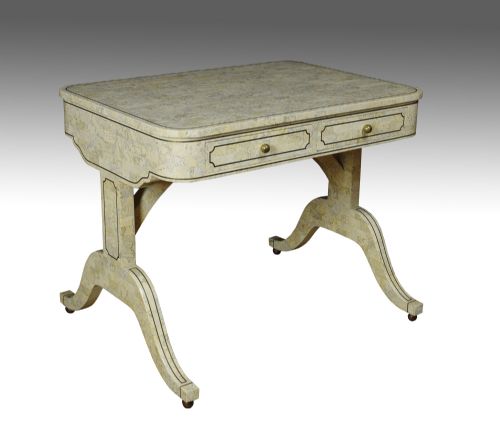


Veneered Dressing Table
A veneered dressing table brings warmth and grain to a bedroom, combining practical mirrors and drawers with striking decorative surfaces.
Veneered Dressing Table
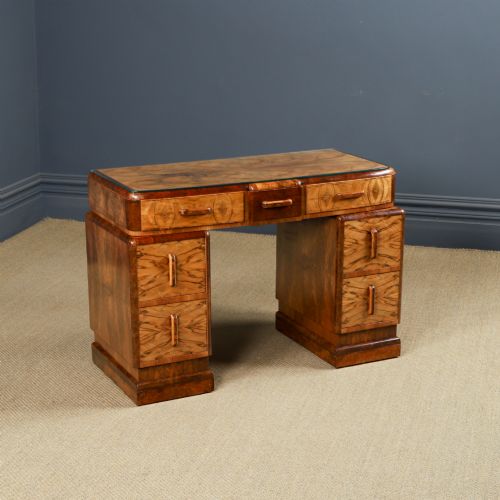
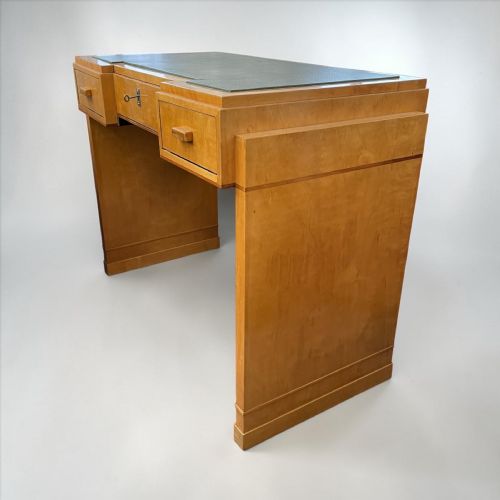
When you search for a veneered dressing table, you encounter pieces spanning from the eighteenth century to the art deco period. The selection includes styles such as Queen Anne, Georgian, and French revival, alongside Swedish design.
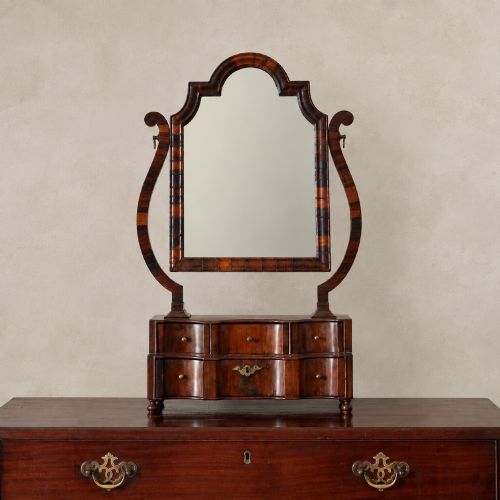
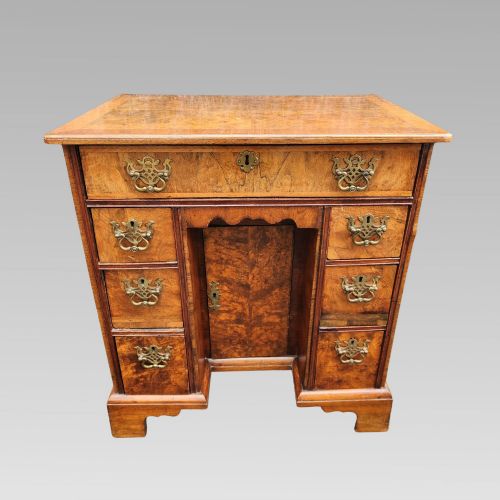
Forms vary from kneehole desks and lowboys to specialised toilet mirrors and low dressing tables. Walnut and satinwood appear frequently among the pieces.
You are likely to find walnut and burr elm constructions, often featuring quartered veneers and featherbanding.
Assessing quality
Quality rests on the selection and matching of the veneer timbers. Symmetrical grain alignment and careful banding elevate a piece.
The sophistication of the internal drawer construction and the subtlety of the period brassware distinguish finer examples from standard production.
Veneered Dressing Table Retail Price Guide 2026
Typical asking prices for veneered dressing table among the pieces listed under this phrase on Sellingantiques today, from the lower quarter to the upper quarter. They describe what is for sale here now, not the wider market.
Listings span from the 18th century through the Edwardian era to the 1930s, featuring walnut, yew, satin birch, and tessellated stone.
Heal’S, London·Hille
The Veneered Dressing Table Glossary
- Featherbanding
- A delicate inlay technique using small sections of wood angled to form a herringbone pattern around the edge of a top. It frames the central veneer panels.
- Lowboy
- A small low table with drawers, commonly used as a dressing table or side table in the eighteenth century. It typically stands on four slender legs.
- Oyster veneer
- Circular cross-sections cut from small branches or roots, arranged to create an interlocking pattern resembling oyster shells. It appears frequently on walnut furniture.
- Ormolu
- Gilded bronze mounts applied to furniture for decorative effect, common in French revival and eighteenth-century pieces. It adds metallic contrast to the wooden surfaces.
Veneered Dressing Table: Frequently Asked Questions
What is a veneered dressing table?
A veneered dressing table is a piece of furniture finished with decorative wood slices over a sturdy carcase, designed for personal grooming and storage.
These pieces range from eighteenth-century lowboys to twentieth-century art deco designs, incorporating mirrors and drawers.
How do I date a dressing table?
Dating relies on observing the combination of timber choices, handle styles, construction methods, and overall decorative aesthetic.
Eighteenth-century examples feature feathered bandings and solid proportions, whereas 1920s and 1930s pieces display modernist geometric lines and exotic woods.
How do I care for walnut veneer?
Walnut veneer requires protection from direct sunlight and excessive moisture to prevent fading and lifting of the wood.
Applying a traditional wax polish maintains the lustre of the grain without damaging the historic finish.
Where were these tables used?
These tables served primarily in bedrooms and dressing rooms for daily grooming and hair styling.
Their refined appearance also allowed them to function as writing desks or occasional tables in reception rooms.