

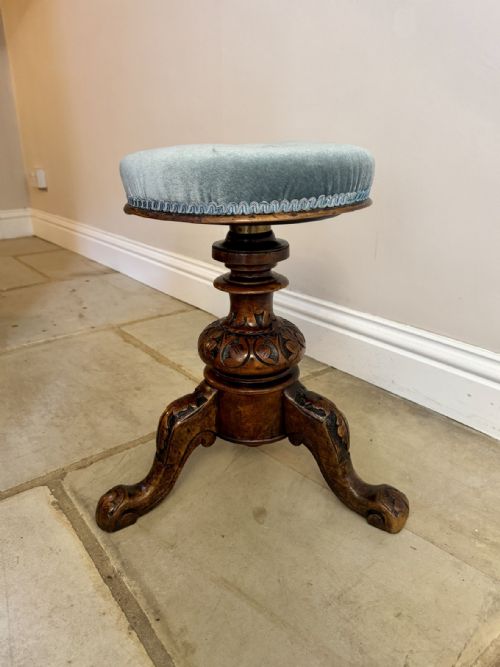


Velvet Piano Stool
A velvet piano stool combines practical seating with period charm, offering a touch of historic character to a music room or parlour.
Velvet Piano Stool
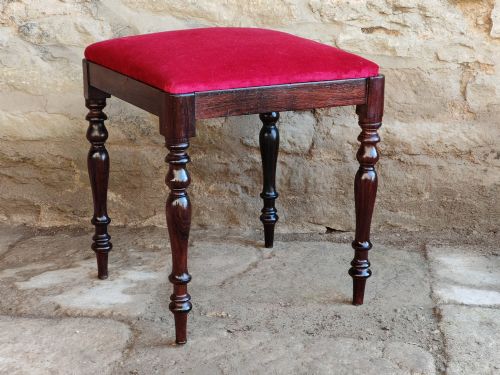
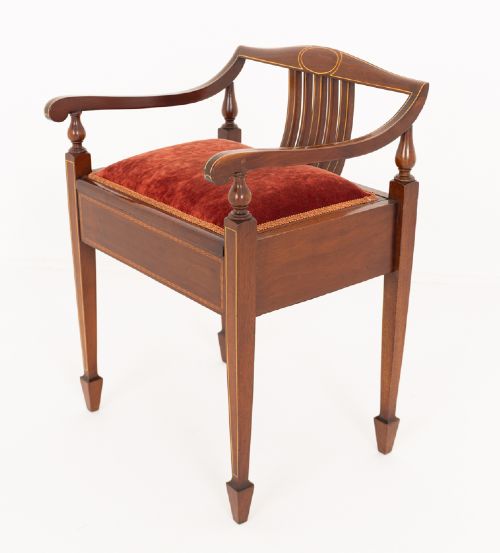
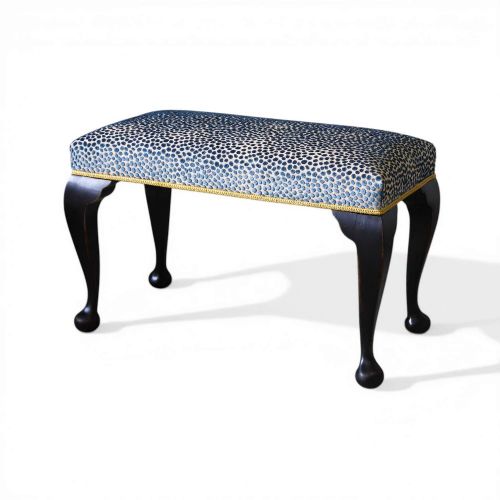
A velvet piano stool serves as both a practical seat for a musician and a decorative piece of furniture. Buyers searching for a velvet piano stool will encounter various forms across the nineteenth and early twentieth centuries, including revolving designs and adjustable models.
The selections span distinct historical periods such as the Victorian and Edwardian eras, alongside William IV and Georgian styles. Mahogany and walnut form the primary wooden structures supporting the upholstered velvet seats.
Common variations include music chairs, harpist chairs, and duet benches alongside standard piano stools. Many pieces feature turned legs, carved walnut frames, or inlaid satinwood details.
Materials and construction methods
Craftsmen built these seats using dense timbers like mahogany, rosewood, and walnut, often shaping the wood through turning or elaborate carving. Ebonised finishes and giltwood appear alongside natural timber grains.
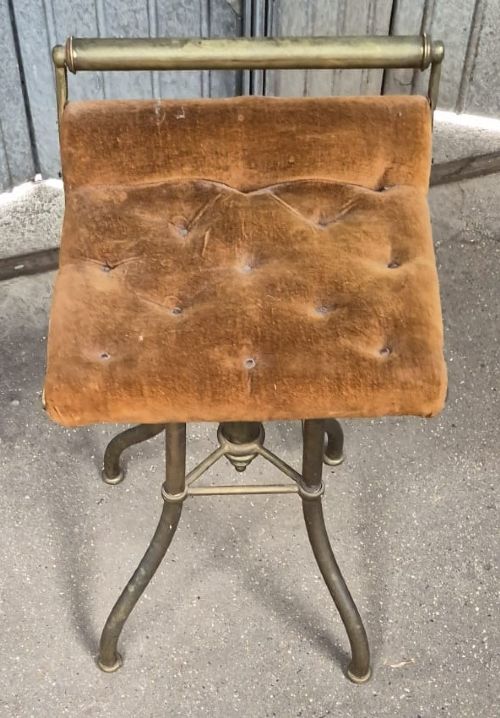
Upholstery involved stretching velvet over padded seats, sometimes supported by brass frames or brass and steel mechanisms. Inlaid satinwood decoration and ormolu mounts add refined detail to specific revival styles.
Velvet Piano Stool Retail Price Guide 2026
Typical asking prices for velvet piano stool among the pieces listed under this phrase on Sellingantiques today, from the lower quarter to the upper quarter. They describe what is for sale here now, not the wider market.
Current listings feature pieces spanning the 19th Century, Victorian, Edwardian, and Art Deco periods, constructed in mahogany, walnut, rosewood, and ebonised wood.
Distinguishing quality in period seating
Quality rests upon the crispness of the timber carving and the structural integrity of the revolving or adjustable mechanisms. Finer examples display superior timber selection, such as figured walnut or rich rosewood.
The refinement of secondary details, including precise satinwood inlay or well-cast brass framing, separates standard production from exceptional pieces.
James Shoolbred·Holland & Son
The Velvet Piano Stool Glossary
- Revolving stool
- A seat featuring a threaded spindle allowing the top to spin and adjust in height. This mechanism enabled musicians to find a comfortable playing position.
- Ebonised wood
- Timber treated with a dark finish to imitate expensive ebony. This technique was popular for achieving a sleek, uniform appearance.
- Ormolu
- Gilt bronze mounts applied to furniture for decorative effect. It appears on Empire-style pieces to accent the wood.
- Satinwood inlay
- Contrasting light wood inserted into the primary timber surface to create geometric or floral patterns. It is characteristic of Sheraton Revival pieces.
- Duet stool
- An extended bench designed to seat two players side by side. These often feature lift-up storage for sheet music.
Velvet Piano Stool: Frequently Asked Questions
How do I adjust the height on these?
Many period examples feature a central wooden screw mechanism that raises or lowers the seat when turned. Other variations utilise rising seat actions concealed beneath the upholstery.
Checking the smoothness of this movement helps determine the working condition of the mechanism without forcing the wood.
Are these suitable for daily use?
These pieces function well for regular seating provided the internal frame and joints remain stable. Placing them away from direct sunlight preserves the velvet pile and timber finish.
Periodic checks of the legs and joints ensure the structure safely supports weight during extended sitting.
How do I identify a Victorian piece?
Victorian examples frequently display heavy carved walnut, cabriole legs, or revolving pedestal bases. The timber choice and deep-buttoned velvet upholstery typically point to mid to late nineteenth-century production.
Comparing the turning style and joinery helps separate these from later Edwardian reproductions.
What is the difference between a music chair and a piano stool?
Music chairs often incorporate backrests or specialised harpist frames designed for specific posture requirements while playing instruments. Piano stools generally feature flat or revolving tops without backs.
Both forms utilise upholstered velvet seats to provide comfort during long practice sessions.