



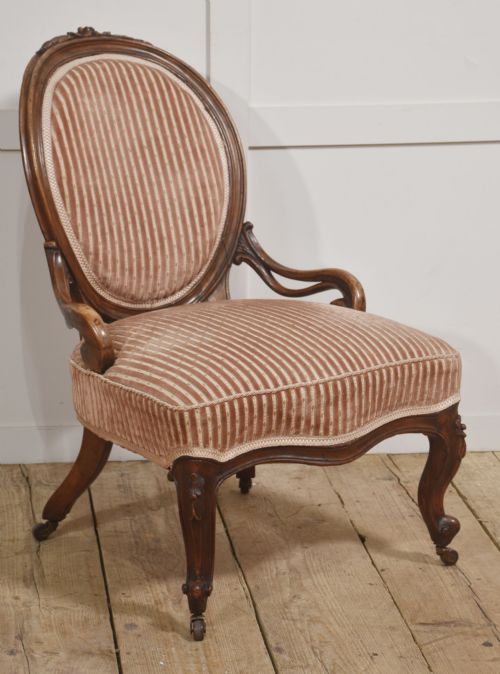


Velvet Back Frame
A velvet back frame provides a tactile, rich border for photographs and mirrors, bringing warmth and texture to an interior.
Velvet Back Frame
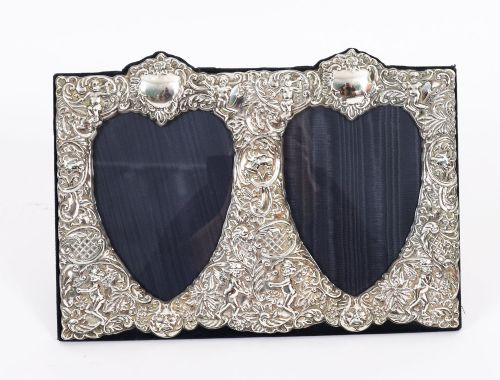
A velvet back frame combines rigid structural surrounds with soft textile backing materials, appearing across the Victorian and Edwardian periods. These pieces serve primarily to hold photographic portraits or mirrors while introducing a decorative fabric element to the reverse or supporting structure.
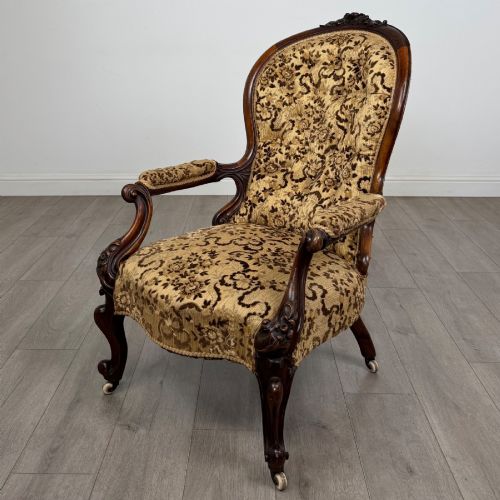
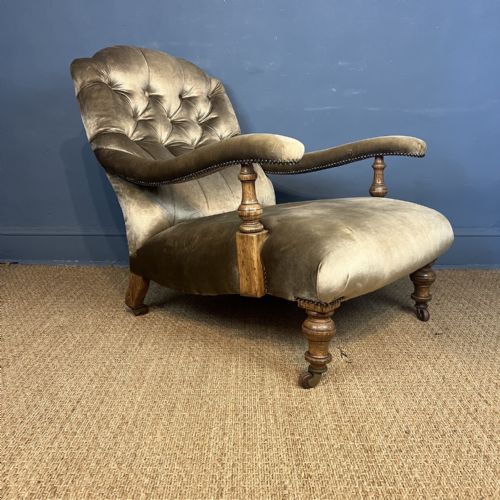
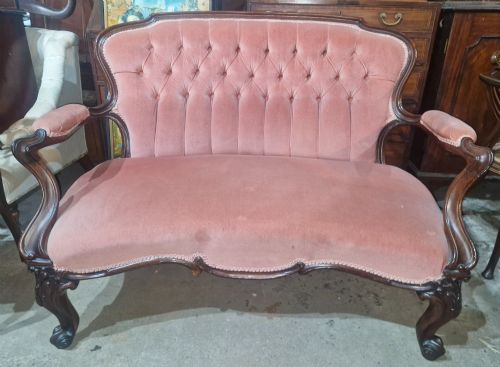
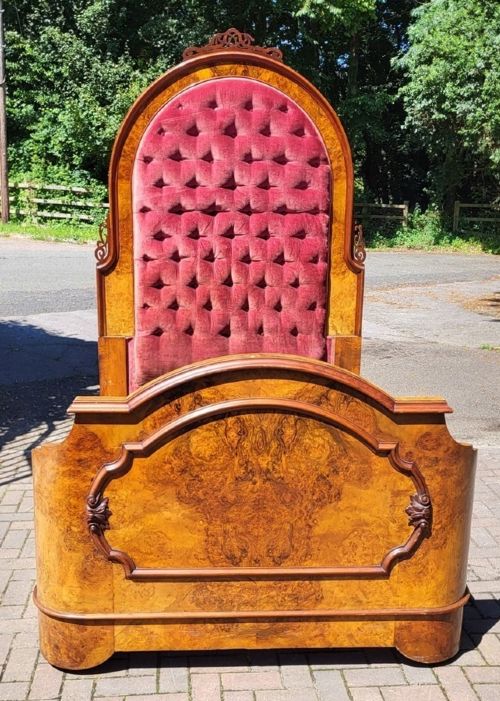
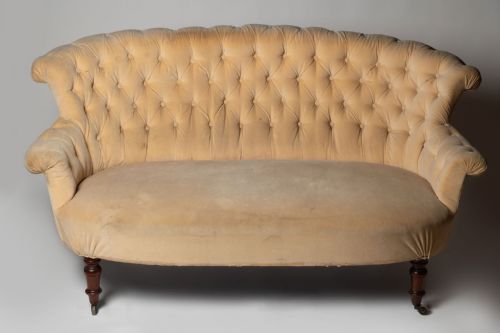
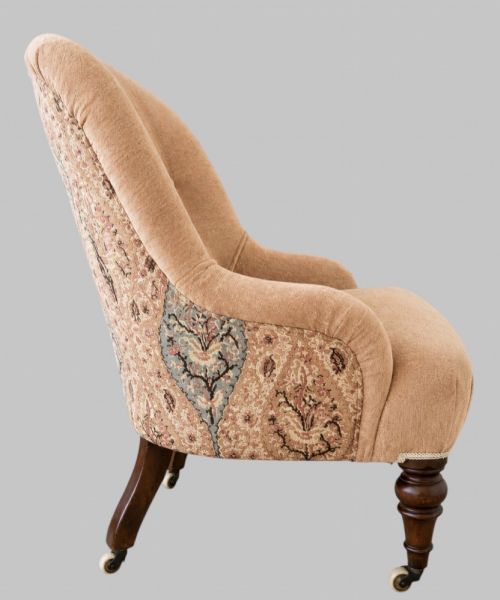
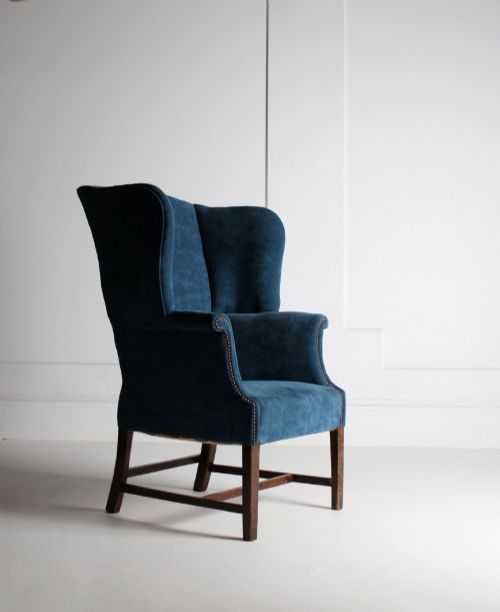
The selections recorded here encompass desk and wall accessories featuring precious metals alongside larger upholstered seating constructions where the phrase describes the supportive wooden or iron infrastructure behind the textile. Buyers encounter compact tabletop photograph holders alongside substantial furniture items sharing similar descriptive terminology.
Originating predominantly in the nineteenth and early twentieth centuries, these objects reflect period tastes for mixed media decoration. Makers combined polished timbers, sterling silver, and cast brass with tactile fabrics to achieve decorative depth.
Distinguishing quality variations
Superior examples demonstrate meticulous joinery in the timber frames and substantial gauge metalwork in silver or brass bezels. Finely executed hand-carving and well-preserved textile integrity set exceptional pieces apart from simpler production.
The refinement of internal bracing and the quality of the timber selection govern the structural longevity of the piece. Artisanal attention to finishing details on both the visible front and the fabric-backed reverse distinguishes high-grade workshop output.
Velvet Back Frame Retail Price Guide 2026
Typical asking prices for velvet back frame among the pieces listed under this phrase on Sellingantiques today, from the lower quarter to the upper quarter. They describe what is for sale here now, not the wider market.
Listings feature items spanning the Victorian and Edwardian periods, constructed from walnut, mahogany, sterling silver, and brass.
Henry Matthews·Walker and Hall·Howard and Sons
The Velvet Back Frame Glossary
- Velvet
- A woven tufted fabric characterised by a dense pile that yields a soft texture and distinct light-reflective properties. It frequently appears as a backing material or primary upholstery covering.
- Sterling silver
- A silver alloy containing substantial purity by weight, utilised extensively for decorative photo frames and mirrors during the Victorian and Edwardian eras. It often bears hallmark stamps indicating assay office and date.
- Barley twist
- A decorative turning technique resembling the helical spiral of a barley stalk, commonly applied to the wooden uprights and legs of Victorian chairs and frames.
Velvet Back Frame: Frequently Asked Questions
How do I care for velvet?
Keep textile components away from direct sunlight to prevent fading and fibre degradation over time. Gentle brushing with a soft-bristled tool helps maintain the pile without crushing the fabric.
Avoid moisture exposure, which can permanently alter the texture of the pile. Professional textile conservation yields the safest results for delicate historical backings.
What periods are represented?
The pieces span the Victorian, Edwardian, and William IV eras, capturing design shifts from the mid-nineteenth century onward. Common construction dates cluster around the latter half of the 19th century and the early 20th century.
Stylistic revivals such as Jacobean and Rococo heavily influence the decorative vocabulary of these items. Makers continually drew upon historical motifs while adapting forms for contemporary nineteenth-century interiors.
Are these items for display?
Smaller frames and mirrors function primarily as tabletop or mantelpiece ornaments designed for visual appreciation. Larger furniture components integrate structural support with decorative upholstery for domestic environments.
Placing items away from high-traffic zones preserves fragile textile elements and delicate silver mounts. Careful positioning ensures these decorative objects remain stable focal points within a room.
How do I identify silver hallmarks?
Examine the metal borders for small stamped symbols indicating the maker, assay office, and year of manufacture. These tiny impressions provide verifiable evidence regarding the origin and age of the metalwork.
Reference guides assist in translating specific assay marks into exact decades of production. Hallmarks serve as a reliable indicator of material authenticity on metal frames.