

Upholstered Low Seating
Upholstered low seating brings intimate scale and deep comfort to a room, ranging from nursing chairs to footstools.
Upholstered Low Seating
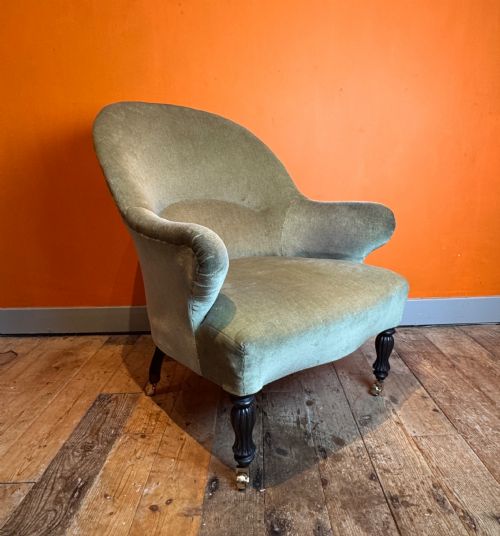
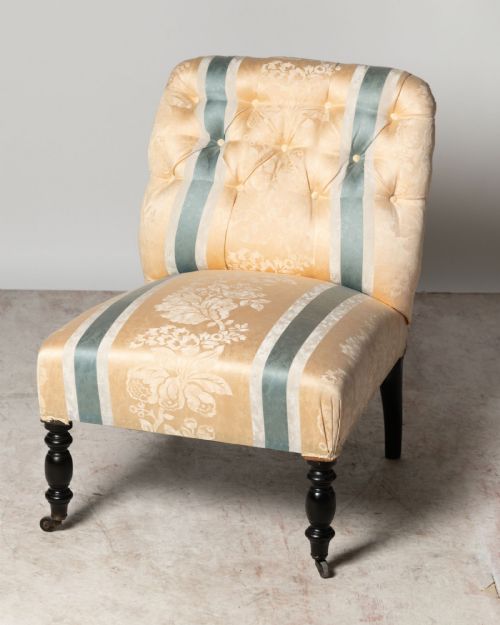
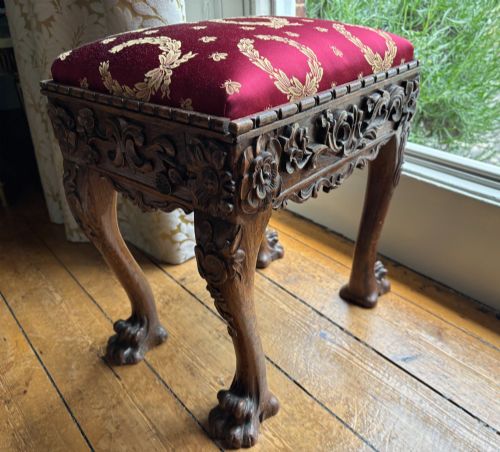
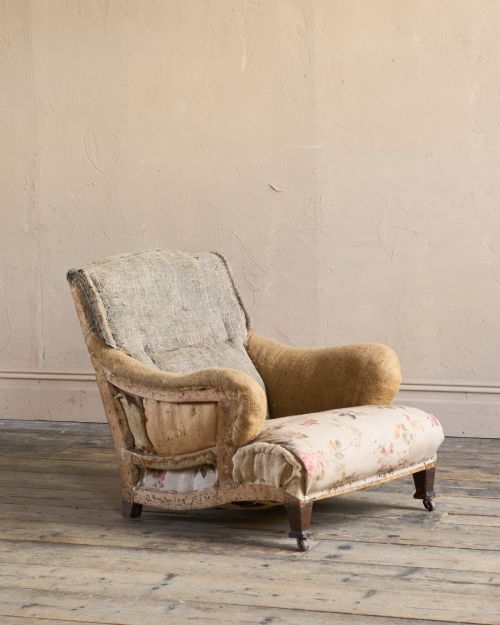
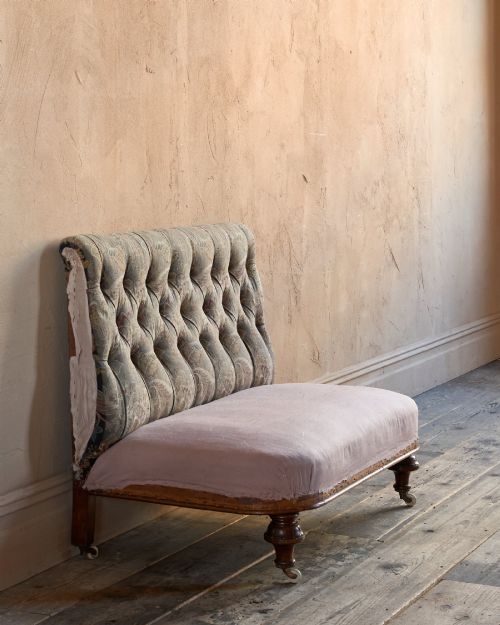
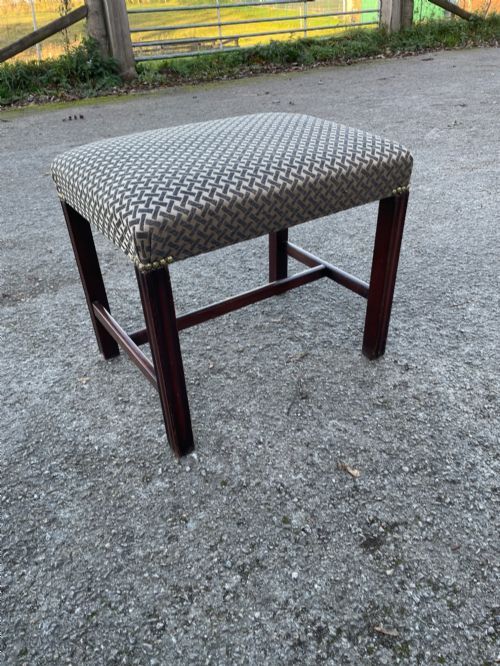
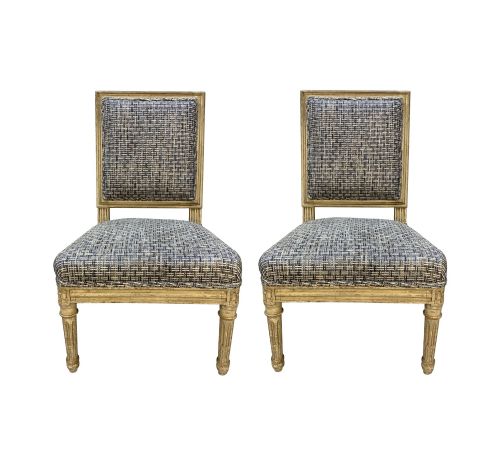
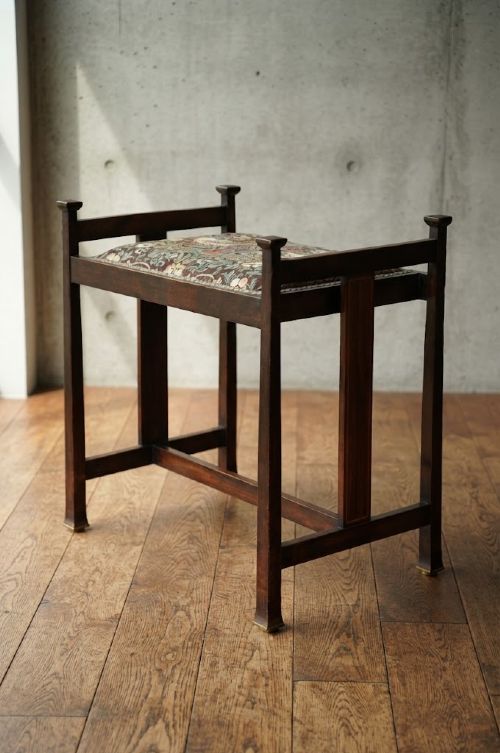
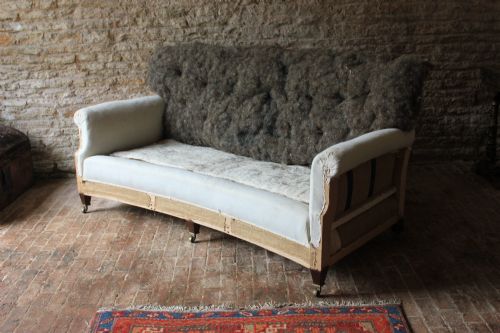
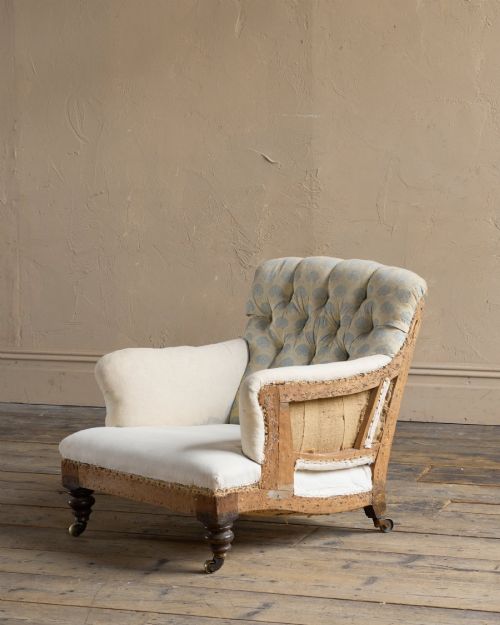
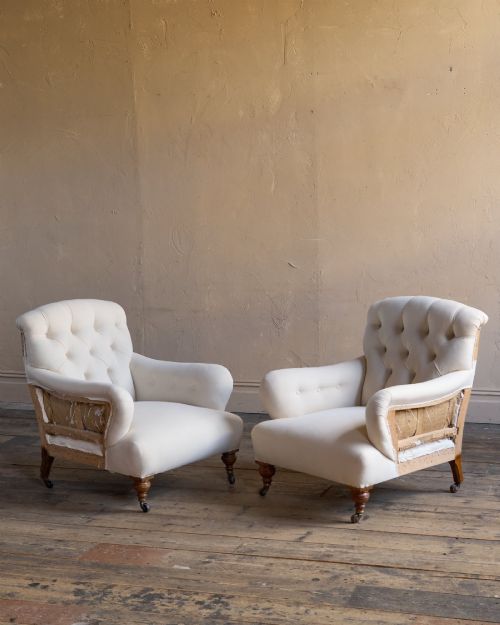
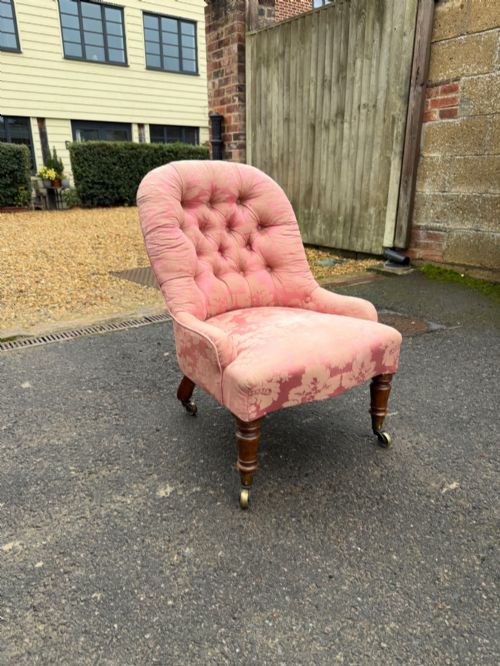
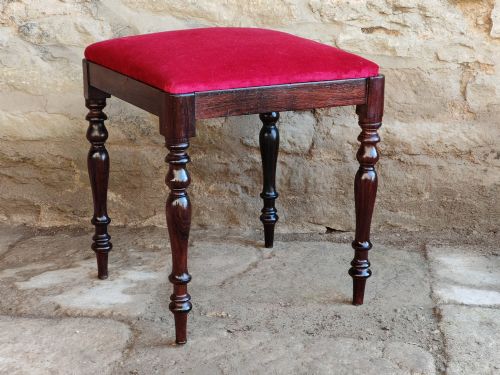
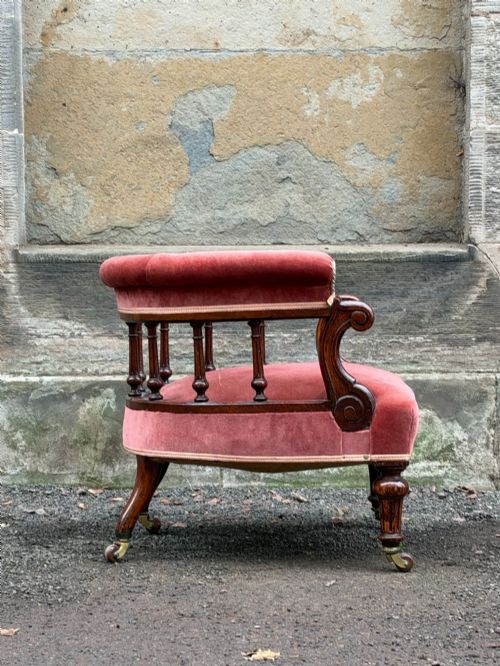
When you search for upholstered low seating, you encounter a diverse collection of domestic forms designed for close, comfortable repose rather than formal dining. The selection spans compact nursing chairs, slipper chairs, dressing stools, and low armchairs that sit closer to the floor than standard seating.
Victorian and nineteenth-century pieces dominate the current listings, alongside examples from the Edwardian era, the Art Deco period, and the eighteenth century. You find specialised seating such as low back French chairs, prie-dieu prayer chairs, music chairs, and ottoman footstools designed for various rooms of the house.
The origins vary widely from English country houses and Scottish baronial estates to French chateaux, Anglo-Indian workshops, and Swedish neoclassical interiors. Many items emerge as pairs, offering matching low profiles for bedrooms, dressing rooms, and firesides.
Materials and Construction
Makers built the frames of these low seats using sturdy hardwoods including mahogany, walnut, satinwood, rosewood, oak, and burr walnut. These timbers provided the structural integrity required to support compact, heavily sprung or padded forms.
Upholstery relies on traditional textiles such as velvet, leather, and decorative fabric, occasionally finished with kilim seat covers, needlework, or button-backed detailing. Structural embellishments frequently incorporate brass accents, spindle backs, and aesthetic movement legs.
Upholstered Low Seating Retail Price Guide 2026
Typical asking prices for upholstered low seating among the pieces listed under this phrase on Sellingantiques today, from the lower quarter to the upper quarter. They describe what is for sale here now, not the wider market.
The selection spans pieces from the 18th century through the Victorian era and Art Deco period, utilising mahogany, walnut, and velvet.
Quality and Character
The distinction between ordinary and exceptional pieces rests in the harmony of the timber frame and the proportion of the low profile. Skilled cabinetmakers shaped supporting legs with refined tapering, carving, or gilding that complemented the intended textile covering.
The integrity of the woodwork, whether in a Scottish country house armchair or a French dressing stool, dictates the enduring stability of the piece. Finer examples retain their original structural timber beneath the upholstery, showing meticulous joinery in corners and frames.
Charles Hindley and Sons
The Upholstered Low Seating Glossary
- Nursing chair
- A low-seated Victorian chair originally designed to allow women to nurse infants in comfort near the fire. They often feature button backs and short legs.
- Slipper chair
- An upholstered bedroom chair with a very low seat, historically used by ladies while putting on shoes or slippers. They usually lack arms to accommodate voluminous skirts.
- Prie-dieu
- A devotional chair featuring a low seat and an upper shelf or rail intended for kneeling during prayer. Originating in the nineteenth century, they display upholstered padding.
- Ottoman
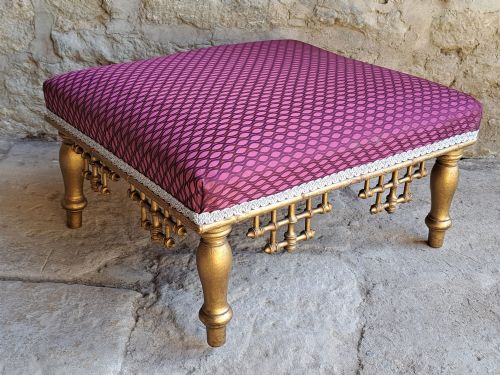
- A low, upholstered seat or footstool without arms or a back, frequently fitted with hinged storage or needlework seats. They serve multiple purposes in drawing rooms and bedrooms.
- Tub chair
- An armchair characterised by a rounded, continuous back and sides that curve downward to form a low enclosure. They offer substantial upholstered comfort.
Upholstered Low Seating: Frequently Asked Questions
What rooms suit upholstered low seating?
These low-profile pieces find a natural home in bedrooms, dressing rooms, and cosy corners of the drawing room where standard armchairs might overwhelm the space. Their reduced height creates an intimate atmosphere.
They pair well with low tables, fireplaces, and windowsills, offering comfortable seating without blocking sightlines across the room.
How do I identify a nursing chair?
Nursing chairs are immediately recognised by their unusually low seats and typically lack tall wooden arms, which made it easier to manage long garments and hold babies.
Victorian examples frequently showcase button-backed upholstery and turned or fluted wooden legs mounted on castors.
What is an aesthetic movement leg?
Aesthetic movement legs refer to the distinctive supports found on late nineteenth-century seating, drawing inspiration from Japanese and art-for-art's-sake design principles.
These legs often display ebonised finishes, incised gilding, or slender, geometric turning that sets them apart from heavier Victorian styles.
Can I use antique stools as footstools?
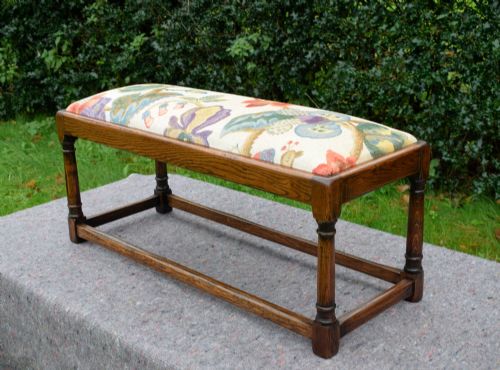
Large antique stools, dressing stools, and ottomans function well as footstools or low coffee tables when paired with a rigid tray. Their sturdy wood frames support everyday use.
Many of these pieces were originally constructed precisely for resting feet or supporting dressing table activities.